Source Non-Woven Fabric Knee Warmer for Running and Pain Relief
Find 30 Non-Woven Fabric Knee Warmer options for athletes seeking warmth and compression. Compare features like heat time, material, and certifications to select the right support for running, tennis, or general pain relief; compare the available evidence and request quotations based on your requirements.
Key considerations
Products List


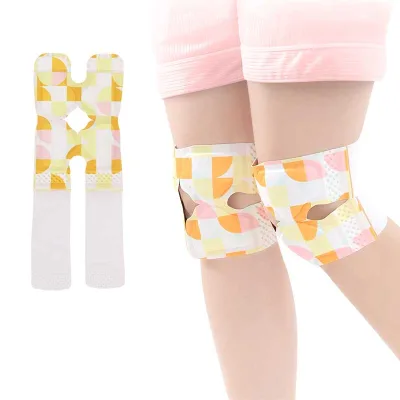
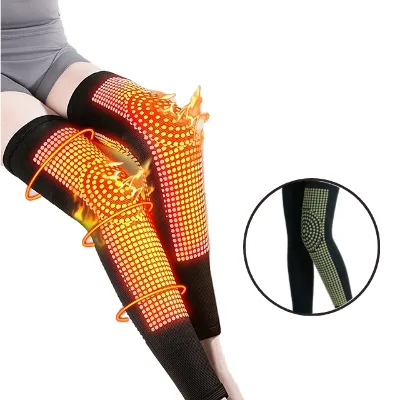


Self Heating Mugwort Pain Relief Warming Knee Elbow Patch Knee Warmer Heat
$0.42 - $0.52
MOQ: 3000 pieces


Disposable Safe Knee Warm Patch Air Activated Self-Heating Knee Warm Patch
$0.12 - $0.20
MOQ: 3000 pieces
Comprehensive Sourcing Guide
Non-Woven Fabric Knee Warmer Sourcing Guide
Procurement teams must first distinguish between disposable thermal patches and reusable compression sleeves when sourcing knee warmers. The market data indicates a clear split where non-woven fabric products function as single-use or short-term heating solutions, often featuring specific heat times and shelf lives, while neoprene alternatives offer durable compression and rehabilitation support. Buyers should verify the material composition carefully, as the non-woven variant is typically designed for spontaneous heating and pain relief, whereas the neoprene version targets professional protection and long-term athletic use.
Understanding the intended application is critical for selecting the correct product line. The non-woven options are frequently marketed for general leg warmth and arthritis relief with a defined heat duration, while the neoprene counterparts are engineered for high-impact sports like running, cycling, and basketball. Sourcing strategies must align with the specific needs of the end-user, whether they require a disposable patch for temporary relief or a robust sleeve for repetitive motion protection. This distinction prevents the procurement of unsuitable inventory that fails to meet the functional expectations of the target market.
Product Scope and Observed Listing Signals
The observed product listings reveal a diverse range of specifications, including varying weights from 152g to 162g and distinct packaging formats such as grinding sandbags or PE zipper bags. Buyers should note that some listings specify a single package size of 39x14x1 cm, while others indicate larger dimensions like 53x24x48 cm, suggesting different product categories or bulk packaging configurations. These physical attributes serve as primary signals for verifying the actual item received against the purchase order, ensuring that the delivered goods match the expected form factor and weight class.
Commercial signals in the listings also highlight significant variability in minimum order quantities and customization options. While some suppliers list an MOQ of 300 pieces, others indicate ranges extending up to 20,000 units, requiring buyers to align their order volume with supplier capabilities. Customization features, such as OEM and ODM services for customized logos, are available across the spectrum, but the specific implementation details must be confirmed during the negotiation phase. This variability necessitates a clear definition of order requirements before engaging with potential vendors to avoid mismatches in production capacity.
Technical Specifications to Verify
Technical verification must begin with the material composition, specifically confirming the use of non-woven fabric for thermal patches versus neoprene for compression sleeves. The non-woven variants are characterized by their ability to provide spontaneous heating and pain relief, often with a shelf life of three years and a heat time exceeding three hours. In contrast, the neoprene products focus on compression and rehabilitation, featuring a thickness described as conventional and a single gross weight of 0.18 kg. Buyers must explicitly request material certificates to ensure the fabric meets the intended thermal or structural performance standards.
Dimensional accuracy and model identification are equally critical for inventory management and product compatibility. Listings show specific model numbers such as PT-3623, PT-3622(HC), and DAVIC-9978, each associated with unique size specifications like 14x39 cm or free-size designs. The single package size and gross weight data, such as 0.060 kg for certain patches, must be cross-referenced with the physical samples provided. Verifying these exact measurements ensures that the products will fit the intended demographic and function correctly within the supply chain without unexpected logistical issues.
Compliance and Safety Documentation
Regulatory compliance is a primary concern, with observed listings citing certifications such as CE, ISO, and MFDS safety standards. Buyers must verify that the specific product batch carries the relevant quality certifications, as the market data indicates a mix of CE ISO and MFDS standards depending on the product type and origin. It is essential to request current certification documents directly from the supplier rather than relying on general claims, ensuring that the knee warmers meet the safety requirements of the destination market. This due diligence protects the buyer from potential regulatory penalties and ensures product safety for end-users.
Safety standards also extend to the manufacturing processes and material safety, particularly for products intended for direct skin contact. While some background standards like EN 13795 or ISO 13485 are mentioned in general industry contexts, the specific safety standard for the non-woven knee warmer must be confirmed as MFDS or equivalent. Buyers should demand test reports that validate the material's safety and the product's performance under the claimed conditions. This verification step is crucial for maintaining brand reputation and ensuring that the products do not pose any health risks to consumers during use.
Cost Drivers and Commercial Terms
Cost structures for knee warmers are heavily influenced by material choices, customization levels, and order volumes. The price range observed in the market spans from $0.06 to $58, reflecting the difference between basic disposable patches and specialized, branded compression sleeves. Buyers should analyze the cost drivers associated with specific features, such as the inclusion of a customized logo or the use of premium non-woven fabrics, to understand the pricing variance. Negotiating based on these specific attributes allows for more accurate budgeting and prevents unexpected cost overruns during the procurement process.
Commercial terms, including lead times and payment conditions, vary significantly among suppliers and must be clearly defined in the purchase agreement. Delivery times are observed to range from 8 to 15 days, but this can fluctuate based on order size and production capacity. Buyers should also consider the availability of samples, which are listed as available, to validate quality before committing to large orders. Establishing clear terms for delivery, packaging, and sample approval ensures a smooth transaction and minimizes the risk of delays or quality disputes.
Supplier Qualification and Quality Control
Supplier qualification requires a thorough assessment of the manufacturer's location and production capabilities, with origins noted in Zhejiang and Guangdong, China. Buyers should verify the supplier's ability to handle the specific order volume, as MOQs can range from 300 pieces to 20,000 units. It is advisable to conduct a site audit or request detailed production capacity reports to ensure the supplier can meet the required delivery schedules and quality standards. This step is vital for establishing a reliable supply chain that can consistently deliver products that meet the buyer's specifications.
Quality control protocols must be strictly enforced to ensure consistency across all batches of knee warmers. Buyers should implement a rigorous inspection process that checks for material integrity, dimensional accuracy, and packaging quality. Given the variability in product attributes, such as weight and size, a pre-shipment inspection is recommended to catch any deviations before the goods leave the factory. Establishing clear quality acceptance criteria and conducting regular audits helps maintain product standards and reduces the risk of receiving defective or non-compliant inventory.
Long-Term Procurement Checks
Long-term procurement success depends on maintaining a stable relationship with suppliers who can adapt to changing market demands and regulatory requirements. Buyers should regularly review supplier performance metrics, including delivery times, quality consistency, and responsiveness to customization requests. Establishing a feedback loop with the supplier ensures that any issues are addressed promptly and that the supply chain remains resilient. This proactive approach helps in building a partnership that supports continuous improvement and reliability over time.
Continuous monitoring of product specifications and market trends is essential for staying competitive in the knee warmer sector. Buyers should stay informed about new material technologies and evolving safety standards that may impact product design and compliance. Regularly updating the product portfolio based on market feedback and technological advancements ensures that the procurement strategy remains relevant and effective. This ongoing evaluation process helps in identifying opportunities for cost optimization and product enhancement, securing a long-term advantage in the marketplace.
FAQs
What material is used for the knee warmer patch?
The knee warmer patch is crafted from non-woven fabric, providing a soft and breathable texture against the skin. This material choice ensures comfort during extended wear while effectively retaining heat. The design focuses on delivering consistent warmth to the knee area, making it suitable for various daily activities and sports without causing irritation or discomfort to the user.
How long does the heat last on the patch?
The heating duration for this knee warmer patch exceeds three hours, offering sustained warmth for users. This extended heat time allows for continuous relief during workouts or cold weather exposure. The product is designed to maintain a comfortable temperature throughout its active period, ensuring that the knee remains protected and warm without the need for frequent replacement during typical usage sessions.
Can I customize the logo on the knee warmer?
Yes, customization is available for the knee warmer patch, including the addition of a customized logo. This OEM and ODM service allows buyers to brand the product according to their specific requirements. The customization options support marketing needs and brand identity, making it an ideal choice for businesses looking to distribute branded wellness products to their clients or employees effectively.
What certifications does the knee warmer have?
The knee warmer patch holds CE and ISO certifications, ensuring compliance with international quality and safety standards. These certifications verify that the product meets rigorous manufacturing requirements for consumer goods. The quality assurance processes involved in obtaining these marks provide confidence in the product's safety and reliability, making it suitable for distribution in regulated markets across different regions globally.
What is the shelf life of the knee warmer patch?
The shelf life of the knee warmer patch is three years, ensuring long-term storage stability. This duration allows retailers and distributors to maintain inventory without worrying about product degradation. The stable shelf life supports efficient supply chain management, enabling buyers to stock the product confidently while ensuring that end-users receive fresh and effective warming patches whenever they are needed for personal use.
What is the packaging format for the knee warmer?
Each knee warmer patch is individually packed in a single piece per bag, typically a PE zipper bag. This packaging format protects the product from moisture and contamination during transit and storage. The individual packaging ensures hygiene and convenience for the end-user, allowing for easy dispensing and storage while maintaining the integrity of the non-woven fabric material until the moment of use.