Source Portable Class I Bath Chair for Home, Clinic, and Spa
Find a Portable Class I Bath Chair from 30 verified listings. Compare specifications like seat height, load capacity, and material to select the right option for home, clinical, or spa environments; compare the available evidence and request quotations based on your requirements.
Key considerations
Products List




Comprehensive Sourcing Guide
Portable Class I Bath Chair Sourcing Guide
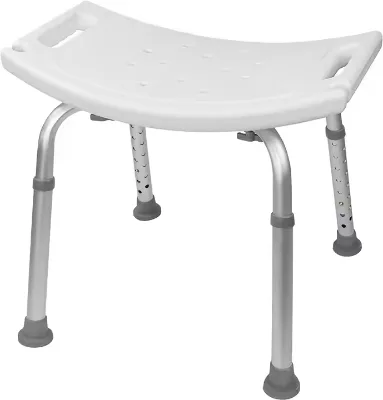
Procuring a Portable Class I Bath Chair requires careful attention to the specific structural integrity and weight capacity needed for safe patient transfer in wet environments. The observed market data indicates a range of models constructed primarily from aluminium and aluminium alloy, which are essential for balancing durability with the portability required for frequent movement. Buyers must verify that the specific unit selected meets the necessary load capacity, as observed listings show capacities up to 100kg, ensuring the chair can safely support the intended user without structural failure during bathing operations.
The commercial landscape for these units presents a wide variance in pricing and minimum order quantities, ranging from single units to bulk orders of 200 pieces. This variability suggests that buyers should align their procurement strategy with their specific volume needs, as smaller orders may incur higher per-unit costs while larger volumes might offer better economies of scale. Understanding the specific model numbers, such as TBB7902 or TBB7962L, is crucial for identifying the exact configuration of seat height, width, and overall dimensions that fit the intended bathroom space and user requirements.
Product Scope and Observed Listing Signals
The product scope for portable bath chairs encompasses various configurations designed for different user needs, with observed listings highlighting specific dimensions like seat heights ranging from 15cm to 57.6cm and overall widths between 43cm and 50.3cm. These variations allow procurement teams to select units that accommodate specific user mobility levels and bathroom spatial constraints. The presence of both fixed and adjustable seat heights in the data suggests that buyers should prioritize models with adjustable features to ensure long-term usability as user needs change or to accommodate multiple users with different physical requirements.
Listing signals also reveal significant differences in packaging and shipping metrics, with net weights varying from 3kg to over 26kg per carton depending on the model and quantity. This data is critical for logistics planning, as heavier units like the TBB566 model require more robust handling and potentially different shipping arrangements compared to lighter aluminium alloy options. Buyers must carefully review the packed measurements, which range from compact 56x20x45cm units to larger 106x60x44cm configurations, to ensure the chairs can be transported through standard doorways and stored efficiently in facility storage areas.
Technical Specifications to Verify
When evaluating technical specifications, the primary focus must be on the structural dimensions and load-bearing capabilities that directly impact user safety and comfort. The observed data specifies side widths between 43cm and 45cm and seat depths ranging from 28cm to 41.5cm, which are critical parameters for ensuring the chair fits the user's body size and the available bathroom space. Procurement teams should verify that the selected model's overall height, which can range from 71cm to 93.6cm, aligns with the height of the bathtub or shower tray to facilitate safe and independent transfers for the user.
Material composition is another vital technical aspect, with listings confirming the use of aluminium and aluminium alloy as the primary construction materials. These materials are selected for their resistance to corrosion in wet environments and their ability to maintain structural integrity over time. Buyers should confirm that the specific model they are sourcing utilizes high-grade aluminium alloys that meet the necessary strength standards, ensuring the chair can withstand the dynamic loads of daily use without bending or degrading, particularly in the critical areas of the seat frame and support legs.
Compliance and Safety Documentation
Compliance and safety documentation for portable bath chairs must include verified certifications that attest to the product's adherence to international safety and quality standards. The observed listings reference certifications such as CE, ISO, SGS, FDA, and BV, which indicate that the manufacturer has undergone rigorous testing for electrical safety, material quality, and general product compliance. Buyers should request current certification documents for the specific model they intend to purchase, ensuring that the certifications are valid and applicable to the region where the product will be used, rather than relying on general claims found in marketing materials.
In addition to certifications, safety documentation should include detailed test reports that verify the load capacity and stability of the chair under various conditions. The observed data mentions a load capacity of 100kg for certain models, but buyers must ensure this figure is supported by independent third-party testing rather than internal manufacturer claims. It is essential to review the specific test standards applied, such as those from SGS or BV, to confirm that the chair has been subjected to stress tests that simulate real-world usage scenarios, including wet conditions and repeated loading cycles.
Cost Drivers and Commercial Terms
Cost drivers for portable bath chairs are influenced by material quality, customization options, and the complexity of the manufacturing process. The observed listings indicate that customization is available, which can significantly impact the final price depending on the specific modifications required, such as unique dimensions or specialized finishes. Buyers should clarify the cost implications of any custom requests early in the negotiation process, as non-standard features often require longer lead times and higher production costs compared to standard off-the-shelf models.
Commercial terms also play a significant role in the total cost of ownership, with observed lead times ranging from immediate availability to 45-60 days after receiving a deposit. These variations suggest that buyers need to plan their procurement timeline carefully to avoid delays in facility setup or replacement of existing equipment. Additionally, the minimum order quantity (MOQ) ranges from 1 to 200 units, meaning that smaller buyers may face higher per-unit costs or limited negotiation leverage, while larger organizations can potentially secure more favorable pricing and shipping terms through bulk purchasing agreements.
Supplier Qualification and Quality Control
Supplier qualification for portable bath chairs requires a thorough assessment of the manufacturer's production capabilities and quality control systems. The observed data indicates that suppliers are located in Guangdong and Guangzhou, China, regions known for their manufacturing expertise in medical and mobility equipment. Buyers should verify the supplier's production capacity and history of delivering consistent quality, ensuring they have the infrastructure to handle both small custom orders and large volume shipments without compromising on product standards or delivery schedules.
Quality control measures should be a central part of the supplier evaluation process, with a focus on the specific standards and certifications the supplier adheres to. The presence of standards like CE, FDA, and SGS in the listings suggests that reputable suppliers have established quality management systems, but buyers must confirm that these standards are actively maintained and audited. Implementing a pre-shipment inspection protocol is recommended to verify that the delivered units match the agreed specifications, including dimensions, material quality, and load capacity, before final payment is released.
Long-Term Procurement Checks
Long-term procurement checks for portable bath chairs should focus on the durability and maintenance requirements of the selected models to ensure sustained performance over time. The observed data highlights specific packing and weight metrics, which can provide insights into the robustness of the packaging and the potential for damage during transit. Buyers should establish a maintenance schedule that includes regular inspections of the chair's structural components, such as the seat frame and legs, to identify any signs of wear or corrosion that could compromise safety.
Additionally, long-term procurement strategies should include a review of the supplier's after-sales support and warranty policies to ensure that any issues can be resolved promptly. The availability of spare parts and the supplier's responsiveness to service requests are critical factors that can impact the operational continuity of the facility. Buyers should negotiate clear terms regarding warranty coverage and repair services, ensuring that the supplier remains accountable for the product's performance throughout its intended lifespan, thereby minimizing downtime and ensuring the safety of the end-users.
FAQs
What certifications do the portable class i bath chairs have?
The portable class i bath chairs carry CE and ISO certifications as standard. Some models also include FDA, SGS, and BV standards to ensure safety and quality compliance for international buyers seeking verified medical equipment.
Can I request customization for these portable class i bath chairs?
Customization is available for these portable class i bath chairs to meet specific buyer requirements. Buyers can choose between customized or non-customized options depending on their project needs and specific design preferences.
What is the load capacity of the portable class i bath chairs?
The portable class i bath chairs support a maximum load capacity of 100kg for safe user usage. This weight limit ensures stability and durability during daily operations in various healthcare or home care environments.
How long is the lead time for orders of portable class i bath chairs?
The lead time for orders is typically 45 to 60 days after receiving the deposit. This duration allows for proper manufacturing and quality checks before the final shipment of the portable class i bath chairs.
Which materials are used to construct the portable class i bath chairs?
The portable class i bath chairs are constructed using high-quality aluminium and aluminium alloy materials. These materials provide a lightweight yet durable structure suitable for frequent transport and long-term use in clinical settings.
What are the overall dimensions of the portable class i bath chairs?
Overall dimensions vary by model, with widths ranging from 44cm to 50.3cm and heights between 71cm and 93.6cm. Specific seat depths and back heights are also defined to ensure ergonomic comfort for different user sizes.
Where are the portable class i bath chairs manufactured?
The portable class i bath chairs are manufactured in Guangdong and Guangzhou, China. These locations serve as the primary production hubs for these medical devices, ensuring efficient logistics and supply chain management for global distribution.