Source NSF Certified Ion Exchange Resin for Water Purification
Compare 30 listings of NSF Certified Ion Exchange Resin from verified Chinese manufacturers. Buyers can evaluate specifications like effective grain size, moisture content, and packaging options for water softening and purification applications.
Key considerations
Products List

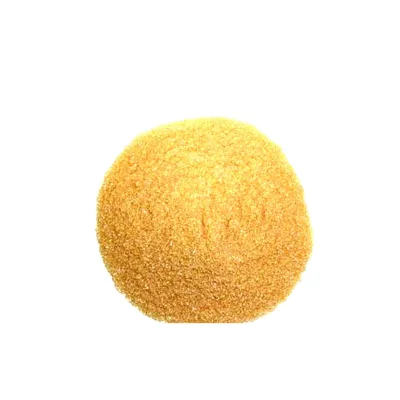
$1000.00 - $1180.00
MOQ: 1000 kg



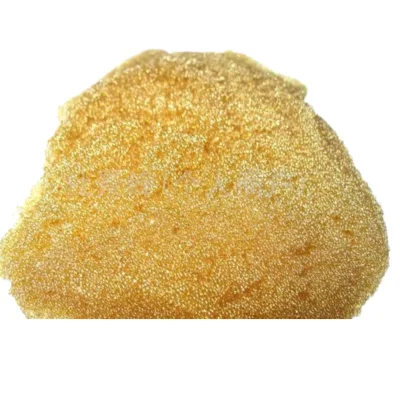
$1.00 - $10.00
MOQ: 10000 Pieces



Comprehensive Sourcing Guide
Strategic Sourcing Guide for NSF Certified Ion Exchange Resin
Understanding the Technical Landscape of Ion Exchange Resins
When sourcing ion exchange resin for industrial or commercial water treatment applications, buyers must first distinguish between the various chemical structures and functional groups that define resin performance. The core keyword "NSF Certified Ion Exchange Resin" implies a specific regulatory standard for materials that come into contact with drinking water, yet the underlying technical specifications vary significantly across product listings. In the current market, resin types are often categorized by their matrix composition and functional groups. Common observations in product data indicate a polystyrene matrix with a sulfonic acid functional group (-SO3-), classifying the material as a strongly acidic cation exchange resin. These resins are frequently utilized for water softening and ion exchange processes where hardness removal is the primary objective.
The physical properties of the resin are equally critical for system design. Buyers should verify the effective grain size, which typically ranges between 0.4mm and 0.6mm for standard applications, ensuring optimal flow rates and pressure drop characteristics within the vessel. True density is another essential parameter, often observed in the range of 1.25 to 1.30 g/ml, which influences the backwash expansion requirements during regeneration cycles. The ionic form in which the resin is shipped is also a key specification; while some products are supplied in the sodium form (Na+) for immediate softening applications, others may be delivered in the hydrogen form (H+), requiring specific conditioning before use. Understanding these baseline attributes allows procurement teams to match the resin to the specific hydraulic and chemical demands of their treatment system.
Navigating Compliance and Certification Requirements
The request for "NSF certified" products introduces a layer of complexity regarding regulatory compliance. While the supplied product data lists several certifications such as ISO, RoHS, WQA, SGS, and TUV, it does not explicitly confirm an NSF/ANSI 61 certification for every listed item. Buyers must exercise caution and verify that the specific product model they intend to purchase holds the necessary NSF certification for potable water applications. The presence of a "Wqa" (Water Quality Association) certificate or an "SGS" report is a positive indicator of quality control, but these are distinct from the specific NSF standards required for drinking water contact materials.
Compliance verification should not rely solely on the brand name or general product descriptions. Instead, procurement professionals must request the specific test reports that demonstrate compliance with the relevant NSF/ANSI standards. The data indicates that some suppliers provide machinery test reports and that certain products carry a "Wqa" certificate, which suggests a focus on water quality. However, the absence of an explicit "NSF" label in the general attribute list for all items means that the buyer must treat the certification status as a variable to be confirmed rather than a universal feature. It is crucial to distinguish between industrial-grade certifications and those specifically designed for human consumption. A product labeled as "Industrial Grade" may not automatically meet the stringent leaching limits required for NSF certification. Therefore, the sourcing strategy must include a direct inquiry to the supplier regarding the specific NSF certification number and the scope of coverage for the intended application.
Cost Drivers and Economic Considerations
The pricing landscape for ion exchange resin is highly variable, influenced by factors such as packaging, quantity, and specific model specifications. Observed market data shows a price range spanning from $0.68 to $15,000 USD, reflecting the diversity of products from small laboratory samples to bulk industrial shipments. The minimum order quantity (MOQ) also fluctuates significantly, ranging from 1 liter or 1 kilogram for small orders to 10,000 units for large-scale industrial contracts. This variance suggests that the cost per unit is heavily dependent on the volume purchased and the packaging format selected.
Packaging plays a substantial role in the final cost structure. Products are commonly available in 25 kg bags, 25-liter PE bags, or bulk drums and pallets. The choice between "Neutral Packing for Chemicals" and branded packaging can affect the unit price. Furthermore, the availability of customization and the acceptance of small orders can introduce a premium to the cost. Suppliers offering "Free Samples" or "Customization" services may have different pricing models compared to those selling standard stock items. Buyers should analyze the total cost of ownership, which includes not just the unit price but also shipping, handling, and the potential cost of inventory holding if the MOQ is high. The productivity of the resin, such as a capacity of 3000L/Hour, may also correlate with higher performance grades that command a higher price point. Understanding these economic drivers helps in negotiating terms that align with the project budget and operational scale.
Typical Applications and Performance Expectations
Ion exchange resins are versatile materials used across a broad spectrum of water treatment scenarios. The primary applications identified in the market data include water purification, water softening, and general ion exchange processes. These resins are particularly effective in removing hardness ions like calcium and magnesium, which is critical for preventing scale formation in boilers, cooling towers, and domestic plumbing systems. The specific functional group, such as the -SO3- group found in strongly acidic resins, dictates the resin's affinity for specific ions and its regeneration efficiency.
The performance of the resin is often linked to its physical characteristics, such as the moisture content, which is typically observed between 45% and 55%. This range ensures the resin maintains its structural integrity and ion exchange capacity during operation. The pH range of 6.5 to 8.5 is also a relevant operational parameter, indicating the conditions under which the resin performs optimally. In industrial settings, the resin may be part of a larger system with a processing capacity of 99%, suggesting high efficiency in contaminant removal. However, the actual performance will depend on the feed water quality, the flow rate, and the regeneration cycle. Buyers should ensure that the selected resin model, such as the 001X7 or D113, is compatible with their specific water chemistry and flow requirements. The warranty period, which can range from 1 to 3 years, serves as an indicator of the manufacturer's confidence in the product's longevity and performance stability.
Supplier Evaluation and Quality Assurance
Selecting a reliable supplier is paramount when dealing with specialized chemical products like ion exchange resin. The market data reveals a mix of brands, including "Amanda," "Nature Water," and "Liji Resin," indicating a competitive landscape with multiple players. When evaluating suppliers, buyers should look beyond the brand name and focus on the depth of their technical support and quality assurance processes. The availability of a "machinery test report" is a strong indicator of a supplier's commitment to transparency and quality control. Additionally, the presence of certifications like ISO, RoHS, and WQA suggests that the supplier adheres to international standards for manufacturing and environmental safety.
The origin of the product is another critical factor. Most of the observed data points to China as the place of origin, with specific mentions of Hebei as a production hub. While this does not inherently imply lower quality, it does highlight the need for rigorous due diligence regarding logistics, lead times, and export compliance. Buyers should verify the supplier's ability to provide consistent quality across batches, especially given the potential for variation in raw materials like resin. The "Small Orders: Accepted" attribute suggests flexibility, but it is essential to ensure that small orders do not compromise the quality of the product. Furthermore, the "Customization: Available" option allows buyers to tailor the resin to specific needs, but this requires a close working relationship with the supplier to define the technical parameters accurately.
Long-Term Procurement and Operational Strategy
Sourcing ion exchange resin is not merely a one-time transaction but a long-term procurement strategy that impacts operational efficiency and water quality over time. The warranty period, ranging from 1 to 3 years, provides a baseline for expected product life, but actual service life depends on the operating conditions and maintenance practices. Buyers should consider the regeneration frequency and the cost of regenerants when calculating the total cost of ownership. The resin's capacity, such as the 3000L/Hour productivity mentioned in some listings, should be matched to the system's demand to avoid premature exhaustion.
Inventory management is also a key consideration. With MOQs ranging from 1 liter to 10,000 units, buyers must balance the need for stock availability with the risk of inventory obsolescence. For facilities with continuous water treatment needs, establishing a recurring supply agreement with a trusted supplier can ensure consistent quality and timely delivery. The "Free Sample" option is a valuable tool for initial testing, allowing buyers to validate the resin's performance in their specific application before committing to a large order. Finally, buyers should stay informed about changes in regulations and standards, such as updates to NSF requirements, to ensure that their procurement strategy remains compliant and effective over the long term. By focusing on technical specifications, certification verification, and supplier reliability, organizations can secure a sustainable supply of high-quality ion exchange resin for their water treatment needs.
FAQs
What certifications do these ion exchange resins hold?
The products hold ISO, RoHS, WQA, SGS, and TUV certifications. While some listings mention WQA and SGS, explicit NSF certification is not confirmed for all items, so buyers must verify specific test reports for drinking water compliance.
Which models are available for water softening applications?
Available models include 001X7, 001X10, and D113. These strongly acidic cation exchange resins feature a polystyrene matrix and are designed for water purification and softening processes with specific effective grain sizes.
How is the resin packaged for shipment?
Resin is commonly packed in 25 kg bags, 25-liter PE bags, or drums on pallets. Some suppliers offer neutral packing for chemicals, while others provide branded packaging depending on the specific order requirements.
What is the minimum order quantity for samples?
Small orders are accepted with minimums starting at 1 liter or 1 kilogram. Free samples are available for testing, allowing buyers to validate performance before committing to larger industrial volume purchases.
Can I request customization for specific water treatment needs?
Customization is available for tailored water treatment solutions. Buyers can work with suppliers to adjust specifications, though this may involve specific lead times and pricing adjustments compared to standard stock items.
Where are these resins manufactured?
Most products originate from China, specifically Hebei province. This location is a known hub for resin production, but buyers should verify logistics and export compliance when sourcing from these facilities.
What is the warranty period for the resin?
Warranty periods range from 1 to 3 years depending on the supplier and product model. This warranty indicates the manufacturer's confidence in the resin's longevity and performance stability under normal operating conditions.