Source NPN Three-Wire Inductive Proximity Switch for Warehouse, Packaging, and Automation
Find 30 NPN Three-Wire Inductive Proximity Switch options with varying sensing distances, mounting types, and voltage ratings. Buyers can compare specifications including IP67 protection, metal or ABS cases, and wiring configurations for industrial applications.
Key considerations
Products List




Comprehensive Sourcing Guide
Strategic Sourcing Guide for NPN Three-Wire Inductive Proximity Switches
Understanding the Core Technology and Configuration
The inductive proximity switch is a fundamental component in modern industrial automation, designed to detect the presence of metallic objects without physical contact. For buyers specifically targeting the NPN three-wire configuration, the primary distinction lies in the output transistor type and the resulting circuit logic. In an NPN setup, the switch acts as a low-side switch, meaning it connects the load to the negative terminal (ground) when activated. This configuration is distinct from PNP switches, which connect the load to the positive voltage supply. The three-wire architecture typically comprises a power supply line (often labeled V+), a ground line (V-), and an output signal line.
When evaluating products in this category, buyers must verify the specific wiring logic against their existing PLC or controller inputs. The supplied data indicates that the market offers both NPN and PNP options, with specific models noted for their NPN (Three-Wires) configuration. This distinction is critical because connecting an NPN switch to a system expecting PNP logic will result in a failure to trigger the control circuit. Furthermore, the "three-wire" designation implies a dedicated ground return path, which simplifies wiring compared to two-wire systems but requires careful attention to polarity during installation. The principle of operation relies on the generation of an electromagnetic field; when a metal object enters this field, eddy currents are induced, causing a change in oscillation amplitude that triggers the output.
Technical Specifications and Performance Parameters
Selecting the correct inductive proximity switch requires a rigorous analysis of technical specifications that align with the application environment. The supplied product data highlights several key parameters that define the operational envelope of these devices. One of the most critical metrics is the sensing distance, which varies significantly across models. For instance, specific units are documented with a detection distance of 2mm, while others offer a range up to 4mm. Buyers must ensure that the chosen switch's sensing range matches the physical gap required by the machinery, allowing for a safety margin to account for manufacturing tolerances and vibration.
The power supply requirements are another vital specification. The observed data points to a common operating voltage range of 12-24VDC, with some robust models supporting a wider input range of 6-36VDC. This flexibility is essential for systems that may experience voltage fluctuations or utilize different power distribution standards. Additionally, the output capacity is a defining feature; while the core keyword specifies NPN, the market data confirms the availability of both NPN and PNP outputs, with some units offering a combination of Normally Closed (Nc) and Normally Open (No) contacts. This versatility allows for more complex logic configurations within the control system.
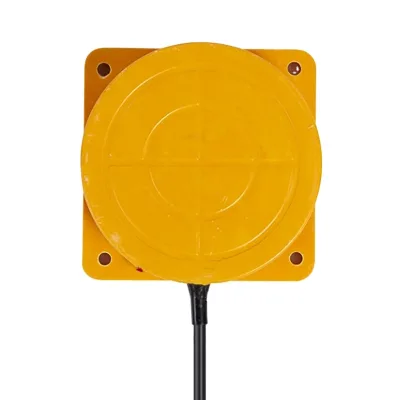
Physical dimensions and mounting styles also play a significant role in procurement. The standard size for many units in this category is the 86 Type, which is a common industrial standard. Mounting options include both flush and non-flush configurations. A non-flush mounting style, as noted in the specifications, requires a specific amount of space around the sensor face, which must be accounted for in the machine design. The case material is predominantly metal, providing durability and heat dissipation, though some models utilize ABS plastic for specific applications where weight or electromagnetic interference is a concern. The connection method is typically a 1.5m PVC cable, which offers a balance between flexibility and protection against environmental wear.
Compliance, Certification, and Safety Standards
In the global B2B market, compliance with international standards is not merely a formality but a prerequisite for market access and operational safety. The supplied facts confirm that a significant portion of the available NPN three-wire inductive switches carry certifications such as CE, RoHS, and ISO. The CE mark indicates conformity with health, safety, and environmental protection standards for products sold within the European Economic Area. RoHS compliance ensures that the device is manufactured without specific hazardous materials, which is a critical requirement for electronics in many jurisdictions.
Buyers must verify that the certification documents provided by the supplier are current and correspond to the specific model number being ordered. The data also references specific standards such as "Standard" and "0.12kg/box" or "140g" for packaging weights, which may relate to internal quality control standards or shipping regulations. It is important to note that while certifications like CE and RoHS are listed as high-confidence facts for the category, the specific compliance status of any individual unit must be validated against the manufacturer's declaration of conformity. Additionally, the presence of short-circuit protection, as indicated in the specifications, is a crucial safety feature that prevents damage to the sensor and the power supply in the event of a wiring fault.
Cost Drivers and Pricing Dynamics
The pricing of NPN three-wire inductive proximity switches is influenced by a complex interplay of factors, including material costs, manufacturing complexity, and certification requirements. The observed price range in the market spans from $0.80 to $45.00 USD. This wide variance suggests that the market includes both basic, high-volume components and specialized, high-performance units. The lower end of the price spectrum likely corresponds to standard models with basic sensing distances and standard cable lengths, while the higher prices may reflect units with extended temperature ranges, higher IP ratings, or specialized mounting configurations.
Minimum Order Quantity (MOQ) is another significant cost driver. The observed MOQ range is between 1 and 100 units. Suppliers offering an MOQ of 1 are typically catering to prototyping or maintenance needs, often at a higher per-unit cost. Conversely, suppliers with an MOQ of 100 are geared toward bulk production, offering economies of scale that reduce the unit price. Buyers should consider their total volume requirements when negotiating; a larger order may justify a higher MOQ but result in a significantly lower average cost. The packaging method, such as "50PCS/Carton," "White Box," or "Polybag," can also impact the final cost, as specialized packaging for export or retail may incur additional fees.
Typical Applications and Operational Environments
The versatility of NPN three-wire inductive proximity switches makes them suitable for a wide array of industrial applications. The supplied data explicitly identifies "Warehouse" as a key application area, where these sensors are used for automated sorting, pallet detection, and conveyor belt monitoring. In warehouse environments, the durability of the metal case and the IP67 water-proof rating are particularly valuable, as they protect the sensor from dust, debris, and occasional liquid spills.
Beyond warehousing, these sensors are integral to manufacturing processes where precise object detection is required. The ability to detect metallic objects at distances ranging from 2mm to 4mm allows for fine-tuned control in assembly lines, robotics, and CNC machinery. The "Shield, No-Shield" sensor type option mentioned in the data indicates that buyers can select sensors based on their mounting constraints; shielded sensors can be embedded in metal mounts without affecting performance, while non-shielded sensors offer a longer sensing range but require non-metallic mounting. The 18-month to 3-year warranty periods observed in the market reflect the reliability expectations for these components in continuous operation environments.
Supplier Evaluation and Quality Assurance
Evaluating suppliers for NPN three-wire inductive proximity switches requires a focus on consistency, transparency, and logistical capability. The origin of the products is predominantly China, with specific mentions of Hunan as a manufacturing hub. While this provides access to a vast supply chain, buyers must conduct due diligence to ensure that the suppliers adhere to the claimed quality standards. The availability of customization is a positive indicator of a supplier's flexibility, allowing for tailored solutions regarding cable length, connector type, or sensing distance.
Quality control should be a central part of the procurement strategy. Buyers should request test reports or batch inspection records to verify that the products meet the specified output characteristics (NPN) and voltage ranges. The presence of a warranty, ranging from 18 months to 3 years, serves as a proxy for the manufacturer's confidence in their product's longevity. However, the warranty terms should be clearly understood, including what constitutes a defect and the process for claims. Additionally, the packaging standards, such as "Normally Export Packing" or specific carton counts, indicate the supplier's attention to detail in preventing damage during transit.
Long-Term Procurement and Supply Chain Stability
Sourcing NPN three-wire inductive proximity switches is not a one-time transaction but a long-term relationship that impacts operational continuity. The standardization of the "86 Type" and the commonality of the 12-24VDC power supply suggest that these components are widely available, reducing the risk of obsolescence. However, buyers should be mindful of the potential for supply chain disruptions, especially given the reliance on specific manufacturing regions. Establishing a relationship with a supplier that offers customization and has a robust quality control process can mitigate these risks.
Future-proofing the procurement strategy involves selecting suppliers who can adapt to changing industry standards and technological advancements. The observation of various output types (NPN, PNP, Nc+No) and sensing distances indicates a dynamic market that is responsive to diverse needs. Buyers should maintain a buffer stock of critical components to handle unexpected demand spikes or production delays. Furthermore, regular audits of the supplier's compliance status and quality certifications are essential to ensure that the supply chain remains aligned with regulatory requirements. By focusing on these long-term considerations, organizations can secure a reliable supply of high-quality NPN three-wire inductive proximity switches that support their operational goals.
Comparative Analysis of Key Product Attributes
To facilitate informed decision-making, the following table summarizes the key attributes observed in the market for NPN three-wire inductive proximity switches. This comparison highlights the variability in specifications that buyers must navigate.
| Attribute | Observed Range/Options | Relevance to Procurement |
|---|---|---|
| Output Type | NPN (Three-Wires), PNP, NPN/PNP Mix | Determines compatibility with PLC input modules. |
| Sensing Distance | 2mm, 4mm | Must match the physical gap of the application. |
| Power Supply | 12-24VDC, 6-36VDC | Must align with the system's voltage stability. |
| Protection Rating | IP67 | Critical for dusty or wet environments. |
| Case Material | Metal, ABS | Affects durability and electromagnetic interference. |
| Mounting Style | Flush, Non-Flush, Shield/No-Shield | Dictates installation space and mechanical constraints. |
| Warranty | 18 Months, 3 Years | Indicator of manufacturer confidence and longevity. |
| Certification | CE, RoHS, ISO | Mandatory for market access and safety compliance. |
| Origin | China (General), Hunan (Specific) | Influences lead times and logistics costs. |
| MOQ | 1 - 100 Units | Impacts initial investment and inventory strategy. |
This structured approach to understanding the product landscape ensures that buyers can select the most appropriate NPN three-wire inductive proximity switch for their specific needs while maintaining high standards of quality and compliance.
FAQs
What output types are available for NPN three-wire inductive proximity switches?
The available output types include NPN, PNP, and combinations of NPN or PNP. Some models specifically offer NPN three-wire configurations while others provide PNP Nc or mixed Nc+No contacts for flexible logic control.
Which certifications are standard for these industrial sensors?
Standard certifications include CE, RoHS, and ISO for compliance with international safety and environmental standards. These marks ensure the devices meet health and safety requirements for the European Economic Area and restrict hazardous materials.
How does the sensing distance vary across different models?
Sensing distances typically range from 2mm to 4mm depending on the specific model selected. Buyers must match this range to the physical gap in their machinery to ensure reliable detection of metallic objects without interference.
Can these switches be customized for specific wiring needs?
Yes, customization is available for various requirements including cable length and connector types. Suppliers offer tailored solutions to fit specific installation constraints while maintaining the core NPN three-wire functionality.
What is the typical power supply voltage range for these devices?
Most units operate on a 12-24VDC supply, with some robust models supporting a wider 6-36VDC range. This flexibility allows integration into systems with varying voltage standards or potential fluctuations.
Which mounting styles are supported by these proximity sensors?
Support includes both flush and non-flush mounting options to suit different machine designs. Non-flush mounting requires specific space around the sensor face, while shielded models allow embedding in metal mounts.
What warranty periods are commonly offered by manufacturers?
Warranty periods typically range from 18 months to 3 years depending on the supplier and model. This coverage reflects the manufacturer's confidence in the product's durability and reliability for continuous industrial operation.