Source NSF Approved Commercial Ice Machine for Hotels, Bars, Restaurants
Compare 30 listings of the NSF Approved Commercial Ice Machine suitable for hotels, bars, and restaurants. Buyers can evaluate specifications like ice output, dimensions, and power requirements to find the right unit for their business needs.
Key considerations
Products List


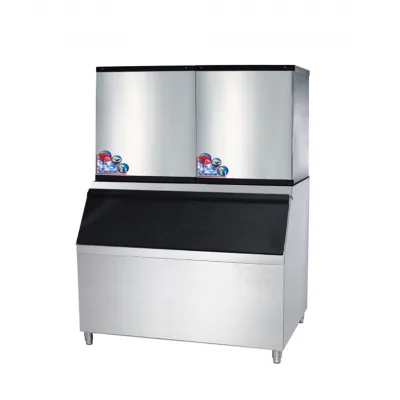


Commercial Ice Machine Flake Ice Machine 300kg/500kg/1000kg/2000kg/3000kg
$2499.00 - $2600.00
MOQ: 1 Sets


China Supplier Commercial Portable Flake Ice Making Machine for Sale
$5082.00 - $5282.00
MOQ: 1 Pieces


Easy-to-Clean Automatic Air Cooled 650kg Commercial Ice Machine Ice Cube Machine
$800.00 - $1800.00
MOQ: 10 Pieces

Factory Wholesale Machine 80kg/24h Cube Ice Machine Commercial Ice Machine
$410.95 - $438.35
MOQ: 2 Pieces


Automatic Portable Ice Making Machine Ice Maker Making Machine Commercial Ice Machine
$17000.00 - $18000.00
MOQ: 1 Pieces

Comprehensive Sourcing Guide
Strategic Sourcing Guide for NSF-Approved Commercial Ice Machines
Navigating the procurement landscape for commercial ice production requires a rigorous approach to technical verification, regulatory compliance, and supplier reliability. While the core search term often centers on "NSF Approved Commercial Ice Machine," buyers must understand that the specific certification status of any listed unit is a variable attribute that requires direct confirmation rather than an assumption. The market presents a diverse array of equipment ranging from small-scale units to heavy-duty industrial systems. This guide provides a structured framework for evaluating these assets based on observed market data, ensuring that procurement decisions are grounded in verifiable facts rather than marketing assertions.
Technical Specifications and Operational Capacity
The fundamental selection criteria for any commercial ice machine revolve around output capacity, ice morphology, and physical dimensions. Market observations indicate a significant variance in daily production capabilities, with specific units listed with outputs ranging from 36kg up to 10T or 15T depending on the model standard. For instance, a unit identified by the model code OLC-1000P demonstrates a daily ice output capacity of 1000kg per 24 hours, while other configurations in the same product category may support capacities of 105kg or 500kg in storage. Buyers must align these figures with their peak demand requirements, ensuring the machine can sustain production during high-volume periods without overheating or mechanical failure.
Ice shape and size are equally critical, as they dictate the application suitability. The observed product attributes reveal a market offering both Cube Ice and Tube Ice varieties. Cube ice units are frequently described with specific dimensions, such as 22mm x 22mm x 22mm, and can be manufactured as either solid or hollow cubes. Tube ice variants are noted with diameter specifications ranging from 22mm to 35mm. The internal temperature of the ice storage is typically maintained between -5℃ and -10℃ to ensure preservation quality. When evaluating a specific machine, procurement teams must verify the exact ice shape and size against the operational needs of their facility, as a mismatch can lead to inefficient cooling or poor presentation in hospitality settings.
Compliance Verification and Certification Standards
A primary concern for buyers is the regulatory compliance of the equipment, specifically regarding NSF approval. While the search query explicitly targets "NSF approved" units, the provided product data lists certifications such as RoHS, UR, ISO, CE, and CCC. It is imperative to note that the presence of one certification does not automatically imply the presence of another. The "NSF" standard is a specific North American requirement for food safety and material health, which must be explicitly verified with the supplier. Buyers should not assume that a machine certified under ISO or CE standards automatically meets NSF requirements for commercial food service in the United States.
The verification process should involve requesting specific documentation for the exact model number being purchased. The observed data includes a "prod_standard" field that lists various tonnage capacities (e.g., 1T, 2T, 5T, 10T), but it does not explicitly confirm the certification status for each tonnage tier. Therefore, the procurement strategy must include a mandatory step of requesting a copy of the current NSF certification for the specific configuration. Additionally, the presence of other certifications like CE (Conformité Européenne) or CCC (China Compulsory Certification) indicates compliance with regional safety and electromagnetic standards, which may be relevant for import logistics but are distinct from NSF food safety protocols.
Cost Drivers and Pricing Structures
The financial landscape for commercial ice machines is characterized by a wide price range, observed between 300 USD and 30,000 USD. This variance is driven by several key factors, including the daily ice output capacity, the complexity of the refrigeration system, and the materials used in construction. A unit with a 1000kg daily output and a 4.5kw average power consumption will naturally command a higher price point than a smaller 105kg storage unit with a 1.1kw power rating. The material composition is a significant cost driver; observed specifications highlight the use of SUS304 stainless steel and stainless steel exteriors, which offer superior corrosion resistance and longevity compared to lower-grade materials.
Beyond the initial purchase price, buyers must consider the Total Installed Power and energy efficiency. The observed power supply options range from 220V/50Hz to 380V/50Hz/60Hz, with power ratings varying from 1.1kw to 3240W. The choice of voltage and phase (1pH vs 3pH) can impact installation costs, as some facilities may require electrical upgrades to support high-power industrial units. Furthermore, the refrigerant type, such as R404A, influences long-term operational costs and environmental compliance. Buyers should calculate the total cost of ownership, factoring in energy consumption, maintenance requirements, and the potential cost of refrigerant refills, rather than focusing solely on the upfront acquisition cost.
Typical Applications and Operational Environments
Commercial ice machines are designed for a variety of environments, ranging from household use to heavy industrial applications. The observed product attributes list applications including hotels, bars, restaurants, supermarkets, and general commercial settings. The distinction between these environments dictates the required durability and output capacity. For instance, a unit with a "Separated Type" structure and an "Automatic Cleaning Device" is particularly suited for high-traffic commercial environments like hotels and restaurants, where hygiene and continuous operation are paramount. In contrast, a "Flowing" ice making mechanism might be more appropriate for specific industrial cooling needs.
The application also influences the required ice storage capacity. A supermarket might require a large storage bin to handle bulk sales, whereas a bar might prioritize rapid ice production over storage volume. The observed data indicates ice storage capacities ranging from 105kg to 500kg, which must be matched to the specific throughput of the venue. Additionally, the "Condition" of the product is listed as "New," which is standard for commercial procurement, but buyers should verify if the unit includes all necessary accessories, such as filtering devices, which are noted as available in some configurations. Ensuring the machine is compatible with the specific water quality and electrical infrastructure of the intended location is essential for optimal performance.
Supplier Evaluation and Quality Assurance
Evaluating suppliers for commercial ice machines requires a focus on transparency, manufacturing capabilities, and after-sales support. The observed data indicates that customization is available, allowing buyers to tailor specifications to their specific needs. However, the "video_outgoing_inspection" attribute is listed as "Not Available" for some entries, which suggests that buyers should not rely on remote visual verification alone. Instead, procurement teams should establish a protocol for third-party quality inspections or on-site factory audits, particularly for high-value orders.
The warranty period is a critical indicator of supplier confidence. The observed warranty is listed as "1 Year," which serves as a baseline expectation. Buyers should negotiate terms that extend this coverage or clarify what components are included. The "OEM" (Original Equipment Manufacturer) status is confirmed as "Yes" in the data, indicating that suppliers can produce units under the buyer's brand, which is valuable for large chains seeking uniformity. When selecting a supplier, buyers should verify the origin of the product, with Shanghai, China (Mailand) noted as a production location. Understanding the supply chain logistics, including packaging standards like "Wooden Package" or "Plywood Crates," is essential to prevent damage during transit.
Long-Term Procurement Considerations
Sourcing a commercial ice machine is a long-term investment that requires consideration of maintenance, spare parts availability, and lifecycle management. The "Automatic Cleaning Device" is a significant feature that reduces manual labor and ensures consistent ice quality over time. However, the presence of this feature necessitates a review of the cleaning agent requirements and the frequency of maintenance cycles. The "Filtering Device" is another component that requires regular replacement to prevent scale buildup and ensure water quality.
Buyers must also consider the lead times and production schedules. While specific lead times are not provided in the observed data, the "MOQ" (Minimum Order Quantity) ranges from 1 to 10 units, suggesting flexibility for both single-unit purchases and bulk orders. For large-scale deployments, buyers should negotiate production slots to ensure timely delivery. The "prod_packing" details, such as "Box" or "Wooden Package," should be aligned with the shipping method to minimize the risk of damage. Finally, the "Average Power" and "Total Installed Power" figures should be reviewed in the context of local energy costs to ensure the machine remains economically viable over its operational lifespan. By adhering to these structured evaluation criteria, buyers can secure reliable, compliant, and efficient ice production solutions that meet their specific commercial needs.
FAQs
What certifications do these ice machines have?
The machines typically hold RoHS, UR, ISO, CE, and CCC certifications. However, NSF approval is not explicitly listed in the provided data and must be verified directly with the supplier for each specific model before purchase.
How much ice can the machine produce daily?
Daily output capacity varies by model, with observed units producing 1000kg per 24 hours or having storage capacities of 105kg to 500kg. Some industrial standards support production ranging from 36kg up to 10 tons depending on the configuration.
Which ice shapes are available for commercial use?
The market offers both Cube Ice and Tube Ice varieties. Cube ice is often 22mm x 22mm x 22mm and can be solid or hollow, while tube ice diameters range from 22mm to 35mm to suit different cooling needs.
Can I customize the machine specifications?
Yes, customization is available for these commercial units. Buyers can request specific modifications to meet their operational requirements, though lead times and minimum order quantities may vary based on the extent of the customization.
What is the warranty period for these units?
The standard warranty period observed for these machines is one year. Buyers should confirm specific coverage details with the supplier, as warranty terms can vary based on the model and the specific agreement reached during procurement.
How much power does the machine consume?
Power consumption varies significantly, with observed units ranging from 1.1kw to 4.5kw average power. Voltage options include 220V or 380V at 50Hz or 60Hz, requiring verification of local electrical infrastructure compatibility before installation.
What materials are used in the construction?
The units are constructed using high-grade materials such as SUS304 stainless steel and stainless steel exteriors. These materials ensure durability and corrosion resistance, which are essential for maintaining hygiene in commercial and industrial environments.