Source Oe No 68237159ab Hood Lock for Jeep, GMC, and Chevrolet
Compare 30 listings for the Oe No 68237159ab Hood Lock, featuring electronic anti-theft alarms and premium tested quality. These central locking systems are available in plastic and steel materials, with customization options for various vehicle makes including Jeep Cherokee and GMC models.
Key considerations
Products List


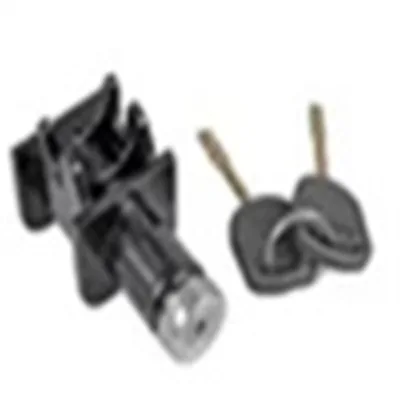
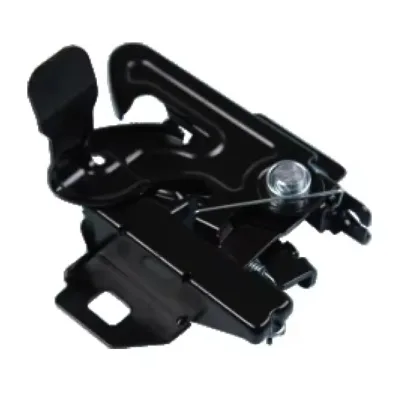
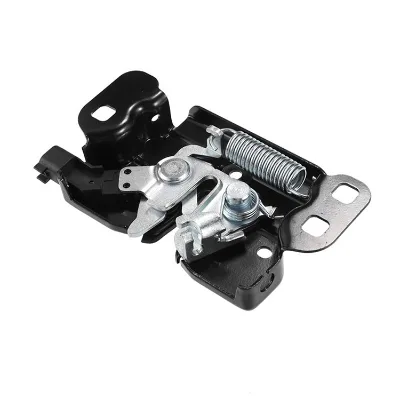
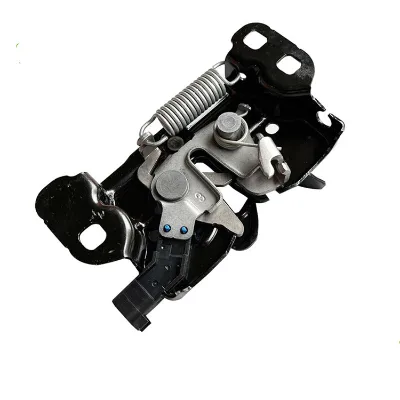
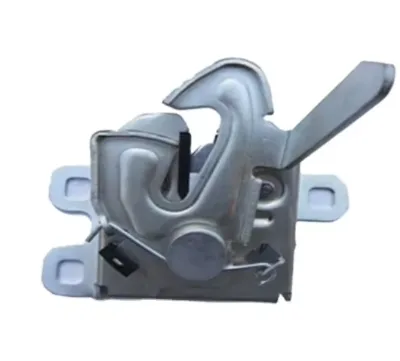
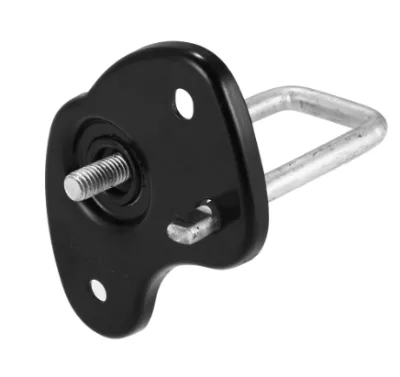
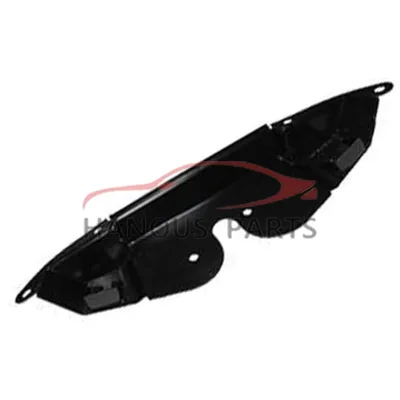
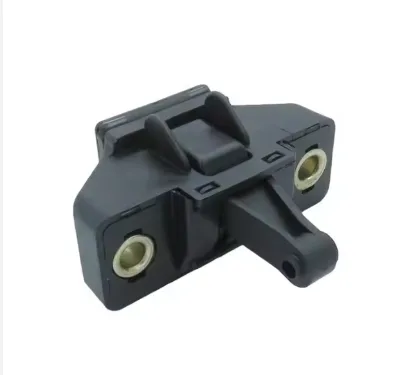
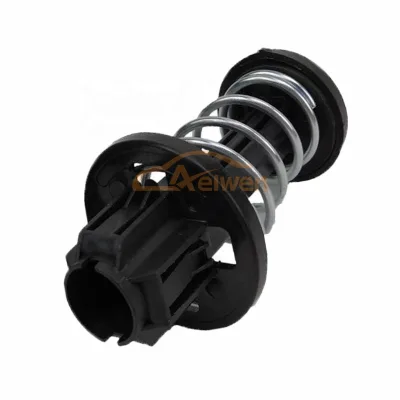
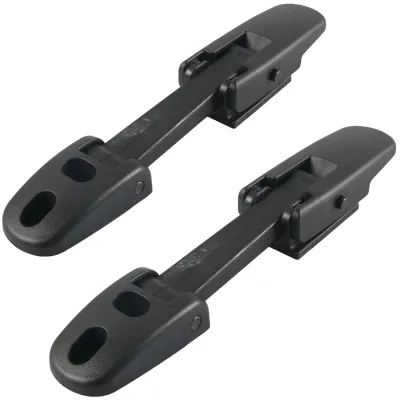

Parking Brake Truck Car Engine Hood Lock 8-97187695-1 22518100 Spare Parts
$11.50 - $13.00
MOQ: 1 Pieces
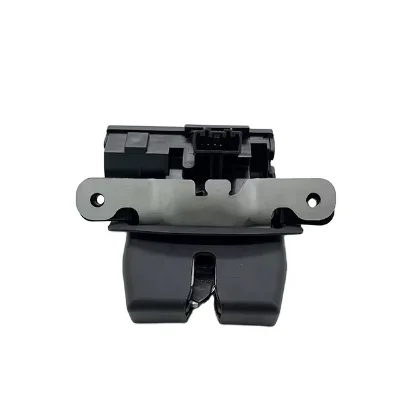
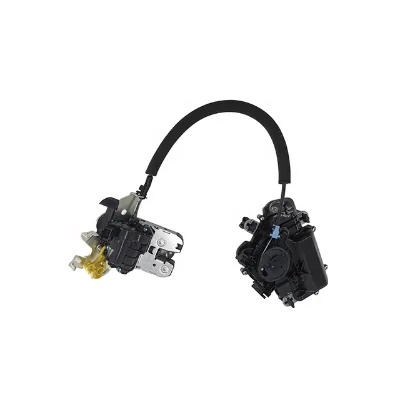
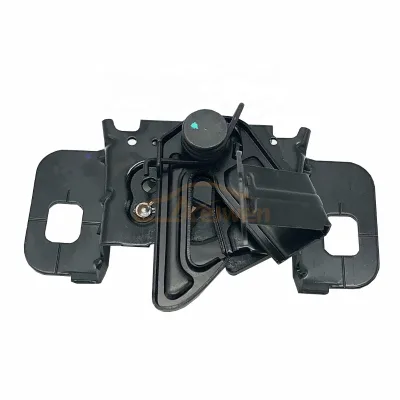


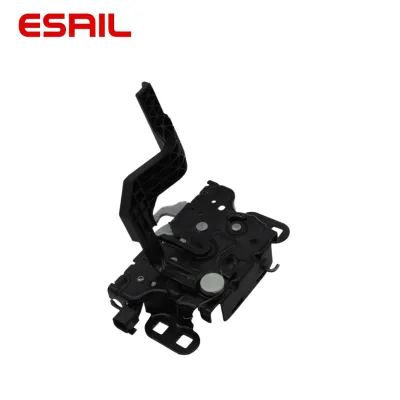
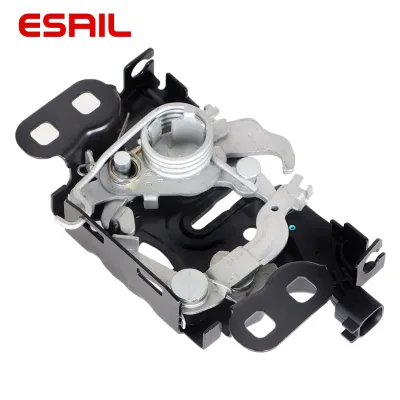
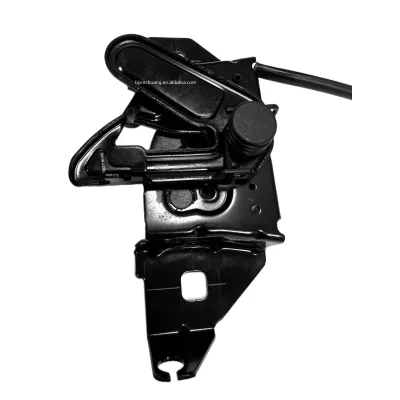
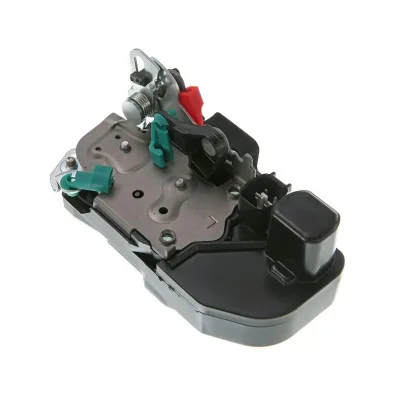
Comprehensive Sourcing Guide
Oe No 68237159ab Hood Lock Sourcing Guide
Procuring the specific hood lock identified by OE number 68237159AB requires a disciplined approach to matching legacy part numbers with current manufacturing standards. Buyers must recognize that this component often appears under multiple legacy identifiers, such as 68237158AB or 53348922, necessitating a verification step before finalizing any purchase order. The primary function of this assembly is to secure the engine hood, ensuring it remains latched during vehicle operation while allowing for safe release when maintenance is required.
Sourcing strategies should prioritize suppliers who explicitly list these exact OE numbers alongside their product descriptions to avoid compatibility errors. Since the market contains various iterations of hood locks, including electronic anti-theft alarm variants and standard mechanical latches, buyers must distinguish between the specific mechanical requirements of their vehicle platform. A clear understanding of the original equipment specifications prevents the acquisition of mismatched parts that could compromise vehicle safety or fail to fit the designated mounting points.
Product Scope and Observed Listing Signals
The available market listings for this component reveal a diverse range of product attributes, including materials ranging from plastic to steel and varying fitting positions such as hood locks or tailgate locks. Buyers should carefully examine the product title and description to confirm the specific application, as some listings may describe central locking systems or engine parts that differ from the standard hood latch mechanism. The presence of customization options suggests that some manufacturers offer tailored solutions, but the core requirement remains the exact fitment for the specified OE number.
Observations indicate that product models like JPJ002 or MFTJ005 often appear in catalogs alongside the target OE number, yet these may represent different generations or regional variants. It is critical to verify the "Fitting Position" attribute to ensure the item is designed specifically for the hood rather than a tailgate or other door assembly. Additionally, the condition of the parts is consistently listed as new, which is a baseline expectation for replacement components, but buyers must still inspect the physical condition upon receipt to confirm the absence of defects.
Technical Specifications to Verify
Technical verification begins with confirming the number of pins and the attachment type, as these physical dimensions dictate the mechanical interface with the vehicle body. While some observed listings specify a two-pin configuration, others indicate four pins, meaning the buyer must cross-reference the specific vehicle model year and chassis requirements before selecting a supplier. The attachment method, often described as screw-on, must align with the existing mounting holes on the vehicle frame to ensure a secure installation without requiring extensive modification.
Dimensional accuracy is another critical specification, with some products listed as OEM standard size while others provide specific package dimensions like 20x15x15 cm. Buyers should request detailed drawings or physical samples to validate that the internal mechanism and external housing match the original equipment geometry. The material composition, whether steel or plastic, also influences durability and corrosion resistance, so the selection should be based on the environmental conditions the vehicle will encounter during its operational life.
Compliance and Safety Documentation
Safety compliance for automotive locking systems is paramount, as a failure in the hood lock mechanism can lead to the hood flying open while driving, obstructing the driver's view and causing accidents. Although specific certification standards like EN 14450 are mentioned in background data, buyers should not assume automatic compliance without requesting current test reports or certification documents from the supplier. The absence of explicit safety claims in some listings means the buyer must independently verify that the product meets the safety regulations applicable in their target market.
Documentation should also include proof of quality testing, as some suppliers claim their products are "Premium 100% Tested" while others provide no such assurance. Buyers should insist on a quality assurance report that details the testing procedures used to validate the locking strength and release mechanism reliability. This documentation serves as a risk mitigation tool, ensuring that the purchased components have undergone rigorous evaluation before being installed on customer vehicles.
Cost Drivers and Commercial Terms
The commercial landscape for this component is influenced by factors such as the minimum order quantity, which can range from single items to bulk orders of 100 pieces or more. Buyers must evaluate whether the supplier offers flexible MOQs that align with their inventory strategy, as some listings indicate a minimum of two pieces while others may require larger volumes to achieve cost-effective pricing. The payment terms, often including a 30% deposit via T/T or alternative methods like Western Union and PayPal, also impact the cash flow and financial risk associated with the transaction.
Pricing variability is significant, with observed ranges spanning from one to one hundred US dollars depending on the brand, material, and customization level. High-end brands like GOGO may command a premium due to perceived quality and brand reputation, whereas generic alternatives might offer lower costs but with uncertain longevity. Buyers should analyze the total cost of ownership, including shipping and potential return costs, rather than focusing solely on the unit price to ensure a sustainable procurement strategy.
Supplier Qualification and Quality Control
Supplier qualification requires a thorough vetting process to ensure the manufacturer possesses the necessary capabilities to produce consistent, high-quality locking mechanisms. Buyers should verify the supplier's location, with many observed listings originating from Zhejiang, China, a known hub for automotive parts manufacturing, but this does not guarantee uniform quality across all vendors. Establishing a relationship with a supplier who demonstrates transparency in their production process and provides clear communication channels is essential for resolving any issues that arise during the procurement cycle.
Quality control measures must be integrated into the sourcing process, including pre-shipment inspections and random sampling of received goods. Buyers should request evidence of the supplier's internal quality control protocols, such as the "Premium 100% Tested" claim found in some listings, and verify these claims through third-party audits if necessary. Consistent quality is vital for maintaining customer trust and minimizing the risk of returns or warranty claims due to premature failure of the hood lock assembly.
Long-Term Procurement Checks
Establishing a long-term procurement strategy involves regular performance reviews of the supplier and the product to ensure continued satisfaction and reliability. Buyers should monitor the consistency of the product specifications over time, as manufacturing changes or material substitutions can occur without prior notice, potentially affecting the fit and function of the hood lock. Maintaining open communication with the supplier allows for early detection of any quality drifts or supply chain disruptions that could impact future orders.
Continuous improvement in the sourcing process is achieved by gathering feedback from end-users and field technicians regarding the performance of the installed components. This feedback loop helps identify any recurring issues or areas for improvement, enabling the buyer to make informed decisions about future supplier selection and product specifications. By staying vigilant and proactive, buyers can ensure a stable supply of high-quality hood locks that meet the evolving needs of their automotive operations.
FAQs
What is the OE number for the compatible hood lock?
The compatible hood lock features OE numbers 68237158AB, 68237159AB, 68110053AA, and 53348922. These identifiers ensure precise fitment for specific vehicle models. Buyers should verify their vehicle's original part number against this list before purchasing to guarantee compatibility and proper installation without modification.
Can this hood lock be customized for specific orders?
Yes, customization is available for this hood lock product. Buyers can request tailored packaging solutions to meet specific logistical or branding requirements. This flexibility allows businesses to align the product presentation with their distribution needs while maintaining the core functional integrity of the electronic anti-theft alarm lock mechanism.
What material is used to construct this hood lock?
This hood lock is constructed from durable plastic and steel components. The combination ensures structural integrity and resistance to environmental wear. The plastic elements provide lightweight durability, while steel parts reinforce critical locking mechanisms. This material selection supports long-term reliability for automotive applications requiring robust security and weather resistance.
Where is this hood lock manufactured and shipped from?
This hood lock originates from Zhejiang, China. Products are shipped directly from this manufacturing hub to global buyers. The location supports efficient logistics and supply chain management. Buyers sourcing from this region benefit from established manufacturing infrastructure, ensuring consistent quality control and timely delivery for bulk automotive parts orders.
What is the minimum order quantity for this product?
The minimum order quantity varies by specific model variant. For instance, some compatible models like the GOGO-15873422 have an MOQ of 2 pieces. Other standard variants may have different thresholds. Buyers should check the specific model details to determine the exact MOQ, as it depends on the selected part number and supplier terms.
How is the quality of this hood lock ensured?
Quality is ensured through premium 100% testing procedures before shipment. Each unit undergoes rigorous inspection to verify functional performance and durability. This testing protocol minimizes defect rates and ensures that every delivered hood lock meets automotive standards. Buyers receive reliable components that have been validated for proper operation in vehicle hood locking systems.