Source Oil Effect PVC Synthetic Leather for Car Seat, Shoes, Bag
Compare 30 listings of Oil Effect PVC Synthetic Leather featuring waterproof and anti-mildew properties. Buyers can evaluate thickness, width, and usage for car seats, shoes, and bags with customizable designs and packing options; compare the available evidence and request quotations based on your requirements.
Updated
Key considerations
Products List


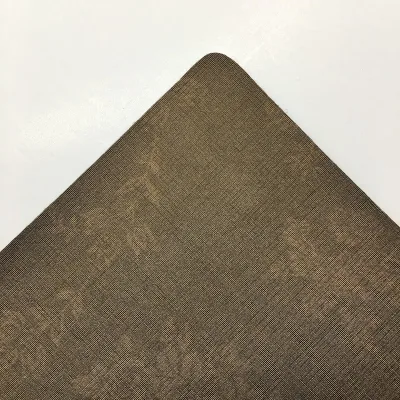
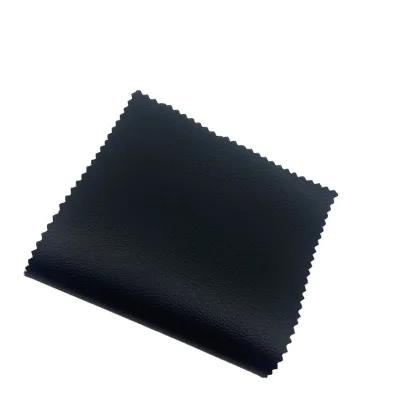


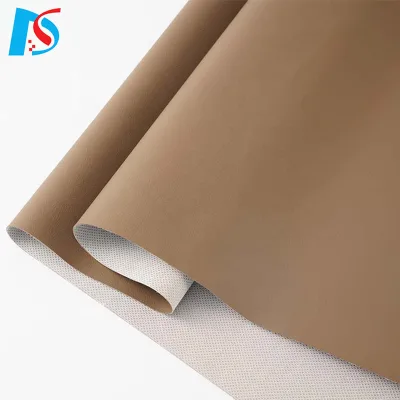
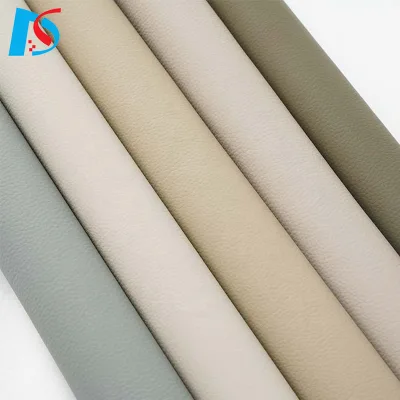
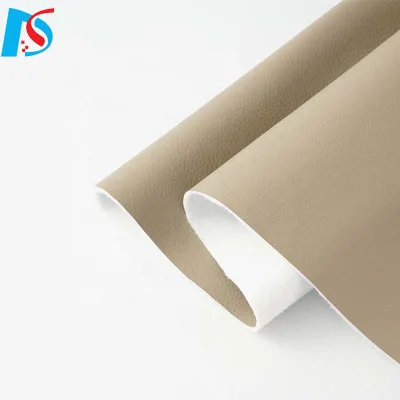

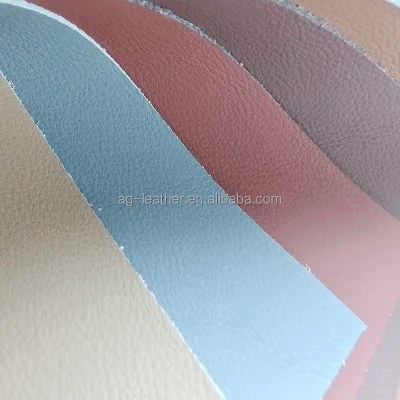

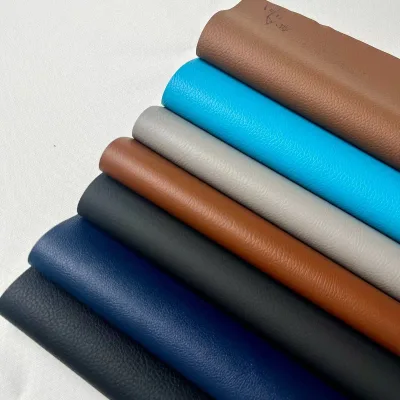
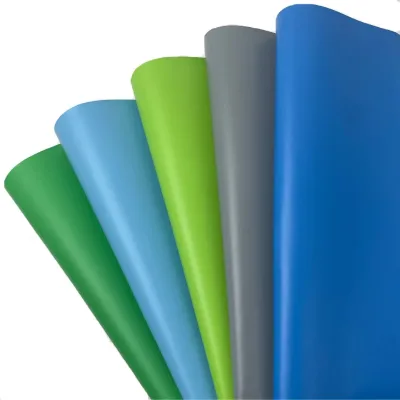
Comprehensive Sourcing Guide
Oil Effect PVC Synthetic Leather Sourcing Guide
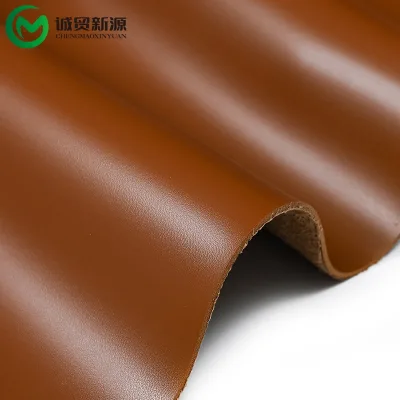
Sourcing Oil Effect PVC Synthetic Leather requires a disciplined approach to material verification and supplier qualification. This specialized material combines the durability of polyvinyl chloride with aesthetic finishes that mimic the depth and texture of genuine leather. Buyers must prioritize suppliers who can demonstrate consistent quality across large production runs, as the oil effect finish is sensitive to manufacturing variables. Understanding the specific technical parameters and commercial terms is essential for securing a reliable supply chain that meets both functional and aesthetic requirements.
The procurement process involves evaluating multiple dimensions, from raw material composition to final packaging standards. This guide provides a structured framework for assessing potential suppliers based on observed market data and technical specifications. By focusing on verifiable attributes such as thickness, width, and backing technology, buyers can mitigate risks associated with inconsistent product quality. The following sections detail the critical factors that influence sourcing decisions, ensuring that procurement teams can make informed choices that align with their operational needs and budget constraints.
Product Scope and Observed Listing Signals
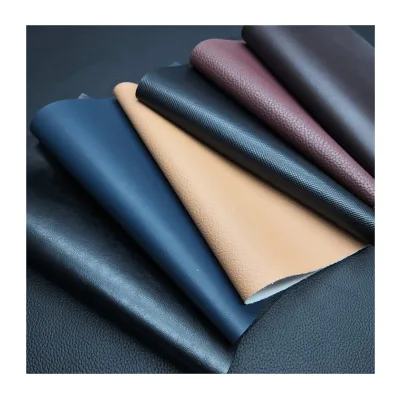
The observed market for PVC synthetic leather reveals a diverse range of applications, including car seats, footwear, bags, and home textiles. Listings indicate that these materials are often designed for decorative purposes, furniture upholstery, and automotive interiors. The versatility of the product is highlighted by its usage in items such as raincoats, gloves, and belts, suggesting a broad utility across different industries. Buyers should note that the material is frequently described with features like waterproofing, anti-mildew properties, and abrasion resistance, which are critical for long-term durability in high-use environments.
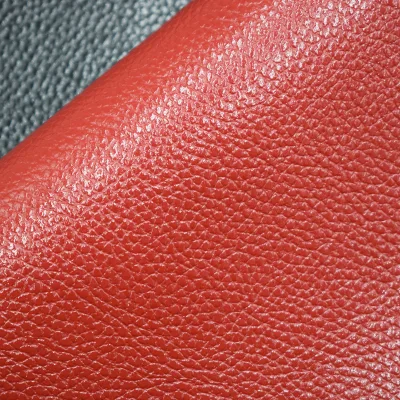
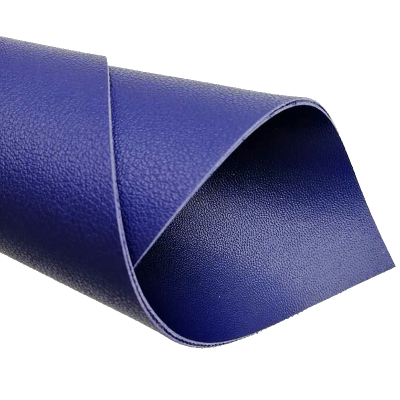
Observed listing signals also point to specific product models and standards that define the available inventory. For instance, models such as z092 and z014 are associated with distinct thickness and width specifications, ranging from 0.6mm to 1.3mm in thickness and widths between 47/48" and 60". The presence of embossed and printed patterns, along with customization options, indicates that suppliers offer tailored solutions for specific design requirements. Understanding these signals helps buyers identify products that match their exact technical needs, ensuring that the selected material aligns with their intended application and aesthetic goals.
Technical Specifications to Verify
Verifying technical specifications is paramount when sourcing PVC synthetic leather, as variations in thickness and width can significantly impact performance. Buyers should confirm the exact thickness range, which typically falls between 0.6mm and 1.3mm, depending on the intended use. Widths are commonly observed in standard rolls, such as 54/55" or 58/60", but custom widths may be available. It is crucial to ensure that the material meets the required dimensional tolerances to avoid waste during the cutting and sewing processes, which can affect overall production efficiency and cost.
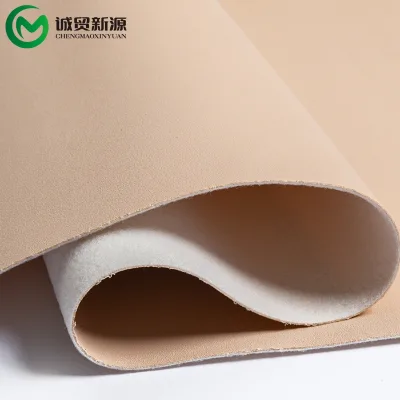
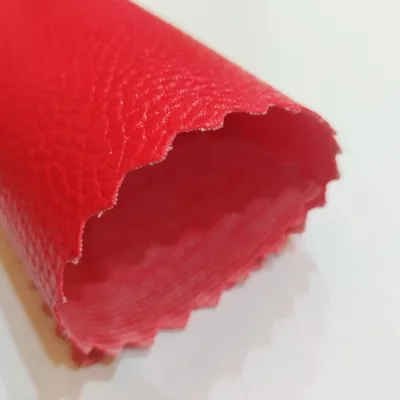
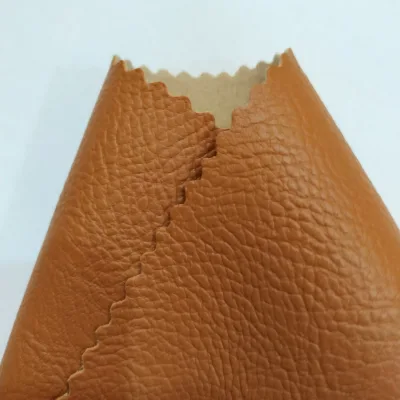
Backing technology and surface finish are other critical specifications that require careful verification. The backing can be woven, cotton, or knitting, each offering different levels of flexibility and strength. Surface finishes, such as embossed or printed designs, should be inspected for consistency and durability. Additionally, features like elasticity and softness are important for applications requiring comfort and drape, such as garments and upholstery. Buyers should request samples to physically assess these attributes, ensuring that the material performs as expected in real-world conditions before committing to large orders.
Compliance and Safety Documentation
Compliance with international standards is essential for ensuring the safety and quality of PVC synthetic leather products. Buyers should verify that suppliers adhere to recognized management systems, such as ISO9001, which indicates a commitment to quality control and continuous improvement. While specific chemical certifications are not explicitly detailed in the observed data, it is prudent to inquire about compliance with relevant environmental and safety regulations, particularly if the material is intended for use in automotive or children’s products. This due diligence helps mitigate risks associated with hazardous substances and ensures that the product meets regulatory requirements in target markets.
Documentation should also include details on testing procedures and quality assurance protocols. Buyers should ask for test reports that verify the material’s performance characteristics, such as abrasion resistance, waterproofing, and anti-mildew properties. These tests provide objective evidence of the material’s durability and suitability for specific applications. Additionally, suppliers should be able to provide certificates of conformity for any standards they claim to meet, ensuring that the product has been independently verified. This level of documentation is crucial for maintaining trust with end-users and avoiding potential legal or reputational issues.
Cost Drivers and Commercial Terms
Cost drivers for PVC synthetic leather include raw material prices, production complexity, and order volume. The observed price range of $0.56 to $14.8 per unit reflects variations in thickness, width, and finish quality. Buyers should consider the total cost of ownership, including shipping, tariffs, and potential waste, rather than focusing solely on the unit price. Minimum order quantities (MOQs) typically range from 10 to 6400 units, with lower MOQs often commanding higher per-unit costs. Understanding these dynamics allows buyers to negotiate better terms and optimize their inventory levels based on demand forecasts.
Commercial terms, such as payment methods and delivery times, also play a significant role in the sourcing process. Common payment terms include a 30% deposit with the balance upon receipt of the copy of the bill of lading, or T/T and T/C options. Delivery times can vary, with some suppliers offering shipment within 7 days for existing colors, while others may require 7-14 days for production. Buyers should clarify these terms upfront to avoid delays and ensure that the supply chain aligns with their production schedules. Flexibility in packaging and customization options can also impact costs, so it is important to balance these requirements with budget constraints.
Supplier Qualification and Quality Control
Supplier qualification is a critical step in ensuring the reliability and consistency of PVC synthetic leather supplies. Buyers should assess suppliers based on their production capabilities, quality control processes, and track record. Visiting manufacturing facilities or conducting virtual audits can provide valuable insights into the supplier’s operations and commitment to quality. It is also important to verify the supplier’s ability to meet specific technical requirements, such as thickness tolerances and surface finish consistency. Suppliers with a strong reputation for quality are more likely to deliver products that meet expectations, reducing the risk of defects and returns.
Quality control measures should be established throughout the production process, from raw material inspection to final product testing. Buyers should request detailed quality control plans that outline the steps taken to ensure product consistency and compliance with specifications. Regular sampling and testing during production can help identify and address issues early, preventing large-scale defects. Additionally, suppliers should have a robust system for handling customer complaints and resolving quality issues promptly. Establishing clear communication channels and expectations with suppliers is essential for maintaining a high standard of quality and fostering a long-term partnership.
Long-Term Procurement Checks
Long-term procurement checks involve continuous monitoring of supplier performance and market trends to ensure ongoing value and reliability. Buyers should regularly review supplier metrics, such as on-time delivery rates, defect rates, and responsiveness to issues. This data can help identify potential problems early and allow for proactive measures to address them. Additionally, staying informed about market trends, such as changes in raw material prices or new technological advancements, can help buyers make informed decisions about sourcing strategies. Regularly updating supplier qualifications and re-evaluating contracts ensures that the supply chain remains competitive and aligned with business goals.
Building a resilient supply chain also requires diversifying suppliers and maintaining strong relationships with key partners. Buyers should consider working with multiple suppliers to mitigate risks associated with single-source dependencies. Regular communication and collaboration with suppliers can lead to improvements in product quality and service levels. Furthermore, investing in supplier development programs can help enhance their capabilities and align their operations with the buyer’s standards. By focusing on long-term relationships and continuous improvement, buyers can secure a stable and reliable supply of PVC synthetic leather that supports their business objectives.
FAQs
What are the common applications for Oil Effect PVC Synthetic Leather?
It is widely used for car seats, shoes, bags, gloves, home textiles, and furniture. The material's versatility allows it to serve in decorative garments and upholstery. Its durability makes it suitable for high-wear items like raincoats and belts, providing a premium look for various consumer goods.
What thickness options are available for this PVC leather?
Available thicknesses range from 0.6mm to 1.3mm, with common options including 0.7mm, 0.8mm, and 1mm. Specific models support 0.7-0.9mm ranges. These variations allow buyers to select the appropriate weight and flexibility for their specific manufacturing needs, ensuring optimal performance for the end product.
Can I customize the color and design of the material?
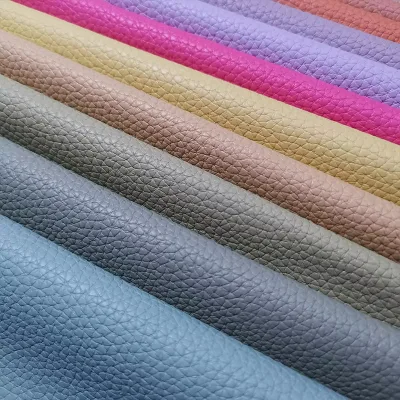
Yes, customization is available for both colors and designs. Buyers can choose any colors they need, including specific codes like 7505 or 5406. Design options include release paper designs or embossed patterns, allowing for tailored aesthetics that match specific brand requirements or market trends effectively.
What are the key features of this synthetic leather?
Key features include waterproof, anti-mildew, and abrasion-resistant properties. Some variants also offer elasticity and softness. These characteristics ensure longevity and ease of maintenance, making the material ideal for outdoor applications, automotive interiors, and household furniture where resistance to wear and environmental factors is essential for performance.
What is the typical lead time for delivery?
The delivery time is typically 7-14 days after payment confirmation. For existing colors, shipment may occur within 7 days of receiving payment. This relatively short lead time supports efficient supply chain management, allowing buyers to restock inventory quickly without significant delays in production schedules or order fulfillment.
What are the standard packaging details for this product?
Products are usually packed in 30-50 meters per roll, enclosed in two PVC bags or strong poly bags with a paper tube. Some items use PP or PVC film for individual protection. Custom packaging requirements can also be accommodated, ensuring safe transport and storage while meeting specific logistical preferences.