Source Olive Oil Press Machine for Beans, Soybean, and Seeds
Find 30 Olive Oil Press Machine listings with varying capacities and power ratings. Compare specifications like screw diameter, daily output, and residual oil rates to select the right equipment for beans, soybean, or seed processing.
Key considerations
Products List


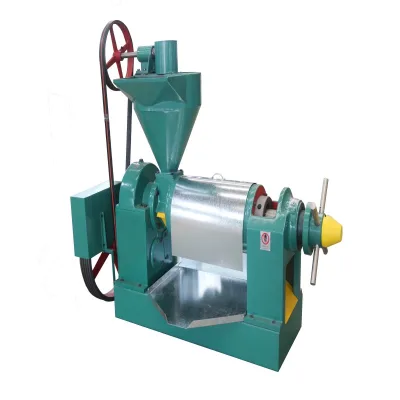


Peanuts Cold Hydraulic Oil Press Machine Olive Hydraulic Oil Press Machine
$1000.00 - $8000.00
MOQ: 1 Pieces

Comprehensive Sourcing Guide
Strategic Sourcing Guide for Olive Oil Press Machines
Procuring industrial-grade olive oil press machinery requires a rigorous approach that balances technical performance with supply chain reliability. The market for oil extraction equipment is diverse, ranging from compact vertical units suitable for small-batch artisanal production to massive horizontal systems designed for high-volume commercial processing. Buyers must navigate a landscape where specifications vary significantly based on the intended application, the type of oilseed being processed, and the desired output capacity. This guide outlines the critical factors for evaluating potential suppliers and selecting equipment that aligns with operational goals, ensuring that procurement decisions are grounded in verifiable data rather than marketing assertions.
Technical Architecture and Configuration
The physical configuration of an oil press machine is the primary determinant of its suitability for a specific production line. In the current market, two distinct structural orientations dominate: vertical and horizontal designs. Vertical units often feature a compact footprint, making them ideal for facilities with limited floor space or those requiring a modular setup. These machines typically operate with a spiral screw mechanism that forces the oilseed through a press cage. Conversely, horizontal configurations are generally associated with larger throughput capabilities and are often preferred for continuous industrial processing.
Power requirements are equally critical and vary widely depending on the machine's scale. Smaller units may operate on standard single-phase or low-power three-phase inputs, such as 0.75kw or 15kw motors, while high-capacity industrial presses can require substantial power inputs, including configurations with multiple motors totaling 37kw, 5.5kw, and 3.0kw in combination. The voltage supply is a fundamental compatibility check; most heavy-duty industrial models in the global market operate on 380V three-phase systems. Buyers must verify that their facility's electrical infrastructure can support the specific voltage and amperage requirements of the selected unit before finalizing a purchase.
Performance Metrics and Capacity Analysis
Capacity is the most frequently cited metric in oil press procurement, yet it is often presented in varying units that can lead to confusion. Buyers must distinguish between hourly rates and daily throughput. Some specifications list capacity in kilograms per hour, with observed ranges spanning from 16-20kg/h for smaller units up to 400-500kg/h for mid-range industrial models. For large-scale operations, daily capacity is the more relevant metric, with some systems claiming daily outputs between 7-10 tons and others reaching 40-50 tons per day.
The efficiency of the extraction process is measured by the residual oil rate in the dry cake. A lower residual oil rate indicates higher extraction efficiency, meaning more oil is recovered from the raw material. Market data shows a wide variance in this metric, with some units achieving a residual oil rate of 5-7%, while others may operate in the 14-18% range. This difference significantly impacts the overall yield and profitability of the operation. Additionally, the physical dimensions of the press components, such as the screw diameter and oil cake diameter, dictate the pressure and flow dynamics within the machine. Observed screw diameters range from 117mm to 127mm, while oil cake diameters can be as small as 195mm. These physical constraints must be matched to the size and hardness of the raw material being processed.
Material Composition and Build Quality
The longevity and food safety compliance of an oil press machine are directly tied to the materials used in its construction. The industry standard for food-grade equipment is the use of stainless steel, which provides resistance to corrosion and prevents contamination of the oil product. Buyers should verify that the contact parts of the machine, including the screw, cage, and hopper, are constructed from food-grade stainless steel. The overall weight of the machine is also an indicator of build quality; heavier units, such as those weighing 4000kg or 6650kg, often suggest a more robust frame capable of withstanding the high pressures generated during the pressing process.
Packaging and shipping standards are equally important for protecting the investment during transit. High-quality suppliers typically utilize fumigation-free wooden cases for smaller units to meet international phytosanitary regulations, while larger industrial systems may be shipped in standard wooden cases. The dimensions of the machine itself, often listed as standard specifications like 225019501900mm or 295415113393mm, must be considered when planning warehouse layout and loading dock requirements.
Application Versatility and Raw Material Compatibility
While the core keyword is olive oil, the machinery available in the market is often designed for multi-purpose use. Many spiral oil presses are marketed for their ability to process a wide variety of oilseeds, including beans, soybeans, and other oil-rich crops. The "Press Series" designation, which can range from First to Fourth, often indicates the stage of processing or the specific design iteration, but it does not necessarily guarantee suitability for olive oil without further verification. Buyers must confirm that the machine's pressure settings and screw geometry are optimized for the specific hardness and oil content of olives, as opposed to softer seeds like beans or soybeans.
The application scope also extends to the type of oil produced. Some machines are designed for cold pressing to preserve nutritional value, while others are optimized for hot pressing to maximize yield. The energy source is another consideration; while electric power is the standard, the specific configuration of the motor system (e.g., single motor vs. multi-motor setups) affects the control over temperature and pressure during the extraction process.
Supplier Evaluation and Compliance Verification
When evaluating potential suppliers, buyers must look beyond the listed product specifications and assess the supplier's ability to provide comprehensive support. The origin of the machinery is a key factor; major manufacturing hubs in China, such as Henan and Hebei provinces, are known for producing a wide range of oil press equipment. However, the location of the factory does not automatically guarantee quality. Buyers should verify the supplier's track record, including their experience with international exports and their ability to handle logistics for heavy machinery.
Compliance and certification checks are essential to ensure the machine meets local safety and food safety standards. While specific certification names should not be assumed, buyers must request documentation proving that the machine adheres to relevant electrical safety standards and food contact material regulations. The condition of the equipment is another critical factor; most suppliers list their products as "New," but buyers should clarify whether the machine is factory-fresh or refurbished. Customization options are also a significant differentiator; suppliers that offer customized solutions can tailor the machine to specific production needs, such as adjusting the capacity or modifying the electrical configuration.
Cost Drivers and Procurement Considerations
The price of an oil press machine is influenced by a complex array of factors, including capacity, power rating, material quality, and customization level. The observed price range in the market is extensive, spanning from 100 USD for basic components or smaller units to 200,000 USD for fully integrated industrial lines. This wide variance underscores the importance of defining clear requirements before requesting quotes. The Minimum Order Quantity (MOQ) is another variable, with ranges observed from 1 unit to 200 units, depending on the supplier's production model.
Lead times and shipping logistics are often overlooked but can significantly impact the total cost of ownership. Large machines with dimensions exceeding 3 meters in length and weights over 4 tons require specialized shipping arrangements. Buyers should inquire about the packaging standards, such as the use of fumigation-free wooden cases, to avoid delays at customs. Additionally, the availability of spare parts and the technical support infrastructure provided by the supplier are crucial for long-term operational continuity. A machine with a high initial cost may offer better long-term value if it includes comprehensive warranty coverage and a robust supply chain for replacement parts.
Quality Control and Long-Term Maintenance
Implementing a rigorous quality control protocol is essential before accepting delivery of an oil press machine. Buyers should verify that the machine has undergone functional testing to ensure that the screw rotation, pressure generation, and oil discharge mechanisms operate as specified. The residual oil rate and daily capacity claims should be validated through independent testing or third-party verification if possible. Regular maintenance is also a key consideration; the wear and tear on the screw and cage are inevitable, and the availability of these components from the supplier is critical.
Long-term procurement considerations include the scalability of the equipment. As production demands grow, the ability to upgrade or expand the current system can save significant capital expenditure. Buyers should also consider the energy efficiency of the machine, as power consumption can represent a substantial portion of operating costs over the lifespan of the equipment. By focusing on these technical and operational factors, buyers can make informed decisions that ensure their Olive Oil Press Machine delivers consistent performance and meets the rigorous demands of modern food production.
FAQs
What is the typical capacity range for olive oil press machines?
Capacity ranges from 16-20kg/h for small units up to 400-500kg/h for industrial models. Some large systems offer daily outputs between 7-10 tons or 40-50 tons depending on the configuration.
Which power ratings are available for these oil press machines?
Available power ratings include 0.75kw, 15kw, 18.5kw, and multi-motor setups totaling 37+5.5+3.0kw. Most heavy-duty industrial models operate on a 380V three-phase voltage supply.
How does the residual oil rate affect extraction efficiency?
Lower residual oil rates indicate higher efficiency, with some units achieving 5-7% while others operate at 14-18%. This metric directly impacts the total oil yield and overall profitability of the operation.
What materials are used to construct the press components?
Contact parts are typically made from food grade stainless steel to ensure corrosion resistance and food safety. Heavier units weighing up to 6650kg often suggest a more robust frame for high-pressure processing.
Can these machines be customized for specific production needs?
Yes, customization is available for various production requirements including capacity adjustments and electrical configurations. Buyers should verify that the screw geometry is optimized for the specific hardness of olives.
What packaging standards are used for shipping these machines?
Smaller units are often shipped in fumigation-free wooden cases to meet international regulations. Larger industrial systems may be packaged in standard wooden cases with dimensions exceeding three meters in length.