Source Oral Strips for Weight Loss, Beauty, and Immune Support
Explore 30 verified Oral Strips suppliers offering OEM/ODM services for weight loss, beauty, and immune support. Compare certifications, packaging, and customization options for adult dietary needs.
Key considerations
Products List






Comprehensive Sourcing Guide
Strategic Sourcing Guide for Oral Strip Procurement
The global market for Oral Strips has expanded rapidly as manufacturers seek to deliver active ingredients in formats that bypass traditional swallowing mechanisms. For B2B buyers, navigating this sector requires a disciplined approach that distinguishes between observed product attributes and verified performance claims. The current landscape features a diverse array of offerings, from vitamin delivery systems to functional weight management solutions. This guide synthesizes available market data to provide a framework for evaluating suppliers, ensuring compliance, and managing the total cost of ownership for oral strip products.
Technical Specifications and Product Formulation
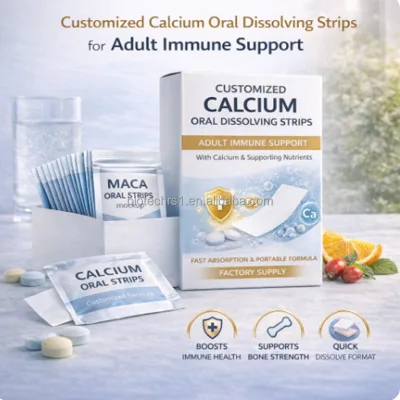
Understanding the technical architecture of Oral Strips is the first step in defining procurement requirements. Unlike traditional tablets or capsules, Oral Strips rely on a specific matrix of soluble polymers and active ingredients to dissolve rapidly on the tongue. The supplied data indicates that the standard dosage form for these products is explicitly "Oral Strips," often packaged in units of 30 strips per box. This standardization suggests a mature manufacturing process for the base film technology.
Buyers must scrutinize the "prod_model" and formulation details, as these vary significantly by intended function. For instance, one observed product line, designated as "M-Vit Oral Strips," utilizes Vitamin as the main ingredient, with a specific dosage recommendation of 1 to 2 strips per day. In contrast, functional strips targeting weight management, such as "Detox Weight Loss Oral Strips," list Apple Cider Vinegar as the primary active component. Another variation, the "Butt Booster Oral Strips," lists Fenugreek or customized ingredients as the main component.
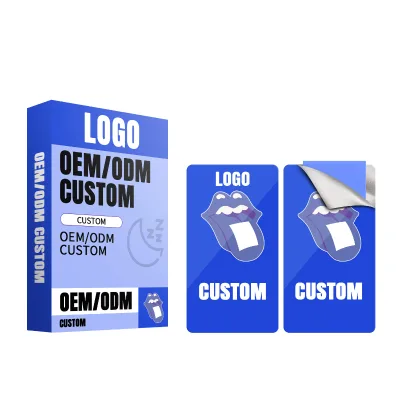
The physical specifications are equally critical. The "prod_standard" for many listings is defined as 30 strips per box, while packaging dimensions can vary, with some single package sizes recorded at 35x35x35 cm for bulk shipping. The "prod_packing" is typically described as "Carton" or "Box," though some suppliers offer "Bottle" packaging options. A key technical variable is the "Customization" availability, which allows buyers to specify "Natural Flavor or Customized" profiles. This flexibility is essential for brands seeking to differentiate their products through unique taste profiles or specific ingredient blends.
Compliance, Certification, and Regulatory Verification
In the health and wellness sector, compliance is not merely a formality but a prerequisite for market entry. The observed product data highlights a consistent cluster of certifications: QS, HACCP, GMP, and ISO. These certifications appear across multiple product listings, including those for vitamins and detox products. The presence of "GMP HACCP ISO QS" as a combined certificate attribute suggests that suppliers are adhering to Good Manufacturing Practices, Hazard Analysis and Critical Control Points, and quality management standards.
However, buyers must treat these certifications as observations of specific listings rather than universal guarantees for every product in the category. The data also notes a "Low-Fat" and "Sugar-Free" feature for certain items, alongside "Organic" claims for others. It is vital to verify that these claims are backed by current documentation, as the "Not Applicable People" attribute explicitly excludes pregnant women, newborns, and children for specific formulations. This exclusion implies that the product formulations contain ingredients or dosages that require careful regulatory vetting before marketing to general populations.
Furthermore, the "prod_origin" is frequently listed as Guangzhou, China, or generally as China. While this provides a geographic baseline, it does not guarantee adherence to specific regional safety standards without further verification. Buyers should request current copies of the QS, HACCP, GMP, and ISO certificates for the specific manufacturing facility, ensuring they are valid and not expired. The "Storage Method" is consistently noted as "Store in a Cool Dry Place" with a "Moisture Proof" requirement, indicating that the film technology is hygroscopic and requires strict supply chain control to maintain integrity.
Cost Drivers and Pricing Dynamics
The pricing structure for Oral Strips is influenced by a complex interplay of factors, including customization levels, certification status, and order volume. The observed listed price range in the market spans from $0.03 to $30.43 USD. This wide variance indicates that the unit cost is highly dependent on the specific product configuration. The lower end of the spectrum likely corresponds to standard, non-customized formulations with high minimum order quantities (MOQ), while the upper end reflects premium ingredients, private labeling services, or smaller batch sizes.
The MOQ range is equally expansive, observed from 1 to 500,000 units. This flexibility allows buyers to scale from small test batches to massive production runs. However, the "Service" attribute explicitly mentions "OEM ODM Private Label Service," which often incurs additional costs for mold creation, label design, and formulation adjustments. Buyers should anticipate that the "Customization" of flavors, logos, and packaging will drive the unit price upward.
Additionally, the "Shelf-Life" is a critical cost driver. Products are listed with shelf lives ranging from 18 to 24 months. Longer shelf-life formulations may require more expensive stabilizers or higher-grade packaging materials to ensure the "Moisture Proof" integrity over time. The "Main Ingredient" also plays a role; organic or specialized ingredients like Apple Cider Vinegar or Fenugreek may command a higher price point compared to standard vitamin blends.
Typical Applications and Market Segmentation
Oral Strips are being deployed across a diverse range of applications, moving beyond simple vitamin delivery into functional wellness. The data reveals three primary application segments: nutritional supplementation, weight management, and targeted body aesthetics.
The nutritional segment is represented by products like "M-Vit Oral Strips," which focus on Vitamin delivery for adults. These products are positioned as convenient, sugar-free alternatives to traditional supplements. The weight management segment includes "Detox Cleanse Strip" and "Detox Weight Loss Oral Strips," which utilize ingredients like Apple Cider Vinegar to support weight loss goals. These products often target a female demographic and emphasize features like "Low-Fat" and "Organic" status.
A third, emerging segment focuses on specific body aesthetics, such as the "Butt Booster Oral Strips." These products list "Immune Support" and "Beauty Products" as main functions, with effectiveness claims ranging from antioxidant properties to improved eyesight. This segment highlights the versatility of the oral strip format, which can be tailored to deliver a wide array of active ingredients. The "Gender" attribute varies, with some products marked as "Unisex" and others specifically for "Female" users, indicating that marketing strategies must be tailored to the specific application.
Supplier Evaluation and Manufacturing Capabilities
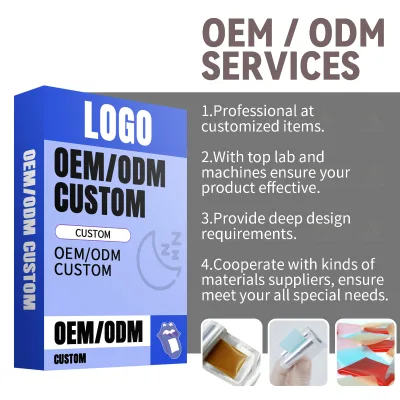
When evaluating potential suppliers, buyers must look beyond the basic product listing and assess the depth of the manufacturing capability. The "prod_model" often includes "OEM/ODM" designations, signaling that the supplier has the infrastructure to handle private label requests. The presence of "Logo Printing" as a standard feature suggests that the supplier has the necessary equipment for high-quality branding on the packaging or the strips themselves.
A critical evaluation point is the "Service" capability. Suppliers offering "OEM ODM Private Label Service" should be able to demonstrate a track record of handling custom formulations. The "Flavor" customization option, ranging from "Natural Flavor" to fully "Customized," requires a robust R&D department to ensure taste consistency and ingredient stability. Buyers should verify the supplier's ability to handle the "Single package size" and "prod_packing" requirements, ensuring they can meet specific carton or bottle specifications.
Geographic location is another factor. With origins listed in Guangzhou and Guangdong, China, buyers should consider the logistics of shipping from these hubs. The "Place of Origin" being consistently within China suggests a mature supply chain for these specific manufacturing processes, but it also necessitates rigorous quality control to ensure consistency across different batches.
Quality Control and Long-Term Procurement Strategy
Maintaining product quality over the long term requires a proactive approach to quality control. The "Storage Note" of "Moisture Proof" and the requirement to store in a "Cool Dry Place" indicate that the product is sensitive to environmental conditions. Procurement contracts should explicitly define the packaging standards to ensure that the "Carton" or "Box" packaging provides adequate protection during transit and storage.
Buyers should establish a clear quality assurance protocol that includes regular testing for the "Main Ingredient" concentration and the "Shelf-Life" integrity. The observed shelf lives of 18 to 24 months should be validated through stability testing. Additionally, the "Certification" status should be re-verified periodically, as regulatory requirements can change. The "Not Applicable People" warning must be clearly communicated in all marketing materials to avoid liability issues.
Long-term procurement strategies should also account for the "Feature" variations, such as "Low-Fat" or "Organic" claims. These attributes may require specific supply chain audits to verify the source of raw materials. The "Dose" consistency, whether 1-2 strips per day or 1 piece each time, must be strictly controlled to ensure consumer safety and efficacy. By focusing on these technical and compliance details, buyers can build a resilient supply chain that delivers high-quality oral strip products to the market.
Comparative Analysis of Product Attributes
To assist in decision-making, the following table summarizes the key attributes observed across the different product categories. This comparison highlights the variability in formulation, target audience, and functional claims.
| Attribute | M-Vit Oral Strips | Detox Weight Loss Strip | Butt Booster Oral Strips |
|---|---|---|---|
| Main Ingredient | Vitamin | Apple Cider Vinegar | Fenugreek (or Customized) |
| Primary Function | Cosmetology / Nutrition | Reduce Weight | Immune Support / Beauty |
| Target Gender | Unisex | Female | Unisex |
| Shelf Life | 24 Months | 18 Months | Not Specified |
| Key Features | Low-Fat, Sugar-Free | Low-Fat, Organic | Antioxidant, Immunity |
| Packaging | Bottle, Box | Bottle or Customized | Carton |
| Certifications | QS, HACCP, GMP, ISO | HACCP, GMP, ISO | GMP, HACCP, ISO, QS |
| Dose | 1-2 Strips Per Day | Not Specified | 1 Piece Each Time |
This table underscores the importance of matching the specific product attributes to the buyer's brand strategy. While the core technology remains consistent, the application of that technology varies significantly based on the intended health benefit and target demographic. Buyers should use this comparative framework to align their procurement choices with their specific market positioning and regulatory requirements.
FAQs
What certifications do oral strip manufacturers typically hold?
Most listed oral strip products hold QS, HACCP, GMP, and ISO certifications. Buyers should verify that these specific certificates are valid for the manufacturing facility before placing orders.
How are Oral Strips packaged for bulk shipping?
Products are commonly packed in boxes containing 30 strips per unit, with outer cartons used for shipping. Some suppliers also offer bottle packaging options for specific product lines.
Can buyers customize the flavor and logo on Oral Strips?
Yes, customization is available for natural flavors or fully customized profiles along with logo printing. This service often requires OEM or ODM agreements with the manufacturer.
What is the typical shelf life for vitamin Oral Strips?
Vitamin-based Oral Strips generally have a shelf life of 24 months when stored correctly. Detox and weight loss variants may have a shorter shelf life of 18 months.
Where are these oral strip products primarily manufactured?
The majority of these products originate from Guangzhou and Guangdong in China. Buyers should confirm the specific place of origin for each supplier to ensure logistics planning.
Which ingredients are commonly used in weight loss Oral Strips?
Apple Cider Vinegar is a primary ingredient for weight loss strips, while Fenugreek is used for other functional variants. Some products allow for customized ingredient blends.
What is the minimum order quantity for oral strip production?
The minimum order quantity ranges from 1 unit up to 500,000 units depending on the supplier and customization level. Lower MOQs are often available for standard formulations.