Source Organic Chemistry Stencil Drawing Template for School, Lab, Office
Compare 30 Organic Chemistry Stencil Drawing Template options from verified Chinese suppliers. These plastic drawing stencils support educational, office, and promotional uses with customizable sizes and eco-friendly features.
Key considerations
Products List


Comprehensive Sourcing Guide
Organic Chemistry Stencil Drawing Template Sourcing Guide
Sourcing specialized educational tools like organic chemistry stencils requires a careful balance between technical accuracy and commercial viability. These templates serve as essential aids in teaching molecular structures, allowing students and professionals to draw complex chemical bonds with precision. The procurement process involves identifying suppliers who can provide durable, accurate, and compliant products that meet the rigorous demands of educational and laboratory environments. Buyers must navigate a market where product attributes vary significantly, from material composition to certification standards, ensuring that the selected items align with both pedagogical goals and safety regulations.
This guide provides a structured approach to evaluating suppliers and products in this niche category. By focusing on verified specifications, compliance documentation, and commercial terms, buyers can mitigate risks associated with low-quality imports or non-compliant materials. The following sections detail the critical factors to consider, including product scope, technical verification, safety standards, cost analysis, supplier qualification, and long-term procurement strategies. Each section is designed to help procurement professionals make informed decisions that support educational institutions, publishing houses, or corporate training programs.
Product Scope and Observed Listing Signals
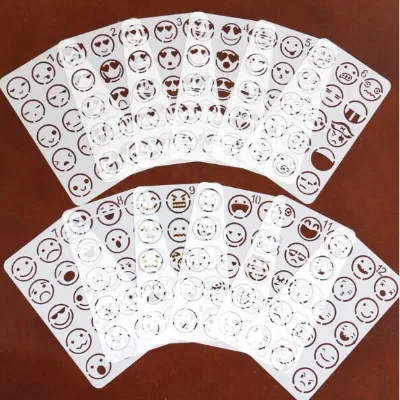
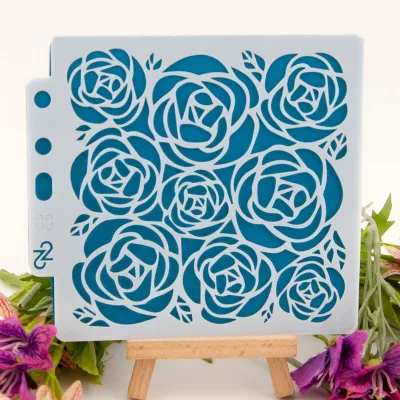
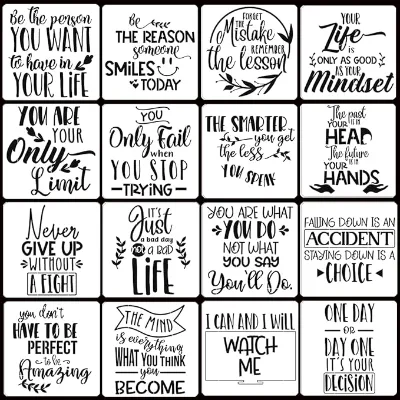
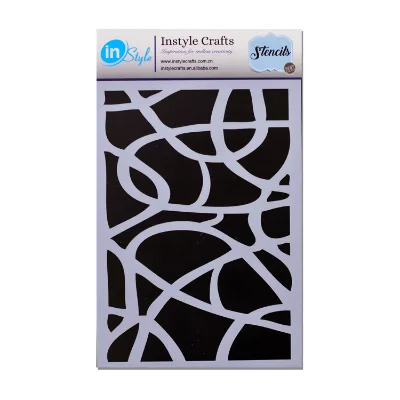
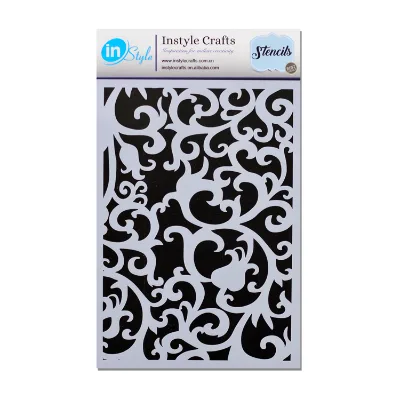
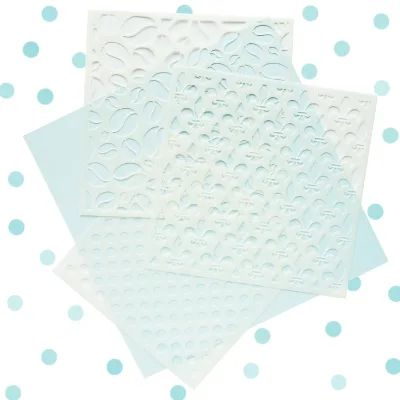
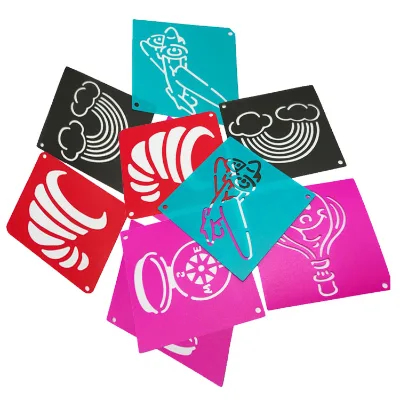
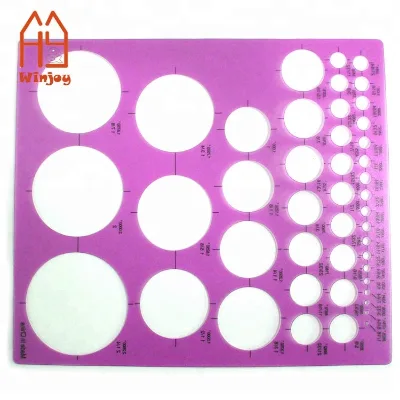
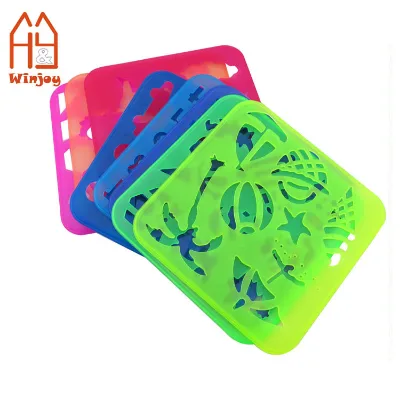
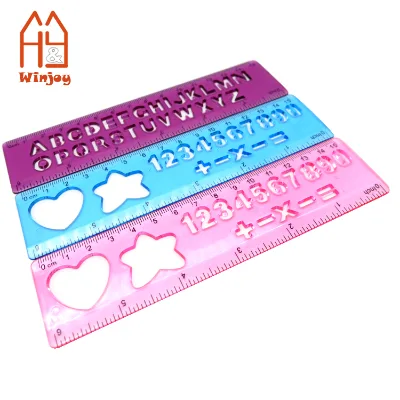
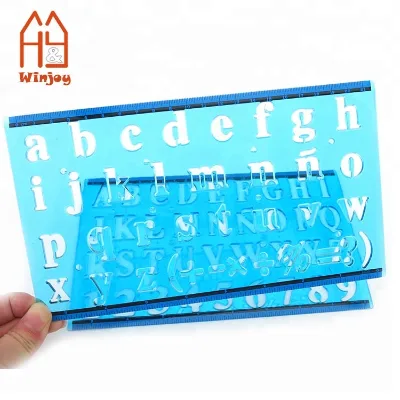
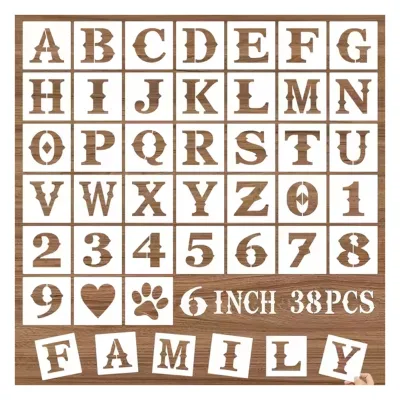
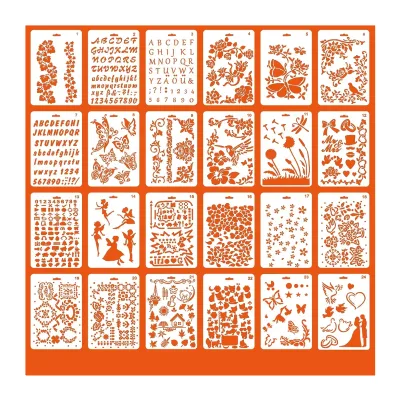
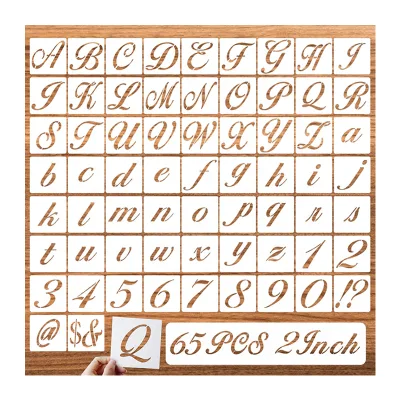
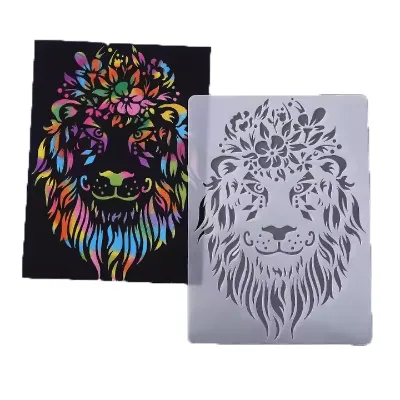
The market for organic chemistry stencils encompasses a variety of products designed for different user groups, including students, educators, and professionals. Observed listings indicate a wide range of applications, from kindergarten educational toys to office supplies and promotional gifts. The core keyword suggests a focus on chemical structures, but the actual product data reveals a broader category that includes general drawing stencils, template rulers, and painting mediums. Buyers should recognize that while the primary intent is educational, the physical products may be marketed under generic terms such as "drawing template" or "student ruler," requiring careful scrutiny of product descriptions to ensure they meet specific chemistry-related needs.
Material composition is a critical differentiator in this category, with plastic being the predominant material observed in listings. Specific types of plastic, such as PET (Polyethylene Terephthalate), are noted for their durability and clarity, which are essential for precise drawing. The observed price range of $0.03 to $5.04 USD reflects significant variation in quality, complexity, and packaging. Lower-priced items may be simple, single-use stencils, while higher-priced options likely feature more intricate designs, better materials, or specialized packaging such as gift boxes or export-standard cartons. Buyers must align their budget with the intended use case, whether it is for bulk classroom distribution or high-quality professional reference tools.
Technical Specifications to Verify
Verifying technical specifications is paramount to ensuring the stencils meet the precise requirements of organic chemistry education. Key attributes to verify include the model number, standard size, and customization options. Listings show various model numbers such as A01, D-7, D-2, S-01, D-5, B-18, S4, and FM19112887, indicating a diverse product portfolio. Buyers should confirm that the selected model includes the specific molecular structures required for their curriculum, such as benzene rings, functional groups, or complex hydrocarbon chains. The standard size is often cited as 20-30CM, but customization is available, allowing for tailored dimensions that fit specific teaching aids or workbook layouts.
Packaging and physical attributes also play a significant role in the usability and longevity of the product. Observed packaging options range from simple OPP bags to paper boxes and export-standard cartons, with single package sizes like 10X18X1 cm and gross weights of 0.250 kg. These details are crucial for logistics planning and storage. Additionally, the condition of the product is typically listed as "New," and features such as being eco-friendly or non-disposable should be verified to ensure sustainability goals are met. Buyers should request samples to assess the clarity of the cutouts, the rigidity of the plastic, and the accuracy of the printed or etched chemical structures, as these factors directly impact the user experience.
Compliance and Safety Documentation
Compliance with international safety standards is non-negotiable for educational products, especially those intended for use by children. The observed certifications include CE, RoHS, ISO, ASTM F963-96a, and EN71, which are critical for market access and consumer safety. CE marking indicates conformity with health, safety, and environmental protection standards for products sold within the European Economic Area. RoHS compliance ensures that the plastic materials used do not contain hazardous substances like lead, mercury, or cadmium, which is particularly important for products that may come into contact with students. ISO certification suggests adherence to quality management systems, providing assurance of consistent manufacturing processes.
ASTM F963-96a and EN71 are specific to toy safety and consumer product safety, respectively, and are highly relevant if the stencils are marketed as educational toys for younger audiences. Buyers must verify that the supplier can provide valid certificates for these standards, as counterfeit or outdated documentation is a common risk in international trade. The origin of the products, primarily from Zhejiang, China, is a known manufacturing hub for such items, but it also necessitates rigorous due diligence to ensure that the certifications are genuine and up-to-date. Procurement teams should request copies of the certificates and verify their validity with the issuing bodies before placing large orders.
Cost Drivers and Commercial Terms
Understanding the cost drivers and commercial terms is essential for effective budgeting and negotiation. The observed MOQ (Minimum Order Quantity) ranges from 20 to 5000 units, offering flexibility for both small-scale purchases and large institutional contracts. Lower MOQs may come with higher per-unit costs, while bulk orders can leverage economies of scale to reduce prices. The price range of $0.03 to $5.04 USD is influenced by factors such as material quality, design complexity, customization options, and packaging. Buyers should analyze the total cost of ownership, including shipping, tariffs, and potential returns, rather than focusing solely on the unit price.
Customization is a significant value-add that can impact cost and lead time. Available customization options allow for tailored designs, branding, or specific chemical structures, which may incur additional setup fees or longer production times. The condition of the product is listed as "New," and features like being eco-friendly may also affect pricing due to the use of sustainable materials or processes. Buyers should negotiate clear terms regarding payment methods, delivery schedules, and warranty policies. It is advisable to establish a trial order to test the supplier's reliability and product quality before committing to larger volumes, ensuring that the commercial terms align with the organization's procurement policies.
Supplier Qualification and Quality Control
Supplier qualification is a critical step in mitigating supply chain risks. Buyers should conduct thorough due diligence on potential suppliers, verifying their business licenses, manufacturing capabilities, and quality control processes. The observed brand names, such as FM, and model numbers like FM19112887, indicate that some suppliers have established product lines, which can be a positive sign of reliability. However, buyers should not rely solely on brand reputation; instead, they should assess the supplier's ability to meet specific requirements, such as certification compliance, material quality, and delivery consistency.
Quality control measures should be integrated into the procurement process to ensure that the products meet the agreed-upon standards. This includes pre-production samples, in-process inspections, and final random inspections before shipment. Buyers should define clear acceptance criteria for product attributes such as material thickness, cutout accuracy, and packaging integrity. Regular communication with the supplier is essential to address any issues promptly and to maintain a collaborative relationship. Implementing a robust quality control plan helps to minimize defects, reduce returns, and ensure that the stencils perform as expected in educational settings.
Long-Term Procurement Checks
Long-term procurement success depends on continuous monitoring and evaluation of supplier performance and product quality. Buyers should establish key performance indicators (KPIs) to track metrics such as on-time delivery, defect rates, and customer satisfaction. Regular audits and feedback loops with end-users, such as teachers and students, can provide valuable insights into the usability and durability of the stencils. This feedback should be used to refine specifications and negotiate improvements with suppliers, ensuring that the products evolve to meet changing educational needs.
Sustainability and regulatory changes are also important considerations for long-term procurement. Buyers should stay informed about updates to safety standards, environmental regulations, and industry best practices. Proactively engaging with suppliers on sustainability initiatives, such as the use of eco-friendly materials or recyclable packaging, can enhance the organization's corporate social responsibility profile. By maintaining a strategic approach to supplier management and product evaluation, buyers can ensure a steady supply of high-quality organic chemistry stencils that support effective learning and compliance with global standards.
FAQs
What certifications do these plastic stencils have?
These plastic stencils hold CE, RoHS, ISO, ASTM F963-96a, and EN71 certifications. They are suitable for educational toys and student use, ensuring safety for kindergarten and general school supplies while meeting international standards for plastic materials.
Can I request custom sizes for these drawing templates?
Yes, customization is available for these drawing templates with standard sizes ranging from 20 to 30 cm. You can also request custom sizes as per your specific requirements, allowing for tailored solutions for office, school, or promotional gift applications.
What is the minimum order quantity for these stencils?
The minimum order quantity ranges from 20 to 5000 units depending on the specific product model and customization needs. Buyers should check individual listings for exact MOQ values to ensure they meet the supplier's purchasing thresholds for plastic drawing stencils.
How are these educational toys packaged for export?
Packaging options include gift boxes, export standard cartons, paper boxes, and OPP bags for stencils. The single package size is typically 10x18x1 cm with a gross weight of 0.250 kg, ensuring safe transport for office supplies and promotional gifts.
Which materials are used to make these drawing rulers?
These drawing rulers are made from plastic, specifically PET plastic type. They are designed as new, non-disposable items suitable for learning and painting mediums, offering durability for students and office use while maintaining an eco-friendly feature profile.
Where are these plastic stencils manufactured?
These plastic stencils originate from China, specifically from the Zhejiang region. The products are manufactured by suppliers offering various models like A01, D-7, and FM19112887, ensuring a reliable supply chain for global buyers seeking educational toys and office supplies.