Source organic caffeine l-theanine softgels for focus energy sleep
Find 30 verified listings for organic caffeine l-theanine softgels with features like stress relief and metabolism support. Buyers can compare specifications, certifications, and pricing from manufacturers in China offering OEM services.
Key considerations
Products List


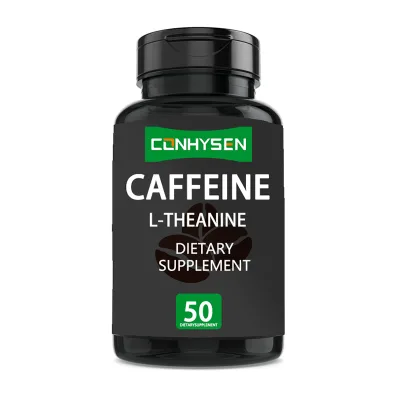


Excellent Quality Melatonin Softgels for Relaxation and Sleep OEM Label
$1.60 - $3.50
MOQ: 5000 Bottle


Comprehensive Sourcing Guide
Strategic Sourcing Guide for Organic Caffeine L-Theanine Softgels
The global demand for nootropic supplements that balance stimulation with calm focus has driven significant interest in organic caffeine L-theanine softgels. For B2B procurement professionals, sourcing this specific category requires a nuanced understanding of formulation science, regulatory compliance, and supply chain reliability. Unlike generic energy supplements, these products rely on a precise synergy between caffeine and L-theanine to deliver "relaxed focus" without the jitters often associated with high-caffeine intake. This guide outlines the critical technical, compliance, and operational factors buyers must evaluate when establishing a supply chain for these specialized health food items.
Technical Specifications and Formulation Standards
The foundation of a successful procurement strategy lies in verifying the technical specifications of the softgel product. Based on available industry data, the standard dosage form for these supplements is the softgel capsule, often designed with a specific weight standard of 1.0g per capsule. This 1g/capsule specification is a critical benchmark for manufacturers, ensuring consistent delivery of active ingredients. The physical shape of the capsule is typically customizable, allowing brands to differentiate their products through unique geometries, though the standard soft capsule form remains the industry norm for bioavailability.
The active ingredient profile is paramount. High-quality formulations often list the content of active substances at levels exceeding 30%, with some premium variants targeting over 50% active content depending on the specific extract purity. The core nutrient composition must explicitly include L-Theanine, often paired with organic caffeine to achieve the desired efficacy of enhanced focus and energy provision. Some formulations may also incorporate secondary ingredients like Beta-Carotene for antioxidant support or Green Coffee Bean Extract for metabolism assistance, but the primary value proposition remains the caffeine-L-theanine ratio.
Packaging specifications are equally vital for preserving product integrity. The standard packaging material typically involves a multi-layer approach: a PE bag combined with a food-grade aluminum foil bag and a foam box. This combination is essential for maintaining the "mildew proof" characteristics required for long-term storage. The outer carton serves as the primary shipping unit, while the internal foil barrier protects the softgels from moisture and light, which can degrade the organic compounds. Buyers should verify that the single package size aligns with logistics requirements, noting that standard dimensions often hover around 20x20x10 cm for sample or small batch units.
Regulatory Compliance and Certification Verification
In the B2B supplement market, certification is not merely a marketing asset but a prerequisite for market access. When sourcing organic caffeine L-theanine softgels, buyers must rigorously verify that the supplier holds a comprehensive suite of certifications. The most critical certifications observed in this sector include GMP (Good Manufacturing Practice), ISO (International Organization for Standardization), and HACCP (Hazard Analysis and Critical Control Points). These standards ensure that the manufacturing facility adheres to strict hygiene and quality control protocols.
Furthermore, the "organic" claim in the product name necessitates specific verification. Buyers should confirm that the supplier can provide documentation for organic certification, as this is a distinct regulatory requirement separate from general food safety standards. The presence of KOSHER certification is also a significant value-add for specific market segments, particularly in North America and parts of Europe. It is essential to note that while many suppliers list these certifications, the buyer must request current, valid certificates for the specific production batch or facility to avoid relying on outdated or generic claims.
The product origin is another compliance factor. Data indicates that a significant portion of these supplements originates from China, with specific manufacturing hubs in regions like Guangdong. While this location offers competitive manufacturing capabilities, it requires heightened scrutiny regarding export compliance, labeling regulations in the destination country, and adherence to international food safety standards. The supplier must demonstrate the ability to navigate the regulatory landscape of the target market, ensuring that the "Health Food Grade" designation meets local legal definitions.
Cost Drivers and Pricing Dynamics
Understanding the cost structure of organic caffeine L-theanine softgels is essential for budgeting and margin analysis. The observed price range for these products in the market spans from $0.01 to $40 per unit, a wide variance that reflects differences in formulation complexity, certification levels, and order volume. The lower end of the spectrum typically represents bulk raw materials or generic formulations with minimal customization, while the higher end often includes premium organic ingredients, complex extraction processes, and extensive private label services.
The Minimum Order Quantity (MOQ) is a primary driver of unit cost. The market observes an MOQ range from 1 unit to 1,000,000 units. For new market entrants, the ability to source samples or small batches (low MOQ) is crucial for product testing and market validation. However, as volume increases, the unit cost typically decreases due to economies of scale in raw material procurement and production line efficiency. Buyers should negotiate based on their projected annual volume, understanding that the "Sample Acceptable" status allows for initial quality verification before committing to large-scale production.
Additional cost factors include the customization of the product. Since customization is available, buyers should anticipate variable costs for private labeling, custom capsule shapes, and specific dosage formulations. The inclusion of organic ingredients and high-purity extracts (e.g., >50% active substances) will inherently increase the base cost compared to standard synthetic alternatives. Logistics costs, including the specialized packaging required to maintain the "cool, dry place" storage conditions, also contribute to the final landed cost.
Typical Applications and Market Positioning
Organic caffeine L-Theanine softgels are positioned primarily in the cognitive enhancement and stress management sectors. The efficacy profile of these products targets "relaxed focus" and "stress relief," making them ideal for professionals, students, and individuals seeking to improve productivity without the side effects of traditional stimulants. The "Main function" of enhancing focus and providing energy aligns with the needs of the modern workforce, where mental clarity is a premium commodity.
The target demographic for these supplements is broad, encompassing men, women, and adults in general. However, specific marketing strategies may target female consumers or those seeking "organic" dietary specialties. The product is suitable for adults, with a standard dosage recommendation of one softgel daily. This simplicity in usage enhances consumer compliance and makes the product attractive for subscription-based business models.
Beyond individual consumption, these softgels have applications in corporate wellness programs and specialized retail channels. The "Sleep Support" and "Natural Relaxation" attributes, often derived from complementary ingredients like Valerian Root Extract or Melatonin found in similar formulations, allow for cross-selling opportunities. While the primary focus is on daytime focus, the holistic approach to stress and sleep management broadens the product's appeal. The "Odorless" flavor profile and "Custom" shape further enhance consumer acceptance, as they remove sensory barriers to consumption.
Supplier Evaluation and Quality Control Protocols
Selecting the right supplier requires a multi-faceted evaluation process that goes beyond price comparisons. Buyers should prioritize suppliers that offer OEM and ODM private label services, as this indicates flexibility in meeting specific brand requirements. The ability to provide samples is a critical indicator of a supplier's confidence in their product quality and their willingness to engage in a transparent evaluation process.
Quality control must be embedded in the procurement workflow. Buyers should verify the supplier's adherence to the specified storage methods, which mandate keeping the product in a cool, dry place away from light. The shelf life of these products typically ranges from 12 to 24 months, with some high-quality variants offering up to 24 months. It is essential to confirm that the supplier's quality assurance protocols ensure the product maintains its potency and physical integrity throughout this period.
The verification of active ingredient content is a non-negotiable quality control step. Buyers must ensure that the supplier provides batch-specific test results confirming the content of active substances, particularly the L-Theanine and organic caffeine levels. The "Health Food Grade" designation should be backed by rigorous internal testing and third-party validation. Additionally, the supplier's track record in handling certifications like GMP and HACCP should be reviewed to ensure consistent compliance.
Long-Term Procurement Considerations
Sourcing organic caffeine L-theanine softgels is not a one-time transaction but a long-term partnership that requires strategic planning. The availability of customization allows brands to adapt their product offerings as market trends evolve. Buyers should consider the scalability of the supplier's production capacity, ensuring they can meet increasing demand without compromising quality or lead times.
Supply chain resilience is another critical consideration. Given the global nature of the supply chain, buyers should assess the supplier's ability to manage raw material shortages, particularly for organic ingredients which may have seasonal or geographic constraints. The "Place of Origin" being China suggests a robust manufacturing ecosystem, but buyers should also evaluate the supplier's contingency plans for logistics disruptions.
Finally, the long-term viability of the product depends on maintaining consumer trust. This requires consistent quality, accurate labeling, and adherence to evolving regulatory standards. Buyers should establish clear communication channels with suppliers to stay informed about any changes in formulation, certification status, or production standards. By focusing on these long-term factors, procurement professionals can build a sustainable supply chain that supports brand growth and consumer satisfaction in the competitive nootropic market.
FAQs
What certifications do organic caffeine l-theanine softgels typically hold?
These supplements commonly hold GMP, ISO, HACCP, and KOSHER certifications. Buyers must verify current certificates for the specific facility to ensure compliance with international food safety standards and regulatory requirements.
How is the product packaged to ensure quality during storage?
Products are packed in a PE bag, food-grade aluminum foil bag, and foam box within a carton. This multi-layer packaging ensures mildew-proof protection and maintains integrity when stored in a cool, dry place away from light.
What is the standard dosage form and weight per capsule?
The standard dosage form is a softgel capsule with a weight standard of 1.0g per capsule. This specification ensures consistent delivery of active ingredients like L-Theanine and organic caffeine for optimal bioavailability.
Can buyers customize the product shape and branding?
Yes, customization is available for capsule shape and private labeling services. Buyers can request OEM or ODM solutions to differentiate their brand while maintaining the required health food grade specifications and active substance content.
What is the typical shelf life for these softgels?
The shelf life ranges from 12 to 24 months depending on the specific formulation and storage conditions. Buyers should confirm the exact duration on the product label to ensure potency is maintained throughout the distribution period.
Where are these supplements typically manufactured?
Manufacturing often occurs in China, with specific hubs in regions like Guangdong. Buyers should verify the place of origin to ensure the supplier can meet export compliance and labeling regulations for their target destination markets.
What is the minimum order quantity for these supplements?
The minimum order quantity ranges from 1 unit for samples up to 1,000,000 units for bulk orders. This flexibility allows new entrants to test products before committing to large-scale production volumes.