Source Organic Chewable Tablet Candy for Health, Kids, and Retail
Source Organic Chewable Tablet Candy from 30 verified manufacturers. Compare customization options, certifications like HACCP and ISO, and packaging styles to find the right supplier for your brand needs.
Key considerations
Products List


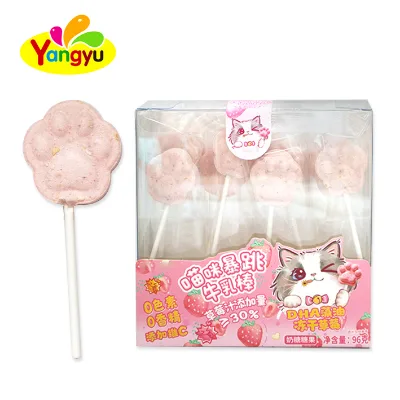
Hot Selling Kids' Cartoon Cat Paw-Shaped Tablets Cute Candy with Milk Lollipop Flavors
$0.02 - $0.05
MOQ: 1000 Minimum
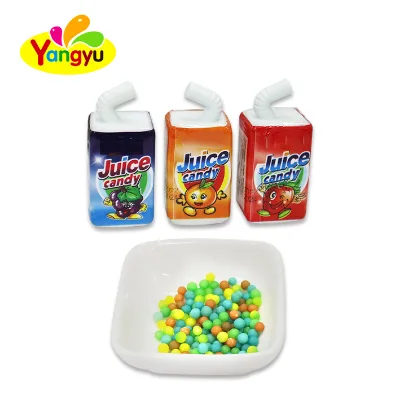


OEM Sugar Free Pressed Chewy Tablets Mint Individually Packaged Confectionery Candy
$10.00 - $12.00
MOQ: 100 carton

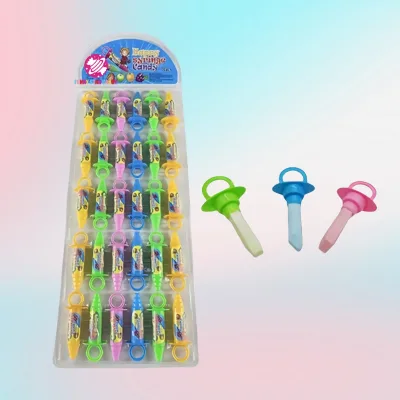
Wholesale Manufacturer Directly Tablet Candy Creative Octopus Delicious Toy Candy
$64.99 - $66.32
MOQ: 500 Boxes


Comprehensive Sourcing Guide
Organic Chewable Tablet Candy Sourcing Guide
Sourcing Organic Chewable Tablet Candy requires a nuanced approach that balances the specific texture demands of chewable formats with the strict regulatory expectations of organic certification. While the observed market data highlights a diverse range of solid confectionery products, including hard candies, gummies, and tablet forms, buyers must carefully distinguish between standard candy formulations and those meeting organic standards. The available product listings indicate a strong presence of customizable solid forms with specific packaging requirements, yet the term "organic" implies a supply chain verification that goes beyond the standard HACCP, FDA, and ISO certifications observed in general candy listings. Procurement teams must therefore treat the "organic" designation as a primary filter, ensuring that the supplier's raw material sourcing and processing methods align with recognized organic standards before evaluating other product attributes.
The procurement strategy for this category must also account for the variability in product definitions found in current listings, where terms like "tablet candy," "gummy candy," and "hard candy" are often used interchangeably or in combination. Buyers should verify that the specific "chewable" texture they require is explicitly defined in the product specifications, as the observed data includes both rigid hard candy tablets and softer gummy varieties. This distinction is critical because the manufacturing equipment, ingredient ratios, and shelf-life stability differ significantly between these forms. A robust sourcing plan will begin by clarifying the exact physical properties required, such as the specific weight per unit and the desired dissolution rate, to ensure the selected supplier can deliver a product that meets both the functional and sensory expectations of the target market.
Product Scope and Observed Listing Signals
The current market landscape for solid confectionery reveals a wide spectrum of product configurations, ranging from standard 16g and 24g units to highly customizable shapes and flavors. Observed listings include specific models like YX-H01052 and YX-GC00219, which demonstrate that manufacturers are capable of producing distinct formats such as strawberry-flavored mint tablets and chocolate-flavored items. However, the presence of these standard models does not automatically confirm the availability of organic variants; buyers must explicitly request organic certification documentation for any specific SKU they intend to source. The data shows that customization is available for shape and packaging, which is a positive signal for tailoring organic products to specific brand identities, but this customization must be verified against the organic integrity of the ingredients used.
Packaging and storage requirements observed in the listings provide further insight into the product scope, with materials ranging from plastic and paper to cartons and boxes. The standard storage method noted is a cool place away from sunshine, which is particularly relevant for organic products that may lack synthetic preservatives and thus require stricter environmental controls to maintain shelf life. The observed shelf life of 24 months suggests a robust formulation, but for organic chewable tablets, buyers should verify that this duration is achieved through natural preservation methods rather than synthetic additives. Additionally, the variety of packaging formats, including blister packs and bulk cartons, indicates that suppliers can adapt to different distribution channels, but the buyer must ensure that the chosen packaging material is compatible with organic certification standards, which often restrict certain synthetic liners or inks.
Technical Specifications to Verify
When evaluating technical specifications for Organic Chewable Tablet Candy, the primary focus must be on the physical form and weight consistency, as these directly impact the consumer experience and manufacturing efficiency. The observed data lists specific weights such as 16g and 24g, along with standard packing configurations like 12 units per box or 20 boxes per carton. Buyers should verify that the supplier can maintain tight tolerances on these weights, especially for organic products where ingredient variability can affect density and final unit mass. The "chewable" attribute requires a specific balance of hardness and elasticity, which must be confirmed through sample testing rather than relying solely on the "solid" or "tablet" descriptors found in general listings.
Flavor and color specifications are equally critical, as organic standards often restrict the use of artificial dyes and synthetic flavorings. The observed listings mention colors like pink, blue, and green, as well as flavors such as strawberry and chocolate. Procurement teams must verify that these colors are derived from natural sources approved for organic use, such as beet juice or turmeric, rather than synthetic alternatives. Furthermore, the "sweet" taste profile observed in the data should be scrutinized to ensure that the sweetening agents, whether sugar or organic alternatives like stevia or monk fruit, meet the specific organic certification requirements of the destination market. The ability to customize the product model and standard, as indicated in the listings, offers an opportunity to tailor these technical parameters, but the verification process must remain rigorous to prevent non-compliant ingredients from entering the supply chain.
Compliance and Safety Documentation
Compliance and safety documentation for Organic Chewable Tablet Candy must extend beyond the standard food safety certifications observed in the general market, such as HACCP, FDA, and ISO. While the listings confirm that suppliers possess these foundational certifications, organic procurement requires additional verification of organic-specific standards, such as USDA Organic or EU Organic, which govern the entire supply chain from farm to factory. Buyers should request proof of organic certification for every ingredient used, including the sweeteners, flavorings, and colorants, to ensure that no prohibited substances have been introduced during processing. The presence of GMP and ISO 22000 certifications in the data is a strong indicator of a supplier's commitment to quality management, but these do not substitute for the specific organic audit trails required for organic claims.
Safety documentation must also address the specific risks associated with chewable formats, particularly for products intended for children or specific demographic groups. The observed listings include products labeled for "Eat" and various candy types, but buyers must ensure that the safety data sheets and allergen declarations explicitly address the organic nature of the ingredients. For instance, if the product contains nuts or dairy, the supplier must provide evidence that these ingredients are sourced from organic-certified facilities to prevent cross-contamination with non-organic products. The "Instruction for Use" noted in the data should be reviewed to ensure it aligns with safety guidelines for organic confectionery, and buyers should verify that the supplier has a robust recall plan in place that specifically addresses organic certification breaches.
Cost Drivers and Commercial Terms
Cost drivers for Organic Chewable Tablet Candy are significantly influenced by the premium pricing of organic raw materials and the additional costs associated with maintaining organic certification throughout the supply chain. The observed MOQ range of 3 to 100,000 units suggests that suppliers can accommodate both small-batch custom orders and large-scale production runs, but the unit cost will likely be higher for organic variants due to the scarcity and cost of certified ingredients. Buyers should anticipate that the price per unit will fluctuate based on the specific organic certification required and the complexity of the customization, such as unique shapes or natural colorants. The observed price range of 0.02 to 200 USD reflects the vast diversity of products, but organic products typically occupy the higher end of this spectrum due to the added value of organic compliance.
Commercial terms for organic procurement must include clear clauses regarding the maintenance of organic status during transportation and storage. The observed data indicates that products are packed in cartons, boxes, and blister packs, and buyers should verify that the packaging materials themselves are organic-compliant or at least do not compromise the organic integrity of the product. Lead times may be extended for organic products due to the need for specific ingredient sourcing and additional quality checks, so buyers should negotiate realistic delivery schedules that account for these factors. The availability of OEM and ODM services, as noted in the listings, offers flexibility in branding and formulation, but these services must be structured to ensure that the organic certification is not invalidated by third-party processing or packaging changes.
Supplier Qualification and Quality Control
Supplier qualification for Organic Chewable Tablet Candy requires a rigorous vetting process that goes beyond standard supplier audits to include a deep dive into organic supply chain management. Buyers should verify that the supplier has a dedicated organic program manager and a documented system for tracking organic ingredients from the farm level to the final product. The observed data shows that suppliers offer customization and have various certifications, but the buyer must confirm that these certifications are current and applicable to the specific organic product line being sourced. Quality control protocols must include regular testing for pesticide residues and heavy metals, which are critical concerns for organic products that rely on natural farming practices.
Quality control procedures should also encompass the verification of the "chewable" texture and consistency, as organic formulations can sometimes vary more than conventional ones due to the absence of synthetic stabilizers. Buyers should request sample batches for sensory evaluation and physical testing to ensure that the product meets the desired specifications for hardness, elasticity, and dissolution rate. The observed data indicates that suppliers can produce products with specific weights and shapes, but the buyer must ensure that these specifications are maintained consistently across all production runs. Additionally, the supplier should have a robust system for handling non-conforming products, particularly those that may fail organic certification checks, to prevent any accidental mixing of organic and non-organic inventory.
Long-Term Procurement Checks
Long-term procurement checks for Organic Chewable Tablet Candy must focus on the sustainability of the organic certification and the stability of the supply chain over time. Buyers should establish a schedule for annual re-verification of the supplier's organic certification status and conduct periodic audits to ensure that the organic integrity is maintained throughout the production process. The observed data suggests that suppliers have a shelf life of 24 months, but buyers should monitor the actual shelf life of the organic product in their specific storage conditions to ensure that the quality remains consistent over the long term. This includes checking for any changes in texture, flavor, or color that might indicate degradation or contamination.
Strategic planning for long-term procurement should also consider the potential for supply chain disruptions due to the limited availability of organic raw materials. Buyers should develop contingency plans that include alternative suppliers or backup ingredient sources to mitigate the risk of shortages. The observed data shows that suppliers offer customization and various packaging options, which can be leveraged to adapt to changing market demands or regulatory requirements. However, the buyer must ensure that any changes to the product formulation or packaging are communicated and approved by the relevant organic certification bodies to avoid losing the organic status. Regular performance reviews and feedback loops with the supplier will help maintain a strong partnership and ensure that the Organic Chewable Tablet Candy continues to meet the evolving needs of the market.
FAQs
Can I customize the shape and packaging of these tablet candies?
Yes, customization is available for both shape and packaging. The product offers customizable shapes and supports OEM services. Packaging options include plastic, paper, boxes, and cartons. You can specify unique designs to match your brand identity while maintaining the solid form and sweet taste profile of the candy.
What certifications do these candy manufacturers hold?
Manufacturers typically hold HACCP, FDA, ISO, HALAL, and GMP certifications. These credentials ensure compliance with international food safety and quality standards. The production processes are regulated to maintain hygiene and product integrity, making these candies suitable for export to markets requiring strict regulatory adherence and quality assurance.
What is the shelf life and storage requirement for this candy?
The shelf life is 24 months when stored correctly. You must keep the product in a cool place, avoiding direct sunshine. Normal storage methods are acceptable, but temperature control is crucial to preserve the texture and flavor. Proper storage ensures the candy remains fresh and safe for consumption throughout its designated period.
What are the available specifications and packaging formats?
Specifications vary by model, such as 22g, 16g, or 24g units. Packaging formats include blister packs, boxes, and cartons with specific counts like 12 bags or 20 boxes per carton. Standard configurations are customizable to meet your volume requirements. The solid form factor allows for versatile packaging solutions suitable for retail or bulk distribution.
Is OEM service available for private labeling?
Yes, OEM and ODM services are explicitly available. Manufacturers support private labeling and custom branding for your products. You can collaborate on design, flavor, and packaging to create unique offerings. This service allows businesses to launch their own branded candy lines while leveraging established production capabilities and quality control systems.
What flavors and types of candy are offered?
Options include sweet, strawberry, chocolate, and sugar-free mint flavors. Product types range from hard candy tablets to gummy candies. The assortment covers various taste profiles to suit different consumer preferences. Each type maintains a solid form, ensuring consistent quality and texture across the diverse flavor portfolio available for bulk sourcing.