Source Organic Brightening Facial Cream for moisturizing, whitening, and anti-aging
Explore 30 listings of Organic Brightening Facial Cream designed for moisturizing, whitening, and anti-aging needs. Buyers can compare certifications like FDA and GMP, ingredient profiles including Aloe Vera and Hyaluronic Acid, and customizable packaging options from verified Chinese manufacturers.
Key considerations
Products List








Comprehensive Sourcing Guide
Strategic Sourcing Guide for Organic Brightening Facial Cream
The global demand for organic brightening facial creams has surged as consumers increasingly prioritize natural ingredients alongside proven efficacy for skin tone evenness and radiance. For B2B procurement professionals, navigating this market requires a disciplined approach that balances ingredient transparency, regulatory compliance, and supply chain reliability. This guide synthesizes observed market data and technical specifications to provide a framework for sourcing high-quality private label and OEM cosmetic products. Buyers must distinguish between generic formulations and specialized organic blends, ensuring that every procurement decision is backed by verifiable data rather than marketing assertions.
Technical Specifications and Formulation Analysis
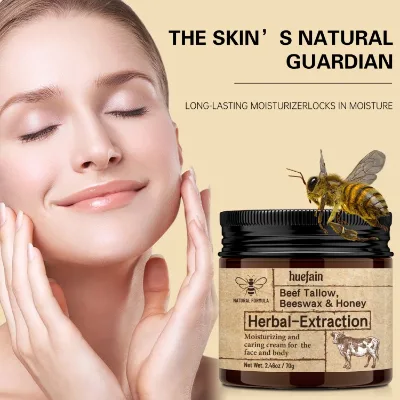
Understanding the technical architecture of a brightening cream is the first step in effective sourcing. The market offers a diverse range of formulations, often defined by their active ingredient profiles and physical properties. Observed product attributes indicate that successful brightening creams frequently utilize a combination of Hyaluronic Acid, Niacinamide, Collagen, Retinol, and Turmeric. These ingredients are selected for their specific mechanisms in addressing hyperpigmentation and promoting skin revitalization. Turmeric, in particular, is a key component for organic formulations, offering natural antioxidant and brightening properties without the harshness of synthetic bleaching agents.
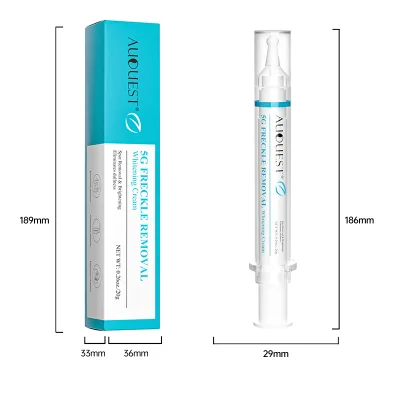
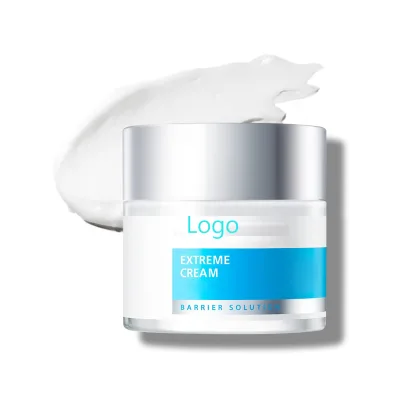
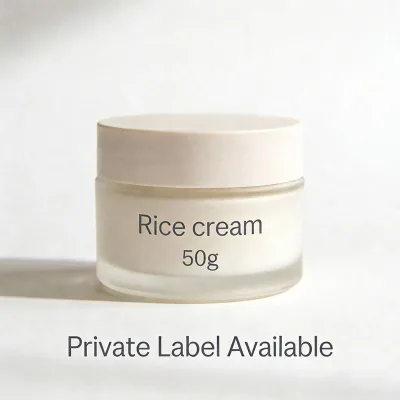
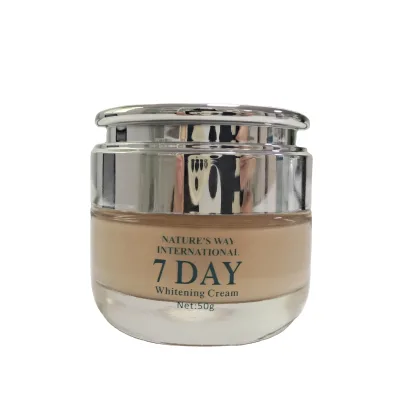
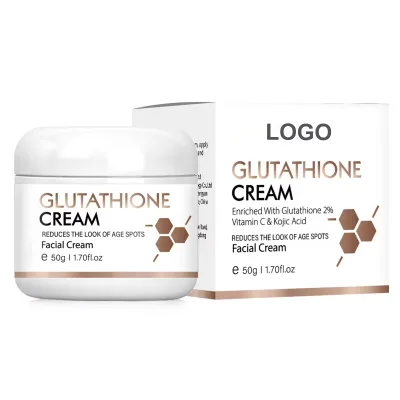
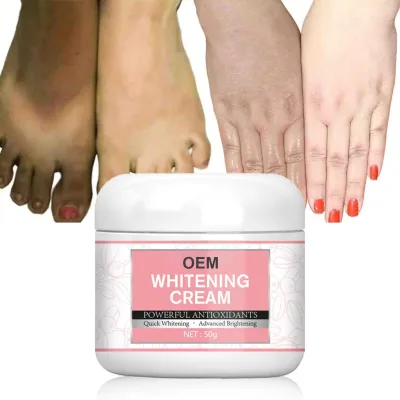
The physical specifications of the product are equally critical for logistics and shelf-life management. Standard packaging volumes observed in the market include 20g and 50g options, with the 50g bottle being a common standard for retail-ready units. The packaging material is predominantly glass or plastic, with glass often preferred for premium organic lines to ensure chemical inertness and aesthetic appeal. The single package size typically measures around 12x5x8 cm, with a gross weight of approximately 0.18 kg per unit. This standardization facilitates efficient palletization and shipping calculations. Furthermore, the product standard often allows for customization, enabling buyers to tailor the volume and texture to specific regional preferences or brand positioning strategies.
Compliance, Certification, and Regulatory Standards
In the cosmetics industry, particularly for organic claims, regulatory compliance is non-negotiable. Buyers must verify that suppliers possess a robust portfolio of certifications that validate both the safety of the product and the authenticity of its organic claims. High-confidence data indicates that reputable manufacturers in this sector often hold EEC, FDA, GMP, CE, and MSDS certifications. The presence of GMP (Good Manufacturing Practice) is essential, as it ensures that the production environment meets strict hygiene and quality control standards. Similarly, MSDS (Material Safety Data Sheet) documentation is required to confirm the safety profile of the chemical components used in the formulation.
For products claiming to be organic, the verification process extends beyond simple ingredient lists. Buyers should demand evidence of organic certification for the raw materials, such as Aloe Vera, Dead Sea Salt, and Green Tea, which are frequently cited as main ingredients. The ingredient list often includes Vitamin C, which is a potent brightening agent, alongside vegan and cruelty-free designations. These attributes are not merely marketing fluff but are critical for accessing markets with stringent ethical and safety regulations. The "All Skin Type" and "Adults" or "All Ages" designations found in product data suggest broad applicability, but buyers must ensure that the specific formulation is tested for safety across these demographics. Without verified certifications, the risk of regulatory rejection or brand damage in international markets increases significantly.
Cost Drivers and Pricing Dynamics
The pricing structure for organic brightening facial creams is influenced by several variable factors, including ingredient quality, packaging complexity, and order volume. The observed price range in the market spans from $0.50 to $7.12 USD per unit, a wide variance that reflects differences in formulation sophistication and brand positioning. Lower-priced units often utilize standard plastic packaging and basic ingredient blends, while higher-priced options typically feature glass containers, premium organic extracts, and advanced delivery systems for active ingredients like Retinol and Niacinamide.
Order Volume is a primary driver of unit cost. The Minimum Order Quantity (MOQ) varies significantly, ranging from as low as 1 unit for sampling purposes to 5,000 units for full production runs. Specific product lines may enforce an MOQ of 1,000 pieces, which is a common threshold for private label services. Buyers should anticipate that unit costs will decrease as order volumes increase, but the trade-off involves higher capital outlay and inventory risk. Additionally, the "Customization" feature, which includes private labeling and logo design, adds a layer of cost. While the base product price might be competitive, the customization fees for unique packaging designs or proprietary formulations can impact the final landed cost. Buyers must also consider the trade terms, such as EXW, FOB, CIF, CFR, DAP, and DDP, as these dictate who bears the shipping and insurance costs, directly affecting the total procurement budget.
Typical Applications and Market Segmentation
The applications for organic brightening facial creams are diverse, catering to various consumer needs and commercial sectors. The primary function of these products is to address skin concerns such as dark spots, uneven tone, and signs of aging. The observed feature set includes Moisturizer, Anti-Wrinkle, Firming, Lightening, and Skin Revitalizer. This multifunctional approach allows a single product to serve multiple market segments, from anti-aging enthusiasts to those seeking basic skin tone correction. The "Day" usage specification suggests that these creams are formulated for daytime application, often requiring compatibility with sunscreen or other daytime skincare routines.
Commercial applications extend beyond direct consumer sales. The product data indicates that these creams are suitable for commercial use, implying their utility in professional settings such as spas, dermatology clinics, and beauty salons. The "OEM" and "Private Label Service" attributes highlight the product's suitability for brands looking to launch their own lines without investing in manufacturing infrastructure. The availability of 2,000,000 units in stock suggests a high-capacity supply chain capable of supporting large-scale retail distribution. Whether for a boutique organic brand or a mass-market retailer, the ability to customize the product's function and packaging allows suppliers to meet the specific demands of different market niches.
Supplier Evaluation and Service Capabilities
Evaluating a supplier for organic brightening facial creams requires a rigorous assessment of their service capabilities and production reliability. The market data highlights several key service attributes that buyers should prioritize. The "OEM ODM Private Label Service" indicates that suppliers are equipped to handle everything from concept development to final packaging. This level of service is crucial for brands that require unique formulations or distinct branding. The "Logo: Customized Private Logo" feature further emphasizes the supplier's flexibility in meeting brand identity requirements.
Production timelines are another critical factor in supplier selection. The observed lead time ranges from 20 to 30 days for production, with a sample time of within one week. This timeline is relatively standard for the cosmetics industry but requires careful planning to ensure timely market entry. Buyers should verify if the supplier can meet specific delivery windows, especially for time-sensitive product launches. The "Shipment" options, including Express, Air Freight, and other methods, offer flexibility in logistics management. However, buyers must assess the supplier's track record for on-time delivery and their ability to handle complex shipping requirements. The "Warranty: Three Years" and "Shelf Life: 3 Years" attributes suggest a high level of product stability, but buyers should confirm that these warranties apply to the specific batch and storage conditions.
Quality Control and Long-Term Procurement Strategy
Maintaining product quality over the long term is essential for brand reputation and customer retention. Quality control measures should be integrated into every stage of the procurement process, from raw material sourcing to final packaging. The "Standard: 50g" and "Standard: Customized" specifications indicate that while some products adhere to fixed standards, others offer flexibility. Buyers should insist on batch testing and quality assurance protocols that align with international standards. The presence of certifications like GMP and FDA provides a baseline for quality, but ongoing verification is necessary to ensure consistency.
Long-term procurement considerations involve building a resilient supply chain that can adapt to market changes. The "Production Time: 20-30 Days" and "Delivery Time: 7-31 Days" suggest a predictable but variable timeline. Buyers should establish clear communication channels with suppliers to monitor production progress and address any potential delays. The "Place of Origin: Guangdong, China" and "Origin: China" indicate a concentration of manufacturing capabilities in this region, which offers access to a robust supply chain but also requires careful management of geopolitical and logistical risks. By diversifying suppliers and maintaining a buffer stock, buyers can mitigate the risk of supply disruptions. Additionally, the "Application: For Commercial" attribute suggests that the product is designed for scalability, making it suitable for long-term growth strategies.
Conclusion
Sourcing organic brightening facial creams requires a balanced approach that integrates technical knowledge, regulatory compliance, and strategic supplier management. By focusing on verified certifications, clear technical specifications, and reliable production timelines, buyers can secure high-quality products that meet market demands. The wide range of available features, from customizable volumes to diverse ingredient profiles, offers significant opportunities for brand differentiation. However, the complexity of the supply chain necessitates a disciplined procurement strategy that prioritizes quality control and long-term relationship building. As the market continues to evolve, staying informed about the latest trends and regulatory changes will be essential for maintaining a competitive edge in the global cosmetics industry.
FAQs
Can I customize the logo and packaging for this cream?
Yes, customization is available for logos and packaging designs. Buyers can request private labels and specific volume options like 20g or 50g to match their brand identity requirements.
What certifications do these organic brightening creams hold?
Reputable products often hold EEC, FDA, GMP, CE, and MSDS certifications. These documents verify safety and manufacturing standards, ensuring compliance for international markets and ethical sourcing.
How long is the lead time for production orders?
Production typically takes about 20 to 30 days from order confirmation. Sample requests can be fulfilled within one week, allowing for quick evaluation before committing to larger batches.
What is the minimum order quantity for private label services?
The minimum order quantity varies, with some lines requiring 1,000 pieces while others start at 1 unit for sampling. Full production runs often range up to 5,000 units depending on the supplier.
Which ingredients are commonly used in these brightening formulas?
Common ingredients include Hyaluronic Acid, Niacinamide, Collagen, Retinol, and Turmeric. Natural options may also feature Aloe Vera, Dead Sea Salt, and Green Tea for gentle brightening effects.
Where are these cosmetic products manufactured?
The primary place of origin is Guangdong, China. This region offers a robust supply chain with access to various raw materials and established manufacturing facilities for cosmetic production.
What packaging materials are used for these facial creams?
Products are typically packaged in glass or plastic bottles to ensure chemical inertness and aesthetic appeal. Standard single package sizes measure around 12x5x8 cm with a gross weight of 0.18 kg.