Source Organic Coconut Oil Hair Masque for Commercial, Home, and Salon Use
Source 30 Organic Coconut Oil Hair Masque options for commercial, home, and salon use. Compare OEM/ODM services, GMPC/ISO certifications, and natural plant extract formulas from Guangdong, China suppliers; compare the available evidence and request quotations based on your requirements.
Updated
Key considerations
Products List
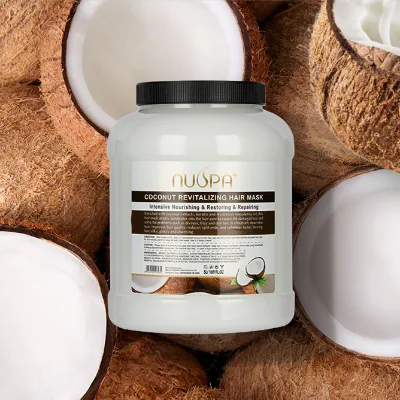
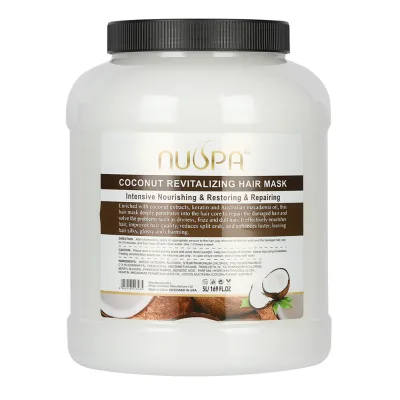
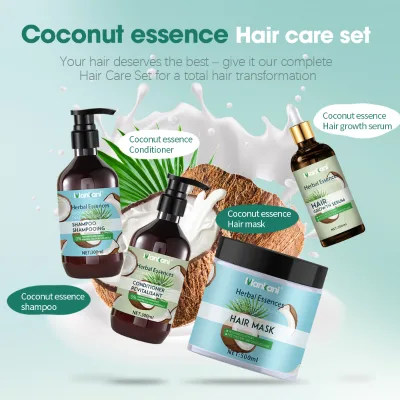


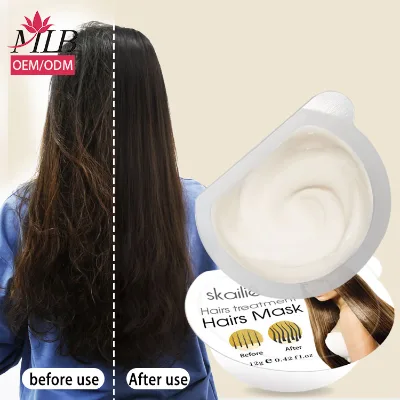
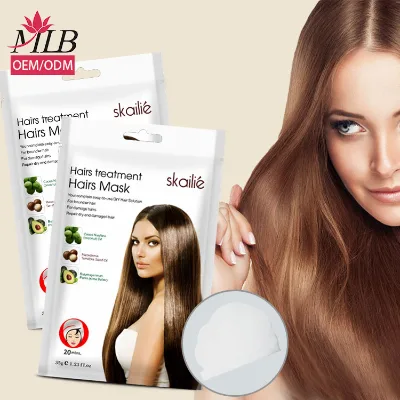
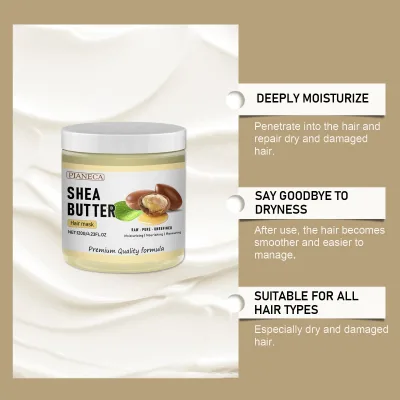
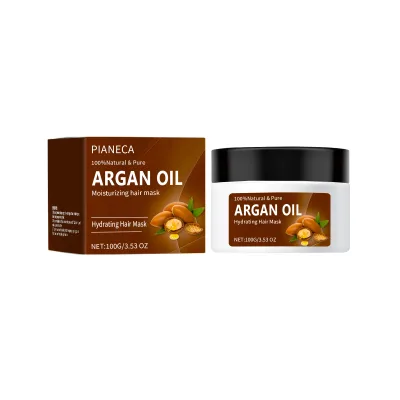

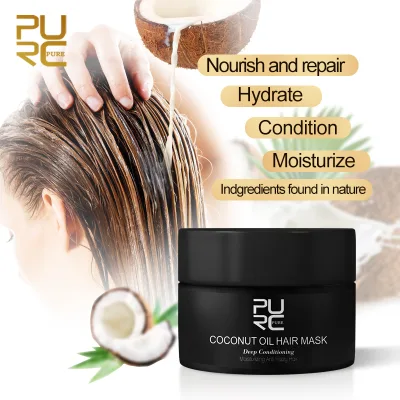
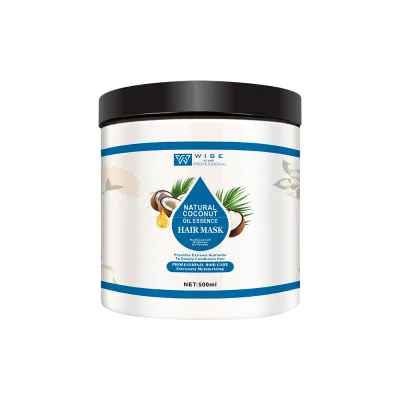
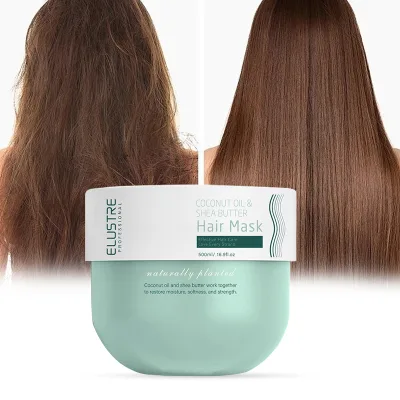
Deeply Conditioning Organic Nourishing Coconut Oil Hair Mask Private Label
$1.8446 - $2.2545
MOQ: 100 pieces
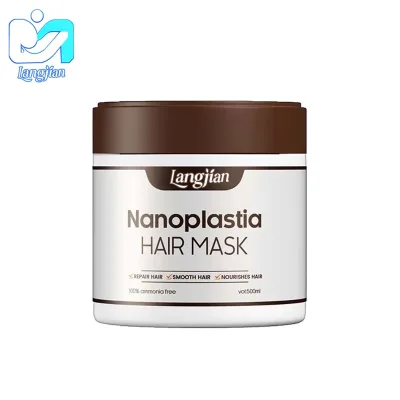
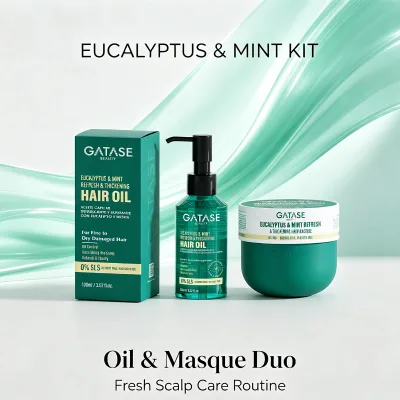
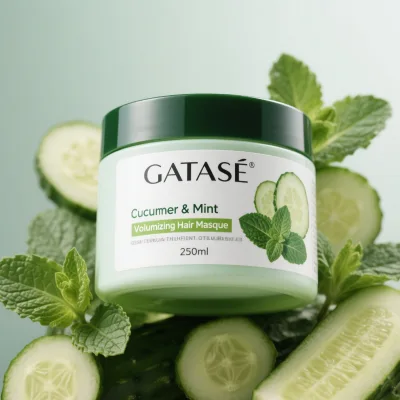
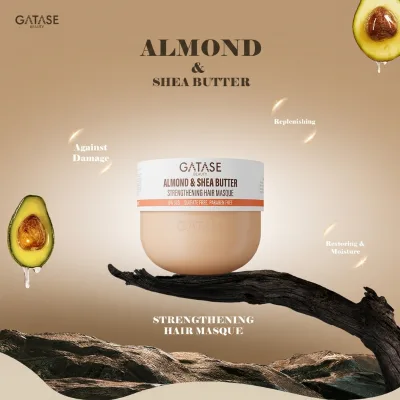
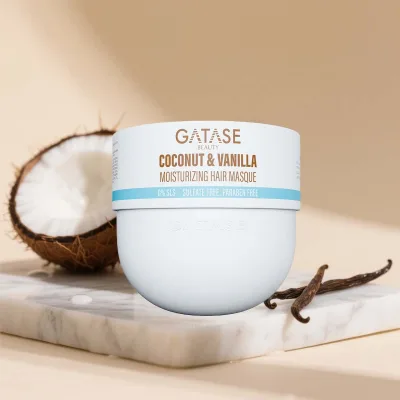
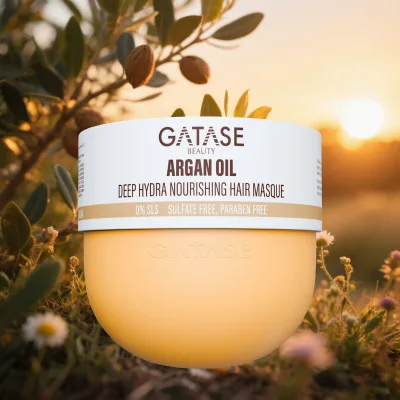
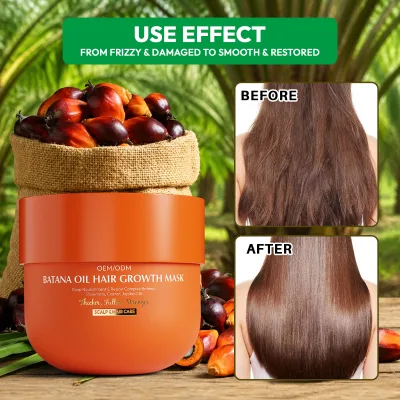


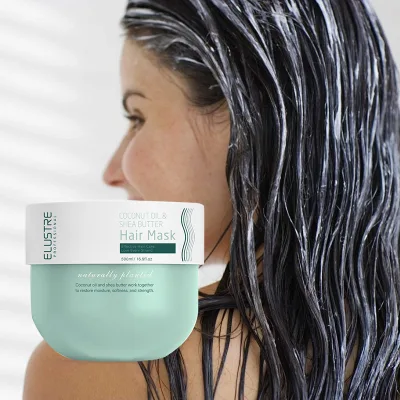
Comprehensive Sourcing Guide
Organic Coconut Oil Hair Masque Sourcing Guide
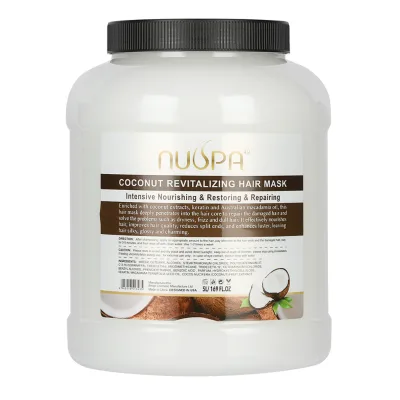
Buyers evaluating organic coconut oil hair masques must first distinguish between commercial-grade bulk formulations and retail-ready private label options. The market presents distinct product profiles, such as the Nuspa Fruity Hair Mask, which offers a 5L volume suitable for salon distribution, alongside smaller 500ml units like the Rosemary variant designed for direct consumer sales. Understanding these volume distinctions is critical for aligning inventory with specific distribution channels, whether targeting high-volume professional use or individual household consumption.
Procurement decisions should also account for the specific functional claims observed in current listings, including damage repair, color protection, and smoothing capabilities. While some products emphasize natural plant extracts and herbal ingredients, others highlight specific scents like coconut or features such as anti-breakage properties. Buyers must verify that the observed ingredient lists, such as organic coconut oil or natural plant essence, match the intended brand positioning and that the product type, whether cream or liquid, aligns with the desired application method for the target demographic.
Product Scope and Observed Listing Signals
The observed product scope reveals a diverse range of hair types addressed by these formulations, including curly, frizzy, dry, and damaged hair varieties. Listings indicate that effective organic coconut oil masques are often marketed as multi-functional treatments capable of nourishing, moisturizing, and smoothing hair without causing breakage. Buyers should note that while some products target specific needs like thinning hair or aging, others are formulated for all hair types, requiring careful selection to ensure the product matches the specific needs of the end-user market.
Listing signals also highlight significant variations in packaging and branding strategies, ranging from standardized single items to customizable private label solutions. The presence of OEM and ODM services suggests that suppliers are prepared to adapt product names, scents, and packaging designs to meet specific client requirements. However, buyers must verify that customization options do not compromise the core organic integrity of the formula, ensuring that the final product retains the essential natural plant extracts and herbal ingredients that define the category.
Technical Specifications to Verify
Technical verification begins with confirming the physical specifications of the product, including volume, weight, and single package dimensions. Current data indicates a wide range of volumes from 500ml to 5L, with corresponding gross weights and package sizes that impact shipping logistics and storage requirements. Buyers must calculate the total landed cost based on these dimensions, as larger 5L units may offer better unit economics but require more substantial warehousing space compared to smaller, more portable 500ml containers.
Formulation details such as the product type, color, and scent profile are equally critical for quality assurance and consumer appeal. Observed attributes include ivory-colored creams with coconut scents, though variations exist depending on the specific blend of natural plant extracts and herbal ingredients. Procurement teams should request detailed formulation sheets to confirm the presence of key active ingredients like organic coconut oil and ensure that the shelf life, typically observed as three years, is consistent with the product's stability and intended usage frequency.
Compliance and Safety Documentation
Compliance verification requires confirming that suppliers hold recognized manufacturing certifications such as GMPC and ISO, which are essential for entering regulated markets. These certifications indicate that the production facilities adhere to strict hygiene and quality management standards, reducing the risk of contamination and ensuring product safety for end consumers. Buyers should explicitly request copies of these certificates and verify their validity dates before finalizing any purchase agreements to mitigate regulatory risks.
In addition to facility certifications, buyers must ensure that the product documentation includes comprehensive safety data sheets and ingredient declarations. The presence of natural plant extracts and herbal ingredients necessitates clear labeling to inform consumers of potential allergens or sensitivities. It is vital to verify that the product meets the specific regulatory requirements of the destination market, particularly regarding the declaration of organic status and the absence of prohibited substances in the final formulation.
Cost Drivers and Commercial Terms
Cost structures for organic coconut oil hair masques are heavily influenced by volume, packaging customization, and the complexity of the formulation. The observed minimum order quantities (MOQ) range significantly, from 48 units for trial orders to 5000 units for bulk commercial purchases, directly impacting the per-unit price and cash flow requirements. Buyers should negotiate based on their projected sales volume, as higher order quantities often unlock better pricing tiers and more favorable shipping terms.
Commercial terms also include lead times and sample availability, which are critical for supply chain planning. While some suppliers offer free samples to facilitate product evaluation, the delivery time for bulk orders typically ranges from 7 to 15 days, depending on the supplier's current production capacity and location. Buyers must factor in these lead times when planning inventory replenishment to avoid stockouts, and they should clarify whether the quoted prices include all necessary packaging and labeling costs.
Supplier Qualification and Quality Control
Supplier qualification should prioritize manufacturers with a proven track record, such as those boasting over 20 years of experience in the hair care industry. This experience often translates to more robust quality control processes and a deeper understanding of formulation stability, which is crucial for maintaining the efficacy of organic ingredients like coconut oil and natural plant extracts. Buyers should request references from existing clients to validate the supplier's ability to consistently deliver high-quality products that meet specified standards.
Quality control protocols must be established to ensure that every batch meets the agreed-upon specifications for volume, weight, and ingredient composition. Buyers should implement a rigorous inspection process that includes checking for consistency in color, scent, and texture, as well as verifying that the product meets the declared shelf life. It is also advisable to conduct random third-party testing to confirm the presence of organic ingredients and the absence of harmful contaminants, ensuring that the final product aligns with the brand's quality promises.
Long-Term Procurement Checks
Long-term procurement success depends on establishing a reliable supply chain that can adapt to changing market demands and regulatory updates. Buyers should maintain regular communication with suppliers to stay informed about any changes in ingredient sourcing, production capacity, or compliance requirements that could affect product availability. Building a strong partnership with a qualified supplier ensures that the business can scale operations efficiently while maintaining the high standards expected of organic hair care products.
Continuous monitoring of product performance and customer feedback is essential for identifying areas for improvement and ensuring sustained market relevance. Buyers should track sales data and consumer reviews to assess whether the product continues to meet the needs of the target demographic, particularly regarding its effectiveness in repairing damaged hair and providing nourishment. By staying proactive in these checks, businesses can make informed decisions about future orders, product variations, and strategic investments in the organic hair care sector.
FAQs
What certifications do organic coconut oil hair mask manufacturers hold?
Manufacturers typically hold GMPC and ISO certifications to ensure production quality and safety standards. These credentials verify that the facility adheres to strict hygiene and manufacturing protocols. Buyers should request valid certificates to confirm compliance before placing bulk orders for commercial or home use hair care products.
Can I get a free sample of organic coconut oil hair mask?
Yes, suppliers often offer free samples to allow buyers to test product quality and texture. This service helps evaluate the moisturizing and repairing effects before committing to large purchases. Buyers should contact vendors directly to request samples, noting that shipping costs may sometimes apply depending on the supplier's policy.
What is the typical MOQ for private label organic coconut oil hair masks?
The minimum order quantity usually ranges from 48 to 5000 pieces, depending on the supplier and customization level. Standard private label orders often start at 1000 pieces. Buyers seeking lower volumes should check specific vendor listings, as some factories accommodate smaller trial orders for new clients testing the market.
How long is the delivery time for bulk organic coconut oil hair mask orders?
Standard delivery times typically range from 7 to 15 days after order confirmation. This timeframe covers production and packaging for customized or standard items. Buyers should confirm exact lead times with suppliers, as peak seasons or specific packaging requirements may slightly extend the manufacturing and shipping schedule.
Which hair types benefit most from organic coconut oil hair masks?
These masks are suitable for all hair types, including dry, curly, frizzy, and damaged hair. The natural plant extracts and coconut oil provide deep nourishment and repair. They help smooth frizz, protect color, and reduce breakage, making them effective for daily hair care treatments across various hair textures and conditions.
What packaging options are available for bulk organic coconut oil hair mask orders?
Suppliers offer customizable packaging solutions to meet brand requirements. Options include various sizes like 50ml, 260ml, or 5L containers. Buyers can choose specific colors and designs to align with their brand identity. Custom packaging services allow for unique labeling and structural designs to enhance product presentation in the market.