Source Organic Sulfate Free Shampoo and Conditioner Set for Salon, Home, and Travel
Compare 30 listings for Organic Sulfate Free Shampoo and Conditioner Set options featuring moisturizing, anti-dandruff, and nourishing benefits. Buyers can evaluate brands like ARGANRRO and Yoorganic with OEM capabilities and diverse ingredient profiles including argan oil and coconut oil.
Key considerations
Products List
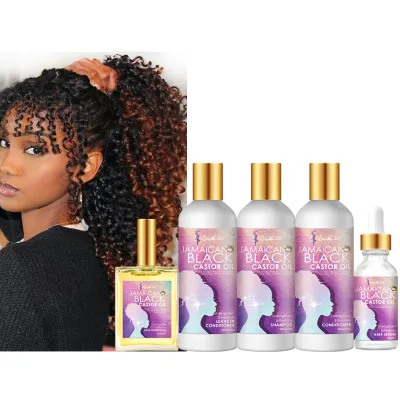


Factory Price Color Protection L Sulphate Free Hair Shampoo and Conditioner Set
$1.40 - $2.00
MOQ: 100 Pieces


Highest Quality Sulfhate Free Hair Shampoo and Conditioner Set for Dry Hair
$2.00 - $2.50
MOQ: 24 Pieces


Organic Hair Care Essentials: Nourishing Gel, Shampoo & Conditioner Set
$0.04 - $0.22
MOQ: 5000 Pieces


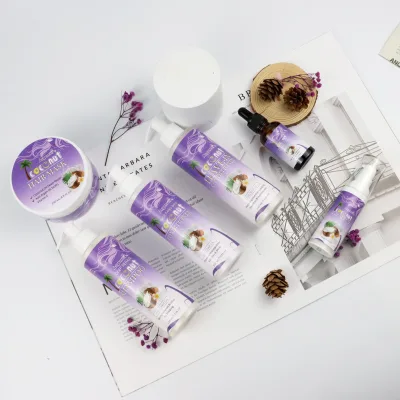

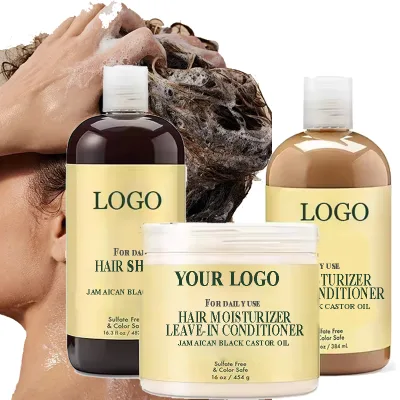
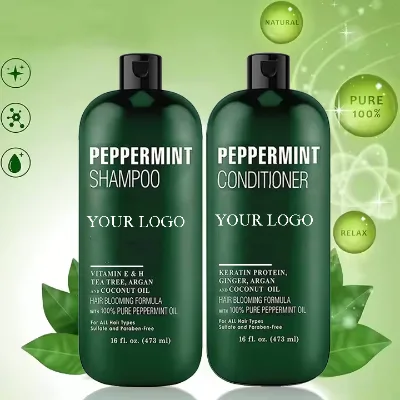


Wholesale Private Label Natural Organic Hair Care Shampoo and Conditioner Set
$0.30 - $0.60
MOQ: 1000 Pieces


Comprehensive Sourcing Guide
Strategic Sourcing Guide for Organic Sulfate-Free Shampoo and Conditioner Sets
Understanding Product Composition and Formulation Standards
When sourcing an organic sulfate-free shampoo and conditioner set, buyers must first scrutinize the fundamental composition of the product. The market often presents conflicting information regarding what constitutes "organic" and "sulfate-free." In the context of verified supply chain data, formulations for such sets frequently utilize a blend of natural extracts and synthetic stabilizers to ensure efficacy and shelf stability. Key ingredients observed in high-quality sets include coconut oil, argan oil, and rosehip seed oil, often supplemented with vitamins such as E and B5 to enhance hair health. These components are selected for their ability to moisturize, nourish, and repair damaged hair without the harsh stripping effects associated with traditional sulfates.
However, a critical observation in current listings is the duality of ingredient claims. While some product descriptions emphasize herbal, organic, and cruelty-free materials, other technical specifications explicitly list "chemical" as a primary material category. This does not necessarily indicate a lack of quality but rather reflects the reality that "organic" personal care products often require specific chemical preservatives and emulsifiers to maintain safety and consistency. Buyers should verify that the "chemical" components listed are safe, non-toxic, and free from nasties, as some suppliers highlight a "free of nasty chemicals and toxins" feature as a primary selling point. The formulation is often designed as a 2-in-1 solution or a dedicated set, with specific functions targeting anti-dandruff properties, anti-itching relief, and smoothing capabilities. The texture is typically a cream type, designed for leave-in application or intensive treatment to repair damage from dyeing or perming processes.
Technical Specifications and Packaging Requirements
The physical specifications of the product are vital for logistics planning and retail presentation. Standard packaging for these sets often involves a single item unit size of approximately 9.2 cm by 9.2 cm by 5.54 cm, with a single gross weight of 2.500 kg. This weight suggests a substantial volume of product, likely aligning with the 500ml per piece specification commonly found in bulk orders. The standard carton configuration typically holds 24 pieces per carton, adhering to a production standard of 500ml x 24 units. This unitization is crucial for calculating shipping costs and warehouse storage requirements.
Packaging details extend beyond the bottle to the outer carton and branding capabilities. Suppliers frequently offer customization options where buyers can research and develop their own branded samples, place their own logo on the products and packaging, and request custom colors and scents. The scent profiles can vary from coconut or custom fruit aromas to branded perfumes, allowing for significant differentiation in the market. The product is generally intended for female or unisex audiences, with an age group targeting adults. The usage scenarios are versatile, suitable for both dairy (likely a typo for daily or specific salon contexts) and salon use, indicating a professional-grade quality that can withstand frequent application. The model numbers, such as AR002 or Y-shampoo, serve as internal identifiers for specific formulations, which buyers should request to ensure consistency in future re-orders.
Compliance, Certification, and Regulatory Verification
Navigating the regulatory landscape is perhaps the most critical step in sourcing organic hair care products. While suppliers may claim their products are organic, vegan, and cruelty-free, these attributes require independent verification through recognized certifications. A robust sourcing strategy must demand evidence of compliance with international standards. Key certifications to verify include ISO, GMPC (Good Manufacturing Practice for Cosmetics), MSDS (Material Safety Data Sheet), and COA (Certificate of Analysis). These documents provide proof that the manufacturing facility adheres to strict hygiene and quality control protocols and that the chemical composition of the product has been tested for safety.
Buyers must be cautious of unverified claims. For instance, while a product may be marketed as "sulfate-free," the presence of "chemical" ingredients in the material list necessitates a review of the MSDS to ensure no prohibited sulfates or harsh surfactants are present. The certification process also validates the "21 Years Manufacturer" advantage often cited by established suppliers, suggesting a long-standing commitment to quality. Furthermore, the "Always free of nasty chemicals" feature must be backed by the COA, which details the specific chemical makeup and confirms the absence of toxins. Without these documents, the "organic" label may be merely a marketing term rather than a verified standard. Buyers should ensure that the supplier can provide these certificates for every batch, as regulatory requirements vary significantly by destination market.
Cost Drivers and Pricing Structure Analysis
The pricing structure for organic sulfate-free shampoo and conditioner sets is influenced by several distinct factors, often leading to confusion in initial quotes. A significant observation in the market is the discrepancy between the listed price and the actual cost of a complete set. Some suppliers display prices that reflect only the hair conditioner component, not the entire set. This practice requires buyers to calculate the total cost of ownership by multiplying the unit price by the number of items in the set or requesting a specific quote for the "ARGANRRO HAIR CARE SET" or equivalent full bundle.
The cost is also driven by the level of customization and the supply chain location. Products originating from Guangdong, China, benefit from a mature manufacturing ecosystem, yet the final price is affected by the "Factory Price" trade term. This term indicates that the quoted price is at the factory gate, excluding international shipping, insurance, and import duties. Additionally, the "Supply Ability" of 1,000,000 pieces per day suggests that high-volume orders may command different pricing tiers compared to smaller batches. The Minimum Order Quantity (MOQ) typically ranges from 24 to 5,000 pieces, with a common baseline of 300 pieces for trial orders. Buyers must factor in the cost of samples, which are often offered for free, but the logistics of receiving these samples must be accounted for. The inclusion of OEM/ODM services and private label capabilities also adds a layer of cost, as these services require dedicated production lines and quality assurance processes.
Supplier Evaluation and Manufacturing Capabilities
Evaluating a supplier for organic hair care products requires a deep dive into their manufacturing capabilities and service offerings. A reliable supplier should demonstrate a clear capacity for OEM, ODM, and private label services, allowing buyers to "start their own brand" with custom branding and packaging. The ability to offer free samples is a strong indicator of supplier confidence, but the turnaround time for these samples and the subsequent bulk production lead time are equally important. Typical delivery times for bulk orders are around 15 days, though this can vary based on order volume and customization complexity.
The supplier's location, specifically Guangdong, China, places them in a major hub for cosmetic manufacturing, which often translates to access to high-quality raw materials and advanced production technology. However, buyers should verify the "21 Years Manufacturer" claim to ensure the supplier has the experience to handle complex formulations and regulatory challenges. The port of dispatch options, including Huangpu, Shenzhen, or custom requirements, offer flexibility in logistics. A supplier that can accommodate specific port requirements demonstrates a higher level of logistical competence. Furthermore, the "unique design" advantage mentioned in some product attributes suggests that the supplier invests in R&D, which is crucial for developing competitive products in a crowded market. Buyers should prioritize suppliers who can provide a comprehensive service package, including distribution support and the ability to handle custom scents and colors.
Quality Control and Long-Term Procurement Strategy
Implementing a robust quality control (QC) strategy is essential for maintaining the integrity of organic sulfate-free products. Given the potential for ingredient variability, especially with natural extracts like argan and coconut oil, buyers must establish strict QC protocols. This includes verifying the COA for every batch to ensure consistency in ingredient ratios and the absence of contaminants. The "Feature" of protecting hair after dyeing or perming should be validated through performance testing, ensuring the product delivers on its functional claims of damage repair and smoothing.
For long-term procurement, buyers should focus on building a relationship with a supplier that offers continuous customization and innovation. The ability to develop new scents, colors, and formulas based on market feedback is a key differentiator. The "Customization: Available" attribute highlights the flexibility of the supply chain, allowing buyers to adapt their product lines to changing consumer preferences. Additionally, the "Trade Term: Factory Price" suggests a transparent pricing model, but buyers must negotiate terms that account for volume discounts and long-term contracts. Establishing a clear communication channel for quality issues and ensuring the supplier can meet the "Supply Ability" of 1,000,000 pieces per day during peak seasons will mitigate supply chain risks. Finally, buyers should regularly audit the supplier's certification status to ensure ongoing compliance with ISO, GMPC, and other relevant standards, safeguarding the brand's reputation in the marketplace.
Comparative Analysis of Product Attributes
To assist buyers in making informed decisions, the following table compares key attributes observed in the market for organic sulfate-free shampoo and conditioner sets. This comparison highlights the variability in specifications and the importance of verifying details before committing to an order.
| Attribute Category | Observation A (ARGANRRO Style) | Observation B (Yoorganic Style) | Verification Requirement |
|---|---|---|---|
| Brand Name | ARGANRRO | Yoorganic | Verify trademark ownership |
| Primary Ingredients | Coconut, Argan, Rosehip, Vitamins E & B5 | Herbal, Organic, Chemical blend | Check COA for specific ratios |
| Material Classification | Herbal, Organic, Vegan | Chemical, Cruelty-Free | Confirm "Organic" certification docs |
| Function | Anti-dandruff, Moisturizing, Anti-Itching | Clean Hair, Protect Hair | Request efficacy test results |
| Packaging Size | 9.2x9.2x5.54 cm | 500ml/PCS, 24/CTN | Confirm gross weight and volume |
| MOQ | 300 Pieces | 24-5000 Pieces | Negotiate based on volume |
| Lead Time | 15 Days | 15 Days | Confirm current production capacity |
| Certifications | ISO, GMPC, MSDS, COA | ISO, GMPC, MSDS, COA | Request valid certificate copies |
| Customization | Logo, Color, Scent | Logo, Color, Scent | Review sample approval process |
| Origin | Guangdong, China | China | Verify factory location and audit |
This table underscores that while many products share similar core attributes, the specific details regarding ingredients, packaging, and certification must be individually verified. Buyers should not assume that all products labeled "organic sulfate-free" meet the same standards. The presence of "Chemical" in the material list for some products, alongside "Herbal" for others, indicates a spectrum of formulation approaches. The critical task for the buyer is to align these specifications with their brand's quality standards and regulatory requirements in their target market. By rigorously checking the certifications, ingredient lists, and production capabilities, buyers can ensure they are sourcing a product that is safe, effective, and compliant with all necessary regulations.
FAQs
What certifications do these Organic Sulfate Free Shampoo and Conditioner Set manufacturers hold?
Manufacturers typically hold ISO, GMPC, MSDS, and COA certifications to verify safety and quality. These documents confirm the product is free of nasty chemicals and toxins while meeting international hygiene standards for cosmetic production.
How long is the lead time for bulk orders of this hair care set?
The standard delivery time for bulk orders is approximately 15 days from the factory. This timeline applies to standard production runs and may vary slightly depending on the specific customization requirements or order volume.
Which suppliers offer private label services for this hair care product?
Many factories welcome OEM, ODM, and private label requests to help you start your own brand. You can customize the logo, packaging, colors, and scents to match your specific brand identity and market needs.
Can I order samples before committing to a large purchase order?
Yes, free samples are often offered to potential buyers for product evaluation. These samples allow you to verify the cream texture, scent profile, and efficacy before placing a bulk order that meets your specific MOQ requirements.
What is the minimum order quantity for this hair treatment set?
The minimum order quantity typically starts at 300 pieces for trial orders. However, some suppliers may accept orders as low as 24 pieces, while larger capacity orders can reach up to 5000 pieces depending on the vendor.
Where are the factories for these organic sulfate free shampoo and conditioner sets located?
Most manufacturers are located in Guangdong, China, a major hub for cosmetic production. Products are dispatched from ports like Huangpu or Shenzhen, offering flexible logistics options for international buyers.
How much does the single item unit weigh for shipping calculations?
The single gross weight for one unit is 2.500 kg, which includes the bottle and packaging. This weight is crucial for calculating shipping costs and warehouse storage requirements for bulk shipments of 24 pieces per carton.