Source Orthopaedic Support Dog Cat Bed for Comfort, Recovery, and Daily Rest
Explore 30 Orthopaedic Support Dog Cat Bed options to compare materials, sizes, and packaging. This guide helps buyers evaluate features like waterproofing and eco-friendly attributes for their specific sourcing needs; compare the available evidence and request quotations based on your requirements.
Key considerations
Products List


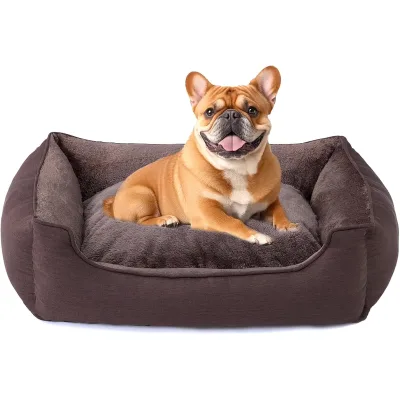


Orthopedic Pet Bed Supportive Foam Pet Couch Bed with Removable Washable Cover
$9.50 - $10.00
MOQ: 1000 Pieces

Premium Cozy Bolster Pet Bed Supportive Foam Orthopedic Pet Bed for Dogs
$9.50 - $10.00
MOQ: 1000 Pieces


Durable Orthopedic Dog Pet Bed Soft Plush Pet Bed with Anti-Slip Bottom
$10.50 - $10.80
MOQ: 1000 Pieces


Orthopedic Bed Medium Supportive Foam Pet Couch Nonskid Bottom Dog Bed
$11.00 - $11.20
MOQ: 100 Pieces


Comprehensive Sourcing Guide
Orthopaedic Support Dog Cat Bed Sourcing Guide
Sourcing orthopaedic support beds for dogs and cats requires a nuanced understanding of material science and structural integrity, particularly when balancing comfort with durability. Buyers must distinguish between standard cushioned beds and those with genuine orthopaedic properties, which often rely on high-density foam or specialized support layers. The provided data indicates a diverse market range, with materials varying from cotton and plastic to egg foam, suggesting that "orthopaedic" is not a standardized term in all listings. Procurement teams should prioritize suppliers who explicitly define the density and resilience of their foam cores, as these metrics directly impact the bed's ability to relieve pressure points for aging or large breeds.
Commercial viability also depends on aligning product features with specific animal needs and logistical constraints. Observed listings show applications for dogs, cats, and small animals, with sizes ranging from S to XXL, indicating a broad target market. However, not all products offer the same level of support; some are simple mats while others include vacuum-compressed packaging for efficient shipping. Buyers should evaluate whether the bed’s design, such as the inclusion of silicone dots on Oxford cloth bottoms, prevents slipping on smooth floors, a critical safety feature for pets with mobility issues. Understanding these distinctions ensures that the selected product meets both therapeutic claims and practical usage requirements.
Product Scope and Observed Listing Signals
The current market landscape for pet beds reveals a wide spectrum of product types, from simple woven ropes to complex multi-layered sleeping mats. Listings indicate that materials include cotton, plastic, and egg foam, with specific models like PB-1483 and FK-PTBD05 offering distinct configurations. Some products are designed for chewing and playing, while others focus purely on sleeping comfort, often featuring winter-specific insulation or waterproof layers. Buyers must carefully review these signals to ensure the product aligns with the intended use case, as a bed marketed for general comfort may lack the structural support required for orthopaedic benefits. The presence of customization options suggests that many manufacturers are willing to adapt designs, allowing for tailored solutions that meet specific brand or functional requirements.
Packaging and origin details provide additional context for quality assessment and logistical planning. Products originate primarily from Zhejiang, China, with packing methods ranging from PVC bags to OPP polybags and vacuum compression. Vacuum compression is particularly relevant for orthopaedic beds, as it allows for compact shipping of bulky foam items, reducing freight costs significantly. However, buyers should verify that the foam recovers its shape and support properties after unpacking. The variety of colors, including gray, white, and multi-color options, allows for aesthetic customization, but the primary focus should remain on the internal construction. Understanding these listing signals helps buyers filter out low-quality options and identify suppliers capable of producing durable, supportive pet furniture.
Technical Specifications to Verify
When evaluating orthopaedic support beds, the core technical specification is the foam density and thickness, which directly influence pressure relief and joint support. While some listings mention egg foam, buyers must request specific density measurements, typically measured in kilograms per cubic meter, to ensure the material provides adequate support rather than merely surface comfort. The provided data includes size specifications such as S:312828cm and M:353831cm, highlighting the importance of precise dimensional accuracy. Buyers should verify that the internal dimensions match the external measurements, as discrepancies can lead to improper fit for larger animals. Additionally, the presence of features like silicone dots on the bottom should be confirmed for slip resistance, a critical safety factor for pets with limited mobility.
Material composition and construction methods are equally critical for long-term durability and hygiene. Listings indicate materials such as cotton, plastic, and Oxford cloth, each offering different benefits in terms of breathability, chew resistance, and ease of cleaning. Buyers should inquire about the stitching quality and seam strength, as weak points can lead to premature failure, especially for dogs that dig or scratch before lying down. The option for customized sizes and colors allows for brand alignment, but the underlying structural integrity must remain consistent. Verifying that the bed is "without mattress" in some contexts clarifies that the product is a standalone support unit, requiring buyers to assess the standalone value of the foam and cover system.
Compliance and Safety Documentation
Safety compliance is paramount when sourcing pet products, as animals may chew on or ingest parts of the bed. Buyers must ensure that all materials, including foams, fabrics, and adhesives, are free from harmful chemicals such as phthalates, lead, or formaldehyde. While specific certification standards are not listed in the provided data, reputable suppliers should be able to provide test reports from accredited laboratories confirming compliance with international safety regulations. For products intended for export, this may include REACH compliance for Europe or CPSIA considerations for the US market. Buyers should request these documents during the sampling phase to mitigate legal and reputational risks associated with unsafe pet products.
Hygiene and maintenance standards also play a significant role in product safety and longevity. Beds that are waterproof or feature removable, washable covers offer distinct advantages in maintaining a clean environment for pets. The observed data includes both waterproof and non-waterproof options, allowing buyers to select based on specific client needs. However, even non-waterproof beds should be constructed from materials that resist odor absorption and bacterial growth. Buyers should verify the care instructions provided by the supplier to ensure that the bed can be maintained effectively without degrading the orthopaedic support properties. Clear labeling and durable construction contribute to a safer, healthier product for pets and their owners.
Cost Drivers and Commercial Terms
The cost of orthopaedic pet beds is influenced by several key factors, including material quality, foam density, and packaging complexity. High-density egg foam or memory foam cores are more expensive than standard polyurethane foam, but they offer superior support and durability. The observed price range of $1.67 to $23.7 USD reflects this variation, with higher prices likely corresponding to more complex designs or premium materials. Buyers should analyze the cost breakdown to understand where value is added, ensuring that they are not overpaying for aesthetic features at the expense of structural integrity. Customization options, such as specific sizes or colors, may also impact pricing, so it is essential to clarify these costs early in the negotiation process.
Minimum Order Quantities (MOQs) and lead times are critical commercial terms that affect inventory management and cash flow. The observed MOQ range of 20 to 3000 units allows for flexibility, catering to both small boutique brands and large retailers. However, higher MOQs often result in lower unit prices, so buyers should balance volume discounts with storage capacity and demand forecasts. Lead times of 30-45 days are typical for customized orders, while sample times of 5-7 days allow for rapid evaluation. Buyers should plan their procurement cycles accordingly, accounting for potential delays in production or shipping. Understanding these commercial terms helps in negotiating favorable conditions and ensuring timely delivery to meet market demand.
Supplier Qualification and Quality Control
Selecting a reliable supplier involves rigorous qualification processes to ensure consistent product quality and ethical manufacturing practices. Buyers should verify the supplier’s production capabilities, including their experience with foam molding and fabric assembly. The observed data indicates that suppliers offer customization and factory-direct styles, suggesting a degree of manufacturing flexibility. However, buyers must conduct on-site audits or request third-party verification to confirm that the supplier adheres to quality management standards. This includes checking for proper facility hygiene, worker safety protocols, and consistent quality control procedures throughout the production line. A qualified supplier will have a robust system for identifying and rectifying defects before shipment.
Quality control measures should be implemented at multiple stages, from raw material inspection to final product testing. Buyers should define clear acceptance criteria for foam density, fabric strength, and stitching quality in their purchase agreements. Sampling is a crucial step, allowing buyers to physically assess the bed’s comfort, durability, and support properties. The observed sample time of 5-7 days facilitates this process, enabling quick feedback and iteration. Additionally, buyers should consider implementing pre-shipment inspections to catch any last-minute defects. Establishing a strong relationship with the supplier through clear communication and mutual expectations ensures that the final product meets the specified orthopaedic support requirements and maintains brand integrity.
Long-Term Procurement Checks
Sustaining a successful procurement strategy for orthopaedic pet beds requires ongoing monitoring of product performance and market trends. Buyers should collect feedback from end-users to assess the bed’s durability and support effectiveness over time. This feedback loop can inform future design improvements and material selections, ensuring that the product remains competitive and relevant. Additionally, buyers should stay informed about emerging trends in pet health and wellness, such as new foam technologies or ergonomic designs. By proactively adapting to these changes, buyers can offer innovative products that meet evolving consumer demands and maintain a competitive edge in the market.
Regular supplier performance reviews are essential for maintaining high standards of quality and service. Buyers should evaluate suppliers based on metrics such as on-time delivery, defect rates, and responsiveness to issues. Establishing key performance indicators (KPIs) and conducting periodic audits helps identify areas for improvement and reinforces accountability. Furthermore, buyers should diversify their supplier base to mitigate risks associated with supply chain disruptions or quality inconsistencies. By fostering strong, collaborative relationships with multiple qualified suppliers, buyers can ensure a stable and reliable supply of high-quality orthopaedic pet beds, supporting long-term business growth and customer satisfaction.
FAQs
Can I customize the size and material of the Orthopaedic Support Dog Cat Bed?
Yes, customization is available for these pet beds. You can select from sizes such as S, M, L, XL, or XXL. Materials include cotton, plastic, and egg foam. The beds are designed for dogs and cats, with options for waterproof or non-waterproof features. Customized styles and packing requests are supported to meet specific buyer needs.
What are the typical lead times for manufacturing orthopaedic support dog cat beds?
The standard delivery time for these products is 30-45 days. This lead time applies to bulk orders from manufacturers in China, particularly those based in Zhejiang. Buyers should account for this duration when planning inventory. Sample times are shorter, typically taking 5-7 days for approval before full production begins.
What is the minimum order quantity for orthopaedic support dog cat beds?
The minimum order quantity ranges from 20 to 3000 pieces depending on the supplier and product model. Some vendors accept low MOQs for customized items, while others require higher volumes for standard models. Buyers should verify the specific MOQ with the manufacturer, as it varies by size, material, and packaging requirements.
How are orthopaedic support dog cat beds packaged for shipping?
Packaging methods vary by product model. Common options include PVC bags, OPP polybags, or custom boxes. Some beds are vacuum compressed to save space, while others are packed in cartons with specific quantities per box. Buyers can often request specific packing standards to ensure product protection during international transit.
Which materials are used in orthopaedic support dog cat beds?
Materials include cotton, plastic, and egg foam. Some beds feature Oxford cloth bottoms with silicone dots for stability. The choice of material depends on the intended use, such as chewing, sleeping, or general comfort. Cotton and foam options are often highlighted for their eco-friendly and supportive properties for pets.
Are orthopaedic support dog cat beds waterproof?
Waterproof options are available for specific models. Some beds are explicitly labeled as waterproof, while others are not. Buyers can choose based on their pet's needs, with options including gray, orange, yellow, green, black, and other colors. The waterproof feature is often paired with durable materials like plastic or treated fabrics.