Source Outdoor Commercial Artificial Christmas Tree for Events Retail Landscaping
Find 30 options for Outdoor Commercial Artificial Christmas Tree including cedar and cypress styles. Compare models like GCT-18 and WA-0016 with varying heights from 3ft to 15ft for indoor and outdoor applications; compare the available evidence and request quotations based on your requirements.
Updated
Key considerations
Products List


Outdoor Artificial Giant Christmas Tree with Opening for Commercial Decoration
$1000.00 - $4000.00
MOQ: 1 Pieces


Outdoor Artificial Giant Christmas Tree Outdoor Giant Christmas Tree for Shopping Mall
$1500.00 - $3000.00
MOQ: 1 Pieces

Large New Style Decoration Christmas Tree Giant Outdoor Commercial Christmas Tree
$1000.00 - $4000.00
MOQ: 1 Pieces


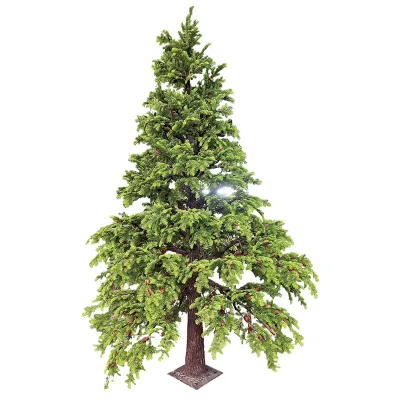
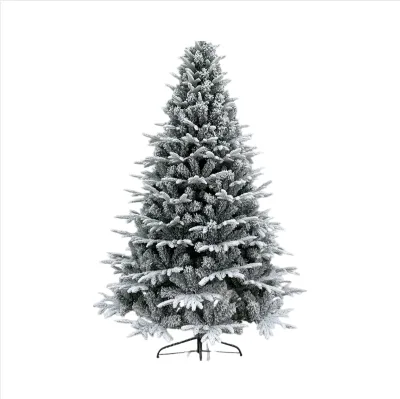
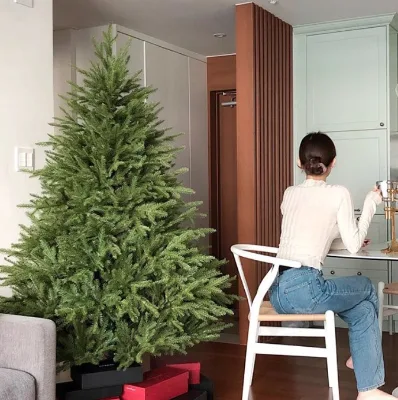
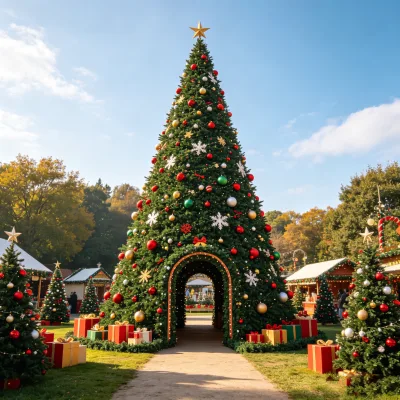
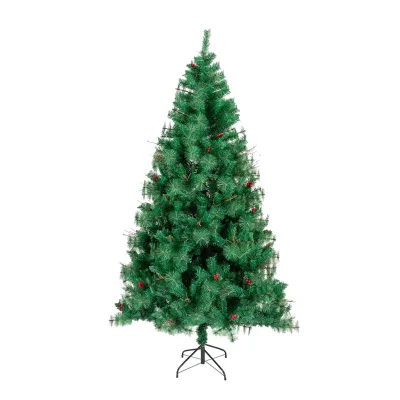



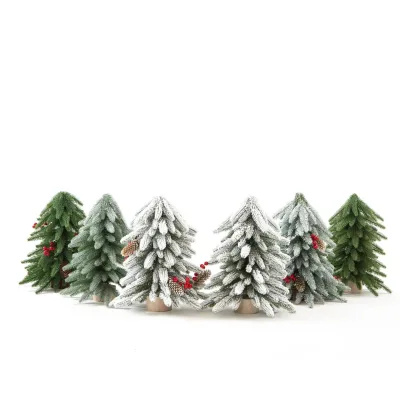


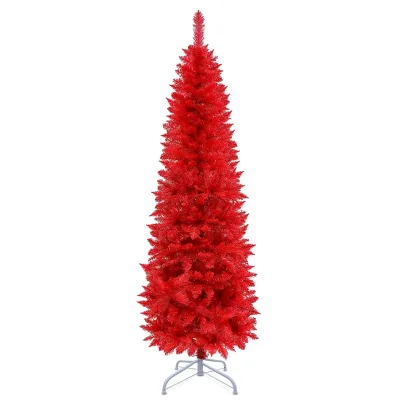
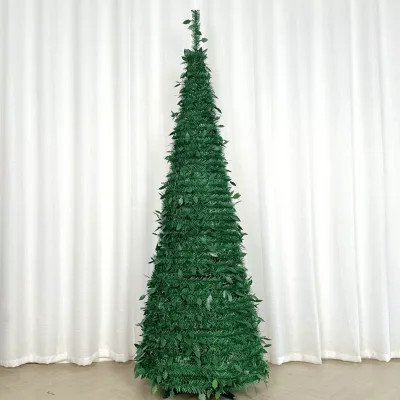
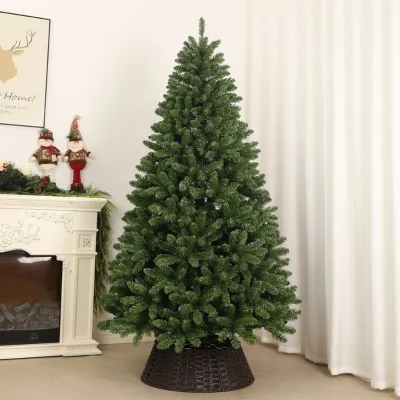
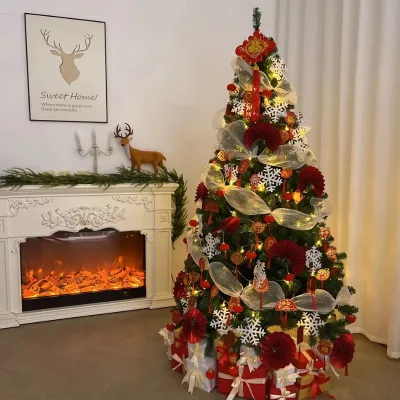
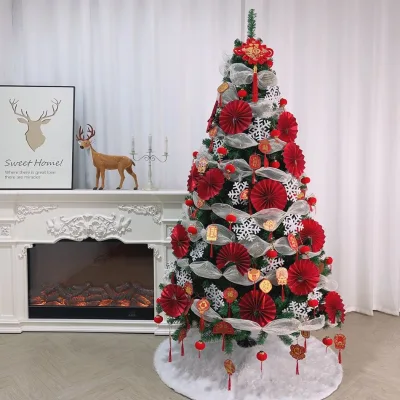
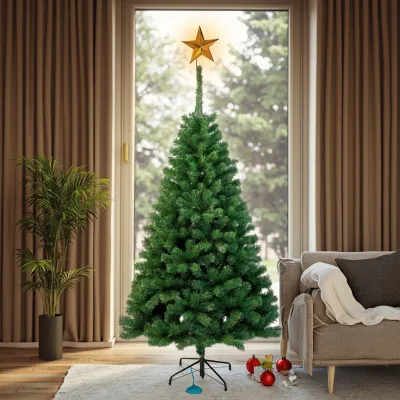
Christmas Tree Indoor Christmas Decor Artificial Trees Indoor Decorations Gifts Christmas Tree
$0.8739 - $36.9623
MOQ: 10 Minimum


Comprehensive Sourcing Guide
Outdoor Commercial Artificial Christmas Tree Sourcing Guide
Procuring artificial Christmas trees for outdoor commercial environments requires a distinct approach compared to residential sourcing, as these installations must withstand weather exposure, high foot traffic, and extended display periods. Buyers must prioritize durability and structural integrity, ensuring that the selected units can maintain their aesthetic appeal throughout the holiday season without rapid degradation. The core keyword highlights the need for products that balance visual impact with functional resilience, making material selection and construction quality paramount for long-term value.
Commercial buyers often seek trees that offer high realism and ease of installation to reduce labor costs during setup and takedown. The observed market includes options ranging from small decorative pieces to large-scale trees, with specific models designed for standing placement in public spaces. Understanding the specific application, whether it be a shopping mall atrium, a municipal plaza, or a corporate campus, helps in narrowing down the appropriate size and style to meet both safety regulations and brand image requirements.
Product Scope and Observed Listing Signals
The current market landscape for outdoor commercial artificial Christmas trees includes a variety of shapes, sizes, and customization options. Listings indicate that manufacturers offer products with heights ranging from 3ft to 15ft, allowing for flexible deployment in different spatial contexts. Buyers should note that while many products are marketed for both indoor and outdoor use, specific models may have limitations regarding weather resistance, necessitating careful review of product descriptions to ensure suitability for external environments.
Observed product attributes reveal a strong emphasis on customization, with suppliers offering tailored solutions to meet specific design needs. Common features include realistic cedar or cypress species simulations, multicolour lighting options, and sturdy bases designed for standing placement. The presence of handmade technology in some listings suggests a focus on detailed craftsmanship, which can enhance the visual authenticity of the trees. However, buyers must verify whether these handmade elements impact production lead times or consistency across large orders.
Technical Specifications to Verify
When evaluating technical specifications, buyers must confirm the power source and lighting configuration of the trees. Some models are electrically powered, requiring compliance with electrical safety standards, while others are non-powered or battery-operated, offering greater flexibility for outdoor installations where power access may be limited. It is crucial to verify the light temperature and type, as well as whether batteries are included, to ensure the final product meets the desired aesthetic and operational requirements without unexpected additional costs.
Material composition and construction details are equally important for outdoor durability. Plastic and other synthetic materials are commonly used, but the quality of these materials can vary significantly between suppliers. Buyers should inquire about the UV resistance of the foliage and branches to prevent fading under sunlight exposure. Additionally, the base type and overall stability of the tree must be assessed to ensure it can withstand wind and accidental contact in high-traffic commercial areas, reducing the risk of tipping or damage.
Compliance and Safety Documentation
Safety compliance is non-negotiable for commercial installations, particularly in public spaces where children and large crowds may interact with the displays. Buyers must ensure that all electrical components, if present, meet relevant regional standards such as CE, RoHS, EMC, LVD, FCC, or SAA certifications. These certifications indicate that the products have undergone rigorous testing for electrical safety, electromagnetic compatibility, and hazardous substance restrictions, providing a baseline level of assurance for commercial use.
Documentation should also cover fire safety and material toxicity, especially for trees used in enclosed or semi-enclosed outdoor areas. Buyers should request test reports or certificates of conformity from suppliers to verify that the materials used are non-toxic and flame-retardant. This due diligence helps mitigate liability risks and ensures that the installations comply with local fire codes and public safety regulations, protecting both the business and the public from potential hazards.
Cost Drivers and Commercial Terms
Several factors influence the total cost of ownership for outdoor commercial artificial Christmas trees, including size, customization level, and material quality. Larger trees with realistic features and custom designs typically command higher prices, while standard models offer more budget-friendly options. Buyers should also consider the packaging method, as robust packaging such as bubble wrap with wood frames or cartons can prevent damage during shipping, potentially reducing replacement costs and logistical issues.
Commercial terms such as minimum order quantity (MOQ), sample times, and loading ports play a significant role in procurement planning. MOQs can range from small batches to larger volumes, affecting inventory management and cash flow. Sample times of 7-15 days allow buyers to evaluate product quality before committing to full orders, while understanding the loading port, such as Shenzhen, helps in estimating shipping durations and associated logistics costs. Clear communication on these terms ensures a smoother procurement process.
Supplier Qualification and Quality Control
Selecting a reliable supplier is critical for ensuring consistent quality and timely delivery of outdoor commercial artificial Christmas trees. Buyers should verify the supplier’s manufacturing capabilities, including their experience with handmade techniques and their ability to produce customized designs at scale. Checking for certifications and past performance in similar projects can provide insights into the supplier’s reliability and commitment to quality standards.
Quality control measures should be established before placing orders, including clear specifications for materials, dimensions, and aesthetic details. Buyers may request pre-shipment inspections or third-party quality audits to verify that the products meet the agreed-upon standards. Establishing a strong relationship with the supplier and maintaining open communication channels can help address any issues promptly, ensuring that the final products meet the high expectations required for commercial displays.
Long-Term Procurement Checks
Long-term procurement success depends on regular evaluation of supplier performance and product durability. Buyers should monitor the condition of the trees after each season, noting any signs of wear, fading, or structural failure. This feedback loop can inform future purchasing decisions, helping to identify suppliers who consistently deliver high-quality products that withstand outdoor conditions.
Additionally, staying informed about industry trends and new technologies can provide competitive advantages. Buyers should explore innovations in materials and design that enhance realism, sustainability, and ease of maintenance. By continuously assessing market offerings and supplier capabilities, businesses can optimize their procurement strategies, ensuring that their outdoor commercial Christmas displays remain impactful, safe, and cost-effective over time.
FAQs
Can outdoor commercial artificial christmas trees be customized?
Yes, customization is available for these trees. The product attributes indicate that customization options exist, allowing buyers to specify details like shape, design, and standard requirements to meet specific commercial needs.
What certifications do these trees typically hold?
These trees commonly hold CE, RoHS, EMC, LVD, FCC, and SAA certifications. These standards ensure safety and compliance for electrical and general product requirements in various international markets where they are sold.
How are these trees packed for shipping?
Packing methods include bubble wrap with a wood frame or carton, single items per carton, or polybag and box options. This ensures protection during transit while accommodating different shipping requirements for commercial orders.
What is the sample time for these products?
The sample time ranges from 7 to 15 days. This duration allows buyers to evaluate product quality and specifications before committing to larger orders, ensuring the trees meet their specific commercial decoration needs.
Which materials are used for these artificial trees?
Materials include plastic and cedar species for artificial trees. These materials are selected to provide realistic appearances and durability suitable for both indoor and outdoor commercial applications during the holiday season.
Can these trees be used in outdoor settings?
Yes, these trees are designed for both indoor and outdoor applications. Their features support use in various environments, making them versatile choices for commercial spaces requiring festive decorations in different weather conditions.
What is the minimum order quantity for these trees?
The minimum order quantity is 50 pieces. This MOQ applies to standard orders, allowing buyers to procure sufficient stock for commercial displays while maintaining cost-effectiveness for bulk purchasing requirements.