Source Outdoor Rainbow Play Toy Ball for Kindergarten, School, Home
Compare 30 listings for the Outdoor Rainbow Play Toy Ball featuring PVC and rubber materials with anti-slip textures. Buyers can evaluate sizes from 5 to 10 inches, certifications like CE and EN71, and customization options for kindergarten, school, and home use.
Updated
Key considerations
Products List


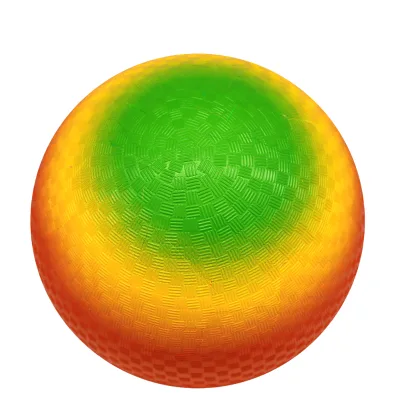
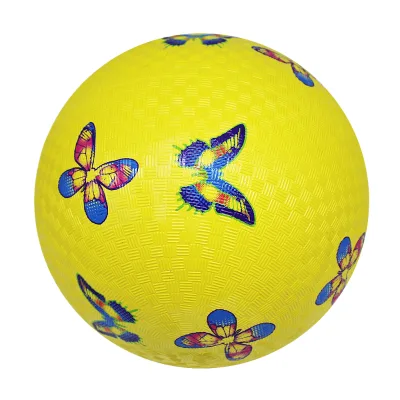
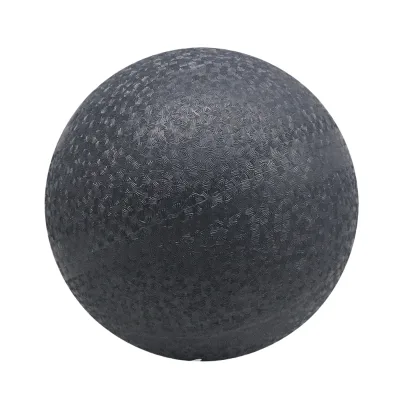
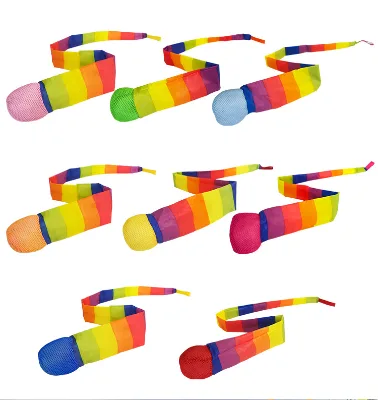
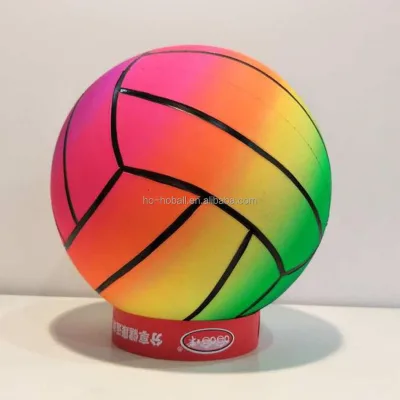
$0.7181 - $0.8722
MOQ: 5000 Minimum
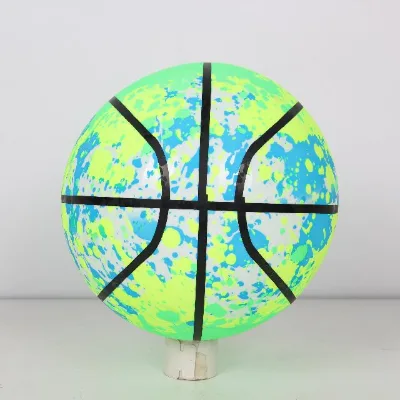


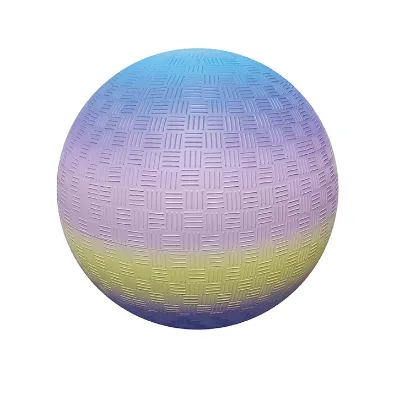
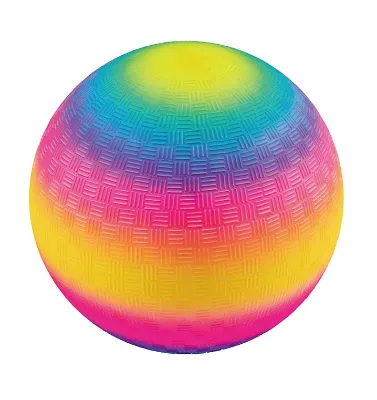
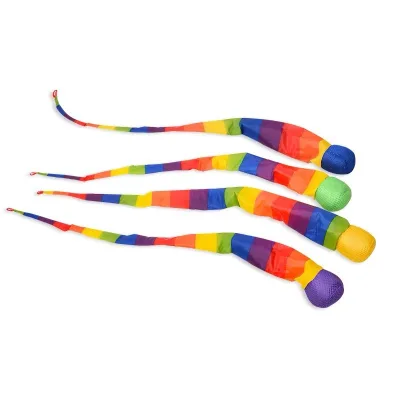


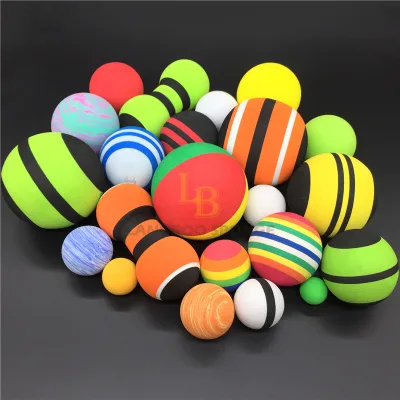
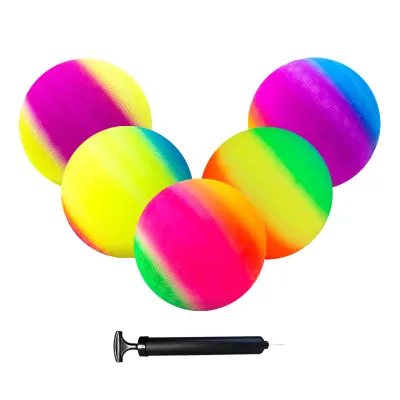
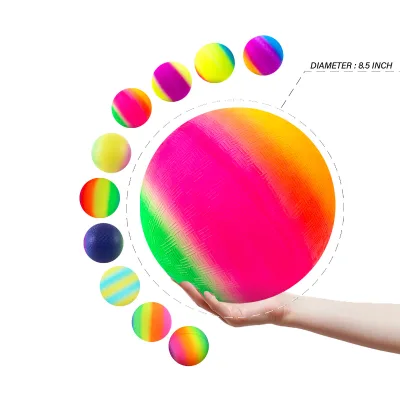
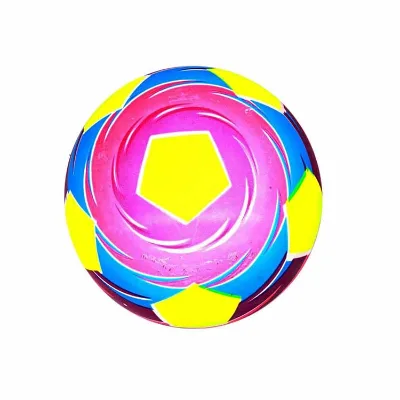
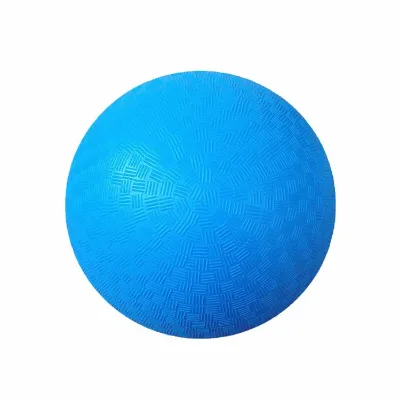
8.5Inch Rainbow Colored Bouncing Kick Balls New Bounce Playground Balls for Kids
$0.70 - $0.80
MOQ: 5000 pieces

Comprehensive Sourcing Guide
Outdoor Rainbow Play Toy Ball Sourcing Guide
Procuring outdoor rainbow play toy balls requires a careful balance between aesthetic appeal and functional durability, as these items serve diverse environments ranging from kindergarten classrooms to public playgrounds. Buyers must first distinguish between the primary material options observed in the market, which predominantly include PVC and natural rubber, as each offers distinct performance characteristics. PVC variants are often noted for their soft, bouncy texture and anti-slip surfaces, making them suitable for younger children aged three and above, while natural rubber options provide a more traditional feel with high elasticity. Understanding these material differences is critical for selecting the right product for specific age groups and usage intensities, ensuring that the toy meets both safety expectations and play requirements.
The visual design of these balls, often featuring rainbow patterns or customizable colors, plays a significant role in their marketability, particularly for educational institutions and home use. Suppliers frequently offer customization services, allowing buyers to specify colors, logos, or specific patterns to align with brand identity or thematic requirements. However, it is essential to verify whether the customization involves logo printing or if the product arrives without branding, as this impacts the final presentation and potential resale value. Additionally, the availability of OEM and ODM services suggests that buyers can work closely with manufacturers to tailor specifications, but this process requires clear communication of design intent and approval workflows to avoid discrepancies in the final delivered goods.
Product Scope and Observed Listing Signals
The observed product listings reveal a wide range of specifications, with sizes varying from 5 inches to 10 inches, and some larger options reaching up to 95 cm in diameter. This variety allows buyers to select balls appropriate for different activities, such as small-handled dodge balls for younger children or larger balls for group games in schools and playgrounds. The product status is typically listed as uninflated for shipping, which significantly reduces logistics costs and storage space requirements, but it also necessitates that the end-user or distributor has the capability to inflate the balls before use. Buyers should confirm the inflation requirements and recommended pressure levels to ensure the product performs as intended once deployed in its final application environment.
Packing details indicate that products are often shipped in standard cartons, with single package dimensions around 30x12x12 cm and a gross weight of approximately 1.000 kg per unit. This standardized packing facilitates efficient handling and stacking in warehouses, but buyers must calculate the total volume and weight for their specific order quantity to determine accurate freight costs. The selling unit is typically listed as a single item, which simplifies inventory management but may require bulk ordering to achieve economies of scale. Understanding the packing configuration is crucial for planning storage solutions and ensuring that the products can be easily distributed to various points of use, such as classrooms or play areas, without damage during transit.
Technical Specifications to Verify
When evaluating technical specifications, buyers should prioritize the product hardness and texture, as these attributes directly influence the user experience and safety. Products described as having a soft, bouncy feel with an anti-slip textured surface are particularly suitable for kindergarten and school environments where children may have varying levels of motor skill development. It is important to verify that the surface texture provides adequate grip without being abrasive, ensuring that the ball is easy to hold and throw. Additionally, the material composition, whether PVC or natural rubber, should be confirmed to ensure it meets the desired durability and environmental resistance standards, especially for outdoor use where exposure to sunlight and weather conditions can affect material integrity over time.
Size consistency is another critical technical aspect, with models such as ZG-CHCCQ and FD-HY077 offering specific size ranges like 5, 6, 7, and 8.5 inches. Buyers must ensure that the ordered sizes match the intended application, as discrepancies can lead to usability issues or safety hazards. The model numbers provided by suppliers serve as unique identifiers for these specifications, so referencing them accurately in purchase orders is essential to avoid receiving incorrect items. Furthermore, the weight of the ball, which varies according to size, should be considered for activities requiring specific throwing distances or handling strengths, ensuring that the product aligns with the physical capabilities of the target age group.
Compliance and Safety Documentation
Safety compliance is paramount when sourcing toys for children, and buyers must verify that products hold relevant certifications such as CE, ISO9002, EN71, BV, and TUV. These certifications indicate that the manufacturer adheres to international quality and safety standards, reducing the risk of harmful materials or structural failures. The presence of EN71 certification, in particular, is crucial for products intended for the European market, as it ensures compliance with strict toy safety regulations. Buyers should request copies of these certificates and verify their validity with the issuing bodies to ensure that the products meet the legal requirements of their target markets, thereby protecting their brand reputation and avoiding potential legal liabilities.
In addition to certifications, buyers should inquire about the testing procedures used to validate product safety, including tests for durability, chemical composition, and small parts. While specific test results are not always listed in product descriptions, reputable suppliers should be able to provide detailed reports upon request. It is also important to check if the product has been tested for flammability and toxicity, especially for items made from PVC or rubber, which may contain additives that could pose health risks. Ensuring that the supplier has a robust quality management system in place, as indicated by ISO9002 certification, further supports the reliability of these safety measures and provides confidence in the product's overall quality.
Cost Drivers and Commercial Terms
The cost of outdoor rainbow play toy balls is influenced by several factors, including material type, size, customization requirements, and order volume. Observed price ranges vary significantly, with some items listed as low as $0.02 and others up to $3.80, reflecting the diversity in product quality and specifications. Buyers should consider the trade-off between price and quality, as lower-cost items may compromise on material durability or safety standards. Additionally, the MOQ (Minimum Order Quantity) ranges from 1 to 10,000 pieces, with some suppliers requiring a minimum of 100 or 500 pieces, which can impact the initial investment and inventory risk for smaller buyers. Understanding these cost drivers helps in budgeting accurately and negotiating favorable terms based on order volume and customization needs.
Commercial terms such as production time and payment conditions also play a significant role in the procurement process. Production times typically range from 20 to 45 days, depending on the complexity of the order and the supplier's current workload. Buyers should plan their procurement timeline accordingly to avoid delays in receiving goods, especially for time-sensitive projects or seasonal demands. Payment terms may vary, so it is advisable to negotiate clear conditions that protect both parties, such as using secure payment methods or escrow services. Additionally, buyers should clarify any additional costs for customization, such as logo printing or special packaging, to avoid unexpected expenses that could affect the overall project budget.
Supplier Qualification and Quality Control
Selecting a qualified supplier is essential for ensuring consistent product quality and reliable service. Buyers should verify the supplier's location, with many manufacturers based in Jiangsu, China, a region known for its robust manufacturing infrastructure. It is important to assess the supplier's production capacity and quality control processes to ensure they can meet order volumes and maintain high standards. Suppliers that offer OEM and ODM services demonstrate flexibility and expertise in customizing products, but buyers should evaluate their ability to maintain consistency across large production runs. Requesting samples before placing bulk orders is a prudent step to verify product quality, material integrity, and adherence to specified standards.
Quality control measures should be clearly defined and agreed upon with the supplier, including inspection protocols and acceptance criteria. Buyers should inquire about the supplier's internal quality assurance processes, such as raw material testing, in-process inspections, and final product checks. Additionally, it is beneficial to establish a clear communication channel for addressing any quality issues that may arise during production or after delivery. Suppliers that are transparent about their quality control practices and willing to collaborate on improvements are more likely to deliver products that meet buyer expectations. Building a strong relationship with a reliable supplier can lead to better pricing, priority production, and improved support throughout the procurement lifecycle.
Long-Term Procurement Checks
Long-term procurement success depends on continuous monitoring of supplier performance and product quality. Buyers should establish key performance indicators (KPIs) to track metrics such as on-time delivery, product defect rates, and responsiveness to issues. Regular audits or third-party inspections can provide objective assessments of the supplier's operations and compliance with agreed standards. Additionally, staying informed about changes in safety regulations and market trends is crucial for ensuring that the products remain compliant and competitive. Buyers should also consider the environmental impact of the materials used, exploring options for sustainable or recyclable materials if applicable, to align with growing consumer demand for eco-friendly products.
Feedback loops with end-users, such as schools and parents, can provide valuable insights into product performance and satisfaction. Collecting and analyzing this feedback helps identify areas for improvement and informs future procurement decisions. Buyers should also maintain a diversified supplier base to mitigate risks associated with supply chain disruptions or quality inconsistencies. Regularly reviewing and updating procurement strategies based on market conditions and supplier performance ensures that the organization remains agile and responsive to changing needs. By focusing on long-term relationships and continuous improvement, buyers can secure a steady supply of high-quality outdoor rainbow play toy balls that meet the evolving demands of their customers.
FAQs
What certifications do outdoor rainbow play toy balls have?
These balls typically hold CE, ISO9002, EN71, BV, and TUV certifications. Such credentials ensure compliance with international safety and quality standards for children's products. Buyers should verify specific test reports to confirm that the materials and manufacturing processes meet the required regulatory frameworks for their target markets.
Can I customize the logo on these playground balls?
Yes, customization is available for logo printing on these items. Suppliers offer options for custom logos, allowing brands to enhance visibility. While some listings mention without logo printing, others explicitly support custom logo printing. OEM and ODM services are acceptable, enabling tailored branding solutions for specific business needs.
What materials are used to make these rainbow balls?
Manufacturers use materials such as PVC, nature rubber, and textile for these balls. PVC options often feature anti-slip textured surfaces and soft bouncy properties. Rubber variants provide durability for school sports, while textile versions offer alternative textures. The material choice depends on the desired hardness, application, and specific product performance requirements.
What are the standard sizes for these play balls?
Standard sizes include 5-inch, 6-inch, 7-inch, 8.5-inch, and 10-inch options. Some models also offer 65cm and 95cm sizes. These dimensions cater to various age groups, particularly children aged 3 and above. The variety allows buyers to select appropriate sizes for kindergarten, school, home, or playground applications based on user needs.
What is the typical MOQ for ordering these balls?
The minimum order quantity varies, with observed ranges from 1 to 10,000 pieces. Specific listings indicate MOQs of 100 pieces or 500 pieces. Buyers can often negotiate based on volume. Lower MOQs facilitate testing, while higher volumes may unlock better pricing. Always confirm the exact MOQ with the supplier before placing an order.
Where are these rainbow play balls manufactured?
These products are primarily manufactured in China, with specific origins in Jiangsu province. The production location influences logistics and lead times. Buyers should consider shipping costs and import regulations when sourcing from this region. The origin is a key factor in determining the overall landed cost and supply chain efficiency for international orders.