Source Portable Bubble Machine for Events, Parties, and Retail
Find 30 Portable Bubble Machine options from China. Compare specifications like EN71 certification, plastic materials, and OEM services for promotional and retail use. These units feature various colors and age ranges suitable for different audiences; compare the available evidence and request quotations based on your requirements.
Updated
Key considerations
Products List
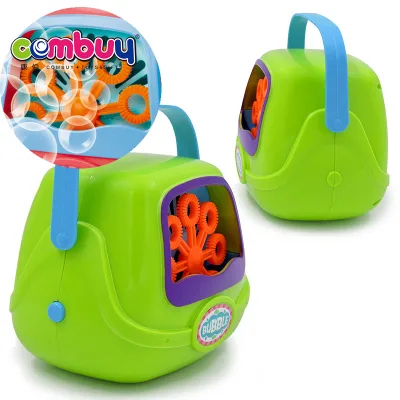
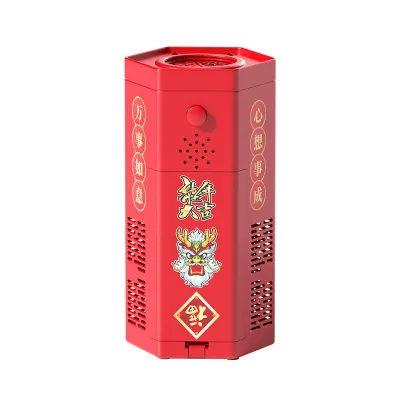
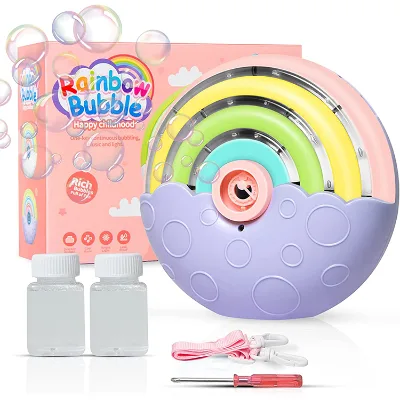
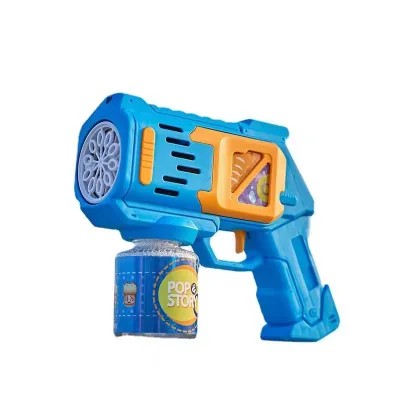
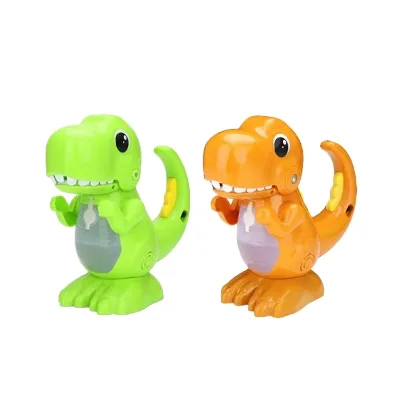
Summer Outdoor Automatic Bubble Blower Machine for Kids with Light Electric Kids' Fun Bubble Gun
$1.3838 - $1.5992
MOQ: 72 pieces
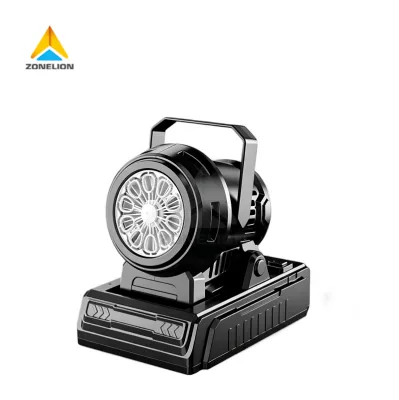
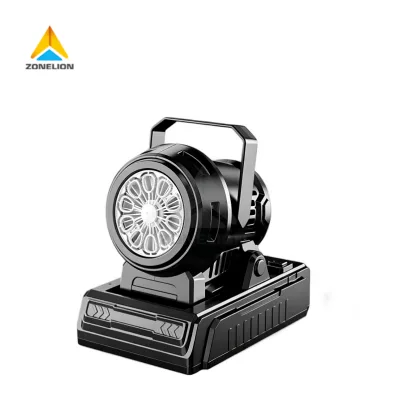


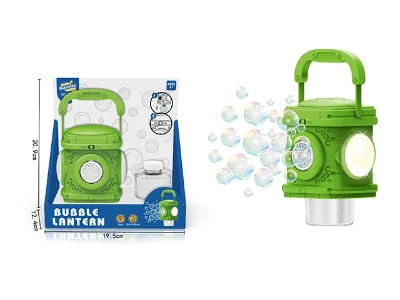
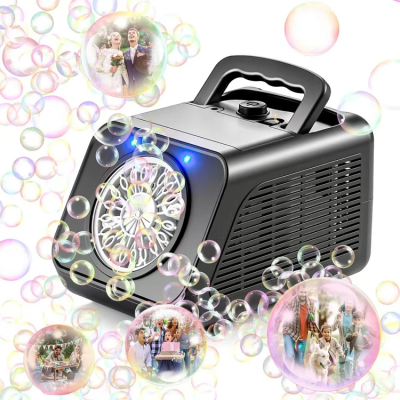
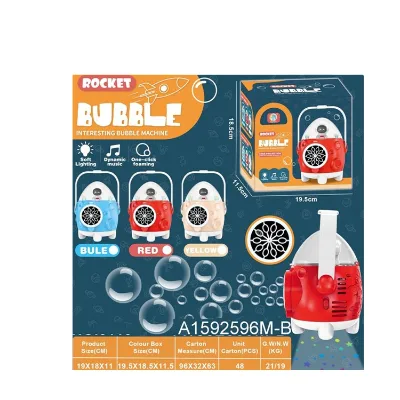
Rocket Bubble Machine Blower Cute Automatic Bubble Maker With Music Light Bubbles Per Minutes
$2.9905 - $3.3615
MOQ: 240 pieces


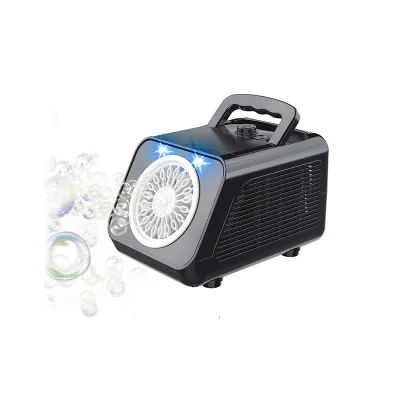
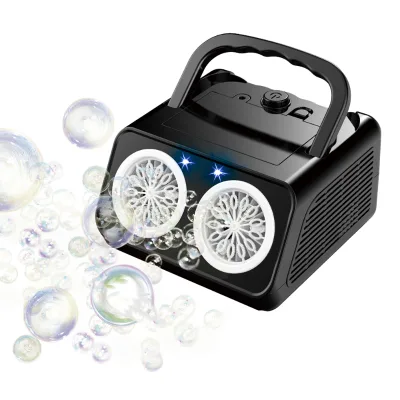

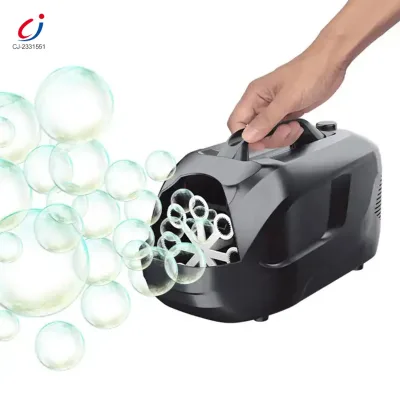
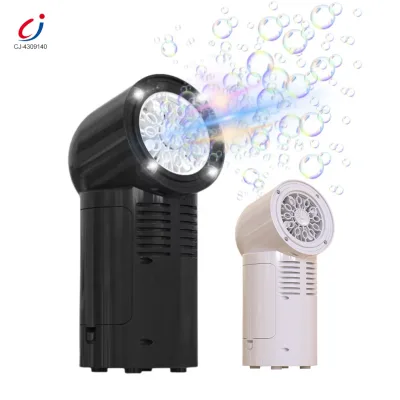
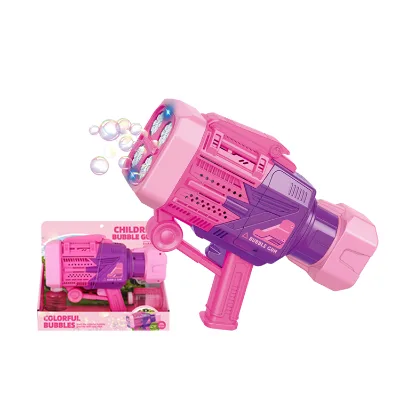
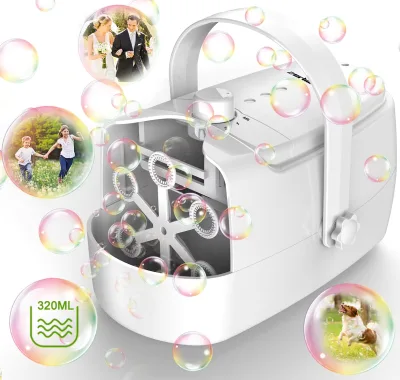
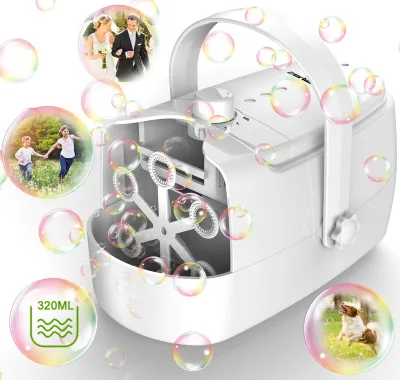
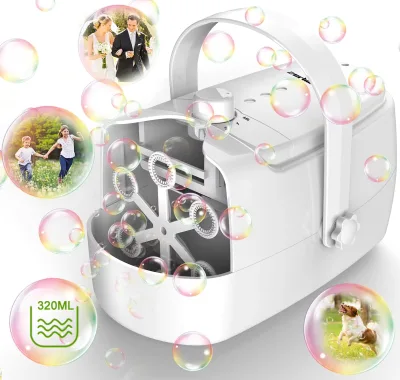
Portable Space-Themed Bubble Machine with 32 Holes Light Effects Ideal for Outdoor Games and Parties
$5.3497 - $6.8801
MOQ: 180 pieces
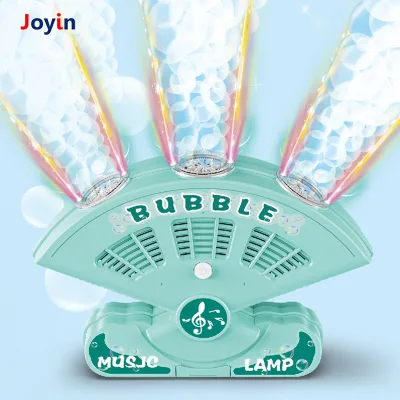
Comprehensive Sourcing Guide
Portable Bubble Machine Sourcing Guide
Procuring portable bubble machines requires careful attention to the distinction between consumer-grade toys and commercial-grade event equipment. The market offers a wide spectrum of products, ranging from small, battery-operated units designed for individual play to large, high-capacity machines intended for stage performances and promotional events. Buyers must first define their end-use scenario, as this decision dictates the necessary power source, bubble solution capacity, and durability requirements. Understanding these operational differences is critical to avoiding mismatches between product capabilities and actual business needs.
The sourcing landscape includes manufacturers from key industrial hubs such as Guangdong and Henan in China, with some production originating in Shantou. These regions are known for plastic manufacturing and toy assembly, offering a variety of design options including OEM and ODM services. Buyers should evaluate whether they need standard off-the-shelf items or customized solutions that can incorporate specific branding or unique aesthetic features. This initial segmentation helps narrow down the supplier pool to those with relevant production expertise and capacity.
Product Scope and Observed Listing Signals
Current market listings reveal a diverse range of product attributes, including specific model numbers like CB843199, GS448608, and ZL-D-1. These identifiers often correspond to distinct physical dimensions and packaging configurations, which directly impact logistics planning. For instance, some units are compact with single package sizes around 20.5x11x15 cm, while others are significantly larger, with carton sizes reaching 68x43x92 cm. Observing these variations allows buyers to estimate storage requirements and shipping volumes more accurately before engaging with suppliers.
Color options and target age ranges also vary across listings, with common choices including green, red, blue, pink, and white. Age recommendations typically span from 2 to 4 years up to 8 to 13 years, indicating a broad market appeal. Some products are explicitly marketed for promotional use or as cartoon-style toys, while others are designed as functional stage equipment with multiple bubble holes. Buyers should verify these attributes against their specific customer demographics to ensure the selected models align with safety expectations and aesthetic preferences.
Technical Specifications to Verify
Technical verification must begin with power requirements and operational modes. Many portable units are described as automatic electric foam bubble machines, which implies a need for stable power sources such as batteries or AC adapters. Buyers should confirm the voltage compatibility for their target markets and inquire about battery life and replacement costs. Additionally, the material composition, predominantly plastic, should be assessed for durability and resistance to wear, especially for high-traffic commercial applications where frequent handling is expected.
Packaging and dimensional data are crucial for calculating landed costs and warehouse efficiency. Listings show varying gross weights, such as 32.0 kg per batch or 20.0 kg for single items, alongside specific CBM values like 0.269 or 0.381 cbm. These metrics influence freight charges and handling requirements. Buyers must also check the quantity per carton, which can range from single items to multiples of 48 or 72 pieces, to optimize palletization and reduce per-unit shipping expenses during bulk orders.
Compliance and Safety Documentation
Safety compliance is non-negotiable for toy and event equipment procurement. Listings frequently cite EN71 and ENASTM certifications, which are essential for selling in European and North American markets, respectively. Buyers must request valid test reports from accredited laboratories to verify that these certifications are current and applicable to the specific models being ordered. Relying on generic certification claims without documentation can lead to customs delays or product recalls, making rigorous document verification a critical step in the sourcing process.
Beyond standard certifications, buyers should investigate additional safety features such as rounded edges, non-toxic materials, and secure battery compartments. For products targeting younger age groups, such as those aged 2 to 4 years, stricter safety standards apply. It is advisable to ask suppliers about their quality control processes during manufacturing and whether they conduct internal safety tests. Ensuring that the product meets all local regulatory requirements protects the buyer from legal liabilities and enhances brand trust among end consumers.
Cost Drivers and Commercial Terms
Pricing in this category is influenced by several factors, including material quality, electronic components, and customization levels. Observed price ranges can vary significantly, reflecting differences in production complexity and order volume. Buyers should request detailed quotations that break down costs for tooling, mold fees, and unit prices, especially if OEM or ODM services are required. Understanding these cost drivers helps in negotiating better terms and identifying potential areas for cost reduction without compromising quality.
Minimum Order Quantities (MOQs) and payment terms are also key commercial considerations. Listings indicate MOQs ranging from 1 to 7600 units, offering flexibility for both small trial orders and large-scale procurement. Buyers should clarify lead times, production schedules, and shipping methods to ensure timely delivery. Additionally, discussing warranty periods, such as the 1-year warranty mentioned in some listings, can provide valuable protection against manufacturing defects and reduce long-term maintenance costs.
Supplier Qualification and Quality Control
Evaluating supplier qualifications involves verifying their manufacturing capabilities and past performance. Buyers should request company profiles, production facility tours, or third-party audit reports to assess the supplier’s reliability. Suppliers offering customization services should demonstrate their ability to handle design changes and maintain consistency across batches. Checking references from previous clients can provide insights into the supplier’s responsiveness, quality consistency, and after-sales support capabilities.
Quality control measures should be clearly defined in the purchase agreement. Buyers should specify inspection points, such as pre-production samples, during-production checks, and final random inspections. Establishing clear acceptance criteria for defects, packaging integrity, and functional performance ensures that the delivered goods meet expectations. Implementing a robust quality assurance process helps mitigate risks and maintains product standards, which is essential for building a reputable brand in the competitive bubble machine market.
Long-Term Procurement Checks
Sustainable sourcing requires ongoing monitoring of supplier performance and market trends. Buyers should regularly review supplier metrics, including on-time delivery rates, defect rates, and communication effectiveness. Establishing a long-term partnership with reliable suppliers can lead to better pricing, priority production slots, and improved support for new product developments. Continuous engagement helps in adapting to changes in material costs, regulatory requirements, and consumer preferences, ensuring that the procurement strategy remains effective and competitive.
Additionally, buyers should stay informed about emerging technologies and design innovations in the bubble machine sector. This includes advancements in energy efficiency, smart features, and eco-friendly materials. By keeping abreast of these developments, buyers can make informed decisions about product upgrades and diversification. Regularly updating the supplier base and exploring new sourcing opportunities ensures resilience against supply chain disruptions and maintains a competitive edge in the marketplace.
FAQs
What certifications do portable bubble machines have?
Portable bubble machines typically hold EN71 and ENASTM certifications to ensure safety for children. These standards verify that the plastic materials and electrical components meet strict regulatory requirements. Buyers should verify specific documentation for each model to confirm compliance with local import regulations and child safety laws.
What is the typical age range for these toys?
These portable bubble machines are designed for children aged 2 to 13 years. Specific models target toddlers aged 2 to 4 years, while others suit older children aged 5 to 7 or 8 to 13 years. Selecting the appropriate age range ensures the toy's complexity and safety features match the user's developmental stage.
Can I customize the design of the bubble machine?
Yes, customization is available for portable bubble machines through OEM and ODM services. Buyers can request specific colors, logos, or cartoon styles to match their brand identity. This service allows for unique product differentiation in the market, catering to promotional events or specific retail requirements with tailored designs.
What are the standard packaging dimensions for bulk orders?
Standard packaging varies by model, with carton sizes ranging from 64x45x45 cm to 91x41x102 cm. Gross weights per batch typically range from 20 kg to 32 kg. These dimensions help logistics planners calculate shipping volume and costs accurately, ensuring efficient loading and safe transport of the plastic bubble machines.
Where are these portable bubble machines manufactured?
These machines are primarily manufactured in Guangdong and Henan provinces in China, with some origins in Shantou. These regions are known for strong toy manufacturing ecosystems. Buyers can leverage this geographic concentration to access reliable suppliers with established supply chains and competitive pricing structures for bulk procurement.
What is the minimum order quantity for these items?
Minimum order quantities vary significantly, ranging from 1 unit to 7600 units depending on the supplier and model. Some items are sold as single units, while others require multiples of 72. Buyers should check specific product listings to determine the exact MOQ that aligns with their inventory needs and budget constraints.