Source oversized anti-wrinkle printed t-shirt for events, teams, and promotions
Compare 30 listings for the oversized anti-wrinkle printed t-shirt featuring cotton, woven, and knitted options with custom logos. Buyers can evaluate varying MOQs, packing styles, and seasonal suitability for summer use.
Key considerations
Products List


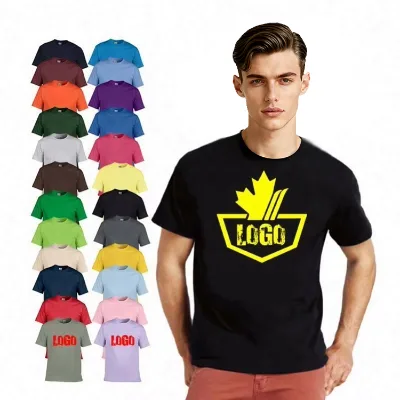
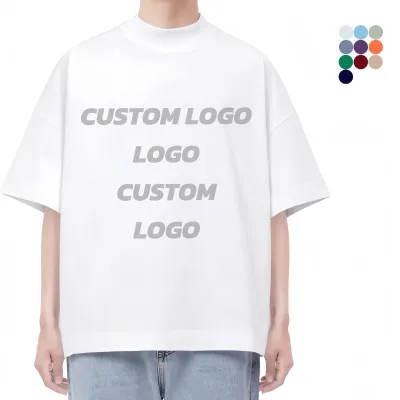

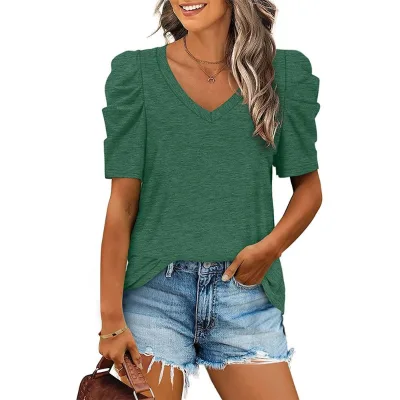
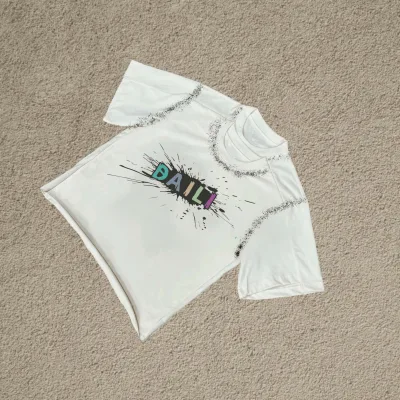


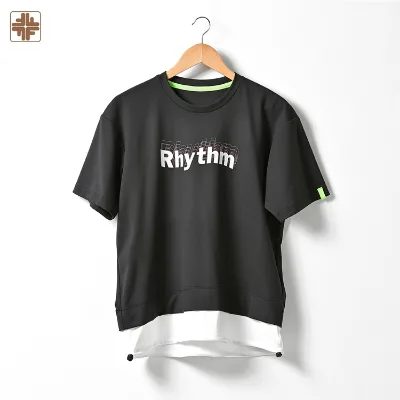
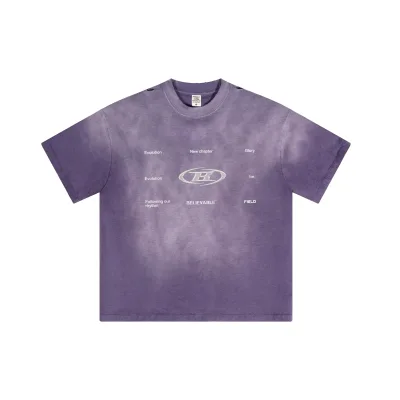
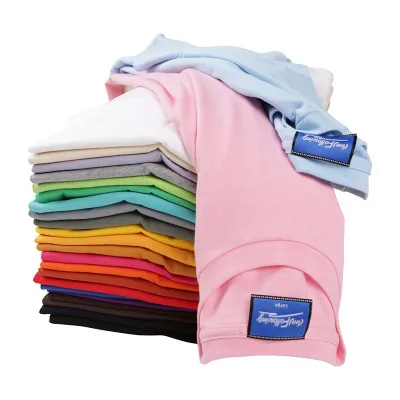


Custom Logo Washed Men Oversized Casual Printed T Shirt Men's Blank T-Shirt
$2.63 - $4.29
MOQ: 100 Pieces


Comprehensive Sourcing Guide
Oversized Anti-Wrinkle Printed T-Shirt Sourcing Guide
Sourcing oversized printed t-shirts requires a nuanced understanding of how silhouette, fabric treatment, and decoration methods intersect to create a product that balances aesthetic appeal with functional durability. The "oversized" fit is not merely a size increment but a specific design choice that alters the drape, shoulder seam placement, and overall volume of the garment, often appealing to streetwear markets and casual lifestyle segments. Buyers must distinguish between true oversized cuts, which involve pattern grading adjustments, and simple size up-sizing, which can result in poor fit and excessive fabric waste. The "anti-wrinkle" attribute suggests a specific finish or blend, potentially involving synthetic fibers or chemical treatments that enhance recovery from compression, a critical feature for promotional items or travel-oriented apparel where presentation matters upon unpacking.
The "printed" aspect introduces a layer of complexity regarding decoration longevity and cost. Unlike embroidered logos, which add thickness and texture, printing methods such as screen printing, digital direct-to-garment (DTG), or heat transfer must be selected based on the desired hand feel and durability. High-density printing, as observed in some market listings, offers vibrant, opaque coverage but can feel stiff if not applied correctly. Buyers need to evaluate how the printing process interacts with the anti-wrinkle finish, as certain heat treatments used in printing can compromise the fabric's wrinkle-resistant properties or cause cracking over time. This guide outlines the critical verification steps to ensure the final product meets both aesthetic and performance expectations.
Product Scope and Observed Listing Signals
The current market landscape for oversized printed t-shirts reveals a wide variance in specifications, with observed price points ranging from $0.92 to $15.33 USD. This broad range indicates significant differences in material quality, decoration complexity, and order volumes. Lower price points often correlate with basic cotton blends or minimal decoration, while higher tiers may involve premium fabrics, complex multi-color prints, or specialized anti-wrinkle finishes. The minimum order quantity (MOQ) also varies substantially, from as low as 1 piece for sampling or small-batch customization to 2,000 pieces for large-scale production. Buyers should interpret these signals as indicators of supplier flexibility and capacity rather than fixed market rates, as customizations like logo placement and fabric weight can drastically alter the final cost.
Observed product attributes highlight a strong emphasis on customization and versatility. Many listings offer "various options" for fabric, allowing buyers to choose between 100% cotton, polyester blends, or mixed materials depending on the desired breathability and drape. The presence of both woven and knitted techniques in the market suggests that buyers are not limited to traditional jersey knits; woven cotton shirts can offer a more structured, crisp look that complements the oversized silhouette. Additionally, features such as "breathable" fabric and "moisture absorption" are frequently cited, indicating that functional performance is a key selling point alongside style. Buyers should verify these claims through sample testing, as marketing terms can sometimes be used loosely without standardized testing data to back them up.
Technical Specifications to Verify
Fabric composition is the primary determinant of the t-shirt's performance, particularly regarding the "anti-wrinkle" claim. While 100% cotton is a common choice for its natural feel and breathability, it is prone to wrinkling unless treated with resin finishes or blended with synthetic fibers like polyester or elastane. Buyers must request detailed fabric specifications, including the exact percentage of each fiber, to understand the garment's care requirements and longevity. The "normal" sleeve shape and "short sleeve" style are standard, but the "oversized" fit requires precise measurement verification, including chest width, body length, and shoulder drop, to ensure consistency across sizes. Inconsistent grading can lead to a garment that looks oversized in the body but tight in the shoulders, ruining the intended aesthetic.
Decoration and finishing techniques significantly impact the final product's quality and cost. The market offers various printing options, including "high density printing," "embroidered," and "printed" logos, each with distinct advantages. High-density printing provides a smooth, uniform surface but may crack if the fabric stretches excessively. Embroidery adds a premium feel but increases weight and cost. Buyers should verify the stitching types, such as "chain stitch," "hem stitch," or "cover stitch," as these affect the durability of the seams, especially in an oversized garment that undergoes more stress during wear. Additionally, the "rib collar" and "round neck" styles should be checked for elasticity and recovery to prevent stretching out over time, which is crucial for maintaining the garment's shape.
Compliance and Safety Documentation
Safety and compliance are non-negotiable aspects of apparel sourcing, particularly when dealing with chemical finishes like anti-wrinkle treatments. Buyers must ensure that suppliers adhere to relevant safety standards, such as OEKO-TEX, which certifies that the fabric is free from harmful substances. Although specific certification status may not be explicitly listed in all product descriptions, buyers should proactively request test reports to verify the absence of formaldehyde, heavy metals, and other hazardous chemicals. This is especially important for garments intended for children or sensitive skin, but it applies to all apparel to ensure brand safety and regulatory compliance in target markets.
Labeling and care instructions are also critical compliance elements. Accurate fiber content labeling is required by law in most jurisdictions, and buyers must verify that the supplier provides accurate and permanent labels. The observed "woven label customized" and "hand tag customized" options allow for brand integration, but the content must be truthful and compliant. Care instructions, such as "machine wash cold, inside out, avoid sun drying," should be clear and accurate to prevent customer dissatisfaction due to improper care. Buyers should review these instructions to ensure they align with the fabric's actual properties, as misleading care labels can lead to product returns and negative reviews.
Cost Drivers and Commercial Terms
The cost of oversized printed t-shirts is influenced by several key factors, including fabric weight, decoration complexity, and order volume. Heavier fabrics and complex multi-color prints will naturally increase the unit price, while larger order volumes can reduce costs through economies of scale. The observed MOQ range of 1 to 2,000 pieces suggests that suppliers are flexible, but buyers should be aware that lower MOQs often come with higher per-unit costs. Additionally, customization options such as "customized logo" and "mixed color" can add to the production time and cost, so buyers should plan their orders carefully to balance customization needs with budget constraints.
Packaging and logistics also play a significant role in the total landed cost. The observed packing methods, ranging from "one piece/set per OPP" to "cardboard box" and "carton 605050cm," indicate varying levels of protection and efficiency. Buyers should consider the destination market's requirements for packaging, such as sustainability concerns or retail display needs, when selecting packing options. Lead times, typically ranging from 10 to 15 days for production, should be factored into the supply chain planning to avoid stockouts or delays. Buyers should also inquire about sample order policies, as accepting samples is a common practice to verify quality before committing to large orders.
Supplier Qualification and Quality Control
Supplier qualification is essential to ensure consistent quality and reliable delivery. Buyers should verify the supplier's production capabilities, including their experience with oversized fits and anti-wrinkle finishes. Requesting references or case studies from previous clients can provide insight into the supplier's reliability and quality standards. Additionally, buyers should assess the supplier's quality control processes, including in-line inspections and final random inspections, to ensure that defects are identified and corrected before shipment. The observed "customizable" nature of many products suggests that suppliers are adaptable, but buyers should ensure that this flexibility does not come at the expense of quality control.
Communication and transparency are key indicators of a reliable supplier. Buyers should establish clear communication channels and expect regular updates on production progress. Suppliers who are transparent about potential challenges, such as fabric shortages or production delays, are more likely to be reliable partners. Buyers should also verify the supplier's location, with many listings indicating origins in China or Guangzhou, to understand the logistical implications. Understanding the supplier's location can help buyers anticipate lead times and shipping costs, and it can also provide insight into the local regulatory environment and labor practices.
Long-Term Procurement Checks
Long-term procurement success depends on continuous monitoring and relationship management. Buyers should establish key performance indicators (KPIs) to track supplier performance, including on-time delivery rates, defect rates, and responsiveness to issues. Regular audits and reviews can help identify areas for improvement and ensure that the supplier continues to meet quality and compliance standards. Building a strong relationship with the supplier can also lead to better pricing, priority production, and access to new innovations, such as improved anti-wrinkle technologies or sustainable fabric options.
Adaptability to market trends is crucial for long-term success. The fashion industry is dynamic, and buyer preferences can shift rapidly. Buyers should stay informed about emerging trends in oversized fits, printing techniques, and fabric innovations to remain competitive. Collaborating with suppliers on product development can help create unique offerings that stand out in the market. Additionally, buyers should consider diversifying their supplier base to mitigate risks associated with single-source dependencies. By maintaining a flexible and proactive approach to procurement, buyers can ensure a steady supply of high-quality oversized printed t-shirts that meet evolving customer demands.
FAQs
What customization options are available for the t-shirts?
Customization is available for logos, labels, and tags on these garments. Buyers can request woven labels, hand tags, and printed logos to match their brand identity. The fabric options vary, allowing for tailored selections based on specific design needs.
How is the product packed for shipment?
Packaging methods vary by model, including box packing, one piece per OPP bag, or cardboard boxes. Some orders specify carton dimensions of 60 by 50 by 50 centimeters. Buyers should confirm the specific packing standard required for their order quantity.
Can I order a sample before placing a bulk order?
Sample orders are accepted for these t-shirt models. This allows buyers to verify quality and customization details before committing to larger quantities. The lead time for sample processing may differ from standard bulk production timelines.
What are the minimum order quantity requirements?
Minimum order quantities range from one piece up to two thousand pieces depending on the specific product model. Some listings specify a minimum of one hundred pieces for certain customization options. Buyers should check the specific model requirements for accurate pricing.
Which fabric types are used for these t-shirts?
The primary material used is cotton, with various fabric options available for selection. Some models feature knitted or woven technics to achieve different textures. The fabric choice supports features like breathability and moisture absorption for summer wear.
What is the lead time for production?
Production lead times are typically between ten and fifteen days for standard orders. This duration may vary based on the complexity of customization and the specific model ordered. Buyers should confirm the exact timeline with the supplier before finalizing the purchase.
Where are these t-shirts manufactured?
The products originate from China, with specific manufacturing locations including Guangzhou. This origin information is consistent across the listed models and specifications. Buyers can expect supply chain logistics to be managed from these regions.