Source Oversized Distressed Washed Denim Pant for Retail
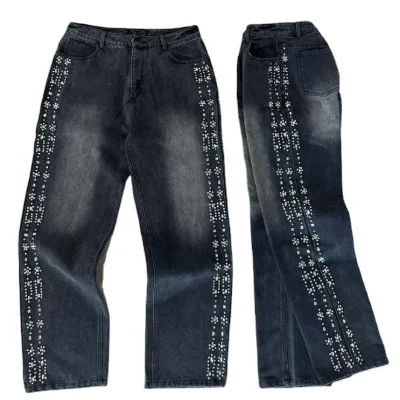
Explore 30 listings for the Oversized Distressed Washed Denim Pant, featuring high-waist flare and wide-leg styles. Compare options made from 100% cotton with vintage aesthetics, available in blue and black, suitable for spring and autumn seasons; compare the available evidence and request quotations based on your requirements.
Key considerations
Products List
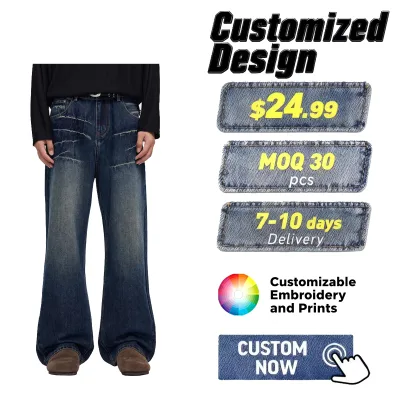
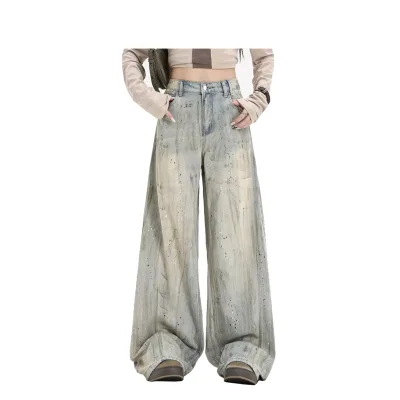
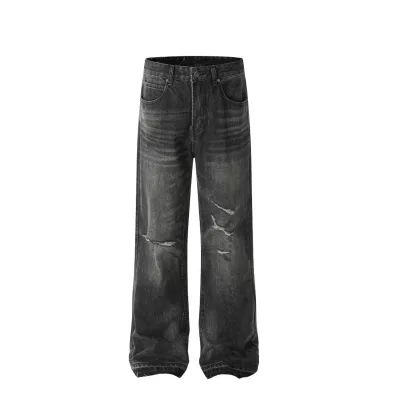
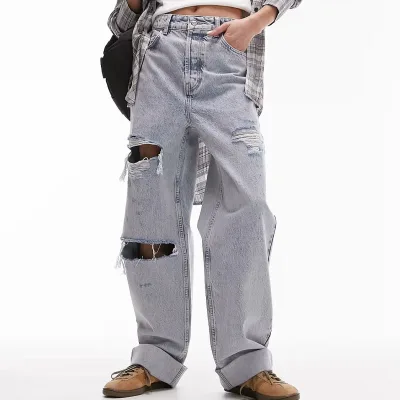
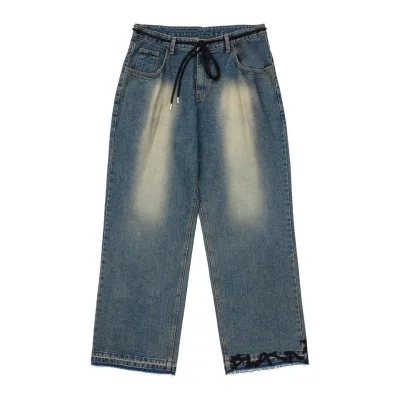
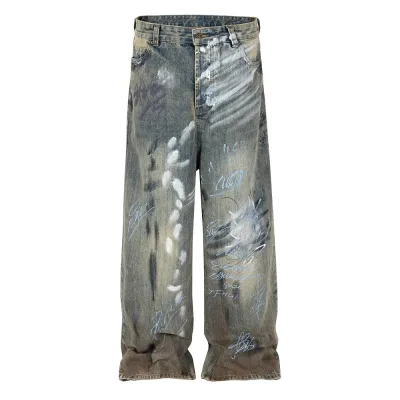
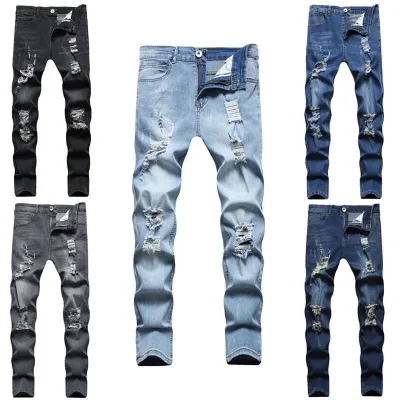
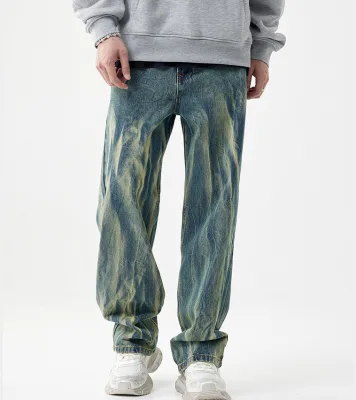



Comprehensive Sourcing Guide
Oversized Distressed Washed Denim Pant Sourcing Guide
Procuring oversized distressed washed denim pants requires navigating a market where vintage aesthetics meet modern streetwear demands. Buyers must distinguish between products labeled as "vintage" or "high street" and those offering genuine heavy or midweight cotton construction. The observed listings indicate a strong presence of ODM and OEM services originating from Chinese manufacturing hubs, specifically Fujian and Guangdong provinces. This geographic concentration suggests a mature supply chain capable of handling complex wash techniques like enzyme and distressed finishes, which are critical for achieving the desired rugged texture.
Sourcing decisions should prioritize suppliers who explicitly support the specific silhouette requirements, such as flare, wide leg, or straight cuts, while maintaining the oversized fit. The data reveals a diverse range of waist types, from high to mid-rise, allowing buyers to target specific demographic preferences without compromising on the loose fit characteristic of this category. It is essential to verify that the "distressed" and "washed" attributes are not merely marketing terms but are backed by technical processes like needle detection and specific weaving methods to ensure durability.
Product Scope and Observed Listing Signals
The product scope for oversized distressed washed denim pants encompasses a variety of styles including flare pants, wide leg pants, and straight cuts, all unified by a loose fit and vintage or streetwear aesthetic. Observed listings frequently feature solid blue or black colorways with specific wash treatments ranging from light to medium and enzyme washes. Buyers should note that while some products are described as heavyweight, others are midweight, indicating that thickness is a variable specification rather than a fixed standard for the entire category.
Listing signals often highlight specific technical details such as embroidered or washed techniques, alongside printing methods like embossing or other unspecified processes. The availability of single-item selling units suggests flexibility for small batch testing, yet the observed MOQ ranges extend up to 300 units, requiring careful negotiation for initial orders. Additionally, the presence of features like pockets and patchwork decorations adds complexity to the product definition, necessitating clear communication regarding the exact placement of logos and the nature of any embellishments before production begins.
Technical Specifications to Verify
Verifying technical specifications is paramount when sourcing denim with specific wash and distressing requirements. Buyers must confirm the exact fabric composition, as listings vary between 100% cotton and general cotton blends, which directly impacts the garment's breathability and drape. The thickness specification is a critical differentiator, with some products listed as heavyweight and others as midweight, influencing the final look and feel of the oversized silhouette. Ensuring the fabric type is confirmed as denim with a woven method is essential to maintain structural integrity during the distressing process.
Further verification should focus on the seasonal suitability and size inclusivity of the garments. While many listings specify suitability for spring and autumn, some claim year-round wearability including winter and summer, which may depend on the specific weight and layering potential of the fabric. Size ranges observed include standard S through XL as well as extended sizes up to 3XL or 4XL, requiring precise size charts to avoid fit issues. The waist type, whether high or mid, must align with the intended style, and the presence of needle detection systems should be confirmed to ensure safety standards are met during manufacturing.
Compliance and Safety Documentation
Compliance and safety documentation for denim pants often hinge on the implementation of needle detection systems, which are explicitly mentioned in several product listings. This feature is crucial for ensuring that no metal fragments remain in the finished garment, a standard requirement for retail safety in many markets. Buyers should request proof of this detection process as part of their quality assurance protocol, especially for products intended for children or sensitive markets where metal contamination poses a significant liability risk.
While specific certifications like Oeko-Tex or GOTS are noted in background knowledge, they are not confirmed as standard attributes for every listed product. Consequently, buyers must explicitly request certification documents rather than assuming compliance based on general category knowledge. The absence of guaranteed certification status in the provided facts means that the burden of verification falls on the procurement team to ensure that any chemical treatments used in the washing and distressing processes meet the regulatory standards of the destination country.
Cost Drivers and Commercial Terms
Cost drivers for oversized distressed washed denim pants are heavily influenced by the complexity of the wash and distressing techniques employed. Processes such as enzyme washing, embossing, and patchwork decoration add labor and material costs compared to standard solid washes. The choice between ODM and OEM supply types also affects pricing, with OEM services potentially incurring higher costs due to the customization of logos and specific branding requirements. Buyers should anticipate that heavyweight denim and intricate detailing will command a premium over midweight, simpler constructions.
Commercial terms vary significantly, with observed lead times for sample orders indicating that a 7-day turnaround is not supported, suggesting longer production cycles for customized items. The MOQ ranges from 1 to 300 units, offering flexibility for small buyers but potentially limiting economies of scale for larger orders. Pricing is observed within a broad range, reflecting the diversity of materials and finishes available. It is vital to clarify whether the quoted price includes all finishing steps and if the supplier can accommodate the specific model numbers and size runs required for the target market.
Supplier Qualification and Quality Control
Supplier qualification should prioritize manufacturers with proven experience in denim production, particularly those located in established textile hubs like Fujian and Guangdong. These regions offer a mature ecosystem for denim processing, including the specialized machinery needed for heavy and midweight fabric treatments. Buyers should verify the supplier's capability to handle the specific technical requirements, such as needle detection and precise logo placement on the front or waist, to ensure consistency across the production run.
Quality control measures must be rigorous, focusing on the consistency of the distressed and washed finishes which can vary significantly between batches. The presence of features like patchwork and pockets requires careful inspection to ensure they are securely attached and aesthetically aligned with the design intent. Given the variation in thickness and wash types, establishing a clear quality benchmark with the supplier is essential. Regular inspections during the production process can help mitigate risks associated with the complex nature of denim finishing and ensure the final product meets the expected vintage or streetwear standards.
Long-Term Procurement Checks
Long-term procurement checks should focus on the supplier's ability to maintain consistency in fabric weight and wash quality over multiple production cycles. As the market trends shift, the demand for specific styles like flare or wide leg pants may fluctuate, requiring suppliers to adapt their production lines without compromising on the core attributes of the oversized fit. Buyers should establish a feedback loop to monitor how well the supplier adheres to the initial specifications regarding material composition and decorative elements like embroidery or patchwork.
Sustainability and ethical compliance should also be part of the long-term evaluation, even if specific certifications are not initially guaranteed. Monitoring the supplier's adherence to safety standards, such as needle detection, and their willingness to provide updated documentation for chemical treatments is crucial for maintaining brand reputation. Additionally, assessing the supplier's responsiveness to size range adjustments and their ability to manage lead times for larger orders will determine the viability of a long-term partnership in the competitive denim market.
FAQs
What materials are used for these denim pants?
The denim pants are crafted from 100% cotton fabric, ensuring durability and comfort for everyday wear. This material choice supports a vintage aesthetic while maintaining the structural integrity required for heavyweight and midweight styles. Buyers can expect a solid, breathable textile suitable for various seasonal applications, particularly spring and autumn climates.
Which waist types are available for these jeans?
These jeans feature both high waist and mid waist options to accommodate different fit preferences. The high waist style offers a vintage silhouette, while the mid waist provides a comfortable, casual fit. Both variations are designed to enhance the overall look of the wide leg or flare pant styles available in the collection.
Can I customize the logo position on the pants?
Yes, customization is available with logo placement options on the front or waist. The supply type supports ODM and OEM services, allowing for tailored branding solutions. Buyers can specify their preferred logo position to align with their brand identity, ensuring the final product meets specific marketing and aesthetic requirements for the global market.
What wash finishes are offered for these denim pants?
The denim pants come in light, medium, enzyme, and distressed wash finishes. These treatments create various textures and colors, including blue and black options. The washed techniques enhance the vintage and high street styles, providing buyers with diverse aesthetic choices that suit different fashion trends and consumer preferences for casual or streetwear apparel.
What are the size options for these oversized jeans?
Sizes range from XS to 4XL, covering a broad spectrum of body types. The oversized fit is designed for loose comfort, aligning with current streetwear trends. Specific model numbers like 95511317014709 and DSL-0251434 correspond to different size charts, ensuring accurate selection for wholesale buyers seeking consistent sizing across their inventory for spring, autumn, or winter seasons.
How long is the sample order lead time?
Sample order lead time is not supported for these specific denim pants. Buyers should focus on bulk production timelines when planning their inventory. The manufacturing process emphasizes quality control, including needle detection, to ensure product safety. This constraint helps streamline the sourcing process by directing buyers toward established production batches rather than individual custom samples.