Source PA System Professional Sound Speaker for Hotel, School, Church
Source PA System Professional Sound Speaker from 30 verified listings. Compare models like CV-252C and LD-820 with varying power ratings and certifications. Evaluate options for commercial, home, and stage applications to find the right fit for your audio needs; compare the available evidence and request quotations based on your requirements.
Updated
Key considerations
Products List


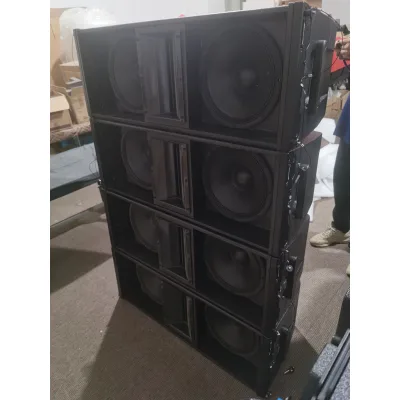


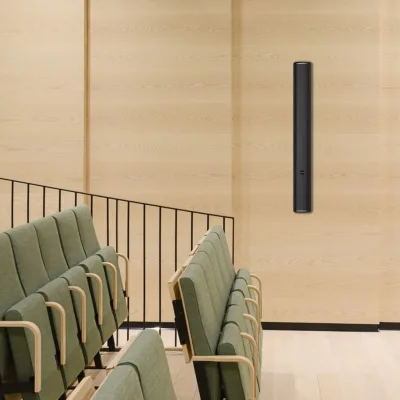
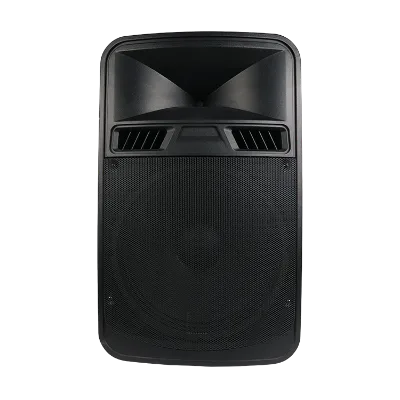
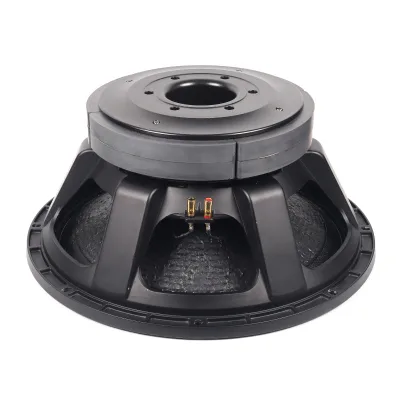
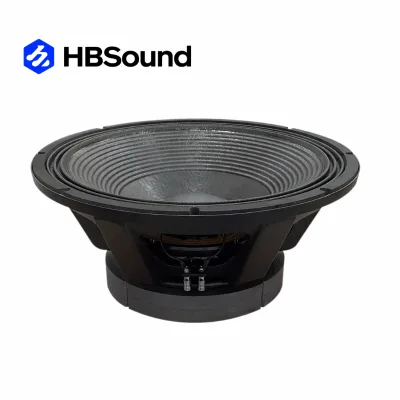
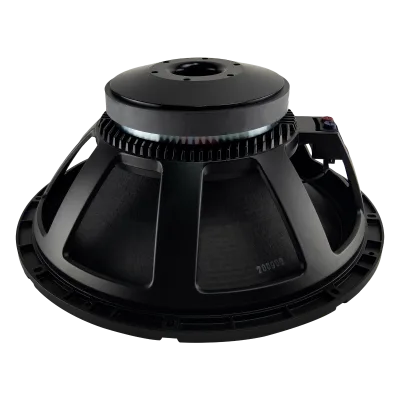
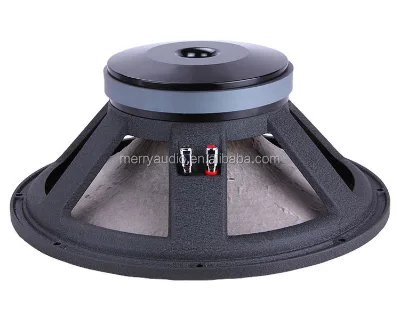
PA Speaker 6'' voice coil 21'' subwoofer professional speakers wholesale
$160.00 - $185.00
MOQ: 30 pieces
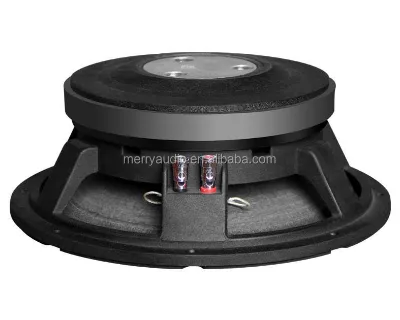
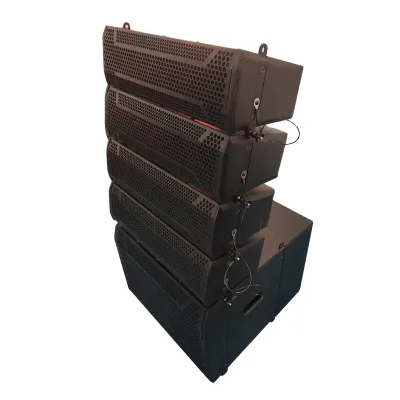

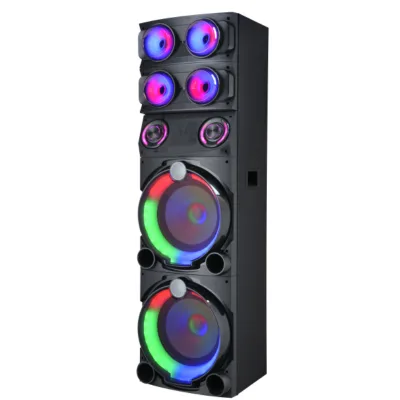

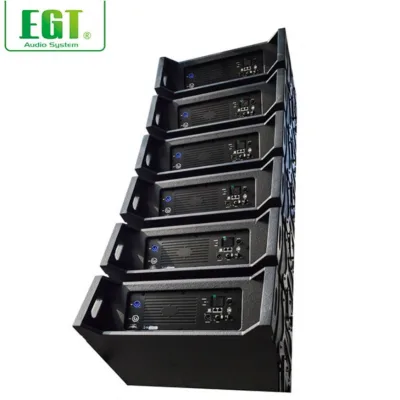
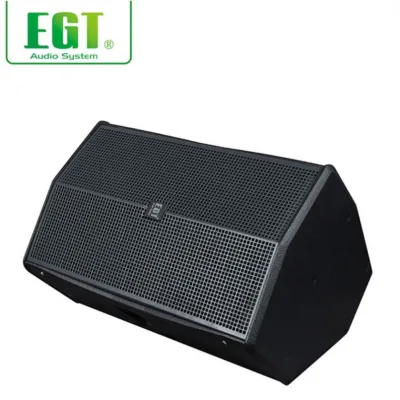
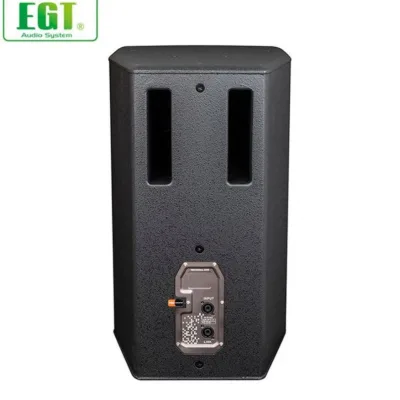
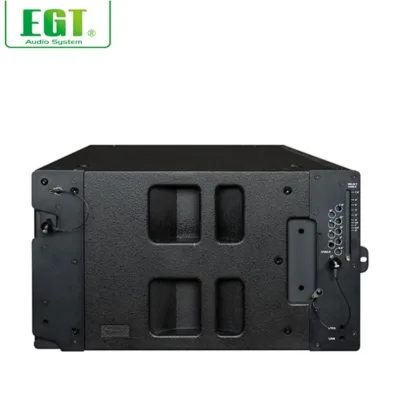
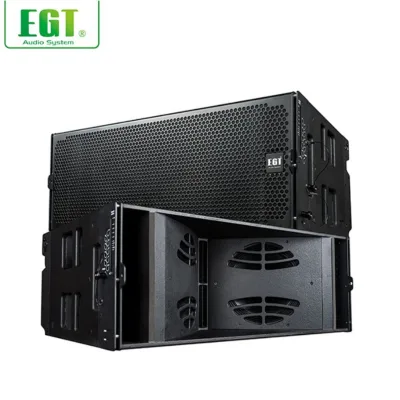

Comprehensive Sourcing Guide
PA System Professional Sound Speaker Sourcing Guide
Procuring professional PA systems requires a disciplined approach to aligning acoustic performance with commercial viability. Buyers must navigate a complex landscape where technical specifications often vary significantly between listings, even for similar product categories. The core keyword "PA System Professional Sound Speaker" encompasses a wide range of devices, from compact home theater units to high-power stage monitors. Understanding the distinction between passive and active systems is the first critical step in defining procurement requirements. Passive systems require external amplification, offering flexibility for large-scale installations, while active units integrate amplifiers for simplified deployment. This fundamental choice dictates the entire supply chain strategy, from component sourcing to final assembly logistics.
The observed market data indicates a broad spectrum of available options, with prices ranging from $1 to $7,570 USD and minimum order quantities (MOQs) varying from single units to 300 pieces. This variance suggests that buyers can source both sample units for evaluation and bulk inventory for distribution. However, the wide price range also signals significant differences in build quality, material composition, and certified performance levels. Sourcing professionals must therefore establish clear technical boundaries before engaging with suppliers. Defining precise requirements for power output, frequency response, and enclosure type prevents misalignment between buyer expectations and supplier capabilities. This initial clarity reduces the risk of receiving products that fail to meet the intended application standards, ensuring that subsequent negotiations focus on value rather than basic functionality.
Product Scope and Observed Listing Signals
The current market landscape for professional PA speakers reveals distinct product segments based on material construction and intended usage. Listings indicate the presence of metal and plastic speaker materials, each serving different acoustic and durability needs. Metal enclosures are typically associated with professional stage and DJ applications, offering robust protection for internal components against physical impact. In contrast, plastic enclosures are often found in home theater or portable player systems, prioritizing weight reduction and cost efficiency. Buyers should carefully examine the product model numbers, such as CV-252C, LD-820, and CLS-717B, to identify specific design intents. These identifiers often correlate with specific dimensions and power ratings, providing a baseline for comparing supplier offerings against internal technical requirements.
Application signals further refine the scope of potential procurement opportunities. The data highlights usage in commercial settings, including hotels, schools, airports, and churches, as well as home environments. This duality requires buyers to verify whether a supplier specializes in high-end commercial installations or consumer-grade audio equipment. Some listings specify optional combination speaker systems, suggesting modular capabilities for scalable audio solutions. Additionally, the presence of professional amplifiers with features like high-temperature protection and overload short-circuit safety indicates a segment focused on reliability and longevity. Buyers must cross-reference these application signals with their specific project needs, ensuring that the selected speakers can withstand the operational demands of their intended environment, whether it be a high-traffic public space or a controlled home theater setup.
Technical Specifications to Verify
Technical verification is paramount when sourcing professional audio equipment, as specifications directly impact acoustic performance and system integration. Buyers must rigorously check rated power outputs, which in the observed data range from 5W to 30W, to ensure compatibility with existing amplification infrastructure. Total Harmonic Distortion (THD) is another critical metric, with some listings claiming values below 0.005%, indicating high fidelity. However, buyers should request independent test reports to validate these claims, as self-reported data can vary in accuracy. Signal-to-Noise Ratio (SNR) is also essential, with observed ranges between 81-90dB, affecting the clarity of audio reproduction in quiet environments. Verifying these parameters ensures that the selected speakers deliver the expected sound quality without introducing unwanted artifacts or noise into the system.
Physical dimensions and enclosure structures are equally important for installation planning and acoustic design. Standard dimensions such as 180x140x340mm or 176x62mm must be matched against the physical constraints of the installation site. The type of enclosure, whether closed or otherwise, influences bass response and overall tonal balance. Buyers should also verify the operation mode, noting that some units support wire or remote control functionality, which adds convenience for complex setups. Additionally, the presence of adjustable knobs for sound tuning allows for fine-tuning in different acoustic environments. Ensuring that all technical specifications align with the project’s acoustic goals prevents costly retrofits or performance shortfalls, guaranteeing that the final installation meets professional standards for clarity, volume, and reliability.
Compliance and Safety Documentation
Compliance with international safety and environmental standards is non-negotiable for professional PA systems, particularly when deploying equipment in public or commercial spaces. The observed data lists a variety of certifications, including CE, RoHS, CCC, MET, ETL, FCC, and CB. Buyers must verify which specific certifications apply to the exact model being procured, as not all listed products may hold every certification mentioned. For instance, some listings specify CE and CCC, while others include FCC and RoHS. Ensuring that the supplier can provide valid, up-to-date certification documents for the specific batch is crucial for legal compliance and risk mitigation. This verification process protects buyers from potential liabilities associated with non-compliant electrical or acoustic equipment, ensuring that all products meet the regulatory requirements of their target markets.
Safety features embedded within the product design also contribute to overall compliance and operational reliability. Listings highlight protections against high temperatures, overloads, and short circuits, which are critical for preventing equipment failure and potential fire hazards. Buyers should inquire about the specific mechanisms used to implement these protections and request evidence of their effectiveness through test reports. Additionally, the warranty terms, such as the observed three-year warranty, provide an additional layer of security for the buyer. A robust warranty indicates supplier confidence in product durability and quality. By thoroughly reviewing both certification documentation and safety feature specifications, buyers can ensure that their procurement decisions are grounded in safety, reliability, and regulatory adherence, minimizing operational risks and ensuring long-term satisfaction.
Cost Drivers and Commercial Terms
Understanding the factors that influence pricing and commercial terms is essential for effective budget management in PA system procurement. The observed price range of $1 to $7,570 USD reflects significant variations in build quality, component sourcing, and certification levels. Buyers should analyze these price points in conjunction with the minimum order quantities (MOQs), which range from 1 to 300 units. Higher MOQs often correlate with lower unit prices, offering economies of scale for large projects. However, buyers must also consider the total cost of ownership, including shipping, customs duties, and potential maintenance costs. Customization options, such as OEM and ODM services, can add value but may also increase costs and lead times. Evaluating these commercial terms holistically ensures that the procurement strategy aligns with both financial constraints and project timelines.
Delivery times and supplier history are also critical commercial considerations. The observed delivery window of 2-25 days suggests variability in production capacity and logistics efficiency. Buyers should negotiate clear delivery schedules and penalties for delays to mitigate supply chain disruptions. Additionally, the supplier’s factory history, with some claiming over ten years of experience, can be an indicator of stability and expertise. However, buyers should verify these claims through due diligence, such as requesting references or conducting site audits. Transparency in commercial terms, including payment methods and return policies, further reduces risk. By carefully evaluating cost drivers and negotiating favorable commercial terms, buyers can secure a competitive advantage, ensuring that their procurement efforts yield high-quality products at optimal prices without compromising on delivery or support.
Supplier Qualification and Quality Control
Supplier qualification is a critical step in ensuring the reliability and consistency of PA system procurement. Buyers should assess suppliers based on their factory history, production capacity, and quality management systems. The observed data mentions suppliers with over ten years of experience, which can be a positive indicator of stability and expertise. However, buyers must go beyond historical claims and verify current operational capabilities. This includes reviewing the supplier’s quality control processes, such as incoming material inspections, in-process testing, and final product audits. A robust quality control system ensures that every unit meets the specified technical and safety standards, reducing the risk of defects and returns. Buyers should also inquire about the supplier’s ability to handle customization requests, as this indicates flexibility and technical competence.
Quality control extends to the verification of certifications and compliance documentation. Buyers must ensure that the supplier can provide valid certificates for each batch of products, matching the specific models ordered. This includes verifying that the certifications are issued by recognized bodies and are current. Additionally, buyers should request sample units for independent testing to validate performance claims, such as THD, SNR, and power output. This hands-on verification provides confidence in the supplier’s ability to deliver products that meet the buyer’s exact requirements. By establishing rigorous supplier qualification and quality control protocols, buyers can mitigate risks associated with inconsistent product quality, ensuring that their procurement efforts result in reliable, high-performance PA systems that meet professional standards and customer expectations.
Long-Term Procurement Checks
Long-term procurement success depends on establishing ongoing checks and balances to monitor supplier performance and product quality. Buyers should implement regular audits and performance reviews to ensure that suppliers continue to meet agreed-upon standards. This includes verifying that certifications remain valid and that quality control processes are consistently applied. Regular communication with suppliers can help identify potential issues early, allowing for proactive resolution before they impact the supply chain. Additionally, buyers should track product performance in the field, gathering feedback from end-users to identify any recurring issues or areas for improvement. This feedback loop provides valuable insights for future procurement decisions, helping to refine specifications and supplier selection criteria over time.
Sustainability and adaptability are also key considerations for long-term procurement strategies. Buyers should evaluate suppliers’ commitment to environmental standards, such as RoHS compliance, and their ability to adapt to changing market demands. This includes assessing their capacity for innovation and continuous improvement in product design and manufacturing processes. By maintaining a strategic focus on long-term relationships and continuous improvement, buyers can build a resilient supply chain that supports their business goals. Regularly reviewing and updating procurement policies ensures that they remain aligned with industry best practices and regulatory changes. This proactive approach minimizes risks and maximizes value, ensuring that the procurement of PA systems remains a strategic asset rather than a mere operational expense.
FAQs
What certifications do these professional speakers hold?
These professional speakers hold CE, RoHS, CCC, MET, ETL, and FCC certifications. This ensures compliance with international safety and environmental standards for commercial use. Buyers can verify specific model compliance, such as the CV-252C or LD-820, to meet local regulatory requirements for installation in hotels, schools, or airports.
Can these speakers be customized for specific projects?
Yes, customization is available for these professional sound speakers. Manufacturers support OEM and ODM services to tailor products for unique commercial applications. Buyers can request specific modifications to meet project requirements, ensuring the final product aligns with their brand identity and functional needs for venues like churches or conference centers.
What is the typical lead time for orders?
The typical delivery time ranges from 2 to 25 days. This window allows for efficient production and shipping of professional audio equipment. Buyers should confirm exact timelines based on order volume and customization requirements. This lead time supports timely project completion for commercial installations requiring reliable and prompt supply chain management.
Which models offer passive speaker systems?
The CV-252C model is listed as a passive speaker system. This configuration requires an external amplifier for operation, offering flexibility in system design. Buyers seeking passive options can evaluate this model alongside others like the LD-820, ensuring compatibility with their existing audio infrastructure and power management strategies for professional environments.
What is the warranty period for these products?
These professional speakers come with a 3-year warranty. This coverage provides assurance against manufacturing defects and ensures long-term reliability for commercial installations. Buyers benefit from extended support, reducing maintenance costs and downtime. The warranty applies to models such as the CLS-717B and FT-105, enhancing value for institutional purchasers.
How are these speakers packaged for shipping?
Speakers are packaged in good quality carton boxes or flight cases. This robust packaging protects the metal or plastic enclosures during transit. Buyers can choose packaging options based on shipping distance and handling requirements. The flight case option offers superior protection for sensitive professional audio equipment, ensuring safe delivery to global destinations.