CO2 Jet Machine Suppliers and Manufacturers in China
Source 21 verified CO2 Jet Machine suppliers from Guangdong, China. Compare CE-certified manufacturers on lead times, response rates, and pricing. Contact suppliers directly to verify specifications and order samples; review the available evidence before requesting comparable quotations from suitable candidates.
Suppliers List
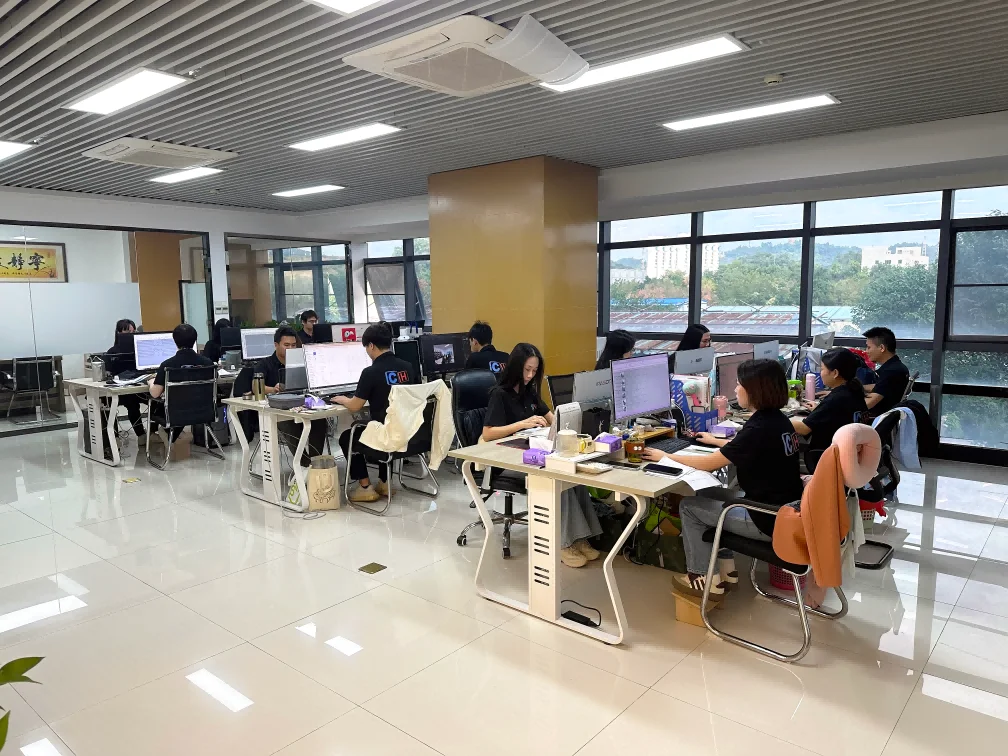
Guangzhou Chaohang Industrial Co., Ltd.
- Manufacturer, Trading Company
- Guangdong, China
- Lead time10 days
- Avg. response≤ 2h
Main productsInflatable Advertising, Decoration Inflatables, Inflatable Games, Inflatable Tent, Event Effect Equipment
Main marketsNorth America(30.0%), South America(20.0%), Western Europe(15.0%), Eastern Europe(15.0%), Southeast Asia(10.0%), Southern Europe(5.0%), Northern Europe(5.0%)
Guangzhou Huipu Stage Effect Equipment Co., Ltd
- Manufacturer
- Guangdong, China
- Lead time2 days
- Avg. response≤ 3h
Main productsFire Machine,Co2 Jet Machine,Foam Machine,Confetti Machine,Led fog machine
Main marketsSouth America(15.0%), North America(15.0%), Western Europe(12.0%), Mid East(12.0%), Southeast Asia(10.0%), Central America(7.000000000000001%), Oceania(5.0%), Africa(5.0%), Eastern Asia(5.0%), Domestic Market(5.0%), Eastern Europe(3.0%), Northern Europe(2.0%), South Asia(2.0%), Southern Europe(2.0%)
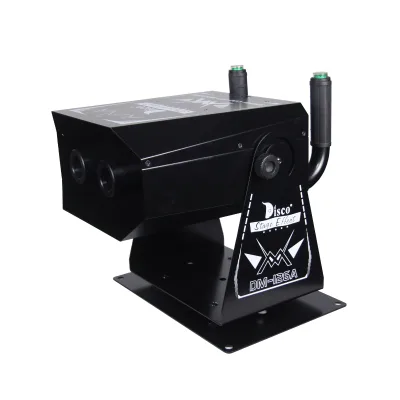
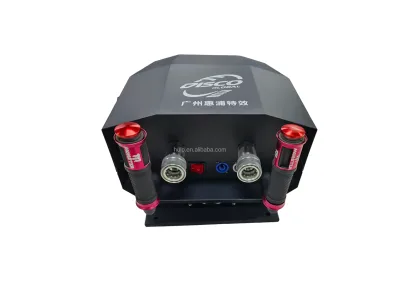
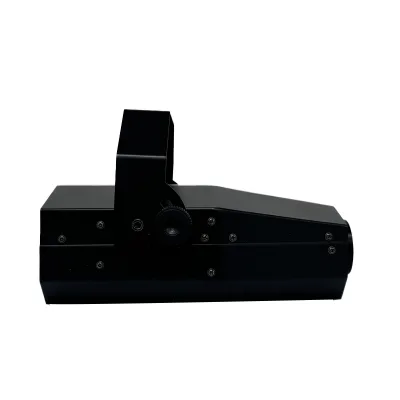
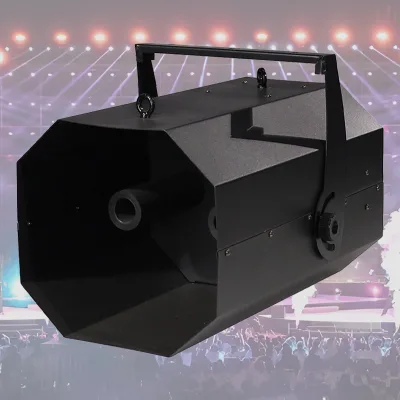
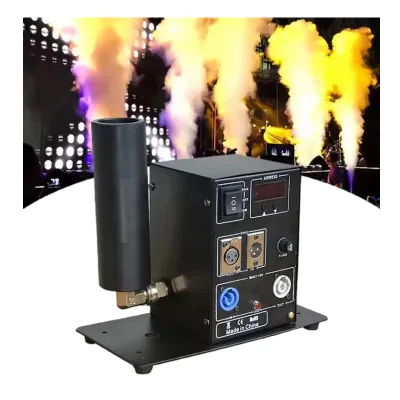
High Quality Swing Double Head Co2 Jet Machine CO2 Jet Gun for Events DJ Disco Nightclubs and Bars
$355.00 - $388.00
MOQ: 1 pieces
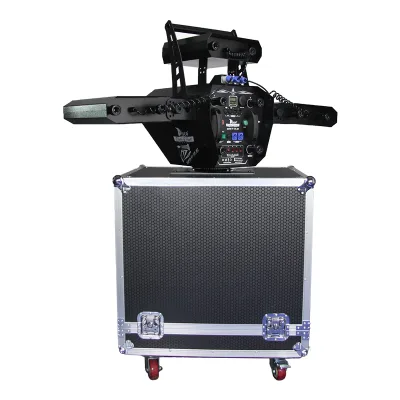
$980.00 - $1500.00
MOQ: 1 pieces
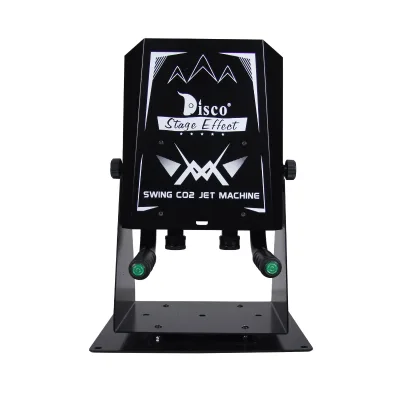
Guangzhou Changyuan Stage Lighting Equipment Company Limited
- Verified by BV
- Combined
- China Guangdong
- Lead time30 days
- Avg. response≤ 25h
Main productsStage Light, LED Moving Head, Moving Head Light, Stage Effect, LED PAR Light, Battery Powered PAR Light, CO2 Machine, Foam Machine, Smoke Machine, Fire Machine
Main marketsSouth America,Africa,Domestic,Europe,North America

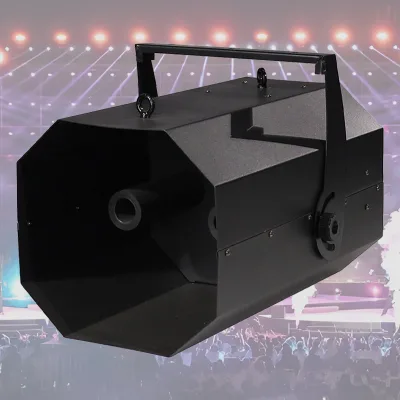
Power-Disco CO2 Jet Machine Angle Adjustable Stage Performance Effect Machine
$246.00 - $276.00
MOQ: 1 Pieces


Jinan Vmade Cnc Machine Co., Ltd.
- Verified by SGS
- Trading Company,Manufacturer/Factory
- China Shandong
- Lead time23 days
- Avg. response≤ 4h
Main productsFiber Laser Cutting Machine, Fiber Laser Marking Machine, Fiber Laser Welding Machine, Fiber Laser Cleaning Machine, Plasma Cutting Machine, CO2 Laser Cutting/Engraving Machine, CO2 Laser Marking Machine, CNC Router Machine
Main marketsSouth America,Eastern Europe,Mid East,North America,Southeast Asia,Eastern Asia,Western Europe,Africa
- Trading Company
- China Jiangsu
- Lead time30 days
- Avg. response≤ 25h
Main productsCO2 Cartridge, CO2 Cylinder, CO2 Bicycle Inflator, A/C Drain Gun, CO2 Injection, Pet Convincer Plus, Lifejacket Accessories
Main marketsDomestic

Boxing Motexo Industries Co., Ltd.
- Verified by SGS
- Trading Company
- China Shandong
- Lead time30 days
- Avg. response≤ 2h
Main productsCentrifugal Fan, Axial Fan, Mining Ventilation Fan, Jet Fan, Big Ass Cooling Fan, Tunnel Axial Fan, Metro Fans, Hvls Fan, Spray Cannon, Turbine Ventilator
Main marketsSoutheast Asia/ Mideast
Guangzhou Lincai Stage Lighting Equipment Co., Ltd.
- Manufacturer, Trading Company
- Guangdong, China
- Lead time7 days
- Avg. response≤ 3h
Main productsMoving Head Light,Led Par Light,Led Effect Light,Outdoor Searchlight,Stage Effect Machine
Main marketsNorth America(15.0%), Mid East(10.0%), Central America(10.0%), Southeast Asia(10.0%), Eastern Europe(10.0%), South America(10.0%), Domestic Market(5.0%), South Asia(5.0%), Southern Europe(5.0%), Northern Europe(5.0%), Africa(5.0%), Western Europe(5.0%), Eastern Asia(5.0%)

- Trading Company,Manufacturer/Factory,Group Corporation
- China Jiangsu
- Lead time0 days
- Avg. response≤ 22h
Main productsCNC Machine Tools, Lathe Machine, Press Brake Machine, CNC Milling Machine, Grinder Machine, Cutting Machine, Plate Bending Machine, Shearing Machine, CNC Lathe Machine
Main marketsSouth America,Eastern Europe,Mid East,North America,Southeast Asia,Eastern Asia,Oceania,Western Europe,Africa
- Manufacturer/Factory,Group Corporation
- China Henan
- Lead time0 days
- Avg. response≤ 7h
Main productsWater-Electrolytic Hydrogen Making Equipment, AEM Pem Soec Awe Hydrogen Generator Plant, Green Solar Wind Hydrogen Energy Equipment, Cryogenic Oxygen Nitrogen Air Separation Plant, Psa N2 O2 Liquid Oxygen Nitrogen Generator Plant, Co CH4 Membrane Separation Methane Equipment, Hollow Fiber Nitrogen Oxygen Hydrogen Membranes, Carbon Dioxide Marsh Gas Helium Argon Membrane, Carbon Dioxide Gas Separation Recovery Equipment, Cryogenic Equipment Liquid Tank Container
Main marketsSouth America,Eastern Europe,Mid East,North America,Southeast Asia,Eastern Asia,Oceania,Western Europe,Africa


High Recovery Efficiency 2400kg/Y Liquid CO2 Machine From Flue Gas
$118000.00 - $1015000.00
MOQ: 1 Pieces

Markevina Technology (Shenzhen) Co., Ltd.
- Verified by BV
- Trading Company,Manufacturer/Factory
- China Guangdong
- Lead time30 days
- Avg. response≤ 2h
Main productsSmall Home Appliances, Electricity and Power Equipment Manufacturing, Machinery and Production Line
Main marketsSouth America,Eastern Europe,Mid East,North America,Southeast Asia,Eastern Asia,Oceania,Western Europe,Africa

Qingdao Tianyi Red Flag Textile Machinery Group Co., Ltd.
- Combined
- China Shandong
- Lead time30 days
- Avg. response≤ 25h
Main productsTextile Machine, Air Jet Loom, Water Jet Loom
Main marketsAfrica,Others(foreignTradeCapacity.exportBusinessCapacityMarketOther),Southeast Asia/ Mideast,Domestic
Jiangsu Kuntai Industrial Equipment Co., Ltd.
- Manufacturer/Factory
- China Jiangsu
- Lead time15 days
- Avg. response≤ 7h
Main productsMetal Marking Machine, Laser Engraving Machine, Laser Marking Machine, Laser Cleaning Machine, Laser Welding Machine, Nonmetal Marking Machine, CO2 Laser Marking Machine, Pneumatic Marking Machine, DOT Pin Marking Machine, Pneumatic Stylus Marking Machine
Main marketsSouth America,Eastern Europe,Mid East,North America,Southeast Asia,Eastern Asia,Oceania,Western Europe,Africa
Chanxan (Changshu) Laser Technology Co., Ltd.
- Verified by BV
- Combined
- China Jiangsu
- Lead time30 days
- Avg. response≤ 1h
Main productsLaser Cutting Machine, Glass Cutting Machine, FPC Cutting Machine, PCB Cutting Machine, Precision Laser Cutting, Cutting Machine, Femtosecond Laser Cutting Machine, Picosecond Laser Cutting Machine, Nanosecond Laser Cutting Machine, Pi Film Laser Cutting
Main marketsSouth America,Africa,Southeast Asia/ Mideast,East Asia(Japan/ South Korea),Europe,Australia,North America

Kaifeng Lecheng Machinery Co., Ltd.
- Verified by BV
- Trading Company,Manufacturer/Factory
- China Henan
- Lead time23 days
- Avg. response≤ 4h
Main productsSeed Cleaner, Vibration Cleaner, Gravity Separator, Gravity Table, Seed Treater, Packing Scale, Air Screen Seed Cleaner, De-Stoner, Soybean Cleaner, Bucket Elevator
Main marketsSouth America,Eastern Europe,Mid East,North America,Southeast Asia,Eastern Asia,Oceania,Western Europe,Africa

- Verified by SGS
- Combined
- China Beijing
- Lead time15 days
- Avg. response≤ 5h
Main productsFiber Laser Marking Machine, Laser Marking Machine, CO2 Laser Marking Machine, 3D Fiber Laser Marking Machine, Electric DOT Peen Marking Machine, Pneumatic DOT Peen Marking Machine, Portable Laser Marking Machine, Laser Cutting Machine, Laser Cleaning Machine
Main marketsEast Asia(Japan/ South Korea),Europe

Shanghai Yuanhong Ultra High Pressure WaterJet Technology Co., Ltd.
- Verified by SGS
- Combined
- China Shanghai
- Lead time15 days
- Avg. response≤ 8h
Main productsWaterjet Cutting Machine, Waterjet Replacement Parts, Waterjet Pump, High Pressure Waterjet Cutting Machine, Waterjet Spare Parts, Water Jet Accessories, Flow Waterjet Rebuild, Flow Waterjet, Waterjet
Main marketsSouth America,Africa,Southeast Asia/ Mideast,East Asia(Japan/ South Korea),Domestic,Europe,North America

Water Jet Machine Manufacturers Directly Supply Cost-Effective Waterjet Machine
$30000.00 - $50000.00
MOQ: 1 Pieces


Zhengzhou Dana Photoelectric Technology Co., Ltd.
- Verified by TUVRHEINLAND
- Combined
- China Henan
- Lead time15 days
- Avg. response≤ 1h
Main productsLaser Engraving Machine, Tij Printer, Laser Marking
Main marketsSoutheast Asia/ Mideast,Domestic
Wuhan Grentsun Industrial System Co., Ltd.
- Verified by SGS
- Combined
- China Hubei
- Lead time15 days
- Avg. response≤ 1h
Main marketsSouth America,Africa,Southeast Asia/ Mideast,East Asia(Japan/ South Korea),Europe,North America
Shanghai San Laser Technology Co., Ltd.
- Verified by SGS
- Trading Company
- China Shanghai
- Lead time30 days
- Avg. response≤ 2h
Main productsFiber Laser Welding Machine, CO2 Laser Cutting Machine, Fiber Laser Marking Machine, Fiber Laser Cutting Machine, Mold Repair Laser Welding Machine, YAG Laser Welding Machine, CO2 Laser Marking Machine, Fiber Laser Cleaning Machine, CO2 Laser Engraving Machine, Pluse Laser Cleaning Machine
Main marketsEurope

Wuxi Datang Welding & Cutting Mechanical Equipment Co., Ltd.
- Verified by TUVRHEINLAND
- Combined
- China Jiangsu
- Lead time30 days
- Avg. response≤ 9h
Main productsWelding Rotator, Welding Positioner, Turning Rolls, Cutting Machine, H-Beam Producing Line, H Beam Gantry Welding Machine, Welding Manipulator, Beveling Machine, H Beam Straightening Machine, H Beam Assembling Machine
Main marketsSouth America,Africa,Southeast Asia/ Mideast,East Asia(Japan/ South Korea),Domestic,Europe,Australia,North America
NINGBO STAREX INDUSTRY & TRADING CO., LTD.
- Verified by SGS
- Trading Company,Manufacturer/Factory
- China Zhejiang
- Lead time45 days
- Avg. response≤ 15h
Main productsCutting Torch, Cutting Attachment, Blow Torch, Pressure Regulator, Flowmeter Regulator, Mapp Gas Torch, Propane Torch, Cutting Nozzle, Flashback Arrestor, Electrode Holder
Main marketsSouth America,Eastern Europe,Mid East,North America,Southeast Asia,Eastern Asia,Oceania,Western Europe,Africa




Comprehensive Sourcing Guide
CO2 Jet Machine Supplier Concentration and Factory Types
The available data indicates a clear concentration of manufacturers and trading companies operating within Guangdong, China, for CO2 Jet Machine production. This region serves as a primary hub for commercial equipment and machinery, specifically for professional audio, video, and lighting atmosphere equipment. Buyers observing this geographic clustering should recognize that a significant portion of the supply chain for these special effect devices originates from this specific province. The presence of both manufacturers and trading companies suggests a diverse ecosystem where direct factory sourcing is possible alongside intermediary distribution channels. This concentration allows for a competitive market environment where multiple entities offer similar core products like CO2 jet machines, fog machines, and related stage effects.
When evaluating the supplier types found in this cluster, buyers must distinguish between entities that manufacture the equipment and those that trade it. The observed results list company types as both Manufacturer and Trading Company, indicating that some suppliers control the production process while others facilitate the sale of goods from various factories. For a CO2 Jet Machine, a manufacturer might offer more direct customization options regarding voltage, injection height, or control modes, whereas a trading company might provide a broader portfolio including fire machines, foam machines, and confetti machines. Understanding this distinction is critical for determining the level of technical support and supply chain transparency available. Buyers should verify the specific role of each supplier to ensure their procurement strategy aligns with their need for direct factory interaction or broader product variety.
How to Verify CO2 Jet Machine Suppliers
Verification of suppliers begins with confirming their operational location and business type against the provided facts. Since the data explicitly places these entities in Guangdong, China, buyers should request proof of address and business registration to validate this claim. The presence of CE certification in the product evidence provides a tangible starting point for compliance checks, though buyers must ensure this certification applies to the specific model being purchased. It is essential to ask for valid certificates rather than relying on general claims, as standards can vary by region and product type. Additionally, the response time metrics observed, such as two or three days, serve as an initial indicator of supplier engagement levels, but direct communication is necessary to confirm actual service capabilities.
Beyond location and certification, buyers must scrutinize the specific product attributes listed in the supplier results to ensure they match the intended application. The evidence shows varying specifications, such as injection heights of 10 meters or 6 to 8 meters, and different voltage requirements like AC110V-220V or AC110~130V. A supplier claiming to provide a 10-meter injection height machine must be able to demonstrate this performance through test videos or third-party reports. Furthermore, the warranty terms, which range from three months to one year, require clear definition in the contract. Buyers should not assume all suppliers offer the same warranty duration or support structure. Verifying the specific model numbers, such as CH-FM011 or DM-126A, against the supplier's inventory ensures that the quoted specifications are accurate and not generic placeholders.
What to Compare Across CO2 Jet Machine Suppliers
Comparing suppliers requires a systematic analysis of lead times, minimum order quantities, and response speeds to determine operational fit. The observed data reveals lead times ranging from two to ten days, which significantly impacts project planning for events or installations. A supplier with a two-day lead time may be preferable for urgent orders, while a ten-day lead time might indicate a more complex production process or lower inventory levels. Similarly, the minimum order quantity (MOQ) is listed as one unit for some products, allowing for small-scale testing, while other suppliers may have different thresholds. Buyers must compare these logistical constraints against their specific order volume and timeline requirements to avoid delays or unexpected costs.
Price and product specifications form another critical comparison dimension for CO2 Jet Machine procurement. The price range for these devices varies from approximately 295 to 1500 units of currency, depending on features like jetting distance, power consumption, and control modes. Some models offer manual, remote, or DMX-512 control, while others are limited to manual or electric control. Buyers should compare the power ratings, such as 400W versus 25W, and the physical dimensions to ensure the equipment fits their venue constraints. Additionally, the warranty periods, which span from three months to a full year, must be weighed against the price point. A higher price may correlate with a longer warranty or more robust construction, but this must be verified through direct inquiry rather than assumption.
Common CO2 Jet Machine Sourcing Risks
One significant risk in sourcing CO2 jet machines involves the discrepancy between advertised specifications and actual performance capabilities. The product evidence lists various injection heights and spray distances, such as 10 meters or 6 to 8 meters, but these figures can vary based on gas pressure and environmental conditions. Buyers face the risk of receiving equipment that does not meet the required visual impact for their specific event or venue. Without independent testing or verified performance data, it is difficult to confirm if a machine will consistently achieve the claimed jetting distance. This uncertainty can lead to event failures or the need for costly replacements, making it essential to request detailed performance documentation before finalizing an order.
Another risk pertains to the variability in warranty terms and after-sales support across different suppliers. The observed warranty periods range from three months to one year, and some suppliers may offer extended coverage while others do not. If a machine fails shortly after delivery, the buyer must know exactly who is responsible for repairs or replacements. Inconsistent support structures can leave buyers without recourse if a supplier ceases operations or fails to honor their warranty commitments. Additionally, the control modes, such as DMX-512 compatibility, may not function correctly if the supplier does not provide adequate technical documentation or software updates. Buyers must assess the reliability of the supplier's support network to mitigate these potential operational disruptions.
CO2 Jet Machine Regional Sourcing and Logistics
Sourcing from Guangdong, China, offers logistical advantages due to the region's established infrastructure for exporting commercial machinery. The concentration of manufacturers in this area facilitates efficient shipping and handling of heavy equipment like CO2 jet machines, which often weigh between 6.8kg and 47.8kg. Buyers should consider the impact of packaging dimensions, such as L65cmW33cmH42cm, on freight costs and storage requirements. The proximity of these suppliers to major ports can reduce transit times and shipping expenses, making regional sourcing a cost-effective strategy for international buyers. However, buyers must verify the specific shipping terms and Incoterms to understand who bears the risk and cost during transit.
Logistical planning must also account for the specific voltage and power requirements of the equipment to ensure compatibility with local electrical standards. The product evidence indicates voltages ranging from AC110V to AC240V, with some models supporting dual voltage inputs. Buyers importing these machines must confirm that the equipment matches the electrical infrastructure of their destination country to prevent damage or safety hazards. Additionally, the weight and size of the units, such as the 32kg or 47.8kg models, influence freight classification and handling fees. Buyers should work with logistics providers to optimize packaging and shipping methods, ensuring that the equipment arrives safely and on schedule for their events or installations.
CO2 Jet Machine Commercial Terms and Order Planning
Order planning for CO2 jet machines requires careful attention to commercial terms, including payment methods, delivery schedules, and customization options. The observed data shows that some suppliers offer customized products, which can extend lead times and require detailed specification agreements. Buyers must clarify the customization process, including any additional costs or time delays associated with modifying standard models. Furthermore, the selling units are listed as single items, suggesting flexibility in order sizes, but buyers should confirm if bulk discounts apply for larger quantities. Clear communication regarding these terms helps prevent misunderstandings and ensures that the final order meets all project requirements.
Payment and escrow arrangements are critical components of the commercial terms for CO2 Jet Machine procurement. While the specific payment methods are not detailed in the provided facts, buyers should insist on secure payment channels that protect their interests until the goods are delivered and verified. The warranty terms, ranging from three months to one year, should be explicitly stated in the purchase agreement to ensure enforceability. Buyers must also verify the return policy and the process for handling defective units. By establishing clear commercial terms upfront, buyers can mitigate financial risks and ensure a smooth transaction process. This proactive approach to order planning helps build a reliable supply chain relationship and supports the successful execution of events requiring CO2 jet machines.
FAQs
Where are CO2 jet machines manufactured?
All listed CO2 jet machines originate from Guangdong, China. This region is a known hub for manufacturing special effect equipment. Buyers should verify specific factory addresses during the inquiry process to ensure accurate logistics planning.
What is the typical lead time for orders?
Lead times vary between 2 and 10 days depending on the specific supplier and product model. Some manufacturers offer faster turnaround for standard units, while custom orders may require the longer duration. Confirm the exact schedule before placing an order.
What is the minimum order quantity required?
The minimum order quantity for these CO2 jet machines is one single item. This allows buyers to test the product quality without committing to large bulk purchases. It is ideal for small event organizers or those testing new equipment.
How fast do suppliers typically respond to inquiries?
Suppliers generally respond within 2 to 3 days after receiving an inquiry. This response time ensures that buyers can quickly clarify technical specifications or negotiate pricing. Faster communication helps streamline the sourcing process for urgent event needs.
What certifications do these machines hold?
Many CO2 jet machines carry CE and ROHS certifications to meet safety standards. These certifications indicate compliance with specific electrical and environmental regulations. Buyers should request valid certificates to ensure the equipment meets local safety requirements for their events.
What is the price range for CO2 jet machines?
Prices for these machines range from approximately 295 to 1500 units of currency. The cost depends on features like injection height, power, and control modes. Higher prices often correlate with advanced capabilities such as longer jet distances or dual-head configurations.
What warranty is provided for these machines?
Warranty periods typically span from 3 months to 1 year depending on the manufacturer. Some specific models offer a full one-year coverage for peace of mind. Buyers must check the specific warranty terms for each product before finalizing the purchase agreement.