Source Party Fashion Pendant Necklace for gifts, events, and daily wear
Compare 30 Party Fashion Pendant Necklace options from verified suppliers. These listings feature materials like sterling silver and alloy, with styles ranging from vintage to luxury, suitable for unisex or female buyers seeking custom designs.
Key considerations
Products List
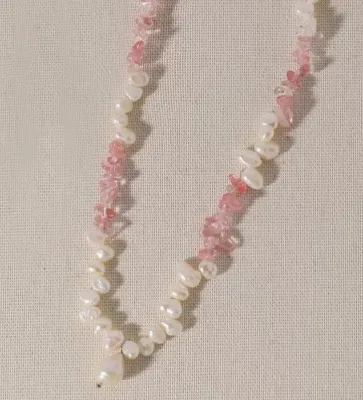


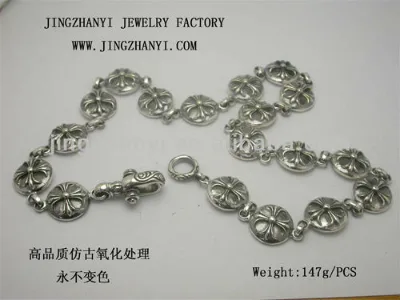
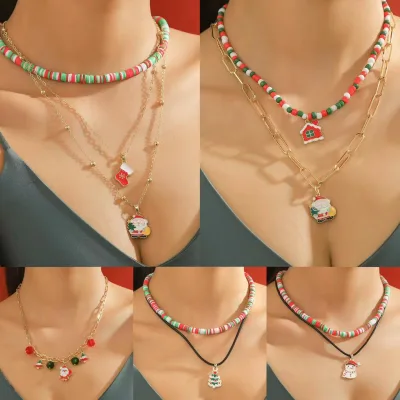


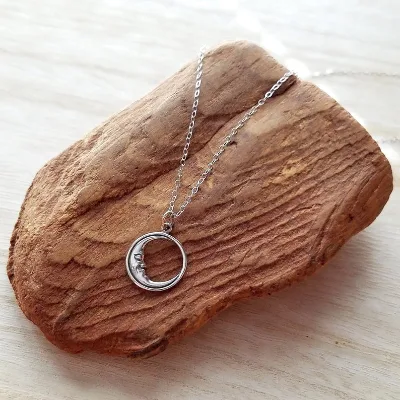

Comprehensive Sourcing Guide
Strategic Sourcing Guide for Party Fashion Pendant Necklaces
The global market for party fashion pendant necklaces represents a dynamic intersection of aesthetic versatility and functional durability. For B2B buyers, navigating this category requires a granular understanding of material composition, certification standards, and supply chain logistics. The current landscape features a diverse array of products ranging from high-end sterling silver pieces to cost-effective alloy alternatives, each serving distinct market segments. This guide synthesizes observed product attributes and industry standards to provide a disciplined framework for procurement decisions, ensuring that sourcing strategies align with both quality expectations and commercial viability.
Material Composition and Structural Integrity
The foundation of any successful procurement strategy for pendant necklaces lies in the precise identification of material composition. The market data indicates a bifurcation between precious metal and base metal offerings. On the premium end, Sterling Silver (often denoted as 925 Sterling Silver) is a dominant material. This alloy, typically composed of 92.5% silver and 7.5% other metals for strength, is frequently associated with high-value attributes such as Silver Plated finishes and Third Party Appraisal certifications. These pieces often feature Freshwater Pearl inlays or Star and Square pendant shapes, catering to a Vintage or Luxury aesthetic.
Conversely, the mass-market segment relies heavily on Alloy materials. These products are often marketed as Promotional Alloy Necklaces or Kinds of Alloy Pendant options. While cost-effective, the structural integrity of alloy necklaces depends heavily on the quality of the plating and the specific alloy blend. Observed listings include Rhodium plating, which is critical for preventing tarnish and enhancing the luster of the base metal. Buyers must distinguish between products labeled simply as Alloy and those with specific plating specifications, as the latter often command higher durability and customer satisfaction rates. The Chain Type is another critical structural element; Link Chain constructions are standard for pendant necklaces, providing the necessary tensile strength to support the weight of the pendant without stretching or breaking.
Technical Specifications and Design Parameters
When evaluating technical specifications, buyers must look beyond the visual appeal to the precise dimensions and model identifiers that define the product. The market features specific model numbers such as CG21P1864S, SL19N4746S, and CG20N1689A, which serve as unique identifiers for inventory management and quality tracing. A standard length observed in this category is 45cm, a dimension that typically suits the majority of adult necklines for party occasions. However, customization is a significant trend, with many suppliers offering Customized designs and OEM Order acceptance.
The Pendant Shape varies widely, with Square, Cross, Charm, and Star shapes being prominent. These shapes influence the design complexity and the manufacturing process. For instance, a Cross pendant may require different casting techniques compared to a Square or Charm design. The Style attributes further refine the selection, ranging from Fashion and Cute to Vintage and Luxury. These stylistic classifications are not merely marketing terms but indicate the target demographic and the intended usage context. For Party occasions, the Decoration usage is paramount, requiring designs that are visually striking yet comfortable for extended wear. The Gender specification is often Unisex or Female, though some products are explicitly marked for Male suitability, reflecting the Suitable for: Female,Male trend in modern fashion.
Compliance, Certification, and Quality Assurance
In the jewelry sector, compliance and certification are non-negotiable elements that protect both the buyer and the end consumer. The presence of a Third Party Appraisal certificate is a high-confidence indicator of quality, particularly for items made from Sterling Silver. This certification verifies the metal purity and ensures that the product meets the 925 sterling silver standard. Without such documentation, claims of silver content remain unverified, posing a risk of receiving substandard goods.
Buyers must also scrutinize the Product Standard listed by suppliers. While some products adhere to the 925 sterling silver standard, others may list Customized as their standard, which requires a clear definition of the agreed-upon specifications in the purchase order. For alloy products, the lack of a universal metal purity standard means that the Plating quality becomes the primary metric for durability. Rhodium plating, for example, offers superior resistance to oxidation compared to standard silver plating. Additionally, the MOQ (Minimum Order Quantity) is a critical compliance factor in supplier negotiations. The observed range spans from 1 to 1000 units, with specific listings indicating an MOQ of 500PCS for certain alloy lines. Understanding these thresholds is essential for inventory planning and cash flow management.
Cost Drivers and Pricing Dynamics
The pricing structure for party fashion pendant necklaces is influenced by a complex interplay of material costs, labor intensity, and certification fees. The observed price range in the market is substantial, spanning from 0.1 to 318.24 USD. This wide variance reflects the difference between basic alloy promotional items and high-end sterling silver pieces with third-party certifications.
Several factors drive these costs. First, the Material Type is the primary determinant; 925 Sterling Silver inherently costs more than Alloy due to the intrinsic value of the metal. Second, the Plating process adds significant cost; Silver Plated and Rhodium Plated items require additional chemical and labor inputs compared to uncoated alloys. Third, the Customization level impacts pricing. Products with Customized designs or OEM capabilities often carry a premium due to the tooling and design work involved. Finally, the Packing specifications, such as Carton or 1 Pair/Card/OPP Bag, contribute to the final unit cost. Buyers should be aware that lower price points often correlate with higher MOQ requirements, creating a trade-off between unit cost and order volume.
Supplier Evaluation and Operational Capabilities
Selecting the right supplier requires a rigorous evaluation of their operational capabilities and alignment with buyer requirements. Key indicators of a reliable supplier include their willingness to accept OEM and ODM requests, as evidenced by the OEM Order: Accept and OEM: Yes attributes in the market data. Suppliers that offer Customization are better positioned to meet specific design needs, allowing buyers to differentiate their product lines.
The Product Origin is another critical factor. The majority of the observed products originate from China, a global hub for jewelry manufacturing. While this location offers competitive pricing and extensive supply chains, buyers must ensure that the supplier adheres to international quality standards. The Packing methods, such as 1 Piece/Paper Card/Polybag or 12 Pairs/Large OPP Bag, indicate the supplier's attention to detail and logistics readiness. A supplier that provides robust packaging solutions reduces the risk of damage during transit and enhances the unboxing experience for the end consumer. Furthermore, the ability to handle Customized orders suggests a flexible production line capable of adapting to changing market trends.
Typical Applications and Market Segmentation
The primary application for party fashion pendant necklaces is Decoration for social events, specifically Party occasions. The Style attributes, such as Vintage, Luxury, and Fashion, align with the aesthetic demands of these events. The Gender specification, often Unisex or Female, helps buyers target the correct demographic. For instance, Cute and Charm styles are particularly popular among younger demographics attending casual parties, while Vintage and Luxury styles appeal to a more mature audience seeking statement pieces.
The Usage as Decoration implies that these items are not merely accessories but focal points of an outfit. This necessitates high visual quality and durability. The Length of 45cm is particularly suitable for party wear, as it sits comfortably on the collarbone, allowing the pendant to be the center of attention. The Chain Type, specifically Link Chain, ensures that the necklace remains secure during movement, a crucial consideration for party environments where physical activity is common.
Long-Term Procurement Considerations
Sourcing party fashion pendant necklaces is not a one-time transaction but a long-term strategic partnership. Buyers must consider the scalability of their suppliers, particularly regarding MOQ flexibility. The observed MOQ range of 1-1000 suggests that suppliers can accommodate both small test orders and large-scale production runs. However, the specific MOQ of 500PCS for certain alloy lines indicates that economies of scale are necessary to achieve the lowest unit costs.
Quality control must be an ongoing process. The reliance on Third Party Appraisal for silver items and Rhodium plating standards for alloy items requires consistent verification. Buyers should establish clear quality benchmarks based on the Product Standard and Material specifications. Additionally, the Customization aspect offers a pathway for brand differentiation. By working with suppliers who accept OEM orders, buyers can develop exclusive designs that are not easily replicated by competitors. Finally, the Packing and Origin logistics must be optimized to ensure timely delivery and cost efficiency. As the market evolves, maintaining a relationship with suppliers who can adapt to new trends in Style and Shape will be essential for sustained success in the party fashion sector.
Comparative Analysis of Product Attributes
To facilitate decision-making, the following table summarizes the key attributes observed in the market, highlighting the distinctions between different product categories.
| Attribute Category | Premium Segment (Sterling Silver) | Mass Market Segment (Alloy) |
|---|---|---|
| Primary Material | 925 Sterling Silver | Alloy / Promotional Alloy |
| Certification | Third Party Appraisal | Customized / None specified |
| Plating | Silver Plated | Rhodium / Silver |
| Pendant Shapes | Star, Square, Cross | Charm, Cross, Square |
| Style Focus | Vintage, Luxury, Fashion | Cute, Fashion, Customized |
| MOQ Range | Variable (1-1000) | Often 500PCS |
| Price Range | Higher (up to 318.24 USD) | Lower (starting at 0.1 USD) |
| Packing | Carton / Paper Card | OPP Bag / Large OPP Bag |
| Origin | China | China |
This comparison underscores the importance of aligning product selection with specific business goals. Whether prioritizing high-margin luxury items or volume-driven promotional pieces, the data provides a clear roadmap for navigating the complex landscape of party fashion pendant necklaces. By adhering to these evidence-based guidelines, buyers can mitigate risks and optimize their procurement strategies for maximum return on investment.
FAQs
What materials are used for party fashion pendant necklaces?
Products are primarily made from 925 Sterling Silver or Alloy. Sterling silver items often feature Freshwater Pearls and carry Third Party Appraisal certificates, while alloy options may include Rhodium plating for durability.
Which certifications verify the quality of silver necklaces?
High-quality silver pieces typically include a Third Party Appraisal certificate. This document verifies that the product meets the 925 sterling silver standard, ensuring the metal purity matches the supplier's claims.
Can buyers request custom designs for these necklaces?
Yes, many suppliers accept OEM orders and offer customized designs. Buyers can specify unique shapes like Stars or Crosses, and customization is available for both silver and alloy material types.
What is the typical length for these pendant necklaces?
The standard length observed is 45cm, which suits most adult necklines for party occasions. This dimension ensures the pendant sits comfortably on the collarbone for decorative purposes.
Which plating options are available for alloy necklaces?
Alloy necklaces often feature Rhodium or Silver plating to prevent tarnish. Rhodium plating provides superior resistance to oxidation, making it a preferred choice for maintaining the luster of base metal jewelry.
What is the minimum order quantity for alloy products?
The minimum order quantity for specific alloy lines is 500 pieces. However, the general market range spans from 1 to 1000 units, allowing flexibility for different order volumes.
Where are these party fashion necklaces typically manufactured?
The majority of observed products originate from China. This location is a global hub for jewelry manufacturing, offering competitive pricing and extensive supply chains for both silver and alloy items.