Source Pelvic Floor Muscle Trainer for Salon, Clinic, Home
Compare 30 Pelvic Floor Muscle Trainer options from Guangdong suppliers. Evaluate features like EMS technology, magnetic vibration intensity, and output power to find suitable equipment for salon, clinic, and home applications; compare the available evidence and request quotations based on your requirements.
Key considerations
Products List
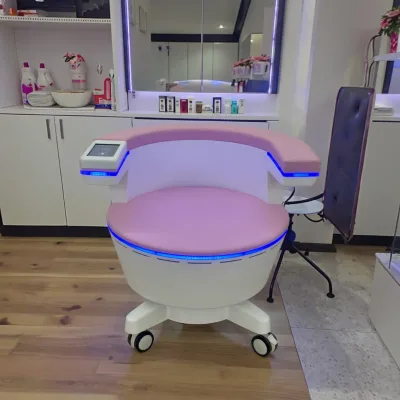


Non Invasive Trainer Pelvic Floor Muscle Machine EMS Chair Muscle Stimulator
$1200.00 - $1900.00
MOQ: 1 Pieces


Comprehensive Sourcing Guide
Pelvic Floor Muscle Trainer Sourcing Guide
Procurement of pelvic floor muscle trainers requires distinguishing between consumer-grade devices and professional salon equipment, as the supplied data indicates a wide variance in output power ranging from 300W to 5000W. Buyers must carefully evaluate whether the intended application is for home use or clinical settings, noting that observed listings include specific models like the ZK-P15 and MS-35 with distinct power profiles. The presence of high-intensity magnetic vibration capabilities, such as 14 tesla, suggests these units are designed for professional therapeutic environments rather than standard retail markets.
Sourcing decisions should also account for the physical dimensions and weight of the units, which vary significantly from compact single items to large chair-based systems weighing up to 59.5kg. The observed single package sizes and gross weights indicate that logistics planning must accommodate heavy industrial packaging, often utilizing aluminum cases or aviation-grade boxes. Buyers need to verify if the specific model supports the required voltage standards, such as AC110V or 220V, to ensure compatibility with local electrical infrastructure before finalizing any purchase order.
Product Scope and Observed Listing Signals
The market for pelvic floor muscle trainers includes devices utilizing electromagnetic wave energy ranging from 0 to 5 tesla, alongside units offering specific pulse widths like 450 microseconds. These technical signals help buyers identify the mechanism of action, whether it relies on electrical muscle stimulation or magnetic induction, which directly impacts the therapeutic outcome for the target pelvic floor area. The availability of customization options for language and branding suggests that suppliers are prepared to support private label arrangements for distributors entering the wellness sector.
Listing signals also reveal a diversity in material composition, with products constructed from stainless steel, plastic, and hydrogel to ensure durability and user comfort. The presence of LCD displays on certain models indicates a user interface designed for professional operation, allowing practitioners to adjust output intensity and frequency precisely. Buyers should scrutinize the product name and type descriptions to confirm that the device is explicitly marketed for strengthening pelvic floor muscles, ensuring alignment with the intended medical or wellness application.
Technical Specifications to Verify
Verification of output frequency is critical, as observed listings show ranges spanning from 1Hz to 200Hz, with specific models offering narrower bands like 1-60Hz or 3-200Hz. Procurement teams must confirm that the selected unit can deliver the specific frequency required for effective muscle stimulation without causing discomfort or injury to the patient. The output intensity varies significantly across models, with some listing 2.5 tesla and others up to 7 tesla, necessitating a clear understanding of the therapeutic dosage required for the specific treatment protocol.
Power consumption and fuse ratings are equally important technical parameters that define the operational safety and efficiency of the equipment. Buyers should verify that the output power, which ranges from 150W to 4500W in observed data, matches the facility's power capacity and that the fuse rating, such as 15A or 20A, provides adequate protection against electrical surges. Additionally, the physical specifications, including chair and hose dimensions, must be checked to ensure the equipment fits within the designated treatment room space.
Compliance and Safety Documentation
Certification status is a primary compliance indicator, with CE marking observed on several listings, suggesting adherence to European safety and health standards. Buyers must request valid certification documents to confirm that the device meets the regulatory requirements of the destination market, as this is often a prerequisite for importing medical or wellness equipment. The warranty periods observed, ranging from one year to two years, serve as a proxy for the manufacturer's confidence in product reliability and their commitment to after-sales support.
Safety documentation should also include detailed information on the electrical components, such as the specific voltage requirements and fuse specifications, to prevent operational hazards. Buyers need to ensure that the product standard and packaging details, such as the use of aluminum cases, align with international shipping safety regulations. Verifying the origin of the product, typically Guangdong, China, helps in assessing the supply chain transparency and the potential for consistent quality control across production batches.
Cost Drivers and Commercial Terms
The observed price range of 199 to 3799 USD reflects the significant cost differences between basic units and high-end professional systems with advanced magnetic capabilities. Buyers should analyze the cost drivers, such as the inclusion of LCD displays, the complexity of the magnetic vibration intensity, and the durability of materials like stainless steel, to understand the value proposition of each model. The selling unit structure, often listed as a single item, implies that pricing is typically per unit rather than per batch, which affects the total cost of ownership for large-scale procurement.
Commercial terms must be clarified regarding the minimum order quantity, which appears to be flexible with an observed range of 1 to 1, allowing for trial orders. However, buyers should negotiate based on the customization availability and the specific packaging requirements, such as the need for aviation aluminum boxes or custom branding. Understanding the relationship between the product weight, which can exceed 50kg, and the shipping costs is essential for accurate budgeting, as heavy items often incur higher freight charges.
Supplier Qualification and Quality Control
Supplier qualification should focus on the manufacturer's ability to provide consistent product specifications, as evidenced by the variety of model numbers like MS-11 and E105 in the market. Buyers must verify the production origin and the specific standards applied during manufacturing to ensure that the devices meet the claimed output frequencies and power levels. The presence of a warranty period, whether one or two years, indicates the supplier's willingness to stand behind their product, which is a key indicator of their quality control maturity.
Quality control processes should be validated through requests for test results and inspection reports, particularly for electrical safety and magnetic field consistency. Buyers should assess the supplier's capacity to handle customization requests, such as language settings or branding, without compromising the structural integrity of the device. The use of specific packing materials like aluminum cases suggests a focus on protecting the equipment during transit, which is a critical aspect of maintaining product quality from the factory to the end user.
Long-Term Procurement Checks
Long-term procurement strategies must include regular audits of the supplier's ability to maintain consistent output specifications, such as the 450μs pulse width and specific frequency ranges. Buyers should establish a protocol for periodic performance testing to ensure that the devices continue to deliver the advertised electromagnetic wave energy and output intensity over time. The warranty terms should be reviewed annually to confirm that the supplier remains responsive to any potential defects or performance degradation in the field.
Supply chain resilience is another critical factor, requiring buyers to monitor the lead times and production capacity of the supplier to avoid disruptions. The observed single package sizes and weights indicate that logistics planning must be robust to handle the physical constraints of the equipment. Buyers should also track the evolution of product standards and certifications to ensure that the devices remain compliant with changing international regulations and safety requirements.
FAQs
What certifications do ZIKE pelvic floor muscle trainers have?
The ZIKE brand pelvic floor muscle trainers are certified with CE marks, ensuring compliance with European safety standards. This certification is a key attribute for products originating from Guangdong, China, and helps verify that the equipment meets necessary regulatory requirements for international B2B distribution and salon use.
Can these trainers be customized for specific branding needs?
Yes, customization is available for these pelvic floor muscle stimulation devices. Buyers can request specific language options, such as English, and other tailored features to suit their market. This flexibility allows businesses to adapt the product for different regional requirements while maintaining the core EMS Vella functionality.
What is the typical warranty period for these devices?
The warranty period for these pelvic floor muscle trainers varies by model, ranging from one year to two years. Specific models like the MS-35 offer a two-year warranty, while others may provide one year. This coverage ensures support for the electronic components and structural integrity of the equipment.
How much does a single unit of this equipment weigh?
The weight of a single unit depends on the specific model and packaging. For instance, the ZK-P15 model has a gross weight of 50.000 kg, while other configurations list weights around 44.5kgs net and 59.5kgs gross. These figures are critical for calculating shipping costs and handling requirements.
What output power range do these pelvic floor trainers support?
The output power for these devices ranges from 150W to 5000W depending on the specific model. Some units operate between 150W and 2000W, while others can reach up to 4500W or 5000W. This variability allows buyers to select equipment that matches the intensity requirements of their specific salon or clinical applications.
What materials are used in the construction of these trainers?
These pelvic floor muscle trainers are constructed using stainless steel, plastic, and hydrogel materials. The combination of durable stainless steel and comfortable hydrogel ensures longevity and user comfort during sessions. The plastic components provide structural support for the electronic systems housed within the aluminum case or carton packaging.