Source Performance Edition Tesla Model Y for Fleet, Logistics, and Daily Commute
Compare 30 listings for the Performance Edition Tesla Model Y to find suitable electric SUVs for business fleets, logistics operations, and daily commuting. Review specifications including range, motor power, and seating capacity to identify the best fit for your operational needs.
Key considerations
Products List
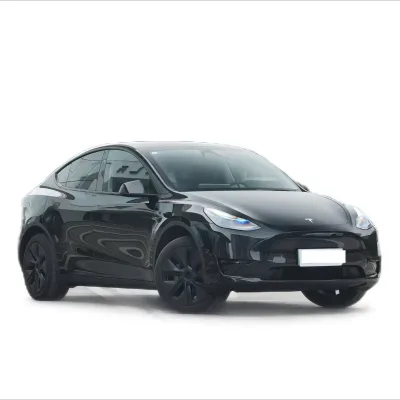
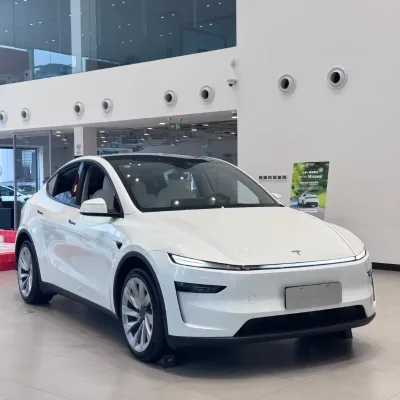


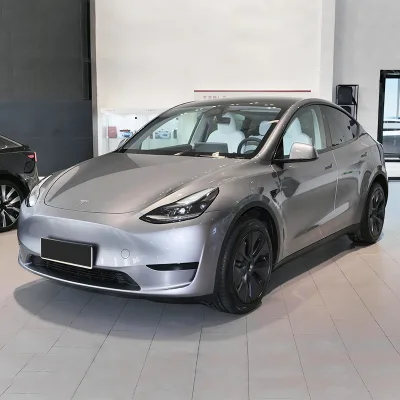

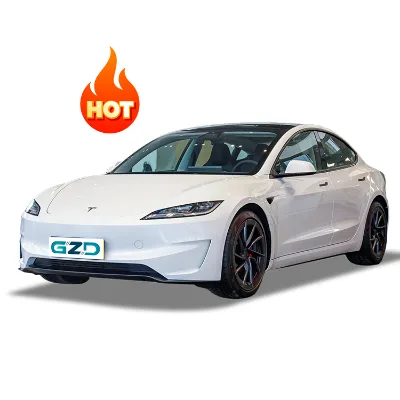


Hot Selling T-Esla Model Y 5door 5seat 4WD Double Motorhigh Performance Edition SUV
$9818.00 - $11141.00
MOQ: 1 sets


Sporty T-Esla Model Y 4WD Double Motor Pure Electric High-Performance SUV
$9818.00 - $11141.00
MOQ: 1 sets

Pure Electric T-Esla Model Y SUV: Maximum Power 220 and High-Performance
$25301.70 - $26707.35
MOQ: 1 sets
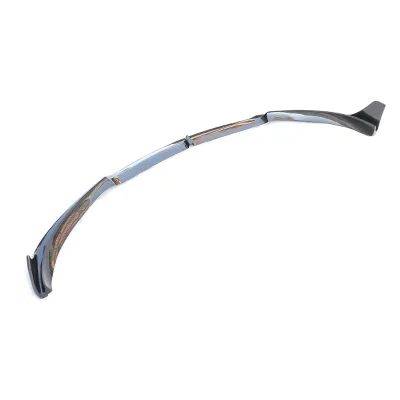
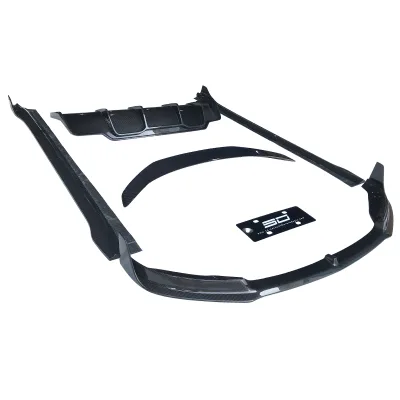
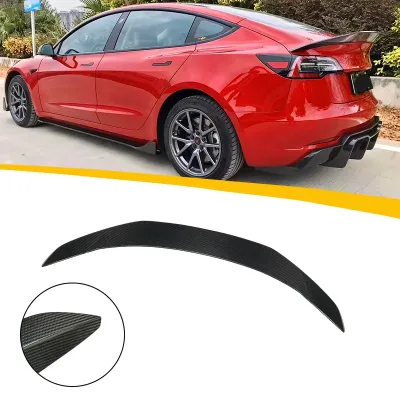


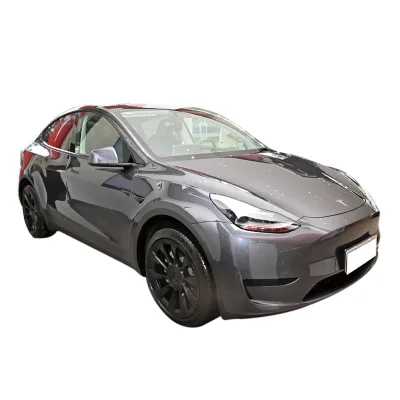
Comprehensive Sourcing Guide
Performance Edition Tesla Model Y Sourcing Guide
The performance edition of the Tesla Model Y represents a high-demand segment for buyers seeking a blend of electric efficiency and sporty dynamics. Procurement teams must distinguish between standard variants and the specific performance configurations, as the observed listings indicate a wide variance in power outputs ranging from 194 kW to 486 Ps. This discrepancy suggests that suppliers may be listing different trim levels or that the market contains mixed inventory, requiring buyers to rigorously verify the exact motor specifications before committing to a purchase order.
Buyers should focus on the specific powertrain architecture, noting that some listings cite a single rear-drive motor while others describe all-wheel-drive systems with significantly higher torque figures. The observed maximum power of 331 kW (450 Ps) and torque of 559 Nm aligns with high-performance expectations, yet other data points show lower outputs like 194 kW and 340 Nm. This inconsistency necessitates a detailed technical review of the supplier's product data sheet to ensure the vehicle matches the intended performance profile for fleet or resale operations.
Product Scope and Observed Listing Signals
The product scope for this category encompasses the Model Y body structure, specifically the 5-door, 5-seater SUV configuration with a closed body type. Listings indicate a consistent wheelbase of 2890 mm, which defines the interior space and handling characteristics, though external dimensions vary slightly across suppliers, with lengths recorded between 4750 mm and 4797 mm. Procurement teams must treat these dimensional variances as critical selection criteria, as they impact shipping logistics, parking requirements, and compatibility with existing infrastructure.
Market signals reveal a broad price range from 0.58 USD to 45,000 USD, reflecting a mix of potential data errors, different unit types, or varying condition states. The minimum order quantity (MOQ) ranges from 1 to 500 units, offering flexibility for both single-unit acquisitions and large fleet deployments. Buyers must navigate this volatility by cross-referencing the listed price with the specific model year, such as the 2024 or 2025 Debut Edition, to avoid purchasing mismatched inventory that does not meet their operational requirements.
Technical Specifications to Verify
Verification of the electric motor type is essential, as the supply chain lists both Permanent Magnet/Synchronous motors and varying power outputs. The observed specifications include a maximum speed of 201 km/h for high-performance units, while other entries list 160 km/h, indicating potential differences in software limits or hardware configurations. Buyers must confirm the exact motor quantity and drive mode, ensuring the vehicle is either Rear Drive or All-Wheel Drive, as this directly influences the vehicle's acceleration, traction, and overall performance capabilities.
Battery capacity and range claims require careful scrutiny, with listings showing a 60 kWh Lithium Iron Phosphate battery and a CLTC range of 719 km alongside other figures like 545 km. The charging time is noted as 1 hour in some contexts, but this metric is highly dependent on the charging infrastructure and battery state of charge. Procurement teams should demand verified test data for the specific batch being purchased to confirm the actual cruising range and charging efficiency, ensuring the vehicle meets the operational demands of the intended use case.
Compliance and Safety Documentation
Compliance documentation is a primary concern, with observed certifications including CE and CCC marks, which are critical for market entry in Europe and China respectively. Buyers must verify that the specific unit being sourced carries the valid certification for the destination market, as the presence of these marks on a listing does not guarantee that every individual vehicle in a shipment is compliant. The product standard referenced as 487618601675mm suggests a specific dimensional compliance, but buyers should cross-check this against local regulatory standards for vehicle dimensions and safety.
Safety features and structural integrity are implied by the 5-door, 5-seater SUV body structure, yet explicit safety test results are not provided in the available data. Procurement teams should request detailed safety reports, including crash test ratings and battery safety assessments, to ensure the vehicle meets international safety standards. The absence of explicit safety claims in the listing data means that buyers cannot assume compliance and must actively seek third-party verification before finalizing any procurement agreement.
Cost Drivers and Commercial Terms
Cost drivers in this market are heavily influenced by the specific model year and performance tier, with the 2025 Debut Edition likely commanding a premium over the 2024 models. The wide price range observed suggests that factors such as battery capacity, motor power, and included features significantly impact the final cost. Buyers should analyze the cost per unit relative to the specific power output and range capabilities to ensure they are not overpaying for a lower-specification vehicle that is mislabeled as a performance edition.
Commercial terms such as MOQ and lead time are variable, with MOQs ranging from 1 to 500 units and lead times not explicitly defined in the provided data. The single package size and gross weight of 50.000 kg indicate specific logistical considerations that will affect shipping costs and handling requirements. Procurement teams must negotiate clear terms regarding delivery schedules and payment structures, ensuring that the supplier can meet the volume requirements without compromising on the quality or specifications of the delivered vehicles.
Supplier Qualification and Quality Control
Supplier qualification requires a thorough vetting process, particularly given the diverse origins listed, including Chongqing, Shandong, and general China locations. Buyers should prioritize suppliers with a proven track record in exporting electric vehicles and those who can provide verifiable proof of their manufacturing capabilities. The variation in product attributes across listings suggests a fragmented supply chain, making it essential to audit the supplier's quality control processes to ensure consistency in the final product.
Quality control measures must be established to verify the consistency of the vehicle specifications, such as the tire size of 255/45 R19 and the color options available. Buyers should implement a pre-shipment inspection protocol to confirm that the delivered units match the agreed-upon technical specifications, including the battery type and motor power. This step is crucial to mitigate the risk of receiving vehicles that do not meet the performance expectations or regulatory requirements of the target market.
Long-Term Procurement Checks
Long-term procurement checks should focus on the availability of spare parts and the reliability of the after-sales support network. Given the specific battery type and motor configuration, buyers must ensure that the supplier can provide a steady supply of compatible components for maintenance and repairs. The lack of explicit information on after-sales support in the current data highlights the need for a contractual agreement that guarantees ongoing technical assistance and parts availability.
Sustainability and regulatory compliance are also critical for long-term viability, as electric vehicle regulations continue to evolve. Buyers should monitor changes in certification requirements and environmental standards to ensure that their procurement strategy remains compliant over time. Establishing a relationship with a supplier who is proactive in adapting to these changes will help mitigate risks and ensure a stable supply chain for the Performance Edition Tesla Model Y.
FAQs
What is the maximum power output for the Tesla Model Y performance edition?
The maximum power output is 331 kW, which equals 450 Ps. This high-performance specification ensures rapid acceleration and strong driving dynamics. The vehicle also features a maximum torque of 559 Nm, providing excellent responsiveness for both city driving and highway cruising scenarios.
What is the CLTC pure electric range for this Tesla Model Y?
The CLTC pure electric range is 719 km. This extended range capability allows for long-distance travel without frequent charging stops. The vehicle utilizes a lithium iron phosphate battery with a capacity of 60 kWh to support this efficient energy consumption and performance.
What are the dimensions of the Tesla Model Y body structure?
The body dimensions are 4797 mm in length, 1920 mm in width, and 1624 mm in height. It features a 5-door 5-seater SUV body structure with a wheelbase of 2890 mm. These measurements provide ample interior space and stable handling characteristics.
What certifications does the Tesla Model Y electric car hold?
The Tesla Model Y holds CE and CCC certifications. These certifications indicate compliance with specific regional safety and quality standards. Buyers should verify that the specific unit matches their local regulatory requirements before finalizing procurement or import arrangements.
What is the maximum speed of the Tesla Model Y performance edition?
The maximum speed is 201 km/h. This top speed is achieved through its pure electric motor configuration. The vehicle is designed for high-speed stability and performance, making it suitable for various road conditions and driving preferences.
What tire specifications are used on the Tesla Model Y?
The Tesla Model Y uses 255/45 R19 tires. These tires are selected to support the vehicle's weight and performance characteristics. Proper tire maintenance is essential for ensuring optimal grip, safety, and efficiency during operation.