Source Pet Cup for Cold Beverage, Dessert, and Ice Cream
Find 30 Pet Cup options from Chinese manufacturers with customizable sizes and FDA certifications. Buyers can compare features like eco-friendly materials, BPA-free status, and packaging details for cold beverages, desserts, and ice cream.
Key considerations
Products List


Bulk Pet Disposable Cups – for Cold Drinks, Fast Turnaround & Custom Prints
$0.01 - $0.02
MOQ: 30000 Pieces


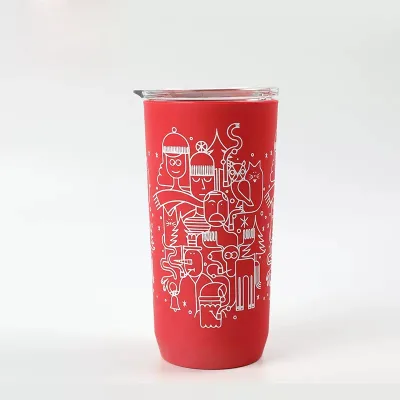


Comprehensive Sourcing Guide
Pet Cup Sourcing Guide
Sourcing PET cups requires a nuanced understanding of material properties, regulatory compliance, and commercial terms that vary significantly across global suppliers. Polyethylene terephthalate (PET) is a widely used thermoplastic polymer resin known for its clarity, strength, and recyclability, making it a preferred choice for disposable food and beverage packaging. Buyers must navigate a market where product attributes such as customization, certification status, and minimum order quantities (MOQ) are not uniform. The observed data indicates a diverse landscape ranging from simple, unicolor designs to complex, engraved, or printed styles, with origins predominantly in China. This guide provides a structured approach to evaluating these offerings, ensuring that procurement decisions are based on verified specifications rather than marketing claims.
The following sections detail the critical factors for sourcing PET cups, including product scope, technical verification, compliance documentation, cost analysis, supplier qualification, and long-term procurement strategies. Each section is designed to help buyers make informed decisions by focusing on observable listing signals and essential verification steps. By adhering to these guidelines, procurement teams can mitigate risks associated with quality inconsistencies, regulatory non-compliance, and supply chain disruptions. The goal is to establish a robust sourcing framework that aligns with specific business needs, whether for cold beverages, desserts, or other food applications.
Product Scope and Observed Listing Signals
The product scope for PET cups encompasses a wide variety of designs, sizes, and functionalities, as evidenced by the diverse listings available in the market. Observed attributes include styles ranging from Chinese traditional designs to simple, modern aesthetics, with color options spanning clear, unicolor, and multicolor finishes. The material composition is consistently identified as PET or RPET (Recycled PET), with some listings specifying food-grade standards and BPA-free formulations. These cups are typically disposable and intended for adult use, with applications extending to cold beverages, desserts, food, fruit, and ice cream. The presence of accessories such as covers further expands the utility of these products, catering to on-the-go consumption needs.
Listing signals reveal significant variability in customization options and production capabilities. Many suppliers offer OEM/ODM services, allowing for tailored solutions in terms of size, color, and branding. The observed MOQs range from 10,000 to 100,000 pieces, indicating that suppliers cater to both small-scale and large-volume buyers. Additionally, the observed price range of $0 to $29.4 USD suggests a broad spectrum of product quality and value propositions. Buyers should note that while some listings highlight specific features like eco-friendliness or engraved techniques, these attributes are not universal and must be verified on a case-by-case basis. Understanding these signals is crucial for aligning supplier capabilities with specific procurement requirements.
Technical Specifications to Verify
Technical verification is paramount when sourcing PET cups, as specifications can vary widely even within the same product category. Buyers should prioritize verifying the material grade, ensuring that the cups are made from food-grade PET or RPET that meets relevant safety standards. The observed data indicates that some suppliers specify a temperature resistance range of -20°C to +65°C, which is critical for products intended to hold both cold and warm items. Additionally, the net weight of the cups, ranging from 3.8g to 12g per piece, can impact durability and cost. Buyers must confirm these specifications with suppliers to ensure that the products meet their functional requirements and quality expectations.
Size and capacity are other critical technical specifications that require careful verification. The observed listings include a variety of standard sizes, such as 1oz, 3oz, 5oz, 6oz, 7oz, 8oz, 9oz, 10oz, 12oz, 14oz, and 16oz, with some suppliers offering customizable options. The observed models, such as "16OZ-90MM" and "3oz-62mm," provide specific dimensions that buyers should cross-reference with their packaging and usage needs. Furthermore, the observed packing configurations, such as 50*20 bags or 1000PCS/Box, can influence logistics and storage costs. Buyers should request detailed technical datasheets to confirm these specifications and ensure compatibility with their existing operations.
Compliance and Safety Documentation
Compliance and safety documentation are essential for mitigating legal and reputational risks in the procurement of PET cups. The observed listings indicate that some suppliers hold FDA and QS certifications, which are critical for products intended for food contact in certain markets. Buyers must verify the validity and scope of these certifications, ensuring that they cover the specific products being sourced. Additionally, the observation that some cups are labeled as BPA-free is a significant safety feature that should be confirmed through independent testing or supplier-provided test reports. Buyers should also inquire about other relevant certifications, such as ISO standards or regional food safety regulations, to ensure comprehensive compliance.
Beyond certifications, buyers should request detailed material safety data sheets (MSDS) and migration test results to verify the safety of the PET material. These documents provide insights into the chemical composition of the cups and their potential to leach harmful substances into food or beverages. The observed emphasis on eco-friendly attributes suggests that some suppliers may offer recyclable or biodegradable options, but buyers should verify these claims through recognized environmental certifications. By prioritizing compliance and safety documentation, buyers can ensure that their sourced products meet regulatory requirements and align with their sustainability goals.
Cost Drivers and Commercial Terms
Cost drivers for PET cups include material prices, production complexity, customization requirements, and order volume. The observed MOQs, ranging from 10,000 to 100,000 pieces, indicate that larger orders may benefit from economies of scale, resulting in lower per-unit costs. However, customization options such as engraved designs, printed logos, or specific color matches can increase production costs. Buyers should negotiate clear pricing structures that account for these variables, ensuring that they understand the cost implications of their specific requirements. The observed price range of $0 to $29.4 USD highlights the importance of comparing quotes from multiple suppliers to identify competitive pricing.
Commercial terms, including payment methods, lead times, and shipping arrangements, also significantly impact the total cost of procurement. Buyers should establish clear agreements on payment terms, such as advance payments or letters of credit, to manage cash flow and mitigate financial risks. Lead times can vary based on order volume and customization complexity, so buyers should confirm delivery schedules with suppliers to ensure timely receipt of goods. Additionally, shipping costs can be substantial, so buyers should consider factors such as packaging efficiency and logistics partnerships to optimize transportation expenses. By carefully managing cost drivers and commercial terms, buyers can achieve cost-effective procurement outcomes.
Supplier Qualification and Quality Control
Supplier qualification is a critical step in ensuring the reliability and consistency of Pet Cup supplies. Buyers should conduct thorough due diligence on potential suppliers, verifying their business licenses, production capabilities, and quality management systems. The observed data indicates that many suppliers are located in China, so buyers should consider the implications of sourcing from this region, including potential logistical challenges and cultural differences. Additionally, buyers should request samples to evaluate product quality, including aspects such as clarity, durability, and finish. This hands-on assessment can provide valuable insights into the supplier's ability to meet specific requirements.
Quality control measures should be established to monitor production processes and ensure consistent product quality. Buyers should implement regular inspections, either through third-party agencies or in-house teams, to verify that products meet specified standards. The observed variability in attributes such as color, style, and packaging suggests that quality control is essential to prevent inconsistencies in the final product. Buyers should also establish clear communication channels with suppliers to address any issues promptly and implement corrective actions as needed. By prioritizing supplier qualification and quality control, buyers can build a robust supply chain that delivers high-quality PET cups.
Long-Term Procurement Checks
Long-term procurement checks are essential for maintaining a sustainable and efficient supply chain for PET cups. Buyers should regularly review supplier performance metrics, including on-time delivery rates, product quality, and responsiveness to issues. This ongoing evaluation helps identify potential risks and opportunities for improvement, allowing buyers to make informed decisions about supplier relationships. Additionally, buyers should stay informed about market trends and regulatory changes that may impact the sourcing of PET cups, such as new environmental regulations or shifts in material costs. By proactively monitoring these factors, buyers can adapt their procurement strategies to remain competitive and compliant.
Sustainability considerations are increasingly important in long-term procurement strategies. Buyers should explore opportunities to source recycled PET (RPET) or other eco-friendly materials, aligning with growing consumer demand for sustainable products. The observed emphasis on eco-friendly attributes suggests that some suppliers are already offering such options, but buyers should verify these claims and assess their environmental impact. Additionally, buyers should consider implementing circular economy practices, such as recycling programs or take-back schemes, to reduce waste and enhance brand reputation. By integrating sustainability into their long-term procurement checks, buyers can contribute to a more responsible and resilient supply chain.
FAQs
What certifications do the pet cups have?
The pet cups hold FDA and QS certifications to ensure food safety standards. These certifications confirm the material meets regulatory requirements for direct food contact. Buyers can rely on these documented standards when sourcing for commercial food service applications.
Can I customize the size and color of the cups?
Yes, customization is available for both size and color specifications. The product line offers customizable options ranging from 1oz to 16oz with unicolor or multicolor choices. This flexibility allows buyers to tailor the cups to specific branding or functional needs.
What is the minimum order quantity for these cups?
The minimum order quantity varies by product model, ranging from 10 to 100,000 pieces. Specific models like the 16oz version require 30,000 pieces, while others may start at 100,000 pieces. Buyers should verify the exact MOQ for their selected model before placing an order.
How are the plastic cups packaged for shipment?
Packaging options include 50 bags per bundle or 1,000 pieces per box depending on the model. Some specific models are packed in quantities of 2,500 pieces per box. This varied packaging ensures efficient handling and storage for different order volumes and logistics requirements.
What temperature range can these cups withstand?
These cups are designed to withstand temperatures from -20 degrees Celsius to +65 degrees Celsius. This range supports usage for cold beverages, desserts, and ice cream without compromising structural integrity. The material remains stable within these limits for safe food service applications.
Are the cups suitable for cold beverages and desserts?
Yes, the cups are explicitly designed for cold beverages, desserts, food, fruit, and ice cream. The material is food grade and BPA free, ensuring safety for these specific uses. The clear or multicolor designs make them ideal for presenting chilled items attractively.