Source Pet Dog Collar for Walking, Training, and Daily Use
Find and compare 30 Pet Dog Collar options from China suppliers. Explore nylon vests, buckles, and leashes in various sizes and colors. Check MOQs, customization services, and lead times for your sourcing needs.
Key considerations
Products List


$0.80 - $1.80
MOQ: 1000 Pieces


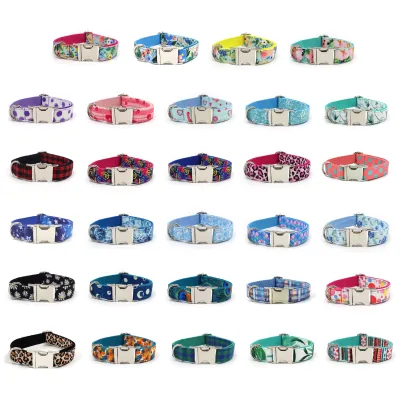


Dog Collar with Custom Logo, Promotional Dog Collar, Promotion Dog Collar
$0.35 - $0.45
MOQ: 1000 Pieces


Sturdy Leather Pet Collar for Medium Dogs - Soft and Durable Dog Collar
$3.00 - $5.00
MOQ: 1000 Pieces


Comprehensive Sourcing Guide
Pet Dog Collar Sourcing Guide
The global market for pet dog collars is characterized by a diverse range of functional designs, from basic identification bands to tactical gear featuring MOLLE systems for training and utility. Buyers sourcing these items must navigate a landscape where product attributes vary significantly between listings, with observed materials ranging from durable nylon to specialized fabrics, and styles spanning casual wear to high-performance training equipment. The core keyword "Pet Dog Collar" encompasses a broad spectrum of sub-categories, including buckle collars, vests, and leashes, each requiring distinct verification protocols to ensure the final product meets specific operational needs.
Procurement decisions for this category hinge on understanding the specific customization capabilities and production constraints of potential suppliers. While some listings indicate a high degree of flexibility with OEM/ODM services and custom logo acceptance, others present fixed specifications with non-customized options. This variance necessitates a rigorous initial screening process where buyers must clearly define their requirements for size, color, and branding before engaging with suppliers, as the observed data shows a wide disparity in sample lead times and minimum order quantities that can impact project timelines and budget allocation.
Product Scope and Observed Listing Signals
Buyers should first analyze the observed product signals to determine if the available inventory aligns with their specific use cases, such as home training or outdoor activities. The market data indicates a strong presence of nylon-based products in colors like black, green, brown, and yellow, with specific models designed for different size ranges including M, L, XL, and adjustable options. It is critical to distinguish between products marketed as "Molle Pet Collars" or "Vests" versus standard "Buckle Collars," as the structural differences dictate their suitability for heavy-duty training versus everyday wear.
A significant signal in the current market is the inconsistency in customization status across different listings, where some products explicitly offer custom logos while others state "No Accept Customized Logo." This discrepancy requires buyers to verify the actual production capability of a supplier rather than relying solely on the general product title. Additionally, the presence of specific model numbers like Q1802, Q2401, and L2601 suggests that suppliers often maintain distinct SKUs for different specifications, meaning a buyer must request the exact model data sheet to confirm dimensions and material composition before placing an order.
Technical Specifications to Verify
Dimensional accuracy is a primary technical requirement, as observed specifications vary from compact sizes like 25*10cm to larger tactical dimensions such as 56cm * 5cm * 1.5cm. Buyers must verify the exact width and length of the collar against the intended dog breed size, noting that some listings specify a range of 25.5-77.5cm while others offer fixed measurements. The weight of the product is another critical factor, with observed values ranging from 0.11kg to 0.3kg, which can influence the comfort and mobility of the animal during extended use or training sessions.
Material composition and construction quality must be validated through physical samples, as the primary material observed is nylon, but the specific weave density and durability are not always detailed in the listing. Buyers should request technical data regarding the stitching strength and buckle mechanism, particularly for products intended for "Home,Training" applications where safety is paramount. Furthermore, the packaging specifications, which range from 1PCS/Polyester to 100PCS/Box, should be evaluated to ensure they provide adequate protection during transit and meet the buyer's retail or distribution requirements.
Compliance and Safety Documentation
Safety compliance is a non-negotiable aspect of sourcing pet accessories, and buyers must verify that suppliers can provide relevant certification documents such as ISO standards. The observed data mentions ISO certification and ISO9001 compliance for certain models, indicating that some manufacturers adhere to quality management systems, but this status is not universal across all listings. Procurement teams should explicitly request current certification copies and ensure they cover the specific manufacturing facility and product line being sourced, rather than accepting generic claims.
In addition to quality management certifications, buyers must investigate material safety and chemical compliance to ensure the products are safe for animal contact. While the provided facts do not list specific chemical test results, the "High Quality" and "New" condition attributes suggest a baseline expectation of safety. It is essential to confirm that the nylon materials and any dyes used in colors like multicolor or yellow do not contain harmful substances, and that the product meets the safety standards of the destination market, which may require third-party testing reports for flammability or toxicity.
Cost Drivers and Commercial Terms
The commercial landscape for pet dog collars is influenced heavily by the Minimum Order Quantity (MOQ), which ranges widely from 2 pieces to 20,000 pieces depending on the supplier and product customization level. Buyers with smaller volume requirements can access suppliers with low MOQs, but they must be prepared for potentially higher unit costs or limited customization options. Conversely, larger orders may unlock better pricing tiers but require a significant upfront commitment and longer lead times, as sample days can extend from 15 to 30 days depending on the complexity of the order.
Pricing and payment terms are further driven by the level of customization required, such as the acceptance of custom logos or specific color combinations. The observed data shows that some suppliers offer OEM/ODM services, which typically involve additional tooling or setup costs that must be factored into the total landed cost. Buyers should negotiate clear terms regarding sample fees, which are often non-refundable unless the order volume is met, and clarify the payment schedule to align with production milestones, ensuring that the financial risk is balanced between the buyer and the supplier.
Supplier Qualification and Quality Control
Supplier qualification should begin with a thorough review of their production origin and capacity, as the majority of observed listings originate from Fujian, China, or China Mainland. Buyers must verify the supplier's ability to maintain consistent quality across large batches, especially given the variation in packing standards from individual poly bags to bulk box packaging. It is advisable to conduct a factory audit or request detailed video evidence of the production line to confirm that the claimed "High Quality" standards are consistently applied during the manufacturing process.
Quality control protocols must be established before production begins, with a focus on verifying the "Condition: New" status and ensuring that the final product matches the approved sample. Buyers should implement a pre-shipment inspection process that checks for defects in stitching, buckle functionality, and color consistency, particularly for products with multiple color options like black, green, and brown. Establishing a clear acceptance criteria document based on the observed specifications, such as the 2.0mm*30cm size or the 150PC/Poly Bag+ packing standard, will help prevent disputes and ensure that the delivered goods meet the buyer's expectations.
Long-Term Procurement Checks
Sustaining a successful supply chain for pet dog collars requires ongoing monitoring of supplier performance and product consistency over time. Buyers should track key performance indicators such as on-time delivery rates, defect rates, and the responsiveness of the supplier to quality issues, as the initial sample days of 15-20 days may vary in future production runs. Regular re-verification of certifications and material safety is essential to ensure that the supplier continues to meet regulatory requirements as standards evolve in the pet industry.
Long-term relationships should be built on transparent communication and mutual understanding of the product specifications, including the specific model numbers and size ranges that have proven successful in the market. Buyers must remain vigilant about changes in the supplier's product line, such as shifts in available colors or materials, and ensure that any modifications are communicated and approved before production. By maintaining a proactive approach to supplier management and continuously validating the technical and commercial terms, buyers can secure a reliable supply of high-quality pet dog collars that meet the evolving needs of their customers.
FAQs
What materials are used for the Pet Dog Collar?
The Pet Dog Collar is constructed from high-quality nylon material. This durable fabric ensures longevity and comfort for the dog while maintaining a casual style suitable for everyday use.
Can I request a customized logo on the collar?
Customized logos are available for some models but not all. Buyers should verify specific product models like Q1802 or L2601 to confirm if the vendor accepts custom logo requests before placing an order.
What is the minimum order quantity for this product?
The minimum order quantity starts at 2 pieces for certain items. However, other listings may require up to 20,000 pieces, so buyers must check the specific MOQ for the model they intend to purchase.
How long does it take to receive a sample?
Sample preparation typically takes between 15 to 30 days. Some specific models may require 15 to 20 days, depending on the customization level and current production capacity of the manufacturer in Fujian, China.
Which certifications does the manufacturer hold?
The manufacturer holds ISO certification for their production processes. This ensures that the pet dog collars meet specific quality standards and are produced in facilities that adhere to international management system requirements.
What sizes are available for the Pet Dog Collar?
Available sizes include M, L, and XL for standard models. Some specific buckles are adjustable or come in different sizes like 2.0mm by 30cm, catering to various dog breeds and neck circumferences.
Where is the product manufactured and shipped from?
The products originate from Fujian, China, and other parts of the Chinese mainland. Buyers can expect shipping from these locations, which are known for their established manufacturing capabilities in pet accessories.