Source Pet Feed Potato Flakes for cattle, chicken, and pig
Compare 30 listings for Pet Feed Potato Flakes sourced from Heilongjiang and Shandong. Buyers can evaluate options including sweet potato powder, flakes, and pellets with varying moisture and ash levels for animal feed applications.
Key considerations
Products List


Pet Food Ingredient Factory Wholesale Sweet Potato Pellets Feed Grade
$460.00 - $550.00
MOQ: 1 metric tons


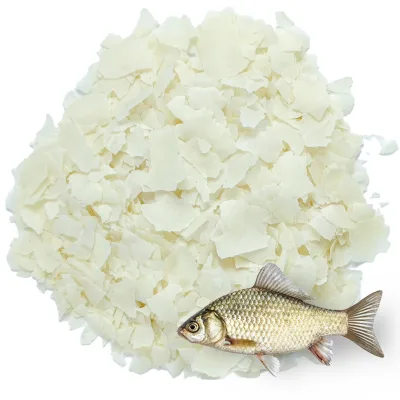


Low Viscosity Pet Enhances Viscosity and Improves Raw Material Quality
$15000.00 - $235000.00
MOQ: 1 Pieces


Comprehensive Sourcing Guide
Strategic Sourcing Guide for Pet Feed Potato Flakes
Procuring Pet Feed Potato Flakes requires a nuanced understanding of the intersection between agricultural processing, nutritional science, and industrial supply chain logistics. The market for animal feed ingredients is vast, with potato-based products serving as a critical energy source for various livestock and companion animals. For procurement professionals, the primary challenge lies in distinguishing between generic agricultural commodities and specialized feed-grade ingredients that meet specific nutritional and safety standards. This guide provides a structured approach to sourcing these materials, focusing on verified attributes, compliance frameworks, and operational considerations derived from current market data.
Technical Specifications and Product Variants
The technical definition of potato flakes for feed varies significantly based on the intended animal species and the processing method. In the current market, buyers encounter distinct product forms, ranging from dehydrated pieces to powder feeds and pelletized formats. A critical observation in the supply landscape is the diversity in physical specifications. For instance, some listings specify a size range of 3-5mm, while others describe the product as powder feed or pellets with dimensions of 6-8mm. These physical characteristics directly impact the mixing efficiency and digestibility of the final feed formulation.
Moisture content is another paramount technical specification. High moisture levels can lead to mold growth and spoilage during storage, rendering the product unsuitable for long-term inventory. Verified data indicates that high-quality feed-grade potato products often maintain a moisture content of 13% maximum. This threshold is essential for maintaining shelf stability. Furthermore, the ash content, which represents the mineral residue after combustion, is a key indicator of purity. Specifications often cite an ash content of 6% maximum, suggesting a high degree of refinement and low contamination from soil or processing aids.
The material composition also varies. While some products are derived from 100% sweet potato, others may be labeled as starch-based or functional feed ingredients. The distinction between "sweet potato" and generic "potato" is significant for nutritional profiling, as sweet potatoes often contain higher levels of specific carbohydrates and vitamins. Buyers must verify the exact botanical source, as the label "potato flakes" can sometimes be a generic term for various tuber-based starches. Additionally, the reducing sugar content is a critical quality metric, with some specifications noting a level of less than 3%, which influences the product's reactivity and suitability for specific animal diets.
Compliance, Certification, and Safety Standards
Navigating the regulatory landscape is essential for B2B procurement in the animal feed sector. Compliance ensures that the ingredients do not introduce toxins or pathogens into the food chain. A primary certification to look for is ISO certification, which indicates that the manufacturer adheres to international management system standards for quality and consistency. While specific certification bodies vary, the presence of an ISO mark on product documentation is a strong indicator of a controlled manufacturing environment.
The "End Use" classification is equally critical. Products must be explicitly marked as "Food Grade" or "Feed Grade" depending on the regulatory jurisdiction. In many contexts, feed-grade ingredients are subject to different safety thresholds than human food ingredients, yet the hygiene standards remain rigorous. The material grade, such as "Feed Grade," confirms that the product is intended for animal consumption and has passed relevant safety checks for that specific use case.
Storage and handling standards are also part of the compliance framework. Manufacturers often specify that products must be stored in dry, ventilated, and moisture-proof areas to maintain quality. This requirement is not merely a suggestion but a condition of the product's validity. Failure to adhere to these storage conditions can void warranties and lead to product degradation. Additionally, the packaging itself plays a role in compliance. Standard packaging often involves 25kg kraft paper bags or 950kg PP bags, designed to protect the contents from environmental factors. The use of multi-layer packaging, such as a 3-layer paper bag with an inner plastic bag, further ensures that the product remains isolated from external contaminants during transit.
Cost Drivers and Pricing Dynamics
The pricing of Pet Feed Potato Flakes is influenced by a complex matrix of factors, including raw material availability, processing complexity, and logistics. The observed price range in the market is extremely broad, spanning from $0.10 to $235,000. This vast disparity highlights the difference between raw agricultural commodities and specialized, high-volume industrial contracts. A single unit price of $0.10 likely refers to a small sample or a specific metric tonnage in a spot market, whereas higher figures may reflect bulk industrial contracts, specialized processing, or bundled logistics services.
Volume is the most significant cost driver. The Minimum Order Quantity (MOQ) ranges from 1 unit to 1000 units, indicating flexibility for small buyers but potential economies of scale for larger enterprises. Buyers should note that the standard production model often involves 25kg bags, with some suppliers offering 15kg or 20kg options. For larger industrial buyers, the standard might shift to 1 ton per bag or bulk container loads. The "1 ton/bag" specification suggests a specific packaging standard for heavy-duty transport, which can significantly impact freight costs.
Logistics and origin also play a pivotal role in the final landed cost. Products originating from regions like Heilongjiang, Shaanxi, and Shandong in China benefit from established agricultural infrastructure. However, transportation costs from these inland provinces to international ports can vary. Buyers must factor in the "Place of Origin" when calculating total cost of ownership. Furthermore, the type of carrier material, such as PET or recycled PET, can influence the cost of packaging and the overall sustainability profile of the shipment, which may carry a premium in certain markets.
Typical Applications and Nutritional Profiles
The application of potato flakes in pet and animal feed is diverse, driven by the nutritional benefits of the ingredient. The primary function of these flakes is to serve as an energy-dense carbohydrate source. The "Main Nutrients" are often described as "Functional Feed," indicating that the product is designed to support specific physiological processes rather than just providing bulk calories. The "Main Ingredient" is typically starch, which is highly digestible for many animal species.
The versatility of the product is evident in its usage across various animal types. Specifications list usage for cattle, chickens, dogs, horses, and pigs. This broad applicability makes potato flakes a valuable ingredient for compound feed manufacturers who produce formulations for multiple species. For pet food specifically, the product is often used as an ingredient to promote health and growth. The "Type" of product is sometimes described as "Keeping Health and Promoting Growth," suggesting a functional benefit beyond simple caloric intake.
The physical form of the flakes also dictates their application. Powder feeds are ideal for mixing into wet or dry rations where uniform distribution is required. Pellet feeds, on the other hand, are often used in extrusion processes to create finished feed pellets. The "Shape" of the product, whether powder or pellets, must align with the manufacturing capabilities of the feed mill. Additionally, the "Carrier" material, such as PET, may be used in the processing of the flakes to ensure they are easily transportable and mixable within the feed production line.
Supplier Evaluation and Sourcing Strategy
Evaluating suppliers for Pet Feed Potato Flakes requires a rigorous assessment of their capabilities and reliability. One of the key differentiators in the market is the availability of customization and OEM/ODM services. Many suppliers offer "OEM / ODM: Yes" and "OEM: Support," allowing buyers to request custom packaging, specific particle sizes, or tailored nutritional profiles. This flexibility is crucial for brands that need to differentiate their products or meet specific regulatory requirements.
The "Service" attribute, often listed as "OEM ODM," indicates that the supplier is capable of more than just selling a commodity; they can act as a manufacturing partner. Buyers should verify the supplier's ability to handle specific order models, such as "RPET Flakes" or specific product codes like "SPP-1" and "SPP-2." These codes often correspond to specific formulations or processing methods. Additionally, the "Address" of the supplier, such as the Sanzhuang Industrial Park, can provide insight into the industrial cluster and the level of infrastructure available.
When evaluating suppliers, buyers should also consider the "Quality" claims. While many suppliers state "High Quality," this is a subjective term that must be backed by objective data. Buyers should request test results for moisture, ash, and reducing sugar content to verify these claims. The "Shelf Life" of 12 months from the date of production is a standard metric that buyers should confirm. A supplier with a robust quality control system will provide certificates of analysis (CoA) for every batch, ensuring consistency over time.
Quality Control and Long-Term Procurement Considerations
Establishing a long-term procurement strategy for Pet Feed Potato Flakes involves more than just securing a one-time supply. Quality control must be an ongoing process. The "Storage" requirements, such as keeping the product in a dry, ventilated area, must be communicated clearly to the buyer's logistics team. Failure to maintain these conditions can lead to spoilage, even if the product was high quality at the time of shipment.
Buyers should also consider the "Standard" of the product, which is often defined by the packaging weight, such as 25kg or 1 ton/bag. Consistency in packaging is vital for inventory management and automated feeding systems. The "prod_model" variations, such as 25KG/BAG or specific RPET models, should be standardized across orders to minimize confusion and errors.
Finally, the sustainability aspect of the supply chain is becoming increasingly important. The use of "Recycled Pet" as a material for packaging or carriers suggests a commitment to environmental responsibility. Buyers should inquire about the supplier's sustainability practices, including waste management and energy efficiency in the production process. By focusing on these long-term considerations, buyers can build a resilient supply chain that ensures a steady flow of high-quality pet feed ingredients while adhering to evolving environmental and regulatory standards.
| Attribute Category | Key Specification | Observation / Verification Point |
|---|---|---|
| Physical Form | Pieces, Powder, Pellets | Verify size (3-5mm vs 6-8mm) based on mixing needs. |
| Moisture Content | 13% Max | Critical for preventing mold and ensuring shelf life. |
| Ash Content | 6% Max | Indicator of purity and mineral residue levels. |
| Packaging | 25kg Kraft Paper, 950kg PP Bags | Check for inner plastic lining for moisture protection. |
| Certification | ISO | Verify current validity and scope of certification. |
| Origin | Heilongjiang, Shaanxi, Shandong | Assess logistics costs based on specific province. |
| Customization | OEM/ODM Available | Confirm lead times for custom formulations. |
| Shelf Life | 12 Months | Verify production date on every shipment received. |
In conclusion, sourcing Pet Feed Potato Flakes requires a balance of technical diligence and strategic partnership. By focusing on verified specifications, robust quality control, and clear communication regarding customization and logistics, buyers can secure a reliable supply of this essential animal feed ingredient. The market offers a wide array of options, from basic commodities to specialized functional feeds, and the right choice depends on the specific needs of the end-user and the operational capabilities of the buyer.
FAQs
What certifications do Pet Feed Potato Flakes suppliers typically hold?
Suppliers often hold ISO certification to ensure quality management standards. This indicates adherence to international protocols for consistent manufacturing and safety controls in the production of feed-grade ingredients.
How is the moisture content controlled in these potato flakes?
High-quality products maintain a maximum moisture content of 13 percent. This strict limit prevents mold growth and ensures shelf stability during storage and transportation to the buyer.
Which packaging standards are used for shipping these flakes?
Common packaging includes 25kg kraft paper bags or 950kg PP bags. Some suppliers use a three-layer paper bag with an inner plastic bag for enhanced protection against moisture and contaminants.
Can suppliers provide customized packaging or OEM services?
Yes, many suppliers support OEM and ODM services with customization available. Buyers can request specific packaging sizes like 15kg or 20kg bags to match their operational logistics and branding needs.
What is the shelf life of dehydrated potato flakes for feed?
The standard shelf life is 12 months from the date of production. This duration assumes storage in a dry, ventilated, and moisture-proof area to maintain product quality and safety.
Which animal types can consume these potato flakes as feed?
These flakes are suitable for cattle, chickens, dogs, horses, and pigs. The starch-based composition serves as a functional feed ingredient to promote health and growth across various livestock species.