Source Pet Food Measuring Spoon for Dog Feeding, Cat Portioning, and Bulk Supply
Find and compare 30 Pet Food Measuring Spoon options from verified Chinese manufacturers. Evaluate specifications such as PP plastic material, medium sizes, and bulk packaging to select the right tool for dog and cat feeding routines.
Key considerations
Products List


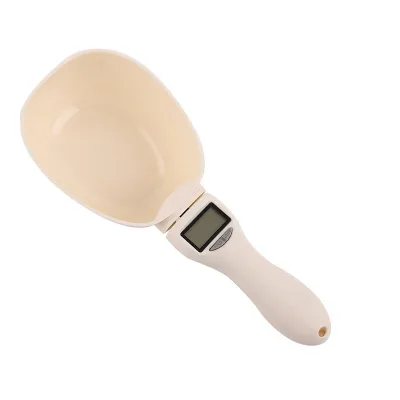
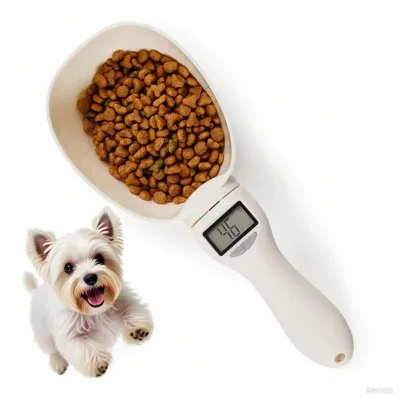
Cat Food Dog Food Weighing Spoon Electronic Weighing Pet Supplies Measuring Spoon
$6.33 - $6.73
MOQ: 500 Pieces


Electronic Measuring Spoon Pet Food Electronic Measuring Spoon Pet Supplies
$3.26 - $3.46
MOQ: 500 Pieces

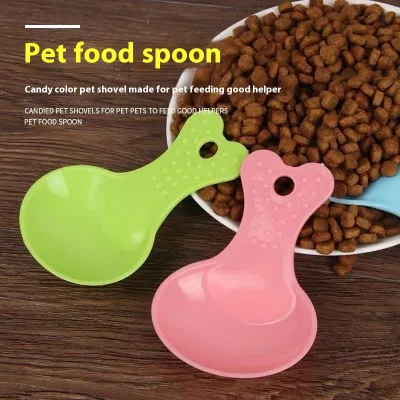
Pet Food Spoon Transparent Belt Scale Measuring Food Spoon Pet Tableware
$1.00 - $1.10
MOQ: 500 Pieces
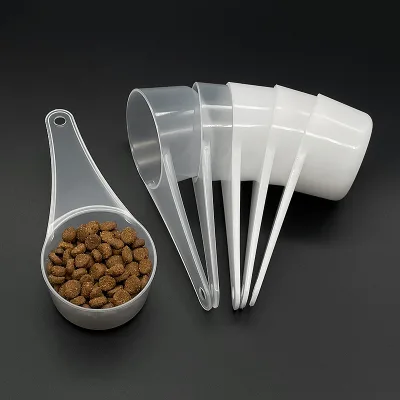
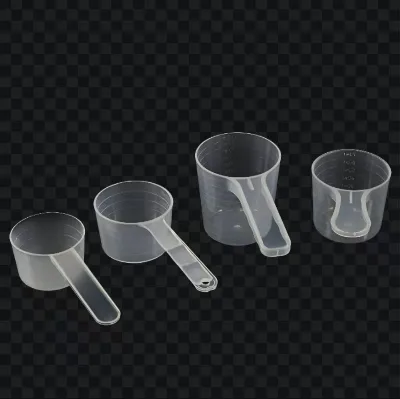
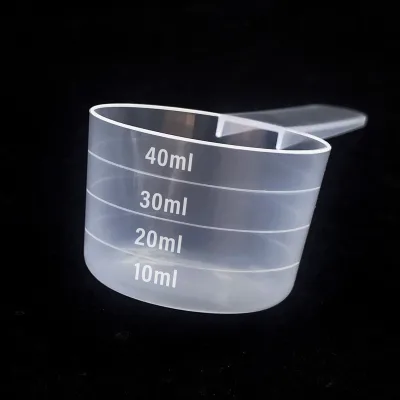
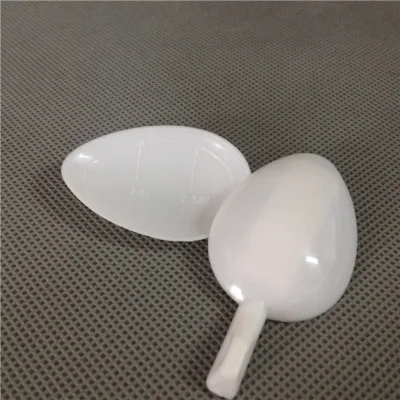


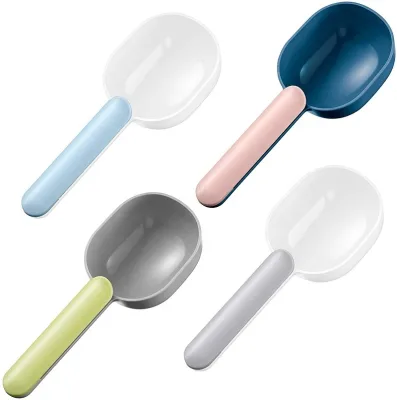
7.5g Measuring Scoop 7.5 Gram Pet Food Plastic Scoop 15ml Measuring Spoon
$0.04 - $0.06
MOQ: 10000 Pieces

20 Gram Measuring Scoop 20g Measure Tool 40ml Plastic Spoon Pet Food Spoons
$0.10 - $0.12
MOQ: 10000 Pieces


Pet Health Supplies Electronic Dog Cat Food Weighing Spoon Measuring Scoop
$11.39 - $13.15
MOQ: 20 Pieces

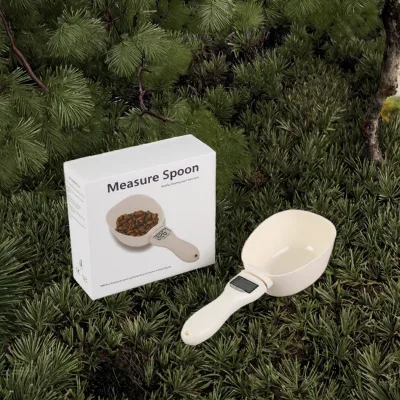
Pet Supplies Measure Spoon Cat Food and Dog Food Electronic Weighing Spoons
$2.22 - $2.62
MOQ: 100 Pieces



Comprehensive Sourcing Guide
Pet Food Measuring Spoon Sourcing Guide
Sourcing pet food measuring spoons requires a careful balance between material safety, functional precision, and commercial viability. These tools are essential for maintaining consistent nutrition for dogs and cats, ensuring that portion control aligns with veterinary recommendations. Buyers must navigate a market where products range from simple plastic scoops to more specialized feeding instruments, each with distinct manufacturing origins and quality implications. The following guide provides a structured approach to evaluating suppliers, verifying technical specifications, and securing reliable supply chains for this essential pet care accessory.
The procurement process begins with understanding the diverse product landscape available from manufacturers, primarily concentrated in regions like Zhejiang, China. Listings indicate a wide variety of models, from small round spoons to larger scoops, with materials ranging from general plastic to food-grade PP. Buyers should focus on verifying the specific application, such as whether the spoon is intended for dry kibble, wet food, or supplements, as this dictates the required durability and size. Additionally, customization options and packaging methods vary significantly, influencing both the final product appearance and the logistics of storage and distribution.
Product Scope and Observed Listing Signals
The current market for pet food measuring spoons exhibits a broad spectrum of product types, including standard spoons, scoops, and specialized feeding tools. Observed listings highlight models such as YE73626, AL-282, and ES-159, each catering to different user needs. Some products are marketed as "stocked" items, indicating immediate availability, while others offer customization services for branding or specific design requirements. The material composition is predominantly plastic, with specific mentions of food-grade PP, which is critical for ensuring that the utensils do not leach harmful chemicals into pet food. Buyers should pay close attention to these material designations to ensure compliance with food safety standards.
Pricing and minimum order quantities (MOQs) vary widely, reflecting the diversity of manufacturing capabilities and product complexities. The observed price range spans from $0.01 to $13.15, suggesting that buyers can find options for both high-volume, low-cost procurement and specialized, higher-quality items. MOQs typically range from 1 to 10,000 units, allowing flexibility for small businesses and large enterprises alike. However, specific listings indicate MOQs of 500 or 1,000 pieces, which may be a constraint for smaller buyers. Understanding these commercial signals helps buyers align their procurement strategy with their inventory needs and budget constraints, ensuring they select suppliers who can meet their volume requirements without excessive cost penalties.
Technical Specifications to Verify
Material safety is the paramount technical consideration when sourcing pet food measuring spoons. Buyers must verify that the plastic used is explicitly labeled as food-grade, such as PP (polypropylene), which is known for its durability and resistance to heat and chemicals. The thickness of the material, observed at 2.5mm in some listings, contributes to the spoon's longevity and resistance to cracking or breaking during regular use. Additionally, surface finishes like matte polish can affect grip and aesthetics, while features such as recyclability align with sustainability goals. Buyers should request material safety data sheets (MSDS) or test reports to confirm that the plastic meets relevant food contact regulations.
Dimensional accuracy and capacity are critical for ensuring that the measuring spoons provide consistent portions. Listings show a variety of sizes, including medium dimensions and specific measurements like 24.58.52.8cm or 28.58.54.5cm for spoons, and larger sizes like 505020cm for scoops. The capacity of some products is specified as 250ml, which is a standard volume for pet food portions. Buyers should verify that the stated dimensions match the actual product, as discrepancies can lead to inaccurate feeding. Furthermore, the weight of the product, such as 0.06kg, can impact shipping costs and handling, so it is important to include these specifications in procurement contracts to avoid unexpected logistics expenses.
Compliance and Safety Documentation
Certification is a key indicator of a supplier's commitment to quality and safety. Some listings mention ISO certification, which suggests that the manufacturer adheres to international standards for quality management systems. Buyers should verify the validity of these certifications and ensure they cover the specific production processes for pet food utensils. Additionally, compliance with food contact material regulations, such as FDA or EU standards, is essential to ensure that the spoons are safe for use with pet food. Buyers should request copies of these certifications and check their expiration dates to avoid sourcing from non-compliant suppliers.
Documentation should also include detailed product specifications and testing results. Buyers should ask for test reports that confirm the absence of harmful substances like BPA, phthalates, or heavy metals in the plastic. These tests should be conducted by independent, accredited laboratories to ensure reliability. Furthermore, buyers should verify that the supplier provides clear labeling and packaging instructions, including information on material composition and care instructions. This documentation not only ensures compliance but also helps in marketing the product to end-users who are increasingly conscious of pet food safety and quality.
Cost Drivers and Commercial Terms
Several factors influence the cost of pet food measuring spoons, including material costs, manufacturing complexity, and order volume. The use of food-grade PP and specific design features, such as matte finishes or custom branding, can increase production costs. Buyers should negotiate pricing based on volume discounts, as larger orders typically result in lower per-unit costs. Additionally, the MOQs set by suppliers can impact pricing, with higher MOQs often leading to better rates. Buyers should assess their inventory needs and cash flow to determine the optimal order size that balances cost efficiency with storage capacity.
Payment terms and delivery times are also critical commercial considerations. Observed listings indicate payment terms such as a 30% deposit and the balance before shipment, which is a common practice in international trade. Buyers should ensure that these terms are clearly stated in the contract and that they align with their financial policies. Delivery times, observed at around 40 days, should be factored into inventory planning to avoid stockouts. Buyers should also consider the impact of shipping costs and lead times on the total landed cost, negotiating favorable terms with logistics providers to minimize expenses.
Supplier Qualification and Quality Control
Supplier qualification is essential to ensure a reliable supply of high-quality pet food measuring spoons. Buyers should conduct thorough due diligence on potential suppliers, including verifying their business licenses, production capabilities, and quality control processes. Suppliers located in Zhejiang, China, are known for their manufacturing expertise, but buyers should still assess their specific track record and reputation. Requesting samples before placing large orders allows buyers to evaluate the product quality, material durability, and dimensional accuracy firsthand.
Quality control measures should be implemented throughout the production process to ensure consistency. Buyers should establish clear quality standards and inspection criteria, including checks for material defects, dimensional accuracy, and packaging integrity. Third-party inspection services can be employed to verify that the products meet these standards before shipment. Additionally, buyers should maintain open communication with suppliers to address any quality issues promptly and implement corrective actions. Building a strong relationship with suppliers based on mutual trust and clear expectations can lead to long-term benefits in terms of product quality and supply chain stability.
Long-Term Procurement Checks
Long-term procurement success depends on continuous monitoring and evaluation of supplier performance. Buyers should regularly review key performance indicators (KPIs) such as on-time delivery, product quality, and responsiveness to issues. Establishing a scorecard system can help track these metrics and identify areas for improvement. Regular audits of supplier facilities and processes can also ensure ongoing compliance with quality and safety standards. Buyers should also stay informed about industry trends and regulatory changes that may impact the sourcing of pet food measuring spoons, adapting their strategies accordingly.
Sustainability and innovation are increasingly important factors in long-term procurement. Buyers should explore opportunities to source eco-friendly materials, such as recyclable plastics, and support suppliers who invest in sustainable manufacturing practices. Additionally, staying abreast of new product designs and technologies can provide competitive advantages in the market. By fostering a collaborative relationship with suppliers and prioritizing quality, safety, and sustainability, buyers can build a resilient supply chain that meets the evolving needs of pet owners and supports the long-term growth of their business.
FAQs
What material is used for the Pet Food Measuring Spoon?
The Pet Food Measuring Spoon is constructed from food-grade plastic, specifically PP material. This ensures safety for pet feeding applications while maintaining durability. The product features a matte polish finish and is available in white color options for clean aesthetics.
Can I customize the Pet Food Measuring Spoon design?
Customization is available for this product line, allowing buyers to request specific modifications. However, some listings indicate non-customized stock options are also available. Buyers should verify specific customization requirements with the supplier before placing an order to ensure compatibility.
What is the minimum order quantity for these spoons?
The minimum order quantity varies by supplier, ranging from 500 to 1000 pieces. Some listings specify an MOQ of 500 units, while others require 1000 pieces. Buyers must check the specific supplier terms to confirm the exact threshold for their purchase.
How long does delivery take for these pet products?
The standard delivery time for these items is approximately 40 days. This lead time applies to the manufacturing and shipping process from the origin in Zhejiang, China. Buyers should plan their inventory accordingly to account for this duration.
Which certifications do the pet food measuring spoons hold?
The products are certified with ISO standards to ensure quality and safety compliance. This certification applies to the manufacturing process and the final product specifications. Buyers can rely on this standard for meeting general safety requirements in the pet product industry.
What is the capacity of the measuring spoon?
The capacity of the measuring spoon is 250 milliliters, suitable for standard pet feeding portions. This size is designed to provide accurate measurements for dry or wet pet food. It is ideal for medium-sized pets requiring controlled feeding schedules.
Are these spoons recyclable and eco-friendly?
Yes, the pet food measuring spoons are recyclable, supporting eco-friendly disposal practices. The plastic material used allows for recycling after the product's lifecycle. This feature aligns with growing environmental standards in the pet product manufacturing sector.