Source PET Film Membrane Switch Overlay for Remote, Telecom, and Medical
Find 30 PET Film Membrane Switch Overlay options from Guangdong suppliers. Compare customized sizes, waterproof features, and ISO certifications for remote controllers, telecom equipment, and medical devices. These OEM products support surface mount and various keypad materials like PVC and PET for diverse industrial applications.
Updated
Key considerations
Products List
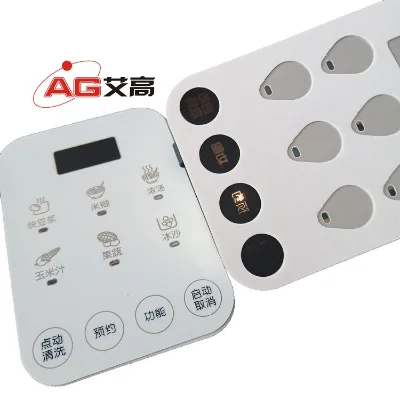
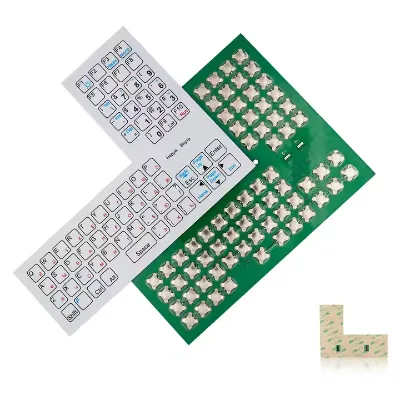
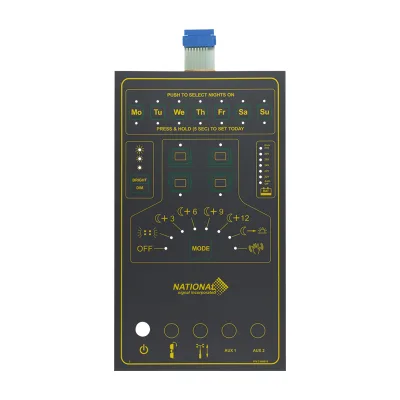
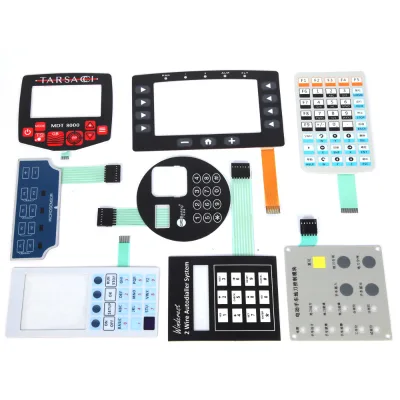
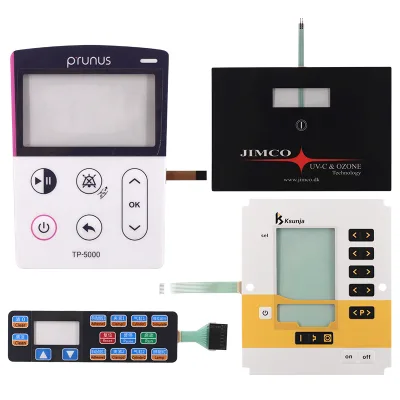
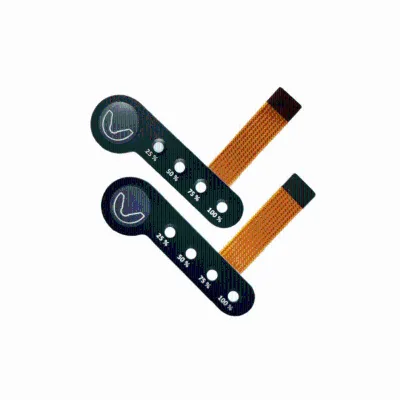
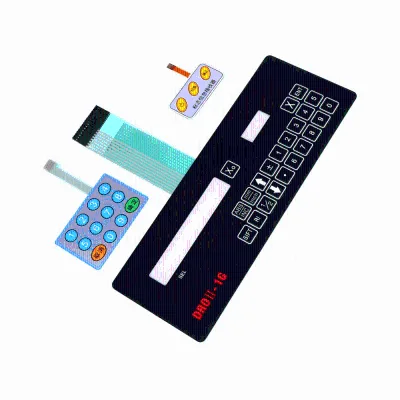
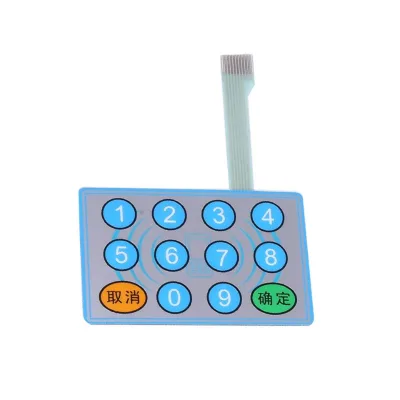

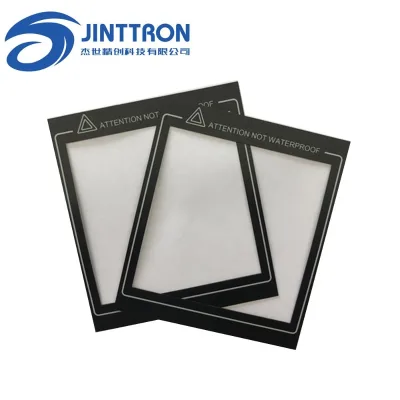
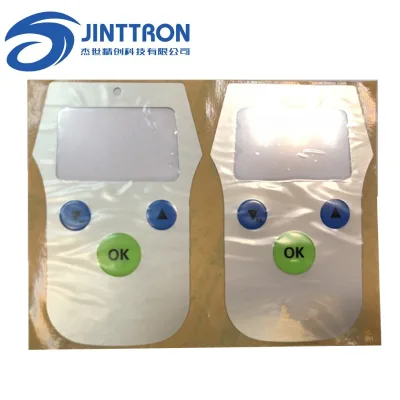
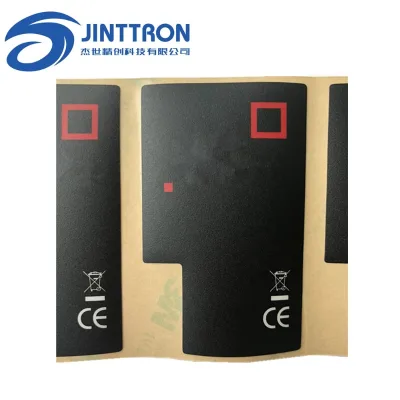
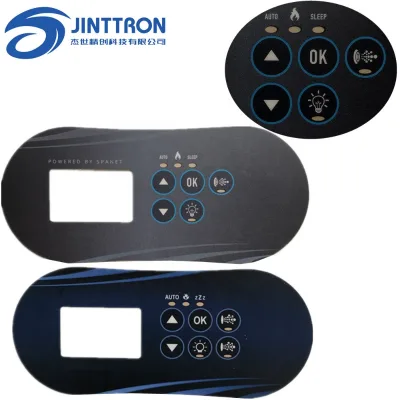
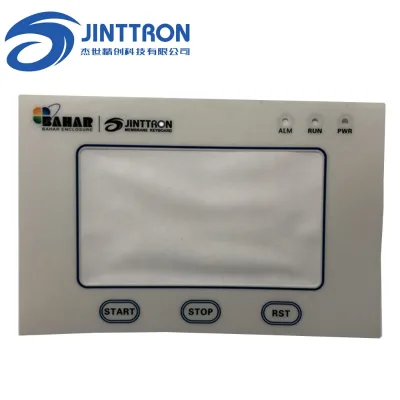
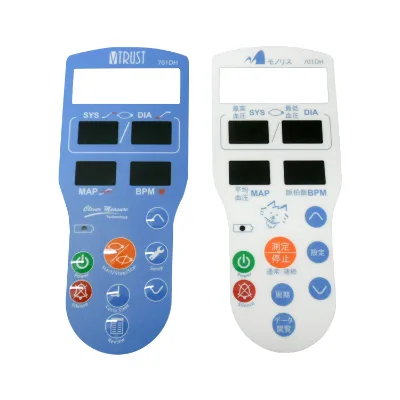


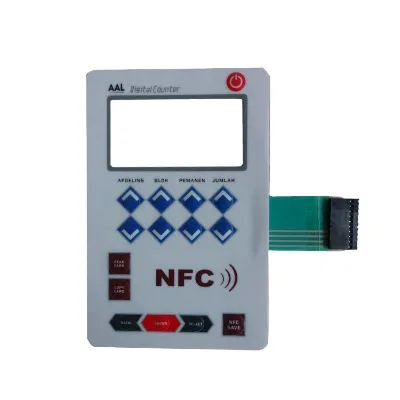
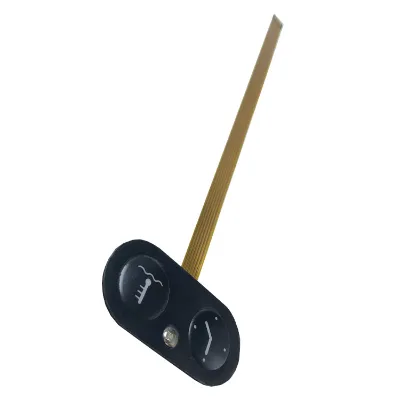
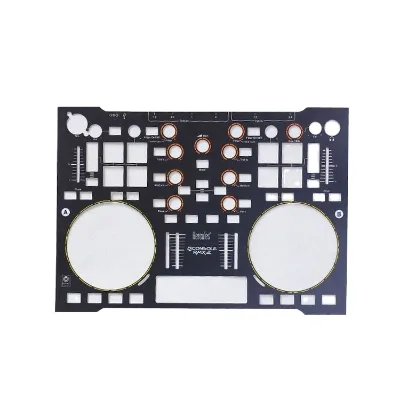
professional factory electronic silk printing plastic membrane overlay panel label
$2.00 - $3.00
MOQ: 100 pieces


Comprehensive Sourcing Guide
PET Film Membrane Switch Overlay Sourcing Guide
Procuring pet film membrane switch overlays requires a disciplined approach to material selection and supplier verification, particularly when sourcing from manufacturing hubs like Guangdong, China. Buyers must recognize that "OEM" branding is frequently observed in listings, indicating that the supplier acts as a contract manufacturer rather than a branded end-product owner. This distinction is critical for intellectual property protection and quality accountability. The core material composition often involves a blend of PET, PC, and PVC, which dictates the tactile feel, durability, and visual clarity of the final overlay. Understanding these material distinctions allows procurement teams to align product specifications with the intended environmental conditions, ensuring that the selected film can withstand the required operational lifespan without degradation or loss of functionality.
The customization capabilities of modern suppliers are extensive, allowing for tailored solutions that fit specific mechanical and aesthetic requirements. Listings frequently highlight customized mounting types, shapes, and sizes, which means buyers cannot rely on off-the-shelf standard parts for complex industrial or medical applications. Instead, the procurement process must begin with precise technical drawings and material specifications. The observed presence of surface mount options and various rear adhesive types, such as 3M 467 or 9080A, suggests that integration into existing housings is a primary service offering. Buyers should prioritize suppliers who demonstrate flexibility in these areas, as rigid standardization often leads to costly redesigns or assembly issues during the final product integration phase.
Product Scope and Observed Listing Signals
The market for pet film membrane switches is characterized by a wide range of general-purpose applications, including remote controllers, telecommunications equipment, and home appliances. Observations indicate that these overlays are often marketed under generic names like "graphic overlay" or "membrane keyboard," reflecting their versatile nature across multiple industries. The color options range from standard black to custom PMS matches, allowing for brand-consistent design integration. Additionally, the printing methods observed, such as screen printing and silk screen printing, provide insights into the visual quality and longevity of the legends. Buyers should verify that the chosen printing method aligns with the required resistance to abrasion and chemical exposure, as these factors significantly impact the user experience and product lifespan in high-touch environments.
Material variations are a key signal of product capability, with listings showing options that include PET, PC, PVC, metal, and silicone rubber. These materials are often combined to create multi-layer structures that enhance durability and tactile response. For instance, the use of PET/PC combinations offers a balance of flexibility and rigidity, while the inclusion of metal or silicone elements can provide enhanced structural integrity or specific tactile feedback. The observed keypad button materials vary, indicating that suppliers can tailor the touch experience to meet specific ergonomic or functional requirements. Buyers must carefully review these material specifications to ensure compatibility with their product’s environmental conditions, such as exposure to moisture, dust, or extreme temperatures, which are common in industrial and medical settings.
Technical Specifications to Verify
Technical verification begins with confirming the model numbers and specific configurations offered by the supplier, such as ZDX008 or ZDX-M313, which often correspond to distinct material stacks or circuit layouts. Buyers should request detailed datasheets that specify the single package size and gross weight, as these metrics are crucial for logistics planning and inventory management. The observed package dimensions, such as 20x18x25 cm or 20x20x30 cm, suggest that suppliers may use standardized packaging for efficiency, but custom packaging requirements should be negotiated early in the sourcing process. Additionally, the touch type specification, often cited as exceeding one million cycles, is a critical performance indicator that must be validated through supplier-provided test data or third-party certifications to ensure long-term reliability.
The integration of flexible printed circuits (FPC) is another technical aspect that requires careful attention, as it affects the electrical connectivity and mechanical flexibility of the switch. Buyers should verify the compatibility of the FPC with their board design, including pin counts and connector types. The observed specifications mention OEM membrane switches with FPC, indicating that the supplier can provide complete assembly solutions rather than just the overlay film. This level of integration can simplify the procurement process but requires rigorous quality control to ensure that the electrical connections are secure and resistant to vibration or thermal cycling. Buyers should also confirm the rear adhesive specifications, as the choice of adhesive impacts the bond strength and resistance to environmental factors.
Compliance and Safety Documentation
Compliance with international standards is essential for membrane switches used in regulated industries such as medical and telecommunications. The observed certifications, including ISO9000, ISO9001, ISO14001, and ISO13485, indicate that suppliers may adhere to quality management, environmental management, and medical device quality systems. Buyers should request valid certification documents and verify their scope to ensure that the specific products being procured are covered. The presence of CE certification suggests compliance with European safety and environmental standards, which is crucial for products destined for the European market. However, buyers must confirm that the certification is current and issued by an accredited body, as self-declaration or outdated certificates may not provide adequate legal protection or market access.
Safety documentation should also include material safety data sheets (MSDS) and compliance with RoHS or REACH regulations, particularly if the product contains hazardous substances. The observed material compositions, which include PVC and other polymers, may require specific declarations to ensure compliance with environmental regulations. Buyers should verify that the supplier can provide these documents promptly and that the materials used are consistent with the declared specifications. Additionally, the feature of water-proof and dust-proof capabilities should be supported by test reports, such as IP rating certifications, to validate the product’s suitability for harsh environments. This documentation is critical for risk management and ensuring that the product meets the end-user’s safety and performance expectations.
Cost Drivers and Commercial Terms
Cost drivers for pet film membrane switches include material selection, customization complexity, and order volume. The observed price range of 0.01 to 7.5 USD suggests significant variation based on these factors, with simple overlays costing less than complex, multi-layered switches with specialized adhesives or circuits. Buyers should analyze the cost structure to understand the impact of material choices, such as the use of metal or silicone, on the final price. Additionally, the minimum order quantity (MOQ) ranges from 1 to 1000 units, indicating that suppliers may accommodate both prototyping and large-scale production runs. Understanding these MOQs is crucial for budgeting and inventory planning, as lower MOQs may come with higher per-unit costs due to setup and tooling expenses.
Commercial terms should be clearly defined to avoid hidden costs and delays. Buyers should negotiate lead times, payment terms, and shipping responsibilities, as these factors can significantly impact the total cost of ownership. The observed single gross weights, ranging from 0.005 kg to 1.200 kg, highlight the variability in product density and packaging, which affects shipping costs. Buyers should also consider the cost of tooling and setup for customized shapes and sizes, as these may be one-time charges that are amortized over the order volume. Clear communication of these terms early in the sourcing process helps in accurate cost forecasting and prevents unexpected expenses during production and delivery.
Supplier Qualification and Quality Control
Supplier qualification involves assessing the manufacturer’s production capabilities, quality management systems, and track record. Buyers should verify the supplier’s location, such as Guangdong, China, and evaluate their experience in producing membrane switches for similar industries. The observed brand names, such as ZDX, may indicate established manufacturers with specific expertise, but buyers should conduct due diligence to confirm their reputation and reliability. Quality control processes should be reviewed, including in-process inspections and final testing procedures, to ensure that the products meet the specified standards. Buyers should request samples for evaluation and verify that the supplier can provide consistent quality across production batches.
Quality control should also include verification of the supplier’s ability to handle customizations, such as specific mounting types, colors, and printing methods. Buyers should assess the supplier’s flexibility in accommodating design changes and their responsiveness to quality issues. The observed features, such as water-proof and dust-proof capabilities, should be validated through supplier-provided test results or third-party certifications. Additionally, buyers should establish clear communication channels for ongoing quality monitoring and issue resolution. A robust quality control framework helps in minimizing defects, reducing waste, and ensuring that the final product meets the end-user’s expectations for performance and durability.
Long-Term Procurement Checks
Long-term procurement success depends on establishing a sustainable supply chain that can adapt to changing market demands and technological advancements. Buyers should regularly review supplier performance metrics, including on-time delivery, quality consistency, and responsiveness to issues. The observed customization capabilities suggest that suppliers may offer continuous improvement opportunities, such as new materials or printing techniques. Buyers should engage in periodic reviews to assess whether the supplier can support future product iterations and scale production as needed. Additionally, maintaining a diversified supplier base can mitigate risks associated with single-source dependencies and ensure business continuity.
Continuous improvement should also involve monitoring industry trends and regulatory changes that may impact product requirements. Buyers should stay informed about new standards, such as updates to ISO certifications or environmental regulations, and ensure that their suppliers remain compliant. The observed application ranges, from home appliances to medical equipment, indicate that the market is dynamic and requires adaptable sourcing strategies. By fostering strong relationships with qualified suppliers and maintaining rigorous quality control, buyers can secure a reliable supply of pet film membrane switches that meet their long-term business objectives and customer expectations.
FAQs
What materials are used for pet film membrane switch overlays?
The overlays utilize PET, PC, PVC, metal, and silicone rubber materials. These layers provide durability and tactile feedback. The keypad button material varies by model, including PET or PVC options. This combination ensures resistance to wear and environmental factors for industrial applications.
Can these membrane switches be customized for specific shapes?
Yes, customization is available for both size and shape. The product specifications list customized mounting types and shapes to fit unique housing requirements. Buyers can request specific dimensions and layouts to integrate seamlessly into their device designs, ensuring a precise fit for the application.
What certifications do these membrane switch overlays hold?
The products hold ISO9000, ISO9001, ISO14001, and ISO13485 certifications. Some listings also mention CE certification. These standards ensure quality management and environmental compliance. The certifications support use in medical, industrial, and general purpose applications where regulatory adherence is critical for procurement.
What is the typical lifespan of the membrane switch?
The touch type specification indicates a lifespan of over one million actuations. This durability makes them suitable for high-frequency use in remote controllers and calculators. The robust construction ensures reliable performance over time, reducing the need for frequent replacements in demanding operational environments.
Are these overlays water-proof and dust-proof?
Yes, the features explicitly list water-proof and dust-proof capabilities. The design protects internal components from moisture and particulate ingress. This makes the overlays ideal for outdoor or harsh industrial environments where standard electronics might fail due to environmental exposure, ensuring consistent operation.
Where are these membrane switches manufactured?
The place of origin is Guangdong, China. This region is a major hub for electronics manufacturing. Buyers sourcing from this location benefit from established supply chains and competitive pricing. The manufacturing base supports large-scale production for global distribution and diverse application needs.