Source Pharmaceutical Hotplates and Stirrers for Lab Hospital School
Find 30 Pharmaceutical Hotplates and Stirrers with digital displays and stainless steel plates. Buyers can compare models like SH-4C and 85-2A for lab, hospital, and school applications with ISO and CE certifications.
Key considerations
Products List


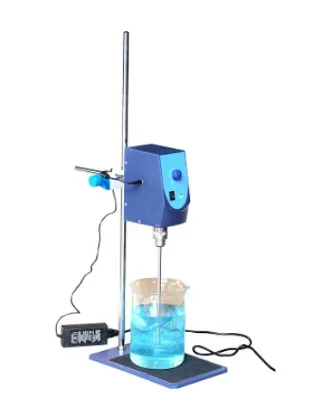
Laboratory Equipment Factory Price 1400rpm 1000ml Magnetic Stirrer Hotplate
$20.00 - $28.00
MOQ: 10 Pieces


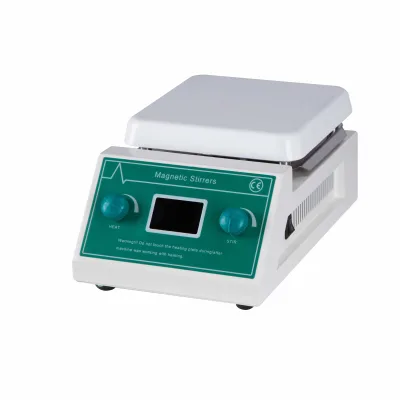
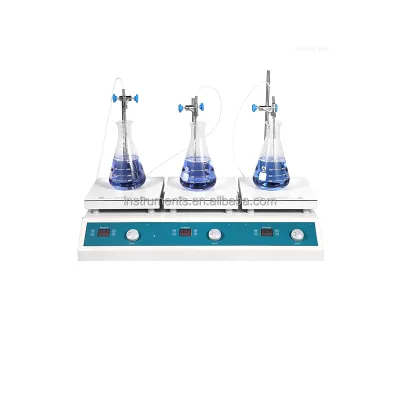
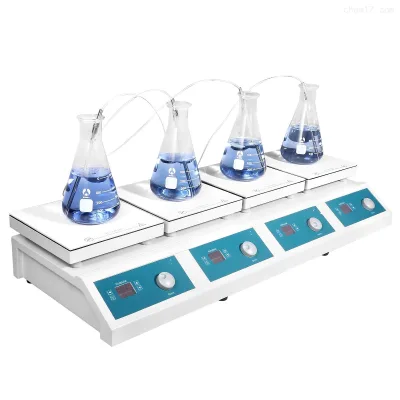

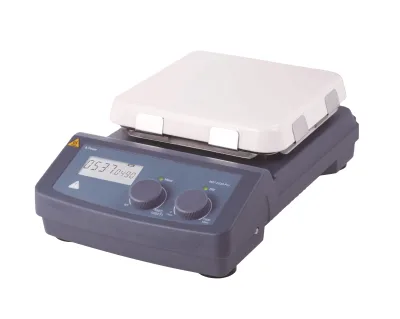


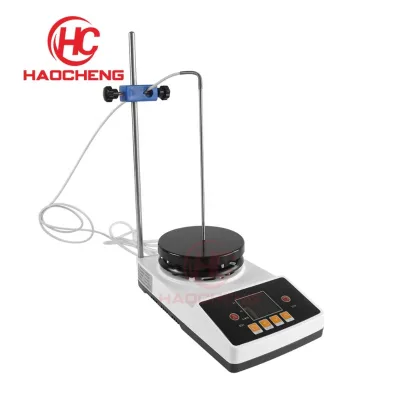
Factory Supply Chemical Lab Magnetic Stirrer Hot Plate Magnetic Stirrer with CE
$195.00 - $260.00
MOQ: 1 Pieces



Comprehensive Sourcing Guide
Strategic Sourcing Guide for Pharmaceutical Hotplates and Stirrers
The pharmaceutical industry relies heavily on precision laboratory equipment to ensure the integrity of research, development, and quality control processes. Hotplates and magnetic stirrers are fundamental tools in this ecosystem, serving as the backbone for sample preparation, dissolution testing, and mixing operations. When sourcing these devices, buyers must navigate a complex landscape of technical specifications, regulatory compliance, and supplier reliability. This guide provides a structured approach to evaluating Pharmaceutical Hotplates and Stirrers, ensuring that procurement decisions are grounded in verified facts and industry best practices rather than unverified marketing claims.
Technical Specifications and Performance Parameters
The primary consideration when selecting a hotplate or stirrer is the alignment of technical specifications with the specific requirements of the pharmaceutical workflow. The observed product data indicates a diverse range of models, such as the SH-4C, SH-4, SH-2B, and 85-2 series, each designed for distinct operational needs. A critical specification to verify is the plate size, which directly impacts the volume of reagents that can be processed simultaneously. Available configurations include plates measuring 1919cm and 1212cm, catering to both high-throughput and benchtop applications.
Material composition is another decisive factor. The market offers units constructed from Stainless Steel, Aluminum, and Steel, with some models featuring specific Stainless Steel plates equipped with thermostate devices. Stainless Steel is generally preferred in pharmaceutical settings due to its resistance to corrosion and ease of cleaning, which is essential for maintaining sterility. Furthermore, the stirring capacity varies significantly across models, with observed ranges extending from 0-2000ml to capacities up to 5000ml. Buyers must match the vessel volume to the device's maximum stirring capacity to prevent motor strain or inefficient mixing.
Speed control and timing mechanisms are equally vital. The observed data highlights a speed range of 0-1250rpm and a time range of 0-999 minutes, features that allow for precise control over reaction kinetics. Digital display styles are prevalent, offering enhanced readability and control compared to analog interfaces. When evaluating a specific unit, procurement teams should confirm whether the device includes a magnetic hotplate function, as this dual capability streamlines laboratory workflows by combining heating and mixing in a single footprint.
Compliance and Certification Verification
In the pharmaceutical sector, regulatory compliance is not optional; it is a prerequisite for operational validity. The sourcing landscape includes products carrying certifications such as ISO, CE, and SGS. Specific standards referenced in the product data include ISO13485, ISO14001, and ISO9001, which are critical for medical device manufacturing and quality management systems. ISO13485, in particular, is the international standard for medical device quality management, making it a high-priority verification point for equipment intended for clinical or pharmaceutical use.
Buyers must distinguish between general certifications and those specific to medical applications. While some listings mention "CE" and "ISO" broadly, others explicitly cite the triad of ISO13485/14001/9001. It is imperative to request valid certification documents directly from the supplier rather than relying on product descriptions. The origin of the product, often listed as China with specific hubs in Cangzhou, Hebei, or Changzhou, should be cross-referenced with the supplier's ability to provide traceable documentation for these standards.
Additionally, the "Standard Export Carton" and specific packaging dimensions (e.g., 46L30W22h cm) are logistical details that can indicate the care taken in shipping, but they do not substitute for quality certifications. Buyers should verify that the supplier's quality management system is current and that the specific model being purchased was manufactured under the claimed certification scope.
Cost Drivers and Pricing Dynamics
The pricing for Pharmaceutical Hotplates and Stirrers exhibits a wide variance, with observed ranges spanning from 20 to 5000 USD. This broad spectrum reflects differences in material quality, technological sophistication, and brand positioning. The lower end of the price range typically corresponds to basic models with standard materials like aluminum or steel, while the higher end often includes advanced digital displays, precise thermostatic controls, and robust stainless steel construction.
Several factors influence the final cost. The inclusion of customization options, which are noted as available in the market, can significantly alter the price point. Customization may involve specific plate sizes, unique control interfaces, or tailored capacity requirements. Furthermore, the warranty period, commonly observed as one year, is a value component that buyers should consider. A longer warranty or extended service coverage might justify a higher initial investment by reducing long-term operational risks.
Minimum Order Quantities (MOQ) also play a role in cost efficiency. The observed MOQ range is 1 to 10 units, suggesting flexibility for small laboratories as well as bulk procurement for larger facilities. Buyers should evaluate whether purchasing in bulk offers a tangible discount or if the flexibility of single-unit orders better suits their inventory management strategy. It is crucial to avoid assuming that a lower price equates to lower quality; instead, the cost should be analyzed against the specific technical and compliance requirements of the intended application.
Typical Applications and Operational Context
The versatility of hotplates and stirrers allows them to serve a wide array of applications within the pharmaceutical and broader scientific sectors. The product data explicitly lists applications in Labs, Hospitals, Schools, and Industry. In a pharmaceutical context, these devices are indispensable for tasks such as dissolving active pharmaceutical ingredients (APIs), preparing culture media, and conducting viscosity tests.
The "Desktop" structure of most units makes them ideal for benchtop environments where space is at a premium. However, the capacity to handle up to 5000ml suggests that larger models can support pilot-scale operations or industrial mixing needs. The distinction between "Non-Customized" and "Customized" models is also relevant here; standard models may suffice for routine laboratory tasks, while specialized industrial applications might require bespoke configurations.
When selecting a device for a specific application, the buyer must consider the environment. For instance, a hospital setting may prioritize ease of cleaning and durability, favoring stainless steel plates. Conversely, a school or research lab might prioritize cost-effectiveness and ease of use. The "Magnetic" attribute, often associated with hotplate functions, indicates a non-contact mixing method that is particularly useful for preventing contamination in sterile environments.
Supplier Evaluation and Origin Analysis
Evaluating suppliers requires a focus on transparency and provenance. The product data indicates that the majority of these devices originate from China, with specific manufacturing hubs identified in Cangzhou, Hebei, and Changzhou. While these locations are known for industrial manufacturing, buyers should not assume uniform quality across all suppliers in these regions. Instead, the evaluation should focus on the supplier's ability to provide verifiable evidence of their manufacturing capabilities and quality control processes.
Key evaluation criteria include the supplier's history of compliance with international standards, their responsiveness to customization requests, and their after-sales support structure. The availability of a one-year warranty is a standard indicator of supplier confidence, but the terms of this warranty—such as coverage for parts, labor, and shipping—should be clearly defined. Additionally, the packaging standards, ranging from "Standard Export Carton" to "Standard Export Extra Heavy Extra Strong Carton," can serve as a proxy for the supplier's attention to detail and commitment to protecting the product during transit.
Buyers should also scrutinize the product model numbers. The presence of multiple model numbers (e.g., SH-4, SH-4C, SH-4A, SH-4B, 85-2, 78-1, 79-1, BT-MS400) suggests a diverse product line. A supplier offering a wide range of models is likely more capable of meeting specific needs than one with a limited catalog. However, the buyer must ensure that the specific model selected is not a discontinued or obsolete version.
Quality Control and Long-Term Procurement
Quality control is the linchpin of successful procurement in the pharmaceutical industry. Buyers must implement rigorous verification steps before finalizing a purchase. This includes requesting test reports, calibration certificates, and detailed specifications for the specific batch of equipment. The observed data mentions standards like "1 pc in 1 box" and specific dimensions, which are useful for logistics but do not constitute quality assurance.
Long-term procurement considerations extend beyond the initial purchase price. Buyers should assess the availability of spare parts, the ease of maintenance, and the potential for future upgrades. The "Stainless Steel Plate" and "Thermostate Device" attributes suggest components that may require periodic replacement or calibration. A supplier with a robust support network and a clear parts catalog is essential for minimizing downtime.
Furthermore, the "Standard Export Extra Heavy Extra Strong Carton" packaging indicates a commitment to product protection, which is a positive sign for long-term reliability. However, buyers should also consider the environmental impact of the packaging and the disposal of the equipment at the end of its lifecycle. Sustainable sourcing practices are becoming increasingly important in the pharmaceutical sector, and suppliers who align with these values may offer additional strategic advantages.
Conclusion
Sourcing Pharmaceutical Hotplates and Stirrers requires a meticulous approach that balances technical requirements, regulatory compliance, and cost considerations. The market offers a wide array of options, from basic models to advanced, customizable units, with varying origins and certification levels. By focusing on verified specifications, demanding robust documentation for standards like ISO13485 and CE, and evaluating suppliers based on their transparency and support capabilities, buyers can secure equipment that meets the rigorous demands of the pharmaceutical industry. The observed data provides a solid foundation for these decisions, but the ultimate success of the procurement process depends on the buyer's diligence in verifying every claim and ensuring that the selected equipment aligns perfectly with their operational goals.
FAQs
What certifications do Pharmaceutical Hotplates and Stirrers typically have?
These devices commonly hold ISO, CE, and SGS certifications. Some models specifically meet ISO13485, ISO14001, and ISO9001 standards for medical device quality management systems.
Which plate sizes are available for these laboratory devices?
Available plate sizes include 19*19cm and 12*12cm configurations. These dimensions cater to both high-throughput benchtop applications and smaller sample preparation needs.
Can I customize the specifications of these magnetic stirrers?
Yes, customization is available for specific requirements. Buyers can request tailored configurations while standard non-customized options are also widely offered in the market.
What materials are used to construct these hotplates?
Construction materials include Stainless Steel, Aluminum, and Steel. Stainless Steel plates often feature thermostate devices for enhanced durability and corrosion resistance in lab environments.
How much capacity can these units handle for stirring?
Stirring capacities range from 0-2000ml up to 5000ml depending on the model. Buyers must match vessel volume to the device's maximum capacity to ensure efficient mixing.
What is the typical warranty period for this equipment?
The standard warranty period is one year. This coverage provides assurance against defects and supports long-term operational reliability for laboratory and industrial applications.