Source Pharmaceutical Grade Tinplate Bottle Cap for Glass, Medical, and Food
Find 30 options for Pharmaceutical Grade Tinplate Bottle Cap designed for glass bottles, medical applications, and canned food. Compare specifications, customization, and pricing to select the right supplier for your needs.
Key considerations
Products List


Custom Color Continuous Thread Metal Tinplate Vial Glass Lotion Bottle Cap
$0.05 - $0.07
MOQ: 50000 Pieces


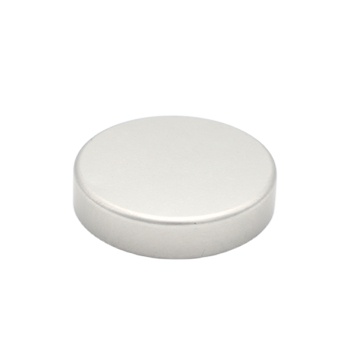


Customized Pharmaceutical Medicine Injection Bottle/Vial Flip off Cap for Sale
$0.01 - $0.10
MOQ: 10000 Pieces
Comprehensive Sourcing Guide
Strategic Sourcing Guide for Pharmaceutical Grade Tinplate Bottle Caps
Understanding Material Composition and Technical Specifications
When sourcing pharmaceutical grade tinplate bottle caps, the primary focus must be on the fundamental material composition and the precise technical specifications that ensure compatibility with pharmaceutical packaging systems. The core material identified in available market data is tinplate, a steel sheet coated with a thin layer of tin. This material is selected for its superior strength, formability, and resistance to corrosion, which are critical for protecting sensitive pharmaceutical contents. In addition to pure tinplate, some product listings indicate the use of aluminum and plastic combinations, suggesting a hybrid approach where the structural integrity of metal is paired with the sealing properties of plastic liners or components.
The technical specifications for these caps vary significantly based on the intended application and the bottle neck finish. Standardized thread sizes are a crucial element of compatibility. Market observations reveal specific standard dimensions such as 28/400, 33/400, and 22mm, alongside a broader range of diameters including 30mm, 38mm, 42mm, 53mm, 63mm, 66mm, 70mm, 82mm, and 110mm. These dimensions correspond to various bottle mouth finishes, ranging from standard narrow necks to wide-mouth jars. The manufacturing process often involves full-automatic machines, ensuring high precision in the stamping and injection techniques used to create the final product. The caps are typically described as "Twist off Metal Lid" or "Screw Cap" types, designed for easy application and removal by end-users while maintaining a secure seal.
The physical properties of the caps also include specific craft attributes. The manufacturing process utilizes stamping and injection techniques, resulting in a product that is generally hard in flexibility, ensuring it does not deform under normal handling or transport conditions. The surface finish is highly customizable, with options available in silver, gold, black, white, red, or custom colors to match brand identity. This customization extends to the logo, where customized logo printing is a standard service offered by suppliers, allowing for unique branding on the cap surface.
Compliance, Certification, and Regulatory Verification
For pharmaceutical applications, compliance with international standards and regulatory requirements is non-negotiable. While specific certification statuses cannot be universally asserted for every listed product without direct verification, buyers must rigorously investigate the supplier's ability to meet pharmaceutical-grade requirements. The industry often references standards such as ISO 15378 for pharmaceutical packaging, though the availability of this specific certification for a given supplier must be confirmed on a case-by-case basis.
Buyers should not assume that a tinplate cap is automatically pharmaceutical grade based on its material alone. The critical verification points include the food-grade or pharmaceutical-grade status of the tin coating and any internal liners or coatings used to prevent interaction between the metal and the pharmaceutical product. The supplier must provide documentation proving that the materials used are free from heavy metals and other contaminants that could leach into the product.
Furthermore, the production environment must adhere to Good Manufacturing Practices (GMP). Since the caps are used in the pharmaceutical sector, the manufacturing facility should ideally be certified under relevant quality management systems. Buyers should request evidence of compliance with local and international regulations, such as those from the FDA or EMA, depending on the target market. The "Recycled" attribute mentioned in some product data suggests a potential for sustainable sourcing, but for pharmaceutical use, the origin and purity of the recycled material must be strictly controlled to prevent contamination.
Cost Drivers and Economic Factors in Procurement
The cost of pharmaceutical grade tinplate bottle caps is influenced by several dynamic factors, primarily driven by material costs, customization requirements, and order volume. The base material, tinplate, is subject to fluctuations in the global steel and tin markets. Additionally, the inclusion of aluminum or plastic components can alter the cost structure depending on the specific design requirements.
Order volume is a significant determinant of pricing. Market data indicates a wide range of Minimum Order Quantities (MOQs), typically spanning from 10,000 pieces to 50,000 pieces, with some suppliers setting thresholds as high as 100,000 pieces. A notable distinction exists for custom logo printing: for sizes smaller than 53mm, the MOQ for custom logos is often set at 50,000 pieces, whereas for sizes larger than 53mm, the requirement may be lower at 30,000 pieces. This tiered structure highlights the economies of scale inherent in the manufacturing process, where larger orders reduce the per-unit cost significantly.
Payment terms also play a role in the financial planning of the procurement process. Standard payment methods observed include T/T (Telegraphic Transfer), L/C (Letter of Credit), Western Union, and PayPal. The choice of payment term can impact cash flow and risk management, with L/C often preferred for large international transactions to mitigate payment risks. The trade terms, such as EXW (Ex Works), FOB (Free on Board), and CIF (Cost, Insurance, and Freight), further influence the final landed cost, as they dictate who bears the responsibility and cost of shipping and insurance.
Typical Applications and Functional Versatility
Tinplate bottle caps are versatile components used across various sectors, with a specific focus on pharmaceutical and medical applications. The primary application for these caps is for glass bottles, including those used for liquor, cosmetics, and medical preparations. The "Wide Mouth Glass Bottle" application is particularly common, where the robust nature of tinplate provides a secure closure for larger containers. Additionally, these caps are suitable for jar bottles and canned food glass bottles, demonstrating their adaptability to different container shapes and sizes.
The functional versatility extends to the specific requirements of the pharmaceutical industry. The caps are designed to provide a hermetic seal, protecting the contents from moisture, oxygen, and light, which are critical factors in maintaining the stability and efficacy of pharmaceutical products. The "Twist off" mechanism ensures ease of use for patients and healthcare professionals, while the "Screw Cap" design guarantees a tight fit that prevents leakage during transport.
The customization options allow these caps to serve diverse branding needs. Whether the requirement is for a specific color like silver or gold to denote premium quality, or a custom logo to enhance brand recognition, the manufacturing process supports these variations. The ability to produce caps in various sizes, from 22mm to 110mm, ensures that they can be matched to a wide array of bottle neck finishes, making them a flexible solution for different product lines.
Supplier Evaluation and Selection Criteria
Selecting the right supplier for pharmaceutical grade tinplate bottle caps requires a thorough evaluation of their capabilities, reliability, and compliance record. Buyers should prioritize suppliers who demonstrate a clear understanding of pharmaceutical requirements and can provide comprehensive documentation regarding their materials and processes. The origin of the product is a key factor, with China and specific regions like Jiujiang being noted as production hubs. While these locations offer competitive pricing and manufacturing capacity, buyers must verify the quality control measures in place at these facilities.
The supplier's production capacity and lead time are critical considerations. Typical production times range from 2 to 3 weeks, which is a standard timeframe for custom manufacturing. However, this can vary based on the complexity of the order, the volume, and the specific customization requirements. Buyers should confirm the lead time with the supplier to ensure it aligns with their production schedule and inventory management strategies.
Packing and logistics are also important aspects of supplier evaluation. Standard packing methods include carton boxes, PE bags combined with corrugated cartons, and pallet stacking. The choice of packing should be sufficient to protect the caps during transit, especially for international shipments. The supplier's ability to handle large volumes, as indicated by high MOQs, suggests they are equipped for bulk orders, but buyers should verify their ability to handle smaller, more frequent orders if their business model requires it.
Quality Control and Long-Term Procurement Strategies
Implementing a robust quality control (QC) strategy is essential for ensuring the consistency and safety of pharmaceutical grade tinplate bottle caps. Buyers should establish clear QC protocols that include incoming material inspection, in-process checks, and final product testing. The inspection should focus on dimensions, thread compatibility, coating integrity, and the absence of defects such as burrs or scratches that could compromise the seal.
Long-term procurement strategies should focus on building strong relationships with reliable suppliers. This involves regular communication, periodic audits, and continuous performance evaluation. Buyers should consider the supplier's ability to scale production in response to demand fluctuations and their responsiveness to quality issues. The availability of customization options, such as logo printing and color variations, should be leveraged to maintain brand consistency and adapt to market changes.
Additionally, buyers should monitor market trends and technological advancements in packaging materials. The shift towards sustainable packaging, indicated by the "Recycled" attribute, suggests a growing demand for eco-friendly solutions. Integrating sustainable practices into the procurement strategy can enhance brand reputation and comply with evolving environmental regulations. By maintaining a proactive approach to quality control and supplier management, buyers can ensure a steady supply of high-quality tinplate bottle caps that meet the stringent requirements of the pharmaceutical industry.
Comparative Analysis of Product Attributes
To facilitate informed decision-making, the following table summarizes key attributes observed in the market for tinplate bottle caps, highlighting the variations in specifications and requirements.
| Attribute Category | Specific Observations | Implications for Procurement |
|---|---|---|
| Material | Tinplate, Aluminum, Plastic | Verify material purity and coating standards for pharma use. |
| Standard Sizes | 22mm, 28/400, 33/400, 38mm, 45mm, 53mm, 63mm, 66mm, 70mm, 82mm, 110mm | Match cap size precisely to bottle neck finish for compatibility. |
| MOQ | 10,000 to 100,000 pcs; Custom Logo: 30K-50K pcs | Plan inventory and budget based on volume tiers. |
| Customization | Logo printing, Color (Black, White, Gold, Silver, Red), Size | Assess design requirements and associated cost impacts. |
| Production Time | 2-3 Weeks | Align production schedules with delivery deadlines. |
| Packing | Carton, Pallet, PE Bag + Corrugated Carton | Ensure packaging meets shipping and storage requirements. |
| Origin | China, Jiujiang | Consider logistics, tariffs, and supply chain resilience. |
This comparative analysis underscores the importance of aligning specific product attributes with the unique needs of the pharmaceutical sector. By carefully evaluating these factors, buyers can make strategic decisions that optimize cost, quality, and supply chain efficiency.
FAQs
What materials are used for pharmaceutical grade tinplate bottle caps?
The primary material is tinplate, a steel sheet coated with tin. Some listings also indicate a combination of aluminum and plastic to enhance sealing properties while maintaining structural integrity for pharmaceutical applications.
Which standard sizes are available for these metal bottle caps?
Available standard sizes include 22mm, 28/400, 33/400, and a wide range of diameters from 30mm up to 110mm. These dimensions correspond to various bottle neck finishes for jars and glass bottles.
Can suppliers provide customized logo printing on these caps?
Yes, customized logo printing is available as a standard service. However, Minimum Order Quantities vary by size, with 50,000 pieces required for sizes under 53mm and 30,000 pieces for sizes over 53mm.
How long does production take for custom metal bottle caps?
Typical production time ranges from 2 to 3 weeks for custom orders. This duration allows for the full-automatic stamping and injection processes required to meet specific customization and quality standards.
What is the minimum order quantity for these bottle caps?
Minimum Order Quantities typically range from 10,000 to 50,000 pieces depending on the supplier and specific product model. Some listings indicate an MOQ of 50,000 pieces for standard orders.
Which payment terms are accepted for purchasing these caps?
Accepted payment methods include T/T, L/C, Western Union, and PayPal. Buyers should confirm specific trade terms like EXW, FOB, or CIF with the supplier to determine shipping responsibilities.