Source Photodegradable Virgin PP Resin for Packaging, Films, and Containers
Find 30 listings for Photodegradable Virgin PP Resin suitable for packaging, films, and containers. Buyers can compare specifications, prices, and MOQs from verified suppliers offering custom options and various forming methods.
Key considerations
Products List


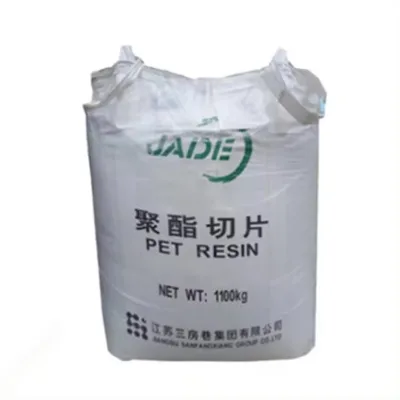
Virgin Polypropylene Resin/PP Granules Top PP Resin General Plastic PP Raw Material
$1150.00 - $1250.00
MOQ: 1 Tons




Comprehensive Sourcing Guide
Strategic Sourcing Guide for Photodegradable Virgin PP Resin
Understanding the Material Profile and Technical Specifications
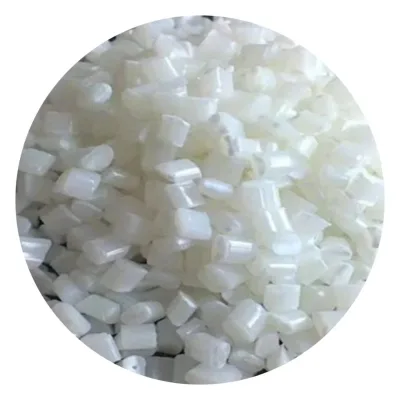
When sourcing photodegradable virgin polypropylene (PP) resin, buyers must first distinguish between standard virgin PP and specialized formulations designed to degrade under light exposure. The core material is identified as Polypropylene Resin Virgin PP, often categorized under the HS code 3902100090. This material serves as a fundamental building block for various plastic products, ranging from general plastics to specific household storage solutions. The raw material typically appears as transparent granules or pellets, though some suppliers may offer powder forms depending on the specific processing requirements.
A critical technical distinction in this category is the plastic forming method. While standard virgin PP is versatile, the specific photodegradable variants often require precise processing techniques such as extrusion, injection molding, or blow molding. For instance, one observed specification highlights a model number like GM1600e, which is associated with a feature level described as "Food Grade Fabric Brushed Fiber," indicating that the resin can be processed into high-quality textiles or non-woven fabrics. Another model, T30s, is noted for its medium liquidity and high mechanical strength, making it suitable for applications requiring structural integrity, such as household storage boxes and home appliances.
The physical properties of the resin are equally vital. The material is classified as a thermoplastic plastic, meaning it can be melted and reshaped multiple times without significant degradation of its chemical structure. However, the photodegradable attribute introduces a specific chemical mechanism where the polymer chain breaks down upon exposure to ultraviolet (UV) light. This is distinct from biodegradable materials that rely on microbial action, although some product listings suggest a composite nature involving cornstarch, PBS, PCL, PETG, or PLA. Buyers must verify whether the "photodegradable" claim refers to a pure PP formulation with UV additives or a composite blend, as this significantly impacts the final product's performance and disposal characteristics. The standard purity for virgin PP is often cited as 100%, ensuring no recycled content dilutes the material's properties, while some specifications mention a minimum purity of 99%.
Compliance, Certification, and Regulatory Verification
Navigating the regulatory landscape for photodegradable virgin PP requires rigorous verification of certifications and standards. While the market often references broad environmental claims, buyers must rely on concrete documentation rather than marketing terminology. A high-confidence fact observed in the supply chain is the presence of RoHS (Restriction of Hazardous Substances) certification. This certification is essential for products intended for the European market or those used in electronics and appliances, ensuring that the resin does not contain restricted hazardous materials like lead, mercury, or cadmium.
However, the term "photodegradable" itself does not automatically confer compliance with all environmental standards. Buyers should be aware that while some product attributes list "Biodegradable" alongside "Photodegradable," these are distinct mechanisms. A material that is photodegradable breaks down under light, but it may not fully mineralize into harmless byproducts without specific microbial conditions. Therefore, relying solely on the "Feature: Biodegradable" or "Feature: Photodegradable" labels without third-party test reports is risky. The supplied data includes a mention of "reach" as a low-confidence background item; this indicates that while REACH compliance is a relevant consideration for European markets, it should not be assumed as a guaranteed attribute without explicit verification from the supplier.
Furthermore, the standard for the product is often defined by its purity level, such as "100% Virgin PP" or "min 99%." This standard is crucial for ensuring that the material meets the mechanical and chemical requirements of the end application. For food-grade applications, the resin must meet specific migration limits and purity standards that go beyond general industrial specifications. Buyers should request certificates of analysis (CoA) that explicitly confirm the absence of heavy metals and the presence of the specific UV additives that enable photodegradation. The "Quality: Excellent" attribute found in some listings is a subjective claim and should be substantiated by objective test data regarding tensile strength, melt flow index (MFI), and degradation rates under controlled UV exposure.
Cost Drivers and Pricing Dynamics
The pricing of Photodegradable Virgin PP Resin is influenced by a complex interplay of raw material costs, processing complexity, and certification requirements. The observed price range in the market spans from $0.98 to $1500 per unit, a variance that reflects differences in packaging, quantity, and specific formulation grades. The lower end of this spectrum likely corresponds to bulk industrial grades sold in large quantities, while the higher end may reflect specialized, food-grade, or small-batch custom formulations.
A significant cost driver is the Minimum Order Quantity (MOQ). The observed MOQ range is extensive, from 1 unit up to 26,000 units. Suppliers offering low MOQs (e.g., 1 unit) often charge a premium per kilogram to cover handling and logistics costs associated with small shipments. Conversely, bulk buyers can leverage economies of scale to reduce the unit cost, provided they can meet the higher volume thresholds. The packaging method also impacts the final price; while some products are listed with "Bags" as a generic packing method, specific standards like "25KG/BAG" are common for industrial shipments. Customization options, such as adding specific colorants or adjusting the photodegradation rate, can further increase costs, as these processes require additional production steps and quality control measures.
Lead times are another critical factor in the total cost of ownership. The standard delivery time observed is 5-7 working days, which suggests a relatively efficient supply chain for standard grades. However, for customized orders or those requiring specific certifications, lead times may extend. Buyers should also consider the "Other Name: Polypropylene Particle PP" and "Keyword: Polypropylene Resin Virgin PP" as indicators of the material's market position; these terms suggest a commodity-like status, but the photodegradable additive introduces a niche premium. It is essential to clarify whether the quoted price includes the cost of the UV stabilizers and whether the price is fixed or subject to fluctuations in the global crude oil market, which directly affects the price of virgin PP.
Typical Applications and End-Use Scenarios
The versatility of Photodegradable Virgin PP Resin allows it to be utilized across a wide array of industries, from packaging to consumer goods. The primary application area identified is "Plastic Products," with specific mentions of "Household Storage Box/Case/Home Appliance." This indicates that the material is robust enough to handle the mechanical stresses of everyday use while offering the environmental benefit of light-induced degradation. The "Feature Level: Food Grade Fabric Brushed Fiber" suggests that the resin can be processed into non-woven fabrics used in food packaging, agricultural covers, or hygiene products.
The processing methods dictate the final form of the product. For injection molding, the resin's melt flow index (MFI) is critical; a model like 1100n with a specific MFI of 12 is suitable for creating complex, high-strength parts. For blow molding, the resin must exhibit specific film pressure characteristics, as seen in the "Blow Film: Film Pressure" attribute. This makes the material ideal for producing bottles, containers, and films that require flexibility and durability. The "CPP: Casting Film" and "BOPP: BOPP" attributes further highlight the material's suitability for film applications, where transparency and barrier properties are paramount.
In the context of photodegradability, the material is particularly valuable for applications where littering or improper disposal is a concern. Agricultural mulch films, for example, can be designed to break down after the growing season, eliminating the need for retrieval and disposal. Similarly, outdoor furniture or signage made from this resin can be engineered to degrade if left exposed to sunlight for extended periods, reducing long-term environmental impact. However, buyers must ensure that the degradation timeline aligns with the product's intended lifespan. Premature degradation could lead to product failure, while insufficient degradation would negate the environmental benefits. The "Smell: Weak Smell" attribute is also relevant for consumer-facing products, ensuring that the resin does not impart an unpleasant odor to the final item.
Supplier Evaluation and Sourcing Strategy
Evaluating suppliers for Photodegradable Virgin PP Resin requires a multi-faceted approach that goes beyond price comparison. The origin of the product is a key factor, with the majority of supply coming from China. While this region offers competitive pricing and a vast network of manufacturers, buyers must verify the supplier's capability to consistently produce high-quality, certified materials. The "Brand Name: xuanyan" and various model numbers like "xuanyan-BDR15" indicate that some suppliers have established brand identities, which can be a proxy for reliability. However, buyers should not rely on brand names alone; instead, they should request detailed product data sheets and audit reports.
The "Customization: Available" and "ODM/OEM: Accepted" attributes suggest that many suppliers are flexible and willing to tailor the resin to specific customer needs. This is particularly important for photodegradable formulations, where the concentration of UV additives must be precisely calibrated. Buyers should engage suppliers early in the design process to ensure that the resin's properties align with the intended manufacturing process. The "Process: Injection Molding/Extrusion Molding/Blow Molding" capability of the supplier is a critical indicator of their versatility; a supplier that can support multiple processing methods is more likely to understand the nuances of the material.
When selecting a supplier, buyers should also consider the "Lead Time: 5-7 Working Days" as a baseline for standard orders. However, for custom orders, this timeline may vary. It is essential to establish clear communication channels and define expectations regarding delivery schedules. The "Product Packing: Bags" or "25kg/Bag" specification should be confirmed to ensure compatibility with the buyer's logistics and storage infrastructure. Additionally, buyers should verify the supplier's ability to provide consistent quality over time, as the photodegradation properties can be sensitive to batch-to-batch variations in raw materials and processing conditions.
Quality Control and Long-Term Procurement Considerations
Implementing a robust quality control (QC) protocol is essential when sourcing Photodegradable Virgin PP Resin. The "Quality: Excellent" claim found in some listings is insufficient on its own; buyers must define specific acceptance criteria based on the intended application. Key parameters to test include the Melt Flow Index (MFI), tensile strength, elongation at break, and the rate of photodegradation under controlled UV exposure. The "Standard: 100% Virgin PP" and "Standard: min 99%" specifications should be verified through laboratory analysis to ensure that the material meets the required purity levels.
Long-term procurement considerations involve building a sustainable supply chain that can adapt to changing market conditions and regulatory requirements. As environmental regulations become more stringent, the definition of "photodegradable" may evolve, requiring buyers to stay informed about new standards and testing methods. The "Low-confidence background" regarding REACH compliance highlights the need for proactive monitoring of regulatory changes. Buyers should establish a relationship with their suppliers that includes regular quality audits and joint development initiatives to ensure continuous improvement.
Furthermore, the "Feature: Biodegradable" and "Feature: Photodegradable" attributes should be treated as complementary rather than interchangeable. Buyers must understand the specific degradation mechanism required for their application and ensure that the supplier can provide the necessary documentation to support these claims. The "Appearance: Transparent Granule" and "Appearance: Pellet, Powder" attributes should be verified to ensure consistency in the raw material's physical form, which can affect processing efficiency. Finally, buyers should consider the "HS: 3902100090" classification when planning logistics and customs clearance, as this code determines the tariff rates and import requirements for the resin. By maintaining a rigorous approach to quality control and supplier evaluation, buyers can secure a reliable supply of Photodegradable Virgin PP Resin that meets both performance and environmental goals.
FAQs
What certifications does Photodegradable Virgin PP Resin have?
The resin holds RoHS certification, ensuring it restricts hazardous substances. This makes it suitable for electronics and appliance applications requiring strict compliance with safety standards.
Can suppliers offer customization for this resin?
Yes, customization is available for this Photodegradable Virgin PP Resin. Suppliers also accept ODM and OEM requests to tailor the material for specific processing needs.
How is the resin typically packed for shipment?
The product is packed in bags, with a standard specification of 25kg per bag. This packaging format ensures safe transport and handling of the granules or pellets.
What is the lead time for delivery?
The standard delivery time is 5 to 7 working days. This timeframe applies to standard orders, though customized requests may require different scheduling.
Which forming methods are supported for this material?
The resin supports injection molding, extrusion molding, and blow molding. These methods allow the material to be processed into various plastic products and films.
What is the origin of the Photodegradable Virgin PP Resin?
The product originates from China. This location is a primary source for the polypropylene particle PP and composite polymer materials listed in the supply chain.
What purity standards apply to the virgin pp material?
The material meets standards of 100% virgin pp or a minimum of 99% purity. This ensures high quality and absence of recycled content in the final product.