Source Photoelectric Sensor for Corridor, Door, and Gate Detection
Find 30 Photoelectric Sensor options for corridor, door, and gate detection. Compare models like CJY18S-10 and PQ58 with varying voltage, IP ratings, and response times from suppliers in China.
Key considerations
Products List

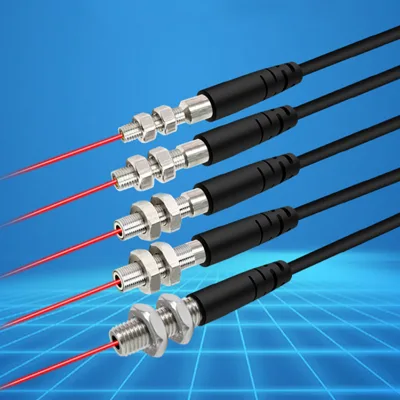


Photoelectric Sensor  Safety  Lightcurtains  Infrared Sensor
$50.00 - $80.00
MOQ: 10 Pieces

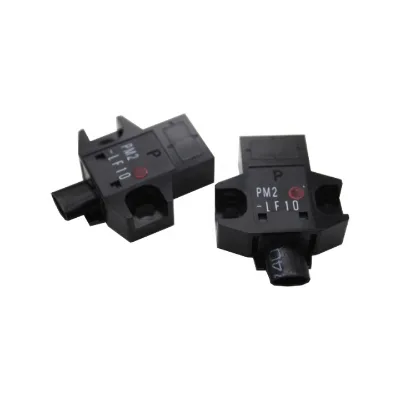


$30.00 - $60.00
MOQ: 10 Pieces
Comprehensive Sourcing Guide
Photoelectric Sensor Sourcing Guide
Procuring photoelectric sensors requires a disciplined approach to aligning technical performance with specific operational environments, as these devices serve as critical detection elements in automated systems ranging from industrial doors to corridor monitoring. The market offers a diverse array of configurations, including microwave sensor switches and diffuse reflection types, each designed to address distinct sensing challenges such as high anti-interference requirements or quick response times. Buyers must navigate a landscape where product attributes like the "Two-Wires" configuration or "Laser" theory coexist with varying voltage types and output signal standards, necessitating a clear understanding of the specific application needs before engaging with suppliers.
The sourcing process is further complicated by the variability in product origins and manufacturing standards, with observed listings indicating production from regions such as Zhejiang, Guangdong, and Nanjing in China. While some products are marketed with specific model numbers like CJY18S-10 or PQ58, others are defined by their functional characteristics, such as "Low Temperature Resistant" capabilities or "IP 65" protection degrees. A successful procurement strategy involves verifying that the observed listing signals, such as the "Standard" or "Customized" nature of the product, match the actual requirements of the end-user application, ensuring that the selected sensor can reliably perform its detection function under the expected operating conditions.
Product Scope and Observed Listing Signals
The observed product scope for photoelectric sensors spans from basic detection units to advanced systems featuring micro laser technology and adjustable sensing distance ranges. Listings indicate a wide spectrum of physical and functional attributes, including "86 Type" sizes, "Wire contact" mounting types, and specific packing configurations like "10PCS in One Box" or "Standard Pakage." Buyers should recognize that these variations reflect different design philosophies, where some units prioritize compact integration for specific mounting scenarios while others emphasize robustness with materials like ABS plastic or specialized features like "Low Temperature Resistant" construction.
Listing signals also reveal significant diversity in the intended application domains, with products explicitly designated for "Corridor" use, "Industry Door" operations, "Parking" facilities, and "Barrier Gate" systems. The presence of attributes such as "Main Usage" for boomgates or "Long Sensing Range" capabilities suggests that these sensors are engineered for high-traffic or high-security environments where reliability is paramount. Procurement teams must carefully cross-reference these application-specific signals with their own operational constraints, ensuring that the selected sensor's principle, whether "Photoelectric" or "Microwave," aligns with the physical properties of the objects being detected and the environmental conditions of the installation site.
Technical Specifications to Verify
Technical verification begins with confirming the sensing principle and output signal type, as these define the fundamental interaction between the sensor and the target object. Buyers must distinguish between "Diffuse Reflection Type Photoelectric Sensor" units and those utilizing "Laser" theory, noting that the latter often offers higher precision for specific detection tasks. The output signal type is equally critical, with observed listings showing both "Digital Type" and "Switching Type" outputs, which dictate how the sensor communicates detection events to the control system. Ensuring compatibility between the sensor's output and the receiving controller is essential to prevent signal processing errors or system failures.
Electrical and environmental specifications require rigorous validation to ensure long-term operational stability. Key parameters to verify include the supply voltage range, which varies from "10-36VDC" to broader ranges like "12-240V DC/AC," and the operating temperature range, with some units rated for conditions as low as "-25°C" and as high as "+55°C." Protection degrees such as "IP 65" and response times under "3 Ms" are vital for applications exposed to dust, moisture, or high-speed detection requirements. Additionally, the "No-Load Current" of "Max.60mA" and the "Sensing Distance Range" being "Adjustable" must be confirmed against the specific power budget and detection geometry of the installation to guarantee efficient and accurate performance.
Compliance and Safety Documentation
Compliance verification is a non-negotiable step in the sourcing process, with "CE" certification appearing as a recurring attribute across multiple product listings. Buyers should treat this certification as a baseline requirement for market access in many regions, but must also investigate whether additional standards apply to the specific industry sector, such as food processing or hazardous environments. The presence of "ISO" certification in some product attributes suggests a broader commitment to quality management systems, which can serve as an indicator of the supplier's overall operational maturity and consistency in manufacturing processes.
Safety documentation extends beyond simple certification marks to include detailed information on material composition and protection mechanisms. Products constructed from "ABS" plastic or featuring "IP Material" specifications require verification to ensure they meet fire safety and chemical resistance standards relevant to the installation environment. Furthermore, the "Warranty" period of "2 Years" observed in some listings provides a tangible metric for supplier confidence in product durability, though buyers should scrutinize the specific terms and conditions attached to this warranty to understand the scope of coverage for defects or premature failures.
Cost Drivers and Commercial Terms
Cost structures for photoelectric sensors are influenced by a complex interplay of technical complexity, material quality, and customization levels. Units featuring "Laser" technology or "Low Temperature Resistant" capabilities typically command higher prices due to the advanced components and specialized manufacturing processes required. The "Customization" availability, ranging from standard "Specification Packing" to fully "Customized" solutions, also significantly impacts the final cost, as bespoke engineering and tooling add to the production overhead. Buyers must balance these technical premiums against their budget constraints, ensuring that the added cost translates into measurable performance benefits for their specific application.
Commercial terms, including Minimum Order Quantity (MOQ) and lead times, vary widely across the market, with observed ranges spanning from 1 to 5000 units. The "MOQ" flexibility allows small-scale projects to access these components, while larger orders may benefit from economies of scale, though the specific pricing tiers are not explicitly defined in the available data. Buyers should negotiate clear terms regarding "Production Process" integration and "Manufacturing Date Code" tracking, such as the "2025" code observed in some listings, to ensure supply chain transparency and inventory management efficiency. Understanding these commercial dynamics is crucial for optimizing total cost of ownership and maintaining a resilient supply chain.
Supplier Qualification and Quality Control
Supplier qualification should focus on verifying the consistency of manufacturing origins and the robustness of quality control systems. The observed product origins, including "Zhejiang China," "Guangdong, China," and "Nanjing, Jiangsu, China," indicate a concentration of manufacturing capabilities in specific industrial hubs, but buyers must confirm that the specific supplier maintains consistent quality standards across these locations. The "Production Process" described as "Integration" suggests a streamlined approach to manufacturing, which can enhance quality control, but this must be validated through on-site audits or third-party assessments to ensure that the process is strictly adhered to.
Quality control measures should be evaluated based on the supplier's ability to maintain product consistency and provide traceability. Attributes like "Standard" or "Customized" product standards and specific packing methods like "Bag" or "10PCS in One Box" reflect the supplier's attention to detail in logistics and handling. Buyers should request evidence of testing protocols, particularly for critical parameters like "Response Time" and "Operating Tem." ranges, to ensure that every unit meets the specified performance criteria. Establishing a clear communication channel for quality feedback and defect resolution is also essential to maintain high standards throughout the procurement lifecycle.
Long-Term Procurement Checks
Long-term procurement success depends on establishing a framework for continuous performance monitoring and supplier relationship management. Buyers should implement regular reviews of sensor performance in the field, tracking metrics such as failure rates, response consistency, and environmental resilience to identify any deviations from the initial specifications. The "Warranty" period and "No-Load Current" specifications serve as initial benchmarks, but ongoing data collection is necessary to validate these claims over time and to inform future procurement decisions. This proactive approach helps mitigate the risk of unexpected downtime and ensures that the sensor fleet remains reliable throughout its operational life.
Strategic planning for future needs involves assessing the scalability of the current supplier relationship and the adaptability of the product line to evolving technological standards. As applications evolve, the demand for features like "High Anti-Interference" or "Quick Response" may increase, requiring suppliers to demonstrate their capacity for innovation and continuous improvement. Buyers should maintain a diversified supplier base to mitigate supply chain risks and ensure access to the latest technological advancements, such as the "micro laser Photoelectric Sensor" technology observed in the market. By fostering a collaborative relationship with suppliers, organizations can secure a steady supply of high-quality sensors that meet both current and future operational demands.
FAQs
What certifications do these photoelectric sensors have?
The photoelectric sensors listed carry CE and ISO certifications, ensuring compliance with international safety and quality standards. These credentials are verified for specific models such as the CJY18S-10 and KJT-FJ18GW-ZNK. Buyers can rely on these marks for regulatory approval in various regions, facilitating smoother import processes and ensuring product reliability for industrial applications.
Can I customize the Photoelectric Sensor specifications?
Yes, customization is available for these photoelectric sensors to meet specific project requirements. Manufacturers offer tailored solutions including adjusted sensing distances and specialized mounting types like wire contact. This flexibility allows buyers to adapt the sensors for unique corridor or industrial door applications, ensuring optimal performance and integration within existing automated systems without compromising functionality.
What is the typical MOQ for Photoelectric Sensor orders?
The minimum order quantity for these photoelectric sensors ranges from 1 to 5000 units, providing flexibility for both small trials and large-scale production. This wide range accommodates diverse buyer needs, from prototyping to mass deployment. Buyers can select quantities that align with their budget and inventory strategies, ensuring efficient procurement without excessive stockpiling or supply shortages.
Where are these photoelectric sensors manufactured?
These photoelectric sensors are manufactured in China, with origins in regions such as Zhejiang, Guangdong, and Nanjing, Jiangsu. This geographic concentration supports a robust supply chain and competitive pricing. Buyers benefit from established manufacturing hubs known for electronic component production, ensuring consistent quality and reliable delivery schedules for global procurement needs in the industrial automation sector.
What voltage types are supported by these sensors?
The photoelectric sensors support various voltage types, including 10-36VDC and 12-240V DC/AC options. This versatility allows integration into diverse electrical systems without requiring additional converters. Buyers can select the appropriate model based on their existing power infrastructure, ensuring seamless operation in applications ranging from parking barriers to industrial doors with stable power supply requirements.