Find Plastic Downhill Sled with Brakes for Leisure, Skiing, and Snowfield Play
Browse a curated range of Plastic Downhill Sled with Brakes listings sourced from Chinese suppliers. Compare materials such as HDPE and PVC, sizes, brake designs, MOQ levels, and packaging options for children and adult riders across leisure, skiing, and snowfield applications.
Key considerations
Products List
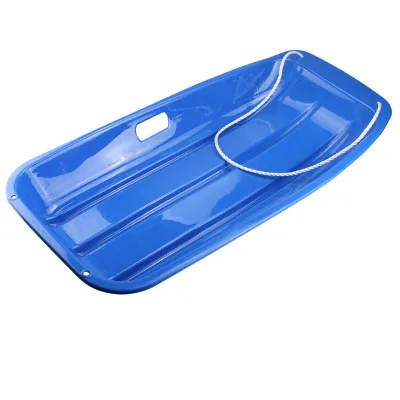
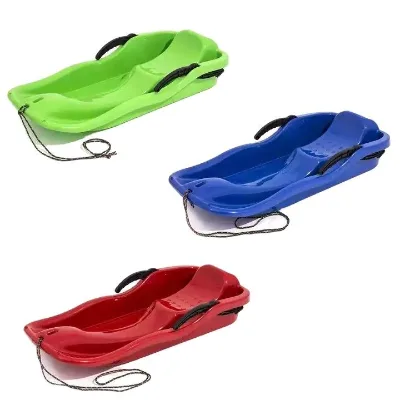


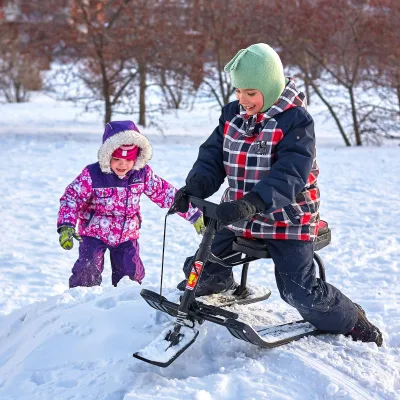

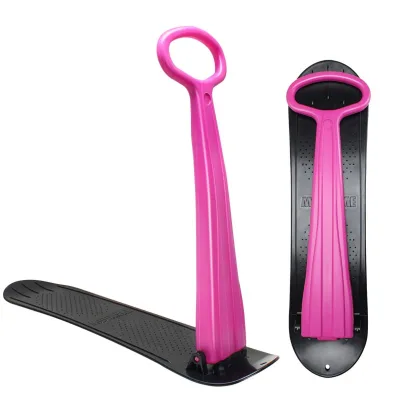
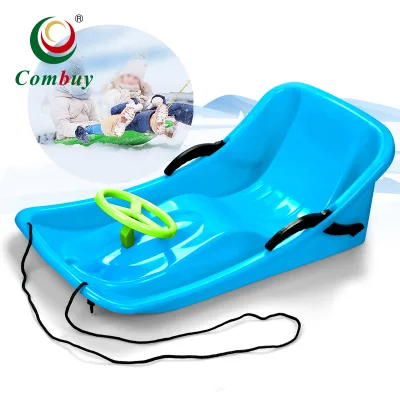


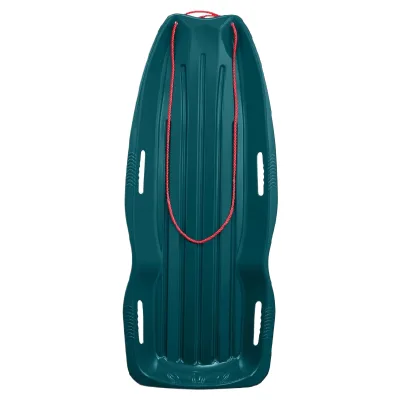
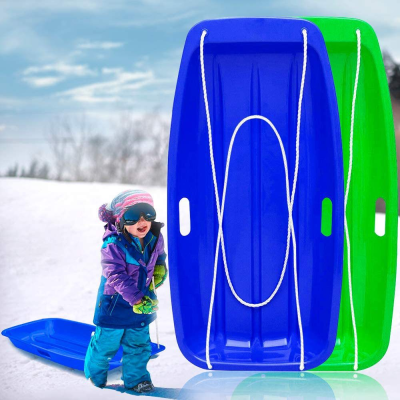


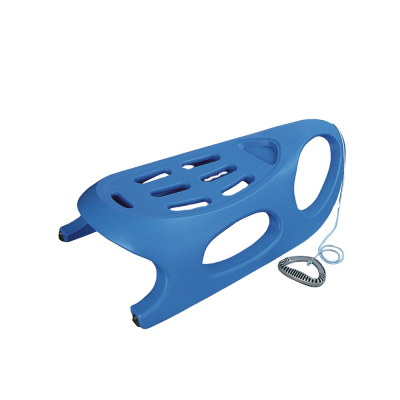
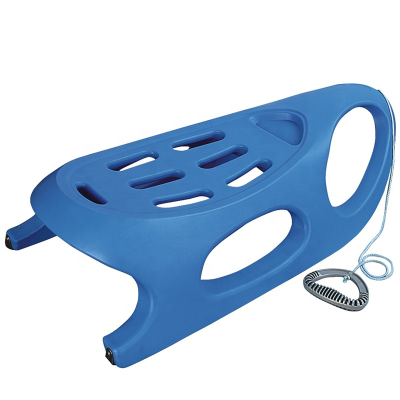
Toboggan Sled China Cheap Kids Skiing Equipment Plastic Adults Towable Snow Sled
$13.50 - $15.00
MOQ: 1000 pieces


Quiet Popular Customizable Carbon Steel Frame Snow Sled for Ski Resort
$599.00 - $799.00
MOQ: 1 Pieces

Comprehensive Sourcing Guide
Plastic Downhill Sled with Brakes Sourcing Guide
Sourcing plastic downhill sleds with brakes requires a nuanced understanding of the distinction between traditional recreational sledding and specialized winter sports equipment. The core keyword suggests a hybrid product category, potentially blending the simplicity of a plastic sled with the control mechanisms found in snowboards or specialized racing sleds. Buyers must first clarify whether the procurement intent is for mass-market winter leisure, where basic plastic runners suffice, or for niche sports applications, such as snowboarding or stunt sledding, where braking systems and structural integrity are critical. The presence of "brakes" in the product description often indicates a more complex assembly, possibly involving metal components or specialized plastic geometries designed to engage with snow surfaces for speed control. This complexity directly impacts manufacturing costs, tooling requirements, and the necessary quality control protocols. Procurement teams should approach this category with the assumption that it sits at the intersection of toy manufacturing and sporting goods, requiring suppliers who possess expertise in both injection molding precision and dynamic load testing.
The market landscape for these products is diverse, ranging from simple single-plate fixation sleds to more elaborate models featuring custom branding and specialized packaging. Observed listing signals indicate a wide variance in product attributes, including materials like PVC and HDPE, and applications spanning from general snowfield leisure to specific sports like snowboarding. This diversity means that a single supplier may not offer a one-size-fits-all solution. Buyers need to segment their requirements based on the target end-user, whether it be children requiring safe, low-speed recreational gear or adults seeking high-performance equipment for racing or stunts. The distinction is vital because the engineering tolerances for a child’s leisure sled differ significantly from those of an adult’s stunt sled. Furthermore, the mention of "customized" options and OEM capabilities suggests that many manufacturers are prepared to adapt their base designs for private label branding, which is a common requirement for retailers looking to differentiate their winter inventory.
Product Scope and Observed Listing Signals
The observed product data reveals a fragmented market with significant variations in specifications, which serves as a critical signal for buyers to exercise due diligence. For instance, while some listings describe products with PVC materials and kimono-style sleeves, which is highly unusual for a sled and may indicate a data entry error or a misclassified apparel item, others correctly identify HDPE materials and single-plate fixation, which are standard for durable sleds. The presence of attributes like "Snow Sledge-055L" and "Plastic Snow Sledge with Brakes-094M" confirms that specific models with braking mechanisms do exist in the supply chain. However, the coexistence of these specific models with unrelated attributes such as "fabric weight" and "lining" highlights the importance of verifying the actual product composition. Buyers should not assume that all items tagged with the core keyword share the same structural integrity or braking functionality. The scope of available products ranges from basic plastic runners to complex assemblies with custom packaging and specialized features like flared hems or embroidery, indicating a broad spectrum of manufacturing capabilities among suppliers.
Another key signal is the variation in target age groups and applications, which ranges from children to adults and from leisure to racing and stunts. This suggests that the "Plastic Downhill Sled with Brakes" category is not monolithic but rather a collection of distinct product lines tailored to different use cases. For example, a sled designed for "Snowboard" skiing types likely requires different braking dynamics and material strength compared to one intended for "Grassland" or general "Leisure" use. The observed MOQ ranges, which can vary from 1 to 3000 units, further indicate that suppliers cater to both small boutique orders and large-scale commercial distributions. Buyers must align their order volume with the supplier’s production capacity and minimum order requirements. Additionally, the mention of specific packaging methods, such as "Each Packed in a Polybag" or "15PCS/CTN," provides insight into the supplier’s logistical readiness and the potential for damage during transit. Understanding these signals helps buyers filter out irrelevant listings and focus on suppliers who can deliver the specific type of sled with brakes that matches their operational needs.
Technical Specifications to Verify
When evaluating plastic downhill sleds with brakes, the primary technical focus should be on the material composition and structural design. High-Density Polyethylene (HDPE) is a preferred material for its durability, impact resistance, and ability to maintain flexibility in cold temperatures, whereas PVC may be used for less critical components or specific aesthetic finishes. Buyers must verify the thickness and density of the plastic used in the sled’s body and runners, as these factors directly influence the sled’s lifespan and performance on snow. The braking mechanism itself requires careful scrutiny; it may involve integrated plastic fins, metal inserts, or adjustable components that engage with the snow surface. Suppliers should provide detailed technical drawings or specifications that outline how the braking system functions, including the material of the braking elements and their attachment points to the main body. This verification is crucial to ensure that the brakes are effective, reliable, and safe for the intended user group, whether they are children or adults.
Secondary technical specifications include the sled’s dimensions, weight, and load-bearing capacity. The observed data mentions sizes such as S and L, which suggests that sizing is a key differentiator in this product category. Buyers should confirm the exact dimensions and weight limits for each size variant to ensure they meet the requirements of their target market. Additionally, the presence of features like "super loose" fits or "flared" hems may indicate a design focused on stability or aerodynamics, which should be validated through product samples. The packaging specifications, such as CTN sizes and packing quantities, are also important for logistics planning. Buyers should verify that the packaging is robust enough to protect the sleds during shipping, especially given the potential for sharp edges or protruding brake components. Finally, the customization options, such as OEM branding and customized standards, should be clearly defined in the technical specifications to avoid misunderstandings during production.
Compliance and Safety Documentation
Safety is paramount when sourcing plastic downhill sleds, particularly those with braking mechanisms intended for use by children or in high-speed applications. Buyers must ensure that suppliers provide comprehensive safety documentation, including test reports from accredited laboratories. These reports should verify that the sleds meet relevant international safety standards for recreational products, such as those concerning mechanical hazards, flammability, and chemical composition. For products marketed to children, compliance with strict regulations regarding small parts, sharp edges, and toxic materials is essential. Buyers should request certificates of conformity and test reports that specifically address the braking system’s reliability and the structural integrity of the sled under load. This documentation serves as proof that the product has been rigorously tested and is safe for its intended use, reducing the risk of liability for the buyer.
In addition to product-specific safety tests, buyers should verify the supplier’s adherence to broader quality management standards. While specific certification names are not provided in the observed data, buyers should inquire about the supplier’s quality control processes and any relevant ISO certifications. This includes verifying that the manufacturing facility follows good manufacturing practices (GMP) and that raw materials, such as HDPE or PVC, are sourced from reputable suppliers with proper material safety data sheets (MSDS). The customization aspect of the product also introduces additional compliance considerations, such as ensuring that any added branding or graphics do not compromise the sled’s safety or violate intellectual property rights. Buyers should include clauses in their contracts that require the supplier to maintain all necessary safety certifications and to notify the buyer of any changes in regulatory requirements that may affect the product.
Cost Drivers and Commercial Terms
The cost of plastic downhill sleds with brakes is influenced by several key factors, including material costs, manufacturing complexity, and order volume. The use of high-quality materials like HDPE and the inclusion of a braking mechanism, which may involve additional components and assembly steps, will naturally increase the unit cost compared to basic plastic sleds. Buyers should expect a price range that reflects these complexities, with variations based on the specific model, customization requirements, and packaging options. The observed MOQ ranges, which can be as low as 1 unit or as high as 3000 units, indicate that economies of scale play a significant role in pricing. Larger orders typically benefit from lower unit costs due to more efficient production runs and reduced per-unit overhead. Buyers should negotiate pricing based on their expected order volume and consider the total cost of ownership, including shipping and handling, when evaluating quotes.
Commercial terms also play a crucial role in the procurement process. Buyers should clarify the payment terms, delivery schedules, and warranty policies with the supplier. Given the seasonal nature of winter sports equipment, timely delivery is critical to ensure that products are available in the market when demand is highest. Buyers should negotiate lead times that align with their sales forecasts and include penalties for delays if necessary. Additionally, the customization options, such as OEM branding and customized packaging, may incur additional costs or require longer lead times. Buyers should ensure that all these details are clearly outlined in the purchase agreement to avoid disputes. The observed data mentions "customized" standards and packaging, which suggests that flexibility is available, but this flexibility must be managed carefully to control costs and maintain quality.
Supplier Qualification and Quality Control
Selecting the right supplier for plastic downhill sleds with brakes requires a thorough qualification process that assesses the supplier’s manufacturing capabilities, quality control systems, and track record. Buyers should verify the supplier’s production capacity and ensure that they have the necessary equipment and expertise to produce complex products with braking mechanisms. This includes checking for injection molding capabilities, assembly lines, and testing facilities. The observed data mentions suppliers from different regions, such as Beijing and Zhejiang, which may have different regulatory environments and quality standards. Buyers should conduct site visits or third-party audits to verify the supplier’s claims and ensure that they adhere to international quality standards. Additionally, buyers should request references from other clients to assess the supplier’s reliability and customer service.
Quality control is another critical aspect of supplier qualification. Buyers should establish clear quality standards and inspection protocols before production begins. This includes defining acceptable tolerances for dimensions, material properties, and braking performance. Buyers should also implement a pre-shipment inspection process to verify that the products meet these standards before they are shipped. The observed data mentions specific packaging methods, which should be included in the quality control checklist to ensure that products are protected during transit. Furthermore, buyers should require the supplier to provide a sample batch for testing before committing to a large order. This allows the buyer to verify the product’s quality and performance in real-world conditions. By establishing a robust supplier qualification and quality control process, buyers can mitigate risks and ensure that they receive high-quality plastic downhill sleds with brakes.
Long-Term Procurement Checks
Long-term procurement success for plastic downhill sleds with brakes depends on continuous monitoring of supplier performance and market trends. Buyers should establish key performance indicators (KPIs) to track supplier reliability, including on-time delivery rates, product quality metrics, and responsiveness to issues. Regular performance reviews should be conducted to identify areas for improvement and to reinforce high standards. Additionally, buyers should stay informed about changes in safety regulations and market demands that may affect the product category. This includes monitoring trends in winter sports equipment and consumer preferences for features like braking systems and customization options. By staying proactive, buyers can adapt their procurement strategies to meet evolving market needs and maintain a competitive edge.
Another important aspect of long-term procurement is building a strong relationship with the supplier. This involves open communication, collaborative problem-solving, and mutual trust. Buyers should engage in regular discussions with the supplier to address any concerns and to explore opportunities for innovation and cost savings. This collaborative approach can lead to improved product designs
FAQs
What materials are commonly used for a Plastic Downhill Sled with Brakes?
Most plastic downhill sleds with brakes are made from HDPE or PVC, both of which offer good low-temperature durability and a slick sliding surface. HDPE models such as the MS-DKB are typical for snow use, while PVC appears in some child-oriented designs. Material choice affects weight, cold-crack resistance, and braking hardware attachment.
Can a Plastic Downhill Sled with Brakes be customized with a logo or design?
Yes, customization is available on listed models, with OEM service offered. Secondary processes such as embroidery are noted for some products, and brands can be customized. Minimum order quantities apply, and the standard is customized rather than a fixed specification, so confirm artwork format and placement before ordering.
How is a Plastic Downhill Sled with Brakes packed for shipping?
Packing methods vary by model. Common arrangements include each sled in a polybag or PE bag, with cartons holding around 15 pieces. One listed carton size is 67x40x65 cm, and a documented sled size is 88x44.5x26 cm. Confirm carton dimensions and piece count per carton when calculating freight volume.
Which sizes are available for a Plastic Downhill Sled with Brakes?
Available sizes include S and L on certain HDPE models, and regular length options on others. Documented dimensions include 88x44.5x26 cm for one model. Size selection should consider the rider age group, since listings cover both children and adults, and some sleds are rated for leisure or racing use.
Can one Plastic Downhill Sled with Brakes serve both snowfield and grassland use?
Some listings list applications covering both snowfield and grassland, so dual-season use is possible on those models. HDPE construction generally tolerates varied surfaces, while braking effectiveness depends on terrain. For racing or stunt use, verify the model's stated usage, which may include leisure, fancy, racing, and stunt categories.
What age groups does a Plastic Downhill Sled with Brakes suit?
Listings cover both children and adults. Child models may feature loose fit, kimono sleeves, and winter ski application, while adult models such as Plastic Snow Sledge with Brakes-094M target leisure and fancy riding. Check the age group attribute on each model and supervise children during downhill use.
What is the typical MOQ for a Plastic Downhill Sled with Brakes?
Observed MOQs range from as low as 1 unit to 10,000 pieces depending on the listing and customization level. Standard stocked models may ship in single-item selling units, while OEM or customized orders carry higher minimums. Always confirm the MOQ tied to your chosen model, size, and branding requirements.
Where are Plastic Downhill Sled with Brakes products produced?
Listed products originate in China, with specific origins noted in Beijing and Zhejiang. Production typically follows customized standards, and packing is prepared per carton for export. When comparing suppliers, confirm the origin location, carton configuration, and any packaging requirements such as PE bags before placing an order.