Source Handmade Flatback Rhinestone Mesh for bags, garments, and shoes
Compare 30 listings of Handmade Flatback Rhinestone Mesh from verified suppliers. Buyers can evaluate options for bags, garments, and shoes based on material, color, and customization lead times to find the best fit for their projects; compare the available evidence and request quotations based on your requirements.
Key considerations
Products List






Comprehensive Sourcing Guide
Handmade Flatback Rhinestone Mesh Sourcing Guide
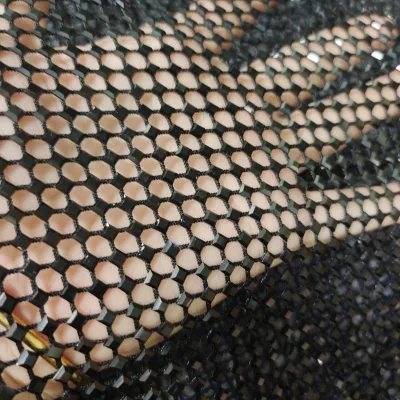
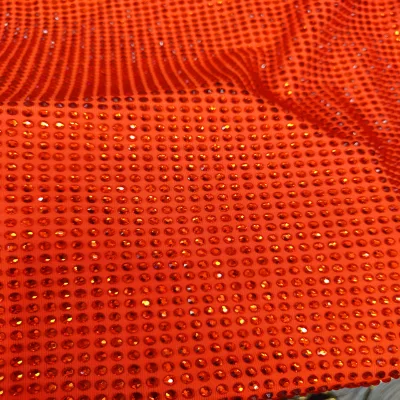
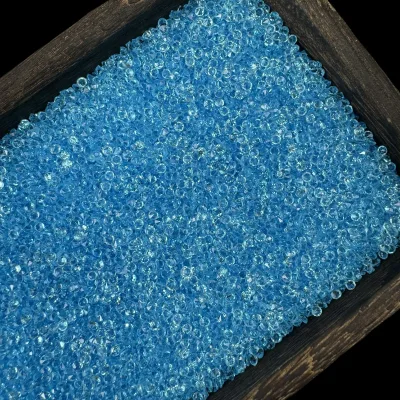
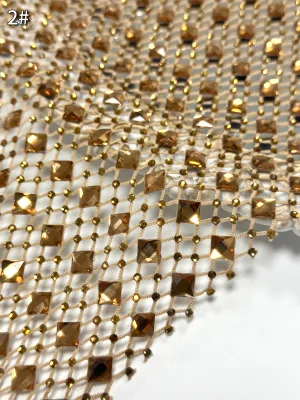
Procuring Handmade Flatback Rhinestone Mesh requires a nuanced understanding of both the decorative materials and the underlying fabric structure. Buyers must distinguish between loose rhinestones and pre-assembled motifs, as the latter often dictates the final aesthetic and application method. The observed market signals indicate a strong presence of glass and crystal materials, with specific product types ranging from simple mesh trims to complex tulle fabrics embedded with stones. This diversity means that a single sourcing strategy cannot cover all variations; instead, buyers should segment their requirements based on whether they need hot-fix capabilities for industrial garment application or sew-on options for delicate wedding decorations.
The visual and tactile qualities of these products are heavily influenced by the facet count and the quality of the rhinestone crystals. Listings frequently highlight attributes such as K9 rhinestone crystal quality, which suggests a higher refractive index and brilliance compared to standard glass. However, buyers must verify these claims through physical samples, as the term "K9" is not a regulated standard but rather a marketing descriptor. Additionally, the presence of features like glow-in-the-dark properties or eco-friendly certifications adds layers of complexity to the sourcing process, requiring buyers to confirm that these attributes do not compromise the structural integrity of the mesh or the adhesion of the stones during wear.
Product Scope and Observed Listing Signals
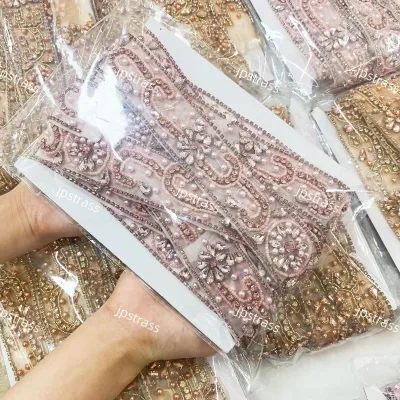
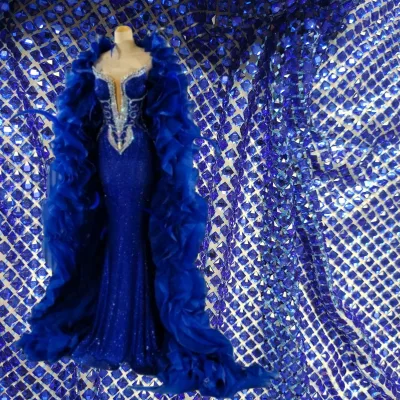
The current market landscape for Handmade Flatback Rhinestone Mesh reveals a wide spectrum of product configurations, primarily driven by the intended end-use. Observed listings show a strong emphasis on wedding and garment decoration, with applications extending to bags, shoes, and caps. The product names often reflect this versatility, such as "rhinestone mesh" or "tulle fabric with rhinestones," indicating that the base material can vary from sheer tulle to more structured lace trims. Buyers should note that the term "handmade" often implies a higher degree of customization and artisanal quality, but it also introduces variability in production times and consistency, which must be factored into supply chain planning.
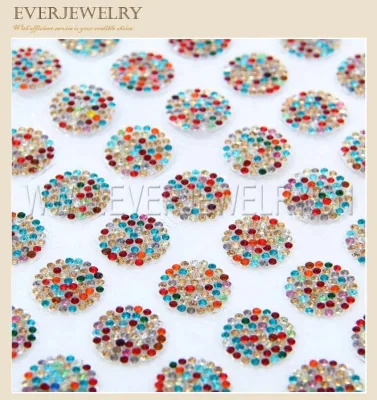
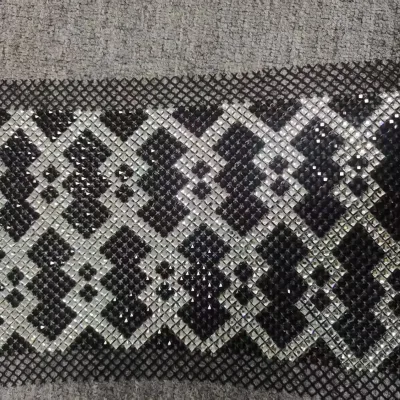
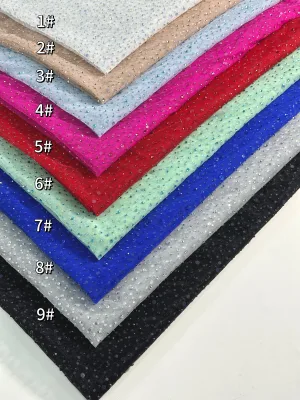
Color and design customization are significant drivers in this category, with suppliers offering options for mixed sizes and colors to meet specific design briefs. The observed data points to a range of color options, including pink, brown, black, and silver, often combined in intricate patterns. The presence of "customized design" attributes suggests that buyers can request unique motifs, but this comes with a lead time extension, typically ranging from five to seven working days for production. This customization capability is particularly valuable for brands seeking exclusive designs, but it requires clear communication of design files and approval processes to avoid discrepancies between the sample and the bulk order.
Technical Specifications to Verify
When evaluating technical specifications, the model number and material composition are critical identifiers that help distinguish between similar-looking products. For instance, models like JP-0145 and HY0225 represent different product lines with distinct characteristics, such as facet counts of 12 and 10, respectively. Buyers must verify the material type, whether it is glass or crystal, as this affects both the weight and the optical performance of the final product. The single package size and gross weight are also important logistical details, with weights ranging from 0.15 kg for smaller items to 2.8 kg for larger fabric rolls, impacting shipping costs and handling requirements.
The application method, whether hot-fix or sew-on, is a decisive technical factor that influences the manufacturing process and the final durability of the decoration. Hot-fix rhinestones require a heat-activated adhesive backing, making them suitable for high-volume garment production, while sew-on options offer more flexibility for delicate fabrics. Buyers should also pay attention to the shape of the stones, with round and flatback styles being common, and ensure that the mesh backing is compatible with their specific sewing or pressing equipment. Verifying these details through detailed product datasheets and physical samples is essential to prevent production delays and ensure the final product meets quality expectations.
Compliance and Safety Documentation
Safety and compliance are paramount when sourcing materials that come into direct contact with skin or are used in children's clothing. Buyers must request documentation confirming that the rhinestones and adhesives are nickel-free and eco-friendly, as these attributes are often highlighted in product listings but require third-party verification. The absence of heavy metals and harmful chemicals is crucial for meeting international safety standards, particularly in markets like the European Union and North America. Buyers should insist on test reports from accredited laboratories to validate these claims, ensuring that the products do not pose health risks to end-users.
Additionally, the manufacturing process itself should adhere to environmental and labor standards, although specific certifications may vary by supplier. Buyers should inquire about the supplier's commitment to sustainable practices, such as the use of eco-friendly materials and waste reduction techniques. While the observed listings mention eco-friendly features, buyers must verify the scope of these claims, including the sourcing of raw materials and the disposal of production waste. Establishing a clear compliance framework with suppliers helps mitigate legal risks and enhances the brand's reputation for ethical sourcing, which is increasingly important to conscious consumers.
Cost Drivers and Commercial Terms
The cost of Handmade Flatback Rhinestone Mesh is influenced by several factors, including the complexity of the design, the quality of the rhinestones, and the volume of the order. Minimum order quantities (MOQs) vary significantly, ranging from small batches of two yards to larger orders of fifty yards or more, depending on the supplier and the level of customization required. Buyers should negotiate MOQs based on their inventory needs and cash flow constraints, keeping in mind that smaller orders may incur higher per-unit costs due to the setup time and material waste associated with customization.
Lead times are another critical commercial term that affects procurement planning. The observed data indicates a sample order lead time of seven days, with production times ranging from three to five days for standard items and up to seven days for customized designs. Delivery times typically span seven to fifteen working days, depending on the shipping method chosen, such as DHL, FedEx, or UPS. Buyers should factor in these lead times when planning their production schedules and ensure that they have sufficient buffer stock to account for potential delays, especially during peak seasons or when dealing with complex custom orders.
Supplier Qualification and Quality Control
Supplier qualification is a crucial step in ensuring the reliability and consistency of Handmade Flatback Rhinestone Mesh supplies. Buyers should assess the supplier's production capabilities, including their equipment, workforce, and quality control processes. The place of origin, such as Guangdong, China, is a known hub for textile and accessory manufacturing, offering access to a wide range of suppliers with varying levels of expertise. Buyers should conduct site visits or request virtual tours to verify the supplier's claims about their manufacturing processes and quality standards.
Quality control measures should be clearly defined and agreed upon before placing orders. This includes establishing acceptance criteria for color consistency, stone adhesion, and mesh integrity. Buyers should request pre-shipment inspections or third-party quality audits to ensure that the products meet the specified standards. Additionally, establishing a clear communication channel with the supplier for addressing any quality issues or discrepancies is essential for maintaining a productive relationship. By implementing robust quality control protocols, buyers can minimize the risk of receiving defective products and ensure that their final goods meet customer expectations.
Long-Term Procurement Checks
Long-term procurement success depends on continuous monitoring and evaluation of supplier performance and market trends. Buyers should regularly review supplier metrics, such as on-time delivery rates, defect rates, and responsiveness to issues, to identify areas for improvement. Building a diversified supplier base can mitigate risks associated with single-source dependencies, allowing buyers to switch suppliers if performance declines or market conditions change. Additionally, staying informed about emerging trends in rhinestone design and materials can help buyers stay competitive and meet evolving customer demands.
Collaborative relationships with suppliers can lead to mutual benefits, such as joint product development and cost-saving initiatives. Buyers should engage in open dialogue with suppliers to discuss future needs, potential innovations, and shared challenges. By fostering a partnership approach, buyers can gain access to exclusive designs and preferential treatment, enhancing their competitive advantage in the market. Regularly revisiting procurement strategies and adapting to changes in the supply chain landscape is essential for maintaining a resilient and efficient sourcing operation in the long run.
FAQs
What materials are used in Handmade Flatback Rhinestone Mesh?
The mesh utilizes high-quality glass and crystal materials to ensure durability and brilliance. These components are selected for their clarity and ability to reflect light effectively. The flatback design allows for secure attachment to various substrates. This combination provides a premium finish suitable for detailed decorative applications in fashion and accessories.
Can I customize the design of the rhinestone mesh?
Yes, customized designs are accepted with a production time of 5-7 working days. You can mix sizes and colors to meet specific project requirements. This flexibility allows for unique patterns tailored to your brand. Please note that customization may affect standard lead times, so early planning is recommended for large orders.
What is the minimum order quantity for rhinestone mesh?
The minimum order quantity varies by product type, typically ranging from 2 to 50 yards. Some items require a minimum of 50 yards, while others accept orders as low as 2 yards. This range accommodates both small sample requests and larger bulk purchases. Please check specific product listings for exact MOQ requirements before placing an order.
How long does delivery take for sample orders?
Sample orders are supported with a lead time of 7 days. Standard delivery times generally range from 7 to 15 working days depending on the shipping method. Express carriers like DHL, FedEx, and UPS are available for faster transit. Production time for customized items may add 5-7 working days to the timeline.
Where is the Handmade Flatback Rhinestone Mesh manufactured?
The products are manufactured in Guangdong, China, a major hub for textile and accessory production. This location ensures access to high-quality raw materials and skilled craftsmanship. The origin supports efficient logistics and competitive pricing for international buyers. Buyers can rely on established supply chains for consistent quality and timely delivery.
What are the common applications for this rhinestone mesh?
This mesh is widely used for bags, garments, shoes, caps, and flags. It is also suitable for wedding decorations and dress embellishments. The flatback design allows for easy sewing or hot-fix application. These versatile applications make it ideal for fashion designers and accessory manufacturers seeking decorative elements.