Source Plastic Dental Floss Stick for oral care, cleaning, and food service
Explore 30 listings for Plastic Dental Floss Stick options featuring nylon thread, customized lengths, and eco-friendly designs. Buyers can compare specifications like shape, flavor, and packaging to find suitable suppliers for dental care and food service applications.
Key considerations
Products List
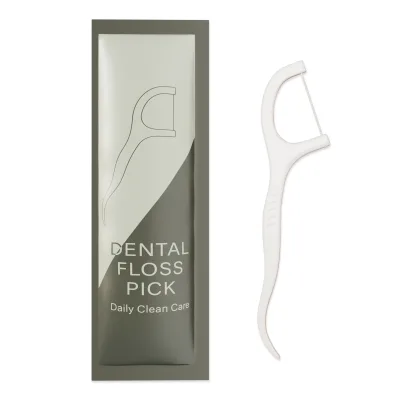
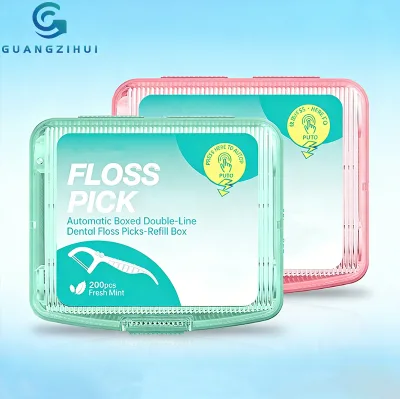






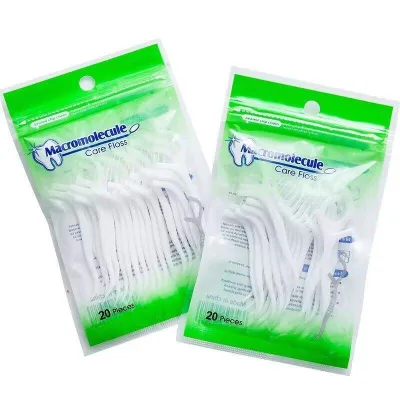


Comprehensive Sourcing Guide
Strategic Sourcing Guide for Plastic Dental Floss Sticks
The global market for oral hygiene products has seen a significant shift toward convenient, single-use solutions, with the Plastic Dental Floss Stick emerging as a dominant category in both retail and professional settings. For procurement professionals, sourcing these items requires a nuanced understanding of material science, regulatory compliance, and supply chain logistics. The core keyword "Plastic Dental Floss Stick" encompasses a diverse range of products, from basic nylon picks to advanced vibrating tools, each with distinct manufacturing requirements. This guide provides a structured approach to evaluating suppliers, verifying product specifications, and ensuring that procurement decisions align with quality and safety standards without relying on unverified claims.
Technical Specifications and Material Composition
The foundation of any successful procurement strategy lies in the precise definition of technical specifications. When sourcing plastic dental floss sticks, the primary variable is the material composition of the handle and the floss itself. The supplied data indicates a prevalence of nylon thread and plastic as the primary materials. Nylon is favored for its tensile strength and flexibility, allowing the floss to slide between tight interdental spaces without snapping. However, buyers must distinguish between standard nylon and high-performance variants such as UHMWPE (Ultra-High Molecular Weight Polyethylene) or PTFE (Polytetrafluoroethylene), which are noted in the context as advanced thread options. These materials offer superior expansion capabilities and reduced friction, making them ideal for users with braces or sensitive gums.
The physical geometry of the stick is equally critical. Specifications reveal a variety of shapes, including round and flat profiles. Round picks are generally designed for general cleaning, while flat picks may offer a broader surface area for plaque removal. The length of the product is often customized, requiring buyers to define exact dimensions based on ergonomic needs. Additionally, the presence of wax is a key differentiator; some products are specified as "without wax," which is preferred for users who want to avoid residue buildup, while others may feature a mint flavor or tasteless profile. The color of the product is another customizable attribute, ranging from standard white to multicolor options, which can be leveraged for brand differentiation or user identification.
Compliance, Certification, and Safety Standards
In the oral care sector, regulatory compliance is non-negotiable. Products intended for direct contact with the human mouth must adhere to stringent safety standards. The provided context explicitly mentions FDA and EN71 standards. FDA compliance is essential for products marketed in the United States, ensuring that the materials used are safe for food and oral contact. EN71 is a European standard for the safety of toys, which often serves as a benchmark for the safety of small plastic components in various consumer goods, including oral care tools.
Buyers must verify that the supplier can provide valid certification documents for these standards. It is not sufficient to rely on a supplier's assertion that a product is "FDA compliant"; the specific batch or product line must be covered by the certification. Furthermore, the context mentions "Eco-Friendly" as a feature. While this is a desirable attribute, buyers should request evidence of what makes the product eco-friendly, such as biodegradable plastics or recyclable packaging, rather than accepting vague marketing claims. The "Single volume" and "Single gross weight" being listed as zero in some data points suggests that these metrics may be variable or dependent on specific packaging configurations, necessitating a request for precise weight and volume data for the final packaged unit to ensure accurate shipping calculations.
Cost Drivers and Pricing Dynamics
Understanding the cost structure of plastic dental floss sticks is vital for budgeting and margin analysis. The observed price range in the market data spans from 0 to 18 USD, indicating a wide variance in product value. This disparity is driven by several factors, including material quality, customization level, and order volume. Basic plastic picks with standard nylon thread will naturally command lower prices compared to those featuring UHMWPE threads, vibrating mechanisms, or custom branding.
The Minimum Order Quantity (MOQ) is another significant cost driver. The data shows an MOQ range from 1 carton to 600,000 pieces. Suppliers offering an MOQ of 1 carton are typically suited for small businesses, startups, or trial orders, though the unit price will likely be higher. Conversely, suppliers requiring an MOQ of 600,000 pieces are targeting large-scale manufacturers or distributors, offering significantly lower per-unit costs due to economies of scale. Buyers must balance their inventory needs against the financial commitment required by high MOQs. Additionally, the "Selling Units" being listed as "Single item" suggests that some suppliers may offer sample packs or single-unit sales, which can be useful for quality testing but are not cost-effective for bulk procurement.
Typical Applications and Market Segmentation
Plastic dental floss sticks serve multiple applications beyond simple home use. The context lists "Food service & Beauty & Cleaning & Gardening" as potential applications, though the primary function remains "Teeth Cleaning" and "Clean Interdental Area Effectively." In the dental professional sector, these sticks are often used as adjuncts to professional cleaning procedures. In the food service industry, they may be provided as a hygiene amenity in high-end dining establishments. The "Table Decoration & Accessories Type" classification for toothpicks in the data highlights the potential for these items to be used as part of a broader table setting, where aesthetics and branding play a role.
The versatility of the product is further enhanced by customization options. Buyers can request "Customized Logo," "Customized Color," and "Customized Flavor" to tailor the product to specific market segments. For instance, a mint flavor might appeal to a younger demographic, while a tasteless version might be preferred by medical professionals or those with flavor sensitivities. The "Application" field also includes "Oral Care Product" and "Dental Floss Pick," confirming the primary market positioning. Understanding these diverse applications allows buyers to target specific niches, whether it is the mass-market retail sector, the professional dental supply chain, or the hospitality industry.
Supplier Evaluation and Verification
Selecting the right supplier is a critical step in the sourcing process. The data indicates that suppliers are located in Guangdong, China, a major manufacturing hub for plastic products. When evaluating potential partners, buyers should look for evidence of OEM (Original Equipment Manufacturer) and ODM (Original Design Manufacturer) capabilities. The context confirms that "OEM" and "Welcomed OEM" are acceptable, meaning suppliers are willing to produce products under the buyer's brand. This is essential for companies looking to build a private label.
Key evaluation criteria should include the supplier's ability to provide samples, which is explicitly listed as "Available" in the data. Requesting samples allows buyers to physically inspect the product for quality, durability, and finish before committing to a large order. Payment terms are another factor to consider; "T/T" (Telegraphic Transfer) is the standard term mentioned, but buyers should negotiate terms that protect their interests, such as partial payments upon shipment. The "Model Number" variations, such as "010," "10," and "06-color," suggest that suppliers have a range of SKUs. Buyers should ensure that the specific model they select aligns with their quality expectations and that the supplier can consistently reproduce that model without variation.
Quality Control and Long-Term Procurement Considerations
Implementing a robust quality control (QC) protocol is essential to mitigate risks associated with mass production. Given the variation in materials and specifications, buyers should establish clear acceptance criteria before production begins. This includes verifying the "Thread" type, ensuring the "Shape" matches the design, and confirming the "Flavor" consistency. For products claiming to be "Eco-Friendly," QC should include testing for the specific environmental claims made.
Long-term procurement considerations involve building a sustainable supply chain. This includes assessing the supplier's capacity to handle fluctuating demand, their lead times, and their ability to maintain consistent quality over time. The "Packing" method, listed as "Bag" or "Single Packing," should be evaluated for its ability to protect the product during transit and its suitability for retail display. Customized packaging is available, which can be a strategic advantage for branding but requires careful coordination with the supplier to ensure structural integrity.
Buyers should also consider the "Advantage" of the product, such as "Comfortable" design, as a key differentiator. A comfortable floss stick reduces user fatigue and encourages regular use, which is crucial for the product's success in the market. Finally, maintaining open communication with the supplier regarding any changes in regulations or material availability will help ensure that the procurement process remains smooth and compliant over the long term.
Comparative Analysis of Product Attributes
To facilitate decision-making, the following table summarizes the key attributes observed in the market data, highlighting the variability buyers must navigate.
| Attribute | Observed Variations | Procurement Consideration |
|---|---|---|
| Material | Nylon thread, Plastic, UHMWPE, PTFE | Verify tensile strength and flexibility requirements. |
| Shape | Round, Flat | Select based on ergonomic needs and target user demographics. |
| Flavor | Mint, Tasteless, Customized | Ensure flavor consistency and compliance with food safety standards. |
| Wax Content | Without Wax | Confirm wax-free status for users avoiding residue. |
| MOQ | 1 carton to 600,000 pcs | Balance inventory costs with unit price advantages. |
| Certification | FDA, EN71 | Request valid certificates for specific product batches. |
| Customization | Logo, Color, Flavor, Package | Define clear specifications for branding and packaging. |
| Origin | Guangdong, China | Factor in logistics and lead times from this region. |
By systematically addressing these attributes, buyers can navigate the complexities of the Plastic Dental Floss Stick market. The goal is to secure a supply chain that delivers high-quality, compliant, and cost-effective products that meet the specific needs of the target market. Through rigorous verification of specifications, certifications, and supplier capabilities, procurement professionals can ensure a successful sourcing outcome that supports long-term business growth.
FAQs
What materials are used for plastic dental floss sticks?
Plastic dental floss sticks typically use nylon thread or plastic handles. Some advanced options include UHMWPE or PTFE threads for better expansion and reduced friction. Buyers should verify the specific thread material to ensure it meets their durability and flexibility requirements.
Can I customize the color and logo on these floss picks?
Yes, customized color and logo options are generally available for these products. Suppliers often accept OEM requests allowing for multicolor or white finishes with custom branding. This flexibility supports brand differentiation but requires clear specification during the ordering process.
What certifications do these oral care products meet?
Products often comply with FDA and EN71 safety standards for oral contact and small plastic components. Buyers must request valid certification documents for specific batches rather than relying on general claims. Ensuring these standards are met is essential for regulatory compliance in international markets.
How does the minimum order quantity affect pricing?
Minimum order quantities range from one carton to 600,000 pieces, significantly impacting unit pricing. Lower MOQs suit startups but carry higher per-unit costs, while large orders benefit from economies of scale. Buyers must balance inventory needs against the financial commitment required by high volume thresholds.
Where are these dental floss sticks manufactured?
Most suppliers for these products are located in Guangdong, China, a major manufacturing hub for plastic goods. This location influences logistics and lead times for international buyers. Sourcing from this region often provides access to a wide variety of customization options and competitive pricing structures.
What shapes are available for interdental cleaning picks?
Available shapes include round and flat profiles designed for different cleaning needs. Round picks are generally for general cleaning, while flat picks may offer a broader surface area for plaque removal. Selecting the right shape depends on ergonomic needs and the specific target user demographics.