Source Plastic Electric Guitar Knobs for Guitars, Basses, Pedals
Compare 30 Plastic Electric Guitar Knobs from verified suppliers in China. Options include dome, V/T, and St styles with various colors and thread sizes for guitars, basses, and effects pedals; compare the available evidence and request quotations based on your requirements.
Key considerations
Products List


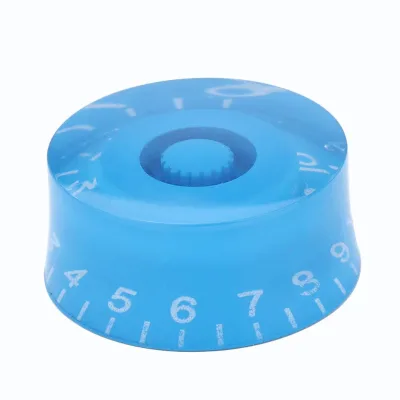
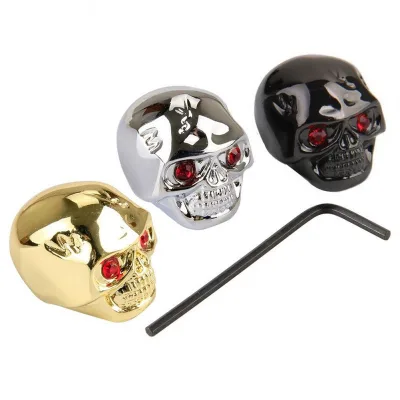
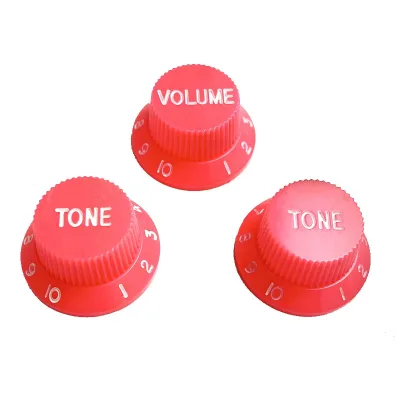
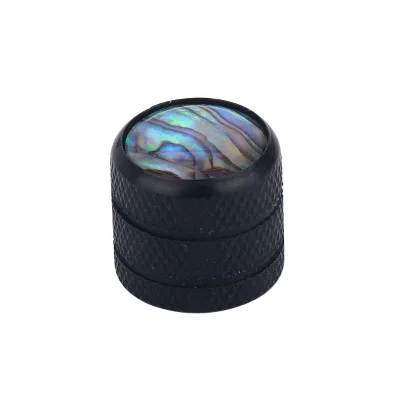
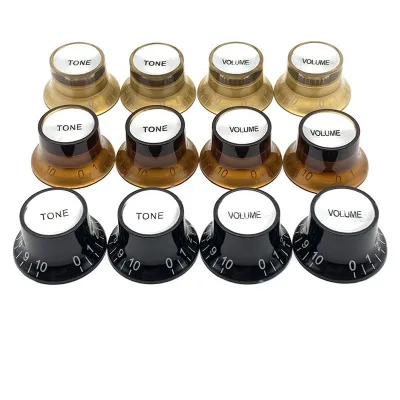
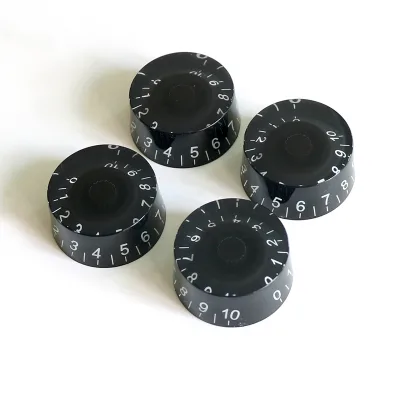
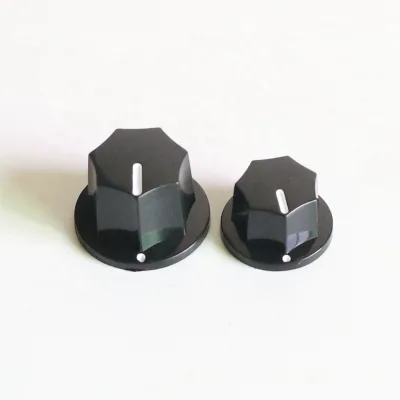
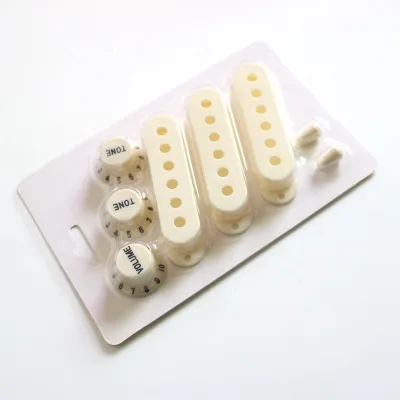
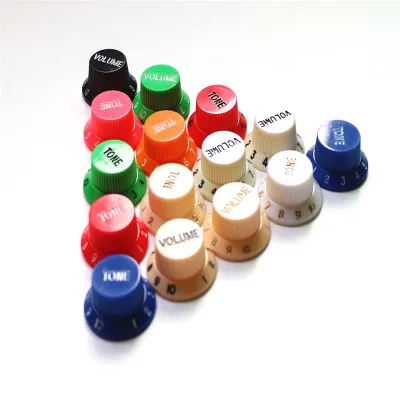
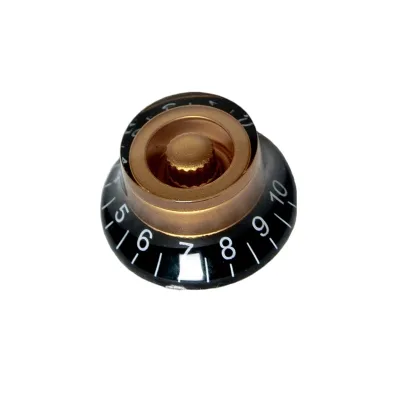
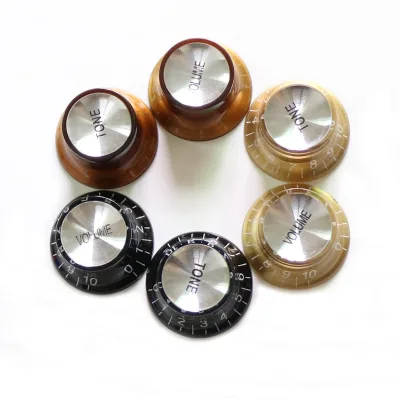
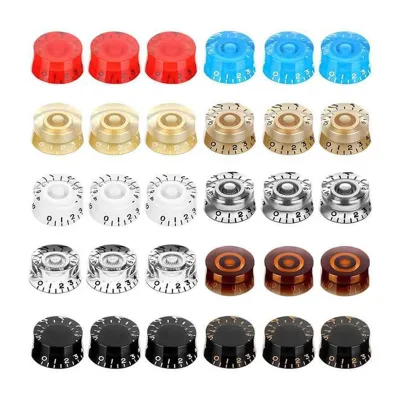
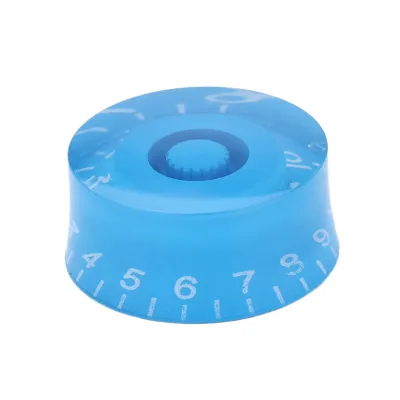
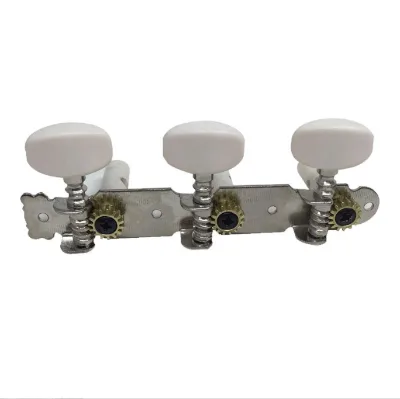

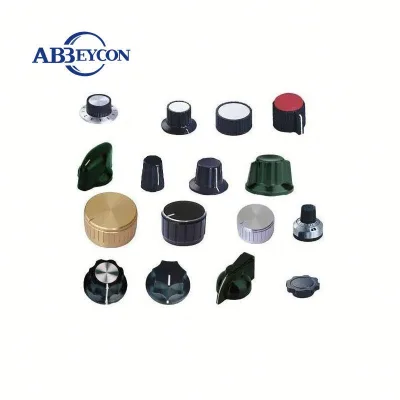
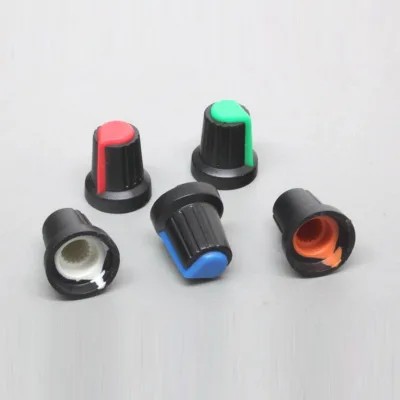
Comprehensive Sourcing Guide
Plastic Electric Guitar Knobs Sourcing Guide
Procuring Plastic Electric Guitar Knobs requires distinguishing between generic components and specialized hardware designed for specific instrument models. The market offers a diverse range of styles, including V/T knobs, dome shapes, and standard "St" configurations, each serving distinct aesthetic and functional needs for guitarists and bassists. Buyers must carefully evaluate the material composition, as listings frequently alternate between plastic and metal variants, which significantly impacts durability and tactile feedback. Understanding these material distinctions is the first step in aligning inventory with the specific requirements of your target customer base.
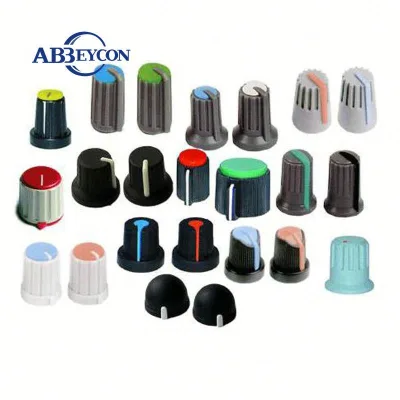
When sourcing these components, attention to detail regarding customization options and color availability is critical for meeting diverse market demands. While some suppliers offer fully customized solutions, others provide fixed options in colors like brown, sky blue, black, and red, or multi-color sets. The presence of specific models such as KB032 or KB039-Black word indicates a structured product line that may simplify inventory management. Buyers should verify whether the supplier can accommodate specific branding needs or if they must rely on existing stock to fulfill orders efficiently.
Product Scope and Observed Listing Signals
The observed product scope reveals a wide variance in pricing and minimum order quantities, ranging from $0.01 to $7.62 per unit with MOQs between 1 and 100 pieces. This broad spectrum suggests a market catering to both small-scale hobbyist repairs and large-volume manufacturing needs. Buyers should analyze the correlation between price points and specific attributes like material type or specialized features such as set screws. Lower-priced items often correspond to standard plastic constructions, while higher costs may reflect metal components or complex packaging requirements.
Listing signals also highlight specific packaging standards that influence logistics and storage planning. Data indicates packing configurations such as 1000 pieces per carton, 500 pieces per carton, or smaller box quantities like 30 or 100 pieces. These variations directly impact shipping costs and warehouse space utilization. Procurement teams must calculate the total landed cost by factoring in these packaging differences, as bulk cartons may offer better unit economics but require significant storage capacity compared to smaller retail-ready boxes.
Technical Specifications to Verify
Technical verification begins with the shaft hole diameter, which is a critical interface dimension for compatibility with guitar potentiometers. Listings show specific measurements such as 6mm and 6.35mm, requiring precise matching to the instrument's shaft specifications. A mismatch in these dimensions can render the knobs unusable without modification, leading to waste and customer dissatisfaction. Buyers must confirm the exact shaft diameter for their target products before placing orders to ensure seamless integration with existing hardware.
Additional dimensional attributes like body diameter, inner diameter, and overall length must also be scrutinized to ensure proper fit and aesthetic proportion. Specifications vary from 15mm to 19.5mm in body diameter and 32mm to 43mm in length, with some models featuring specific tooth counts like 18 teeth for the shaft. These physical characteristics determine the visual profile and mechanical grip of the knob. Procurement teams should request detailed dimension sheets for each model to validate that the physical attributes align with the design requirements of the final assembly.
Compliance and Safety Documentation
Compliance documentation is essential for ensuring that plastic guitar knobs meet international safety and environmental standards. Some listings explicitly reference CE and ROHS certifications, indicating adherence to European safety and hazardous substance restrictions. Buyers should verify the validity of these certifications for all products in their supply chain, as non-compliant materials can lead to regulatory hurdles and market access issues. Confirming that the plastic formulations used are free from prohibited substances is a fundamental step in risk mitigation.
Operating temperature ranges and material safety data are also vital components of the compliance profile. Products are noted to function within a temperature range of -25 to +85 degrees Celsius, which defines their suitability for various environmental conditions. This specification ensures that the knobs will not degrade or become brittle under extreme heat or cold, maintaining their structural integrity during transport and use. Buyers must ensure that the supplier provides test reports or material safety data sheets that corroborate these performance claims to guarantee product reliability.
Cost Drivers and Commercial Terms
Cost drivers for Plastic Electric Guitar Knobs are heavily influenced by material selection, customization levels, and packaging complexity. Metal components generally command higher prices than plastic alternatives, while customized colors or branding add further expense. The availability of customization services allows buyers to tailor products to specific brand identities, but this flexibility often comes with higher unit costs and potentially longer lead times. Understanding these cost variables is crucial for maintaining healthy profit margins while offering competitive pricing to end customers.
Commercial terms regarding minimum order quantities and packing configurations play a significant role in the overall cost structure. Suppliers may offer flexible MOQs starting from a single piece, which is beneficial for testing new designs, but bulk orders often yield better per-unit pricing. The packing density, such as 1000 pieces per carton versus 30 pieces per box, affects shipping efficiency and handling costs. Buyers should negotiate terms that balance inventory investment with cash flow requirements, ensuring that the chosen commercial structure supports their specific business model.
Supplier Qualification and Quality Control
Supplier qualification involves assessing the manufacturing origin and production capabilities to ensure consistent quality and reliability. Many listings indicate origins in Guangdong and Zhejiang, China, regions known for their robust manufacturing ecosystems. Buyers should verify the specific factory locations and production capacity to ensure the supplier can meet demand fluctuations without compromising quality. Establishing a relationship with a supplier that has a proven track record in producing guitar hardware is essential for maintaining product standards.
Quality control measures must be rigorously applied to verify attributes like set screw presence, color consistency, and dimensional accuracy. Some products feature set screws for secure attachment, while others rely on friction fits, requiring different quality checks. Buyers should implement incoming inspection protocols to confirm that the received goods match the specified models, such as KB016-BK or KN-19, and that the color options like blue, green, or red are accurate. Regular audits and sample testing help maintain high standards and prevent defects from reaching the market.
Long-Term Procurement Checks
Long-term procurement success depends on monitoring supplier stability and the consistency of product specifications over time. As product lines evolve, models like KB036 or GN02 may be updated or discontinued, requiring buyers to stay informed about changes in the catalog. Maintaining open communication with suppliers ensures that any modifications to materials, dimensions, or packaging are communicated well in advance. This proactive approach allows for smooth transitions and prevents supply chain disruptions that could affect customer satisfaction.
Continuous evaluation of market trends and customer feedback is necessary to adapt the product assortment effectively. The variety of styles, from dome shapes to V/T knobs, suggests a dynamic market where consumer preferences shift. Buyers should regularly review sales data to identify which models and colors are performing best and adjust their inventory accordingly. By staying agile and responsive to market signals, procurement teams can optimize their product mix and maintain a competitive edge in the guitar hardware sector.
FAQs
What materials are used for Plastic Electric Guitar Knobs?
Plastic Electric Guitar Knobs are primarily manufactured using durable plastic materials. Some variants also incorporate metal components for enhanced structural integrity. These materials ensure longevity and resistance to wear during frequent adjustments. The choice of material affects the tactile feel and visual appeal of the control knobs on guitars and basses.
Can plastic guitar knobs be customized for specific brands?
Yes, customization is available for many plastic guitar knobs. Buyers can often select specific styles, colors, and branding options to match their equipment. Some models offer non-customized standard options for immediate availability. Customization allows for unique aesthetic integration with various guitar and bass pedal designs.
What are the standard shaft hole diameters for these knobs?
Standard shaft hole diameters for these knobs are typically 6mm or 6.35mm. These dimensions ensure compatibility with common potentiometer shafts used in guitars and basses. The inner diameter may vary slightly, such as 12.4mm or 15mm, depending on the specific model. Always verify the shaft hole size to ensure a secure fit on your instrument.
Which styles are available for Plastic Electric Guitar Knobs?
Available styles include V/T knobs, dome shapes, and standard flat tops. These styles cater to different aesthetic preferences and ergonomic needs. Colors range from brown and black to sky blue and red. The variety allows musicians to choose knobs that complement their guitar's finish or pedalboard setup effectively.
What is the typical operating temperature range for these knobs?
The typical operating temperature range for these knobs is -25 to +85 degrees Celsius. This range ensures reliable performance in various environmental conditions. The materials used are selected to withstand thermal expansion and contraction without compromising functionality. This durability makes them suitable for both indoor studio use and outdoor performances.
How are plastic guitar knobs packaged for bulk orders?
Plastic guitar knobs are packaged in cartons or boxes for bulk orders. Common packaging includes 1000 pieces per carton or 100 pieces per box. Some models come in smaller quantities, such as 30 pieces per box. This flexible packaging supports various order sizes, from small batches to large industrial shipments, ensuring safe transport and easy inventory management.