Source Pleated Cotton Girls Suit for School, Play, and Events
Compare 30 listings for Pleated Cotton Girls Suit options featuring short and long sleeves, various sizes, and customization services. Buyers can evaluate materials, packing, and lead times from suppliers in China to find the best fit for school uniforms or casual wear.
Key considerations
Products List


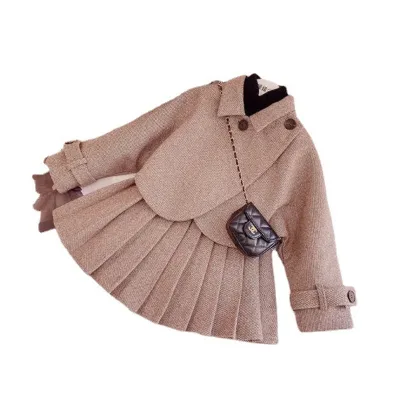


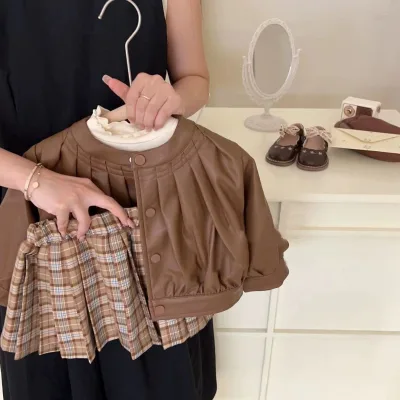
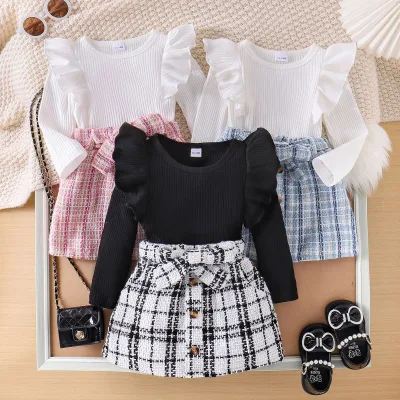
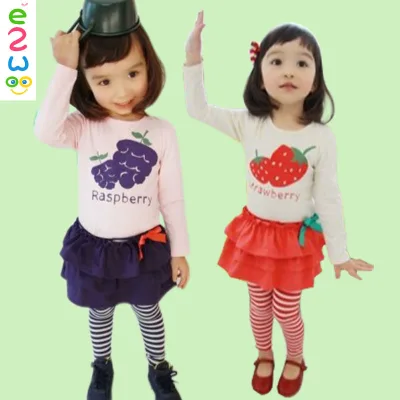
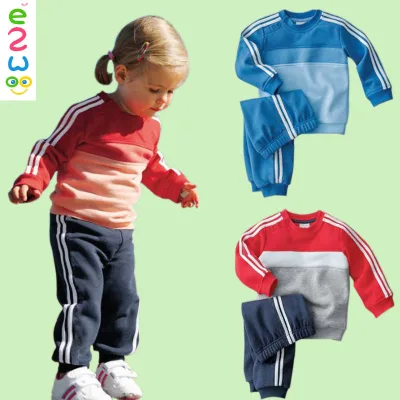


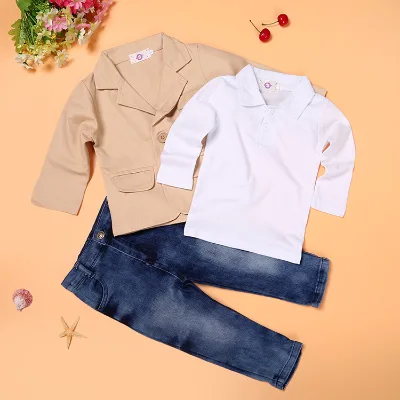
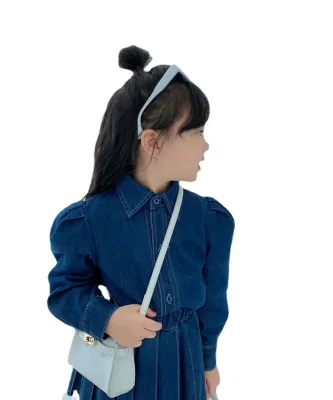
New Fashion Long-Sleeved Jacket and Trousers Two-Piece Girls Denim Suit
$0.50 - $20.00
MOQ: 200 Pieces




Comprehensive Sourcing Guide
Pleated Cotton Girls Suit Sourcing Guide
Buyers evaluating this category must first distinguish between the specific summer-weight cotton suits and the heavier woolen school uniforms that often appear in the same search results. The observed listings confirm the availability of 100% cotton short-sleeved suits designed for the 10-24 month age range, featuring a two-piece construction with a peak lapel collar. These items are explicitly marketed for summer use and casual styles, yet the data also reveals long-sleeved woolen variants intended for school settings, requiring careful filtering to ensure the material matches the intended season and climate.
Procurement teams should verify that the "pleated" attribute aligns with the specific model numbers observed, such as the EYX-05 or EZX series, which are listed as girls' short-sleeved suits. While some entries describe a solid pattern type, others indicate print patterns, meaning the visual design is not uniform across the supply base. Buyers must explicitly request fabric swatches to confirm the woven or worsted texture, as the distinction between cotton and woolen materials directly impacts the garment's breathability, durability, and suitability for the target age group of toddlers to young children.
Product Scope and Observed Listing Signals
The market data indicates a diverse range of product configurations, including both short-sleeved and long-sleeved options that cater to different seasonal needs and institutional requirements. Some listings specify a "Girls' short-sleeved suit" with a two-piece design, while others describe long-sleeved versions with a peak lapel, suggesting that the core keyword often encompasses a broader family of school uniforms rather than a single specific item. Buyers must scrutinize the "Product Type" field to ensure they are sourcing the correct garment style, as the presence of "School Uniform Skirt" in the data suggests that skirt-only options may also be available alongside the full suit sets.
Supply chain signals reveal that customization is widely available, with suppliers offering ODM and OEM services alongside in-stock items. The observed packaging varies significantly, ranging from 2PCS/Set configurations to single items packed in polybags or PP bags, which affects logistics planning and unit cost calculations. Additionally, the available quantity of 5000 units for certain models suggests that bulk orders are feasible, but the MOQ of 200PCS for some items indicates that smaller retailers may face higher per-unit costs or limited selection if they cannot meet these minimum thresholds.
Technical Specifications to Verify
Technical verification must begin with the material composition, as the data explicitly lists both 100% cotton and woolen fabrics within the same search context. Buyers should demand a mill test report or fiber content certificate to confirm the exact blend, ensuring that the fabric meets the required breathability and comfort standards for the 10-24 month age group or older children. The presence of "Worsted" and "Woven" fabric types in the listings further necessitates a physical inspection to determine the thread count and weave density, which are critical for maintaining the pleat structure and preventing shrinkage after washing.
Dimensional accuracy and model consistency are equally critical, as the observed product models include specific codes like EYX-05, EZX-101, and EZX-117, each potentially representing different sizing or design iterations. Buyers must cross-reference the "Model Number" with the "Age" specifications, which range from 90cm to 140cm, to ensure the ordered suits fit the intended demographic. Furthermore, the single package size of 20x20x5 cm and gross weight of 0.500 kg provide baseline data for freight calculations, but these metrics may vary for different models, requiring a request for the specific packing dimensions of the ordered SKU.
Compliance and Safety Documentation
Safety compliance for children's clothing requires strict adherence to chemical and physical safety standards, particularly given the target age group of toddlers and young children. While the provided data mentions OEKO-TEX as a background standard, buyers must not assume certification without requesting valid test reports from the supplier. It is essential to verify that the cotton or woolen fabrics have been tested for harmful substances, such as formaldehyde or heavy metals, and that the dyes used for solid or print patterns meet the relevant safety regulations for the destination market.
Documentation regarding the product origin and manufacturing standards is also vital for risk management, as the listings indicate origins in both Henan and Guangdong, China. Buyers should request a certificate of origin and proof of compliance with the specific standard codes mentioned, such as EZX 114 or EZX 101, to ensure the garments meet the regulatory requirements of the importing country. Additionally, verifying the "Supply Type" as OEM or ODM service helps confirm that the supplier has the necessary quality management systems in place to maintain consistent safety standards across different production batches.
Cost Drivers and Commercial Terms
The commercial landscape for this category is influenced by the choice between in-stock items and customized ODM orders, which significantly impacts the unit price and lead time. The observed price range of 0.5 to 20 USD suggests a wide variance based on material quality, design complexity, and order volume, with woolen suits likely commanding a higher price point than lightweight cotton summer suits. Buyers must negotiate based on the specific model and material, as the cost drivers include the complexity of the pleating process, the type of fabric, and the customization of logos or patterns.
Lead times and sample policies are key commercial terms that affect the overall procurement timeline, with some suppliers offering a 7-day sample order lead time and a 5-7 working day sample time. However, the MOQ of 200PCS for certain items and the available quantity of 5000 units for others create a tiered pricing structure that buyers must navigate. Understanding the "Selling Units" as single items versus sets is crucial for accurate cost modeling, as the 2PCS/Set configuration may offer better value per unit compared to purchasing individual pieces separately.
Supplier Qualification and Quality Control
Supplier qualification should focus on verifying their capability to handle the specific customization requirements, such as logo placement and pattern printing, which are listed as available attributes. Buyers must assess the supplier's production capacity to ensure they can meet the demand for 5000 units without compromising quality, especially when dealing with mixed orders of short-sleeved and long-sleeved suits. The presence of "School Uniform" as a keyword suggests that the supplier may have experience with institutional orders, but this should be confirmed through references or case studies of previous similar projects.
Quality control protocols must be established to address the variability in fabric types and packaging observed in the market. Since the data shows different packing methods, such as 1PC/Polybag or 1 PC/PP Bag, buyers should define clear packaging standards in the purchase agreement to prevent damage during transit. Regular inspections, including pre-production and during-production checks, are necessary to ensure that the pleats are sharp, the stitching is secure, and the final product matches the approved sample, particularly for the 10-24 month age group where fit and comfort are paramount.
Long-Term Procurement Checks
Establishing a long-term partnership requires a commitment to continuous quality monitoring and supply chain transparency, especially given the seasonal nature of the products. Buyers should implement a system for periodic re-verification of material composition and safety standards, as the cotton or woolen fabric quality can degrade over time if the supplier changes their sourcing strategy. Regular audits of the production facility in Henan or Guangdong will help ensure that the manufacturing processes remain consistent and that the supplier continues to meet the required standards for children's clothing.
Strategic planning for future orders should account for the variability in lead times and the potential for supply disruptions, particularly when dealing with customized ODM services. Buyers should maintain a buffer stock of popular models, such as the EYX-05 or EZX series, to mitigate the risk of stockouts during peak seasons. Additionally, fostering a collaborative relationship with the supplier can lead to improvements in design and functionality, ensuring that the pleated cotton girls suits remain competitive and compliant with evolving market trends and regulatory requirements.
FAQs
What materials are used for the girls' suits?
The girls' suits are crafted from 100% cotton and woolen fabrics. The cotton options feature a woven fabric type suitable for summer wear, while woolen variants utilize a worsted fabric type. These materials ensure comfort and durability for children aged 10-24 months, providing breathable options for daily use or school settings.
Can I customize the logo on the suit?
Yes, customization is available for the girls' suits. The logo position is specified as on, allowing for branded designs. The supplier offers ODM and OEM services, enabling buyers to tailor the product to specific brand requirements. This service supports both in-stock items and custom orders for various specifications.
What is the minimum order quantity for these suits?
The minimum order quantity is 200 pieces. This MOQ applies to the school uniform skirts and other related items. Buyers should note that available quantities may vary, with some listings showing up to 5000 units. This threshold ensures efficient production and shipping for bulk orders of the specified girls' suits.
How long does sample order take?
Sample orders are supported with a lead time of 7 days. Additionally, samples typically take 5-7 working days to prepare. This quick turnaround allows buyers to verify quality and specifications before committing to larger orders. The sample process supports both ODM and OEM customization requests for the girls' suits.
Which styles are available for the girls' suits?
Available styles include short-sleeved and long-sleeved suits. Specific models include EYX-05, EZX-101, EZX-117, and EZX 02. Some variants feature a peak lapel collar and a two-piece design. These styles cater to different seasons and preferences, offering solid or print patterns for girls' school uniforms and casual wear.
Where are these girls' suits manufactured?
The girls' suits are made in China, with origins in Henan and Guangdong provinces. This manufacturing location supports the production of various specifications, including cotton and woolen fabrics. Buyers can rely on these established regions for quality control and efficient logistics when sourcing the specified school uniforms and casual suits.