Source Plug and Play LED Tail Lights for trucks, trailers, and cars
Compare 30 verified options for Plug and Play LED Tail Lights designed for trucks, trailers, and cars. Buyers can review specifications like voltage, certifications, and dimensions to find suitable lighting solutions.
Key considerations
Products List

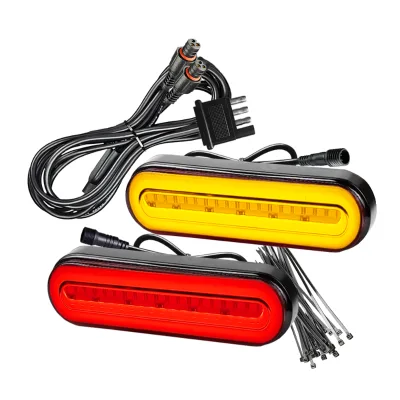


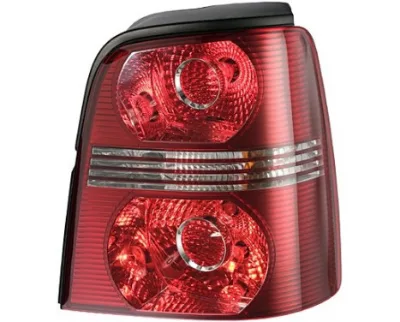


Factory Price 20 * 47mm Decoding LED High-Power Steering Brake Tail Lights
$4.40 - $4.95
MOQ: 300 Pieces


$3.00 - $3.20
MOQ: 800 PCS
Comprehensive Sourcing Guide
Strategic Sourcing Guide for Plug and Play LED Tail Lights
The global automotive aftermarket has witnessed a significant shift toward high-efficiency lighting solutions, with Plug and Play LED Tail Lights emerging as a dominant category for vehicle owners and fleet managers alike. For B2B procurement professionals, sourcing these components requires a nuanced understanding of technical interoperability, regulatory compliance, and supply chain reliability. The term "plug and play" implies a design philosophy where the replacement unit integrates directly with existing vehicle wiring harnesses without the need for external relays, resistors, or complex wiring modifications. However, the market is fragmented, with products varying widely in build quality, certification status, and functional specifications. This guide provides a structured framework for evaluating suppliers and selecting the right LED tail light solutions based on verified product attributes and industry standards.
Technical Specifications and Functional Attributes
When evaluating LED tail lights, the primary technical differentiator lies in the specific functional requirements and physical dimensions of the unit. The supply chain data indicates a diverse range of models, from compact units to larger, heavy-duty configurations. Buyers must first verify the voltage compatibility, as the majority of automotive lighting systems operate on a 12V standard. Deviations from this norm can lead to premature failure or electrical system damage. Furthermore, the light output characteristics are critical. Observed product attributes include specific LED chip configurations, such as the 3570 6-Die chip, which influences brightness and heat dissipation. The luminous flux for high-performance units can reach up to 2000lm, while power consumption is typically rated around 20W.
Color temperature is another vital specification that affects visibility and aesthetic consistency. Available options often include customizable ranges such as 3000K, 4300K, and 6000K. The choice of color temperature impacts the perceived brightness and the ability to cut through adverse weather conditions. Additionally, the physical form factor varies significantly across the market. Some models are designed as 6-inch oval units, while others feature precise dimensions like 1082733mm or 120.634.237.4mm. The base type, such as H5W, must match the vehicle's socket to ensure a true plug-and-play experience. Buyers should also note the installation method; screw installation is a common standard, but the specific mounting hardware and bracket design must align with the vehicle's chassis.
| Attribute Category | Common Specifications Observed | Verification Requirement |
|---|---|---|
| Voltage | 12V | Confirm compatibility with vehicle electrical system |
| LED Chip | 3570 6-Die | Verify chip quality and thermal management |
| Dimensions | 1082733mm, 6" Oval, Dia 99.6mm | Measure against vehicle mounting points |
| Base Type | H5W | Ensure socket match for direct replacement |
| Light Color | Red, Natural White | Match regulatory requirements for rear vs. front |
| Function | Back Position Lamp, Parking Light, Stop Light | Confirm multi-function capability |
Compliance and Certification Verification
In the automotive lighting sector, compliance is not merely a formality but a prerequisite for market access and liability protection. The supply data highlights several key certifications that indicate a product's adherence to safety and quality standards. The DOT (Department of Transportation) certification is a critical marker for products intended for the North American market, ensuring that the lighting intensity and beam pattern meet federal safety regulations. Similarly, the E-mark certification is essential for vehicles operating within the European Union, signifying that the product has passed rigorous type-approval testing.
For manufacturers based in China, additional domestic certifications such as CCC (China Compulsory Certification) are often present. The presence of these marks suggests that the product has undergone specific testing protocols regarding electrical safety and electromagnetic compatibility. However, the mere presence of a certification label on a product listing does not guarantee validity for every batch. Buyers must verify that the certification applies to the specific model number, such as LT109 or LM104, rather than a generic family. Furthermore, the HS code 8512201000 is the standard classification for vehicle lighting equipment, and verifying this code ensures that the product is correctly categorized for import and export procedures.
Cost Drivers and Pricing Dynamics
The pricing structure for LED tail lights is influenced by a complex interplay of factors, including material costs, certification fees, and order volume. The observed price range in the market spans from $0.89 to $110 USD, reflecting the vast disparity between basic replacement bulbs and full assembly units with advanced features. The lower end of the spectrum typically corresponds to single bulbs or simple replacement units with minimal packaging, while the higher end encompasses complete tail light assemblies with complex housing, waterproofing, and multi-function capabilities.
Material composition is a primary cost driver. Units utilizing high-quality LED chips and durable housing materials command a premium. The "Customization" attribute observed in the supply chain suggests that buyers can request tailored solutions, which inevitably increases the unit cost due to tooling and setup expenses. Additionally, the MOQ (Minimum Order Quantity) ranges from 1 to 1000 units, offering flexibility for different procurement strategies. Small buyers may face higher per-unit costs due to the lack of volume discounts, whereas large-scale procurement can leverage economies of scale to reduce the average cost. Buyers should also consider the packaging type; products shipped in cartons versus boxes may have different logistical costs and protection levels, affecting the final landed cost.
Typical Applications and Vehicle Compatibility
The versatility of Plug and Play LED Tail Lights is evident in their broad application across various vehicle types and brands. The supply data lists compatibility with a wide array of manufacturers, including Volkswagen, Mercedes-Benz, BMW, Hyundai, Honda, Toyota, Jeep, Nissan, Ford, and many others. This extensive compatibility suggests that many LED tail lights are designed with universal mounting patterns or are available in specific model kits for popular vehicle lines. The functional attributes, such as "Back Position Lamp," "Parking Light," and "Stop Light," indicate that these units are designed to replace or supplement existing lighting systems in passenger cars, SUVs, and light trucks.
Specific models like the 17574 are noted for their suitability for stop and tail light functions, making them ideal for general replacement scenarios. Other models, such as the LM103, may be tailored for specific trailer applications, given the "LED TRAILER LIGHT" standard designation. The "Shock-Resistant" and "Waterproof" attributes are particularly relevant for off-road vehicles and commercial fleets that operate in harsh environments. Buyers should cross-reference the "Suitable for Car Brands" list with their specific inventory needs. It is crucial to note that while a product may list compatibility with multiple brands, the physical dimensions and electrical connectors must be verified for the specific model year and trim level of the vehicle in question.
Supplier Evaluation and Quality Control
Selecting a reliable supplier is paramount to ensuring consistent product quality and timely delivery. The origin of the products is predominantly China, with specific manufacturing hubs identified in Jiangsu and Zhengjiang. These regions are known for their robust electronics manufacturing ecosystems, but buyers must conduct due diligence to distinguish between high-quality OEM suppliers and lower-tier manufacturers. Key evaluation criteria include the supplier's ability to provide detailed product specifications, their track record with certifications, and their responsiveness to customization requests.
Quality control measures should be a central part of the procurement process. The "Warranty" attribute, ranging from 18 months to 2 years, serves as an indicator of the manufacturer's confidence in their product's durability. A longer warranty period often correlates with higher quality control standards and better after-sales support. Buyers should also inspect the "Resistance" attributes, specifically looking for waterproof and shock-resistant capabilities, which are essential for long-term reliability. The "Light Color" consistency, such as the availability of Red and Natural White options, must be maintained across batches to ensure uniformity in vehicle fleets.
Long-Term Procurement Considerations
Sourcing LED tail lights is not a one-time transaction but a strategic relationship that impacts long-term operational efficiency. The "Customization" availability suggests that suppliers can adapt products to specific client needs, which is valuable for large fleets requiring unique branding or functional specifications. However, customization can introduce lead time variability, and buyers must plan accordingly. The "Standard" attributes, such as specific dimensions like 43.523.535cm or 10410830.5mm, highlight the importance of maintaining consistent specifications to avoid supply chain disruptions.
Buyers should also consider the lifecycle of the product. With LED technology evolving rapidly, future-proofing the supply chain is essential. Products with "Customizable" color temperatures and flux ratings offer greater flexibility as technology advances. Additionally, the "Packing" method, whether carton or box, affects storage and shipping efficiency. For large-scale procurement, optimizing packaging can significantly reduce logistics costs. Finally, maintaining a clear record of certifications and compliance documents is crucial for regulatory audits and insurance purposes. By focusing on these long-term factors, buyers can build a resilient supply chain that supports their operational goals while mitigating risks associated with product failure or non-compliance.
FAQs
What certifications are available for these lights?
Available certifications include DOT, E-mark, and CCC depending on the specific model. Buyers must verify that the certification applies to the exact model number, such as LT109 or LM104, rather than assuming all listed products carry every mark.
Can I customize the color temperature of the lights?
Yes, color temperature is customizable with options like 3000K, 4300K, and 6000K. This feature allows buyers to tailor visibility and aesthetics, though customization may increase unit costs and require specific tooling setup.
Which voltage do these LED tail lights operate on?
The majority of these automotive lighting systems operate on a standard 12V voltage. Deviations from this norm can lead to premature failure, so confirming compatibility with the vehicle electrical system is essential before procurement.
How long is the warranty period for these products?
Warranty periods range from 18 months to 2 years depending on the specific manufacturer and model. A longer warranty often correlates with higher quality control standards and better after-sales support for the buyer.
What is the minimum order quantity for these lights?
The minimum order quantity ranges from 1 to 1000 units, offering flexibility for different procurement strategies. Small buyers may face higher per-unit costs, while large-scale procurement can leverage economies of scale to reduce the average cost.
Where are these products manufactured?
Products originate from China, with specific manufacturing hubs identified in Jiangsu and Zhengjiang. Buyers should conduct due diligence to distinguish between high-quality OEM suppliers and lower-tier manufacturers in these regions.