Source plug-and-play headlight for chrysler 300c for Auto Parts, Upgrades, and Repairs
Find a plug-and-play headlight for chrysler 300c among 30 available listings. Buyers can compare specifications like voltage, wattage, and material across various models including the Chrysler 300 and Pacifica.
Key considerations
Products List
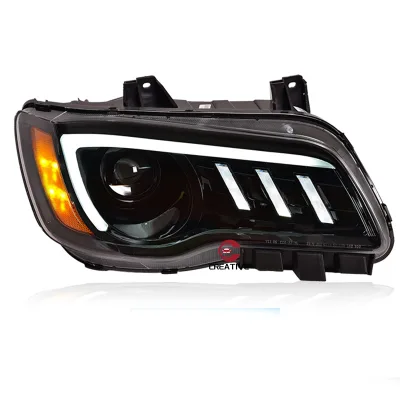

Auto Parts Car Light Headlight Head Lamp Light for Chrysler 300 2005-2010
$23.00 - $27.00
MOQ: 10 Pieces


Auto Spare Part Car Head Lamp Headlight for Chevrolet Traverse 2018-2021 USA
$39.10 - $50.30
MOQ: 10 Pieces
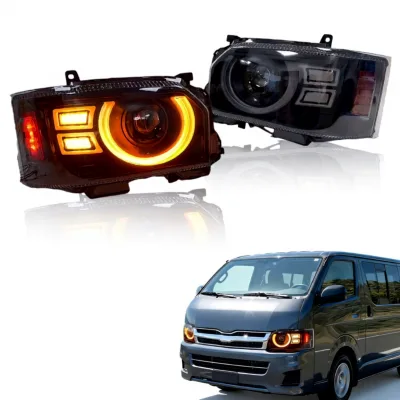
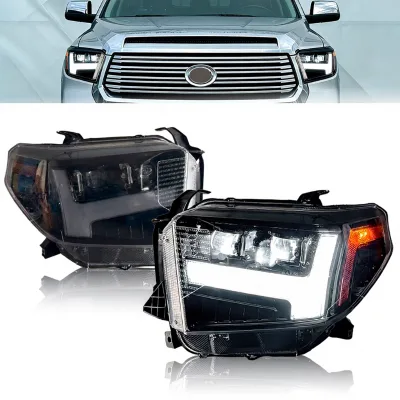
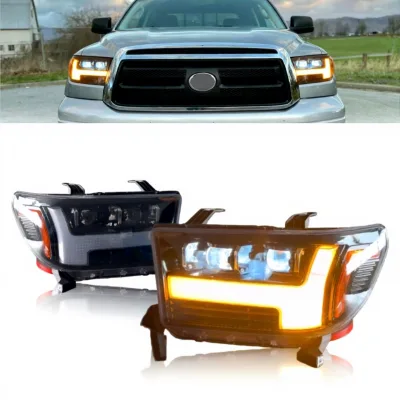
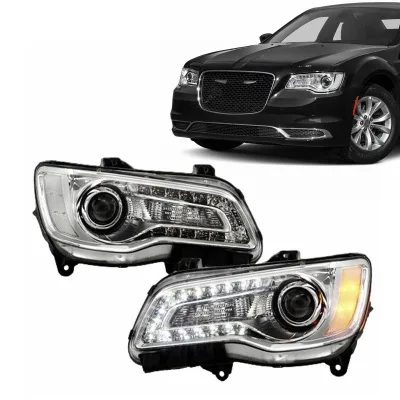
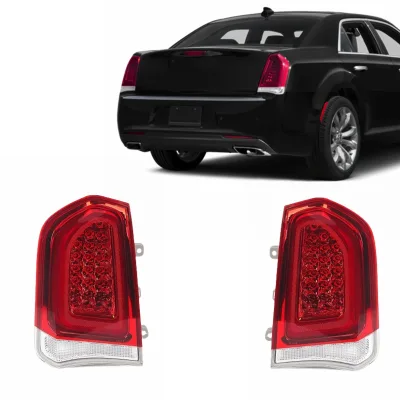


Chrome Halogen Headlight Headlamp for Chevrolet Chevy Trailblazer 2002-2009
$45.36 - $50.66
MOQ: 10 Pieces

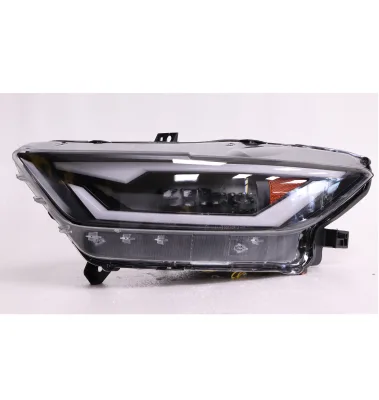
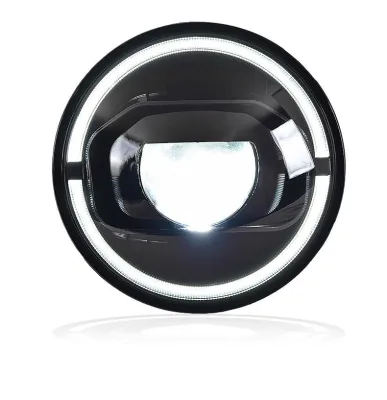

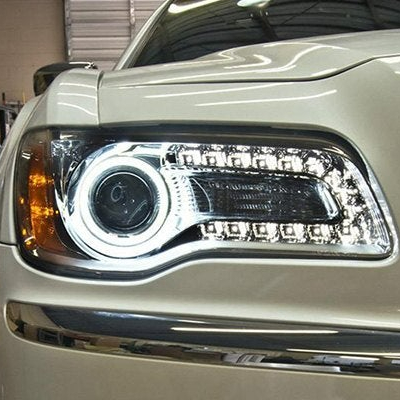
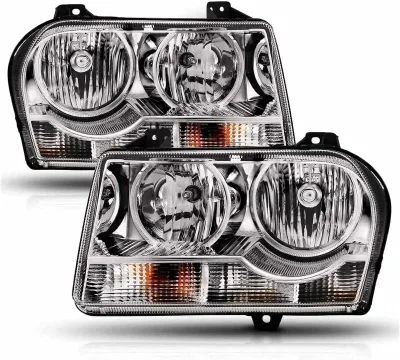
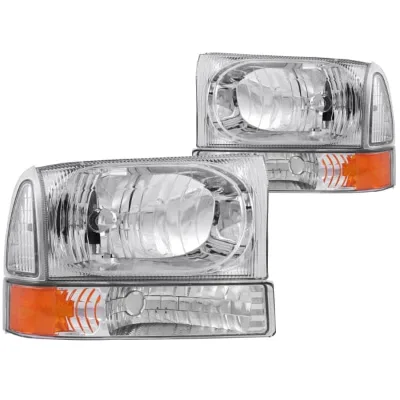
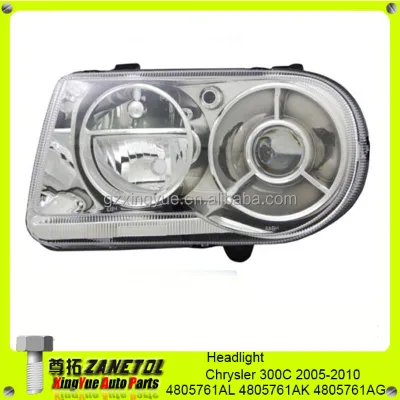


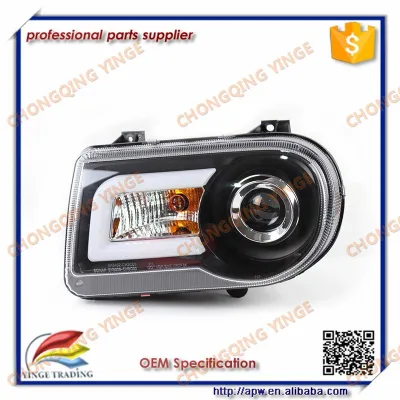
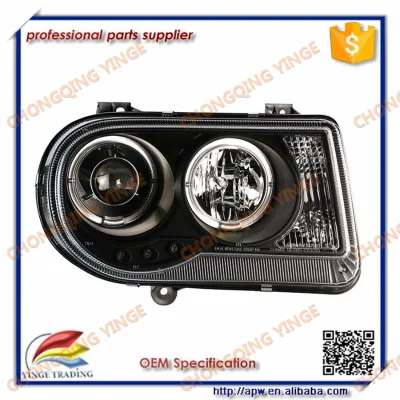
2005-2010 Chrysler 300C Auto LED Headlight With Black Housing Angel Eyes
$220.81 - $231.08
MOQ: 1 Minimum

Comprehensive Sourcing Guide
Strategic Sourcing Guide for Plug-and-Play Headlights for Chrysler 300c
The automotive lighting aftermarket has evolved significantly, with a growing demand for plug-and-play solutions that simplify installation while enhancing vehicle visibility. For buyers sourcing components specifically for the Chrysler 300c, the market presents a complex array of options ranging from traditional halogen replacements to modern LED retrofit kits. This guide provides a disciplined framework for evaluating suppliers and products, grounded in observed market data and essential procurement principles. The focus remains on ensuring that the selected lighting solutions meet the rigorous demands of the automotive industry, particularly regarding fitment, electrical compatibility, and regulatory compliance.
Technical Specifications and Compatibility Analysis
When sourcing headlights for the Chrysler 300c, the primary technical challenge is ensuring exact compatibility with the vehicle's electrical architecture and physical housing. The observed market data indicates a diverse range of specifications that buyers must navigate. A critical observation is the variation in voltage requirements; while many automotive lighting systems operate on a standard 12 V or 12V platform, some listings specify 12 V explicitly, while others may vary. Buyers must verify that the selected unit matches the vehicle's electrical system to prevent damage to the car's wiring harness or the lighting unit itself.
The wattage and lumens output are equally critical performance indicators. In the current supply landscape, products are frequently listed with a rated power of 55 Watts, which aligns with high-performance halogen or LED retrofit standards. However, lumens output can vary significantly; observed data points to units delivering 5000 lumens, a figure that suggests a high-intensity output suitable for modern driving conditions. It is essential to distinguish between the rated power and the actual light output, as higher wattage does not always equate to better visibility if the optical design is inefficient.
Material composition plays a pivotal role in the durability and heat management of the headlight assembly. The market offers products constructed from ABS+PC blends, which provide a robust balance of impact resistance and thermal stability. Conversely, some listings reference Halogen as a material, which typically refers to the bulb type rather than the housing. For a plug-and-play solution, the housing material must be capable of withstanding the heat generated by the bulb, particularly in LED configurations where heat sinks are often integrated. The observed single package size of 76x42x60 cm and a gross weight of 13.000 kg for certain units suggest that these are not standard bulb replacements but rather complete assembly units or large bulk shipments, which impacts logistics planning.
Compliance and Certification Verification
Regulatory compliance is non-negotiable when sourcing automotive lighting, especially for vehicles intended for road use. The presence of DOT (Department of Transportation) certification in the product data is a significant indicator of adherence to safety standards in North America. Buyers must verify that the specific unit they intend to purchase carries valid DOT certification, as this ensures the light distribution pattern meets legal requirements for headlight performance. Without this certification, the product may be illegal for street use, exposing the buyer to liability and potential vehicle inspection failures.
Beyond DOT, the "Standard Size" designation observed in the product attributes suggests that the components are designed to fit standard mounting points without modification. However, buyers should not assume that "Standard Size" implies universal fitment across all model years. The Chrysler 300c was produced over several years, with distinct model years such as 2005-2010 and 2015-2018 potentially requiring different specifications. The observed data lists specific OEM numbers, such as 68284783AA/68284782AA and 68266935AC, which serve as critical verification points. Buyers must cross-reference these OEM numbers with their specific vehicle identification number (VIN) to ensure the replacement part is an exact match.
Furthermore, the "Quality: 100% Tested" attribute indicates that the supplier performs functional checks before shipping. While this is a positive sign, it does not replace the need for independent verification. Buyers should request test reports or certification documents that validate the product's resistance to environmental factors. The observed "Waterproof" and "Shock-Resistant" attributes are essential for longevity, particularly given the exposure headlights face to road debris, moisture, and vibration. These features must be verified through third-party testing data rather than relying solely on supplier claims.
Cost Drivers and Pricing Dynamics
The pricing for automotive lighting components is influenced by a complex interplay of factors, including technology type, material quality, and certification status. The observed price range in the market spans from $2.05 to $750, a wide variance that reflects the difference between simple replacement bulbs and complete headlight assemblies. The lower end of the spectrum likely corresponds to individual bulbs or small components, while the higher end represents full assemblies with integrated electronics and premium materials.
MOQ (Minimum Order Quantity) is another significant cost driver. The observed MOQ range of 1 to 300 units allows for flexibility, enabling buyers to procure single items for testing or small batches for immediate needs, while larger orders may benefit from economies of scale. However, buyers must be cautious of suppliers who offer extremely low prices with high MOQs, as this may indicate compromised quality or counterfeit goods. The "Selling Units: Single item" attribute suggests that some suppliers are willing to sell individual units, which is advantageous for small-scale procurement or replacement scenarios.
Logistics costs also play a substantial role in the total cost of ownership. The observed single gross weight of 13.000 kg for certain packages indicates that shipping heavy headlight assemblies can be expensive. Buyers should factor in freight costs, which can vary significantly based on the origin location, identified as Guangdong, China, and the destination. The "Customization: Available" attribute suggests that some suppliers offer tailored solutions, which may incur additional costs but could be necessary for specific fleet requirements or unique vehicle modifications.
Typical Applications and Fitment Scenarios
The primary application for these lighting components is the retrofit and upgrade of existing vehicle lighting systems. The "Purpose: for retrofit/upgrade" attribute clearly defines the market segment, targeting vehicle owners and fleet managers looking to improve visibility and aesthetics. The "Function: LED" and "Function: Front Position Lamp" attributes indicate that these products are designed to replace or supplement standard lighting, offering enhanced brightness and energy efficiency.
Fitment is a critical consideration for the Chrysler 300c, as the vehicle has been produced in various configurations over the years. The observed data lists specific car models, including "Chrysler 300," "Chrysler Pacifica," and "Chryslert200," suggesting that the same supplier may offer products for multiple Chrysler models. Buyers must ensure that the product is specifically listed for the "300c" model and the correct year range, such as 2005-2010 or 2015-2018. The "Model Number: For Chrysler300c" and "Car Model: 300c" attributes provide specific identifiers that should be used to filter search results and avoid compatibility issues.
Additionally, the "Light Color: Cool White" and "Color Temperature: 5500k" attributes indicate that the products are designed to produce a bright, white light that mimics daylight. This is a popular choice for modern vehicles, offering better contrast and reduced eye strain compared to traditional yellow-tinted halogen bulbs. However, buyers should verify that the color temperature complies with local regulations, as some jurisdictions have strict limits on the color of headlights to prevent glare for oncoming drivers.
Supplier Evaluation and Quality Assurance
Evaluating suppliers requires a systematic approach that goes beyond price and product listings. The "Place of Origin: Guangdong, China" and "prod_origin: China" attributes confirm that the majority of these products are manufactured in China, a major hub for automotive lighting production. Buyers should verify the supplier's manufacturing capabilities, including their quality control processes and production capacity. The "Quality: 100% Tested" attribute is a strong indicator of a supplier's commitment to quality, but it should be supported by detailed quality assurance protocols.
Suppliers offering "Customization: Available" services demonstrate flexibility and a willingness to meet specific buyer requirements. This can be particularly valuable for fleet operators or specialized applications where standard products may not suffice. However, customization often involves longer lead times and higher costs, so buyers must balance these factors against their procurement timeline. The "Warranty: 12 Months" attribute provides a baseline level of protection for buyers, ensuring that they have recourse in case of defects or premature failure.
When evaluating suppliers, buyers should also consider the "Resistance: Waterproof" and "Resistance: Shock-Resistant" attributes as key indicators of product durability. These features are essential for automotive lighting, which must withstand harsh environmental conditions. Buyers should request evidence of these claims, such as IP rating certifications or test results, to ensure that the products meet the required standards.
Long-Term Procurement Considerations
Sourcing automotive lighting is not a one-time transaction but an ongoing process that requires careful planning and relationship management. The "Warranty: 12 Months" term suggests that buyers should factor in the potential for replacements or repairs over the long term. A reliable supplier should offer responsive customer support and a clear process for handling warranty claims.
Inventory management is another critical aspect of long-term procurement. The "Selling Units: Single item" and "Packing: Box" attributes indicate that products are typically packaged for individual sale, which simplifies inventory tracking. However, buyers should consider the "Single package size" and "Single gross weight" when planning storage and logistics, as these factors can impact warehousing costs and shipping efficiency.
Finally, buyers should stay informed about changes in regulations and technology. The automotive lighting industry is rapidly evolving, with new standards and technologies emerging regularly. By maintaining a close relationship with suppliers and staying updated on industry trends, buyers can ensure that their procurement strategies remain effective and compliant with current requirements. The "OEM: To2502137" and "OEM No: 68266935AC" attributes highlight the importance of staying aligned with original equipment manufacturer standards to ensure compatibility and performance.
FAQs
What voltage do these headlights operate on?
These headlights operate on a standard 12 V or 12V electrical system. Buyers must verify that the selected unit matches the vehicle's specific electrical architecture to prevent damage to the wiring harness.
Which certifications ensure road legality for these lights?
DOT certification is a critical indicator of adherence to North American safety standards. Without valid DOT certification, the product may be illegal for street use and fail vehicle inspections.
Can I find custom options for these headlight assemblies?
Yes, customization is available for specific fleet requirements or unique vehicle modifications. However, buyers should note that custom orders often involve longer lead times and potentially higher costs.
How long is the warranty period for these units?
The standard warranty period provided is 12 months for these lighting components. This baseline protection ensures recourse in case of defects or premature failure after the purchase.
What material is used for the headlight housing?
The housing is constructed from a durable ABS+PC blend for impact resistance and thermal stability. Some listings reference Halogen, which typically refers to the bulb type rather than the housing material.
Which OEM numbers match the Chrysler 300c models?
Specific OEM numbers like 68284783AA/68284782AA and 68266935AC serve as critical verification points. Buyers must cross-reference these numbers with their vehicle identification number to ensure an exact fit.