Source Plus Size Straight Leg Jeans for retail, wholesale, and custom orders
Compare 30 listings of Plus Size Straight Leg Jeans featuring styles like high waist and loose fits. Buyers can evaluate materials including denim and polyester cotton denim, along with size ranges from XS to 8XL and various decorative methods.
Key considerations
Products List


Flare Jeans Baggy Straight Leg Bell Bottom Trouser Plus Size Custom Jeans
$13.80 - $16.50
MOQ: 100 Pieces

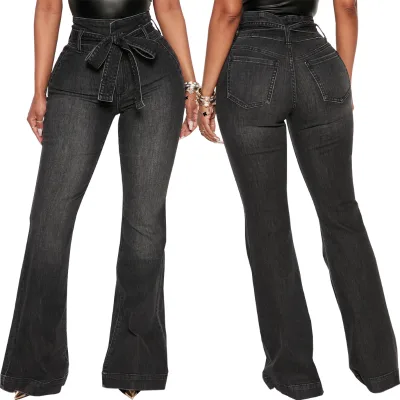
OEM Custom Elasticity Belt Plus Size Denim Pants High Quality Flared Wide Leg Women's Jeans
$12.40 - $15.50
MOQ: 200 pieces


Fashion High Waist Plus Size Pocket Straight Wide Leg Jeans for Women Denim Trousers
$7.70 - $8.10
MOQ: 300 Pieces


Comprehensive Sourcing Guide
Strategic Sourcing Guide for Plus Size Straight Leg Jeans
The global market for Plus Size Straight Leg Jeans has evolved from a niche segment into a critical category for B2B retailers and wholesalers seeking inclusive sizing and durable denim. Sourcing this specific product requires a disciplined approach that balances technical specifications, material integrity, and supply chain reliability. Buyers must navigate a landscape where "plus size" is defined by a wide range of standard measurements, and "straight leg" dictates the silhouette and fit. This guide provides a comprehensive framework for evaluating suppliers and products based on verified attributes, ensuring that procurement decisions are grounded in factual data rather than marketing assertions.
Technical Specifications and Material Composition
The foundation of a successful procurement strategy lies in understanding the precise technical specifications of the product. For Plus Size Straight Leg Jeans, the material composition is paramount. The observed product data indicates a prevalence of "Denim" and "Stretch Denim" as primary materials, with specific instances of "Polyester Cotton Denim" blends. This variation is critical for buyers to verify, as the inclusion of polyester often enhances durability and reduces shrinkage, while cotton provides breathability. The "Stretch" attribute is particularly relevant for plus size garments, as it ensures comfort and mobility without compromising the structural integrity of the straight leg cut.
The sizing standards observed in the supply base vary significantly, reflecting the diverse nature of the plus size market. Some suppliers offer a standard range of S, M, L, XL, 2XL, 3XL, 4XL, and 5XL, while others extend the range up to 8XL, including sizes like 6XL, 7XL, and 8XL. This indicates that buyers must explicitly define their target demographic before engaging with a supplier. The product models identified, such as 020A1-003, 020A1-036, and 467, serve as unique identifiers for specific cuts and fits. Buyers should request detailed size charts for each model, as the "Straight" style may vary in thigh width and knee taper even within the same product line.
Furthermore, the construction details are essential for quality assessment. The data highlights specific processes such as "Machine-embroidered" decorative methods and "Washed" finishes. The "Washed" process is a key differentiator, affecting the hand feel and color consistency of the denim. Buyers should verify if the washing process is consistent across batches, as variations can lead to color mismatch in large orders. The "Regular" thickness specification suggests a mid-weight denim suitable for year-round wear, though the "Spring / Autumn" and "Summer" seasonal attributes indicate that some variants may be lighter weight.
Design Attributes and Aesthetic Variations
Aesthetic consistency is a major driver of consumer satisfaction in the denim sector. The observed product attributes reveal a diverse palette, including "Black," "Gray," "Light Blue," and "Indigo Blue," alongside unique "Dyed Color" options like "Rust." This variety allows buyers to curate collections that cater to different fashion trends. However, the presence of "Solid" pattern types and specific decorative methods like "Patch" and "Spliced" designs requires careful quality control.
The "High Waist" style is a dominant feature in the observed data, which aligns with current fashion trends for plus size apparel. This cut is often preferred for its flattering silhouette and comfort. The "Straight" leg style, combined with the "High Waist," creates a classic, timeless look that appeals to a broad demographic. Buyers must ensure that the "Straight" cut is maintained throughout the garment's length, as deviations can alter the intended silhouette.
Color consistency is another critical factor. The "Dyed Color" attribute, such as "Indigo Blue" or "Rust," suggests that some products may undergo specific dyeing processes that differ from standard indigo washing. Buyers should verify the color fastness of these dyed colors, especially for "Rust" or "Indigo Blue" variants, to prevent fading after repeated washing. The "Color Sprayed" decorative method indicates a potential for unique visual effects, but this process must be evaluated for durability and adherence to safety standards regarding chemical usage.
Sizing Standards and Fit Verification
The complexity of plus size sizing necessitates a rigorous verification process. The data shows a wide spectrum of size standards, ranging from XS to 8XL. This variability means that a supplier claiming to offer "plus size" may have a limited range in one category while offering an extensive range in another. Buyers must cross-reference the supplier's size chart with their own target market requirements.
The "Size" specification in the data includes specific listings like "L" and "2 XL,Xl,S,M,L," indicating that some suppliers may use non-standard sizing notations. This inconsistency can lead to fulfillment errors if not clearly communicated. To mitigate this, buyers should request physical samples of the full size range to verify the fit. The "Medium Elasticity" attribute is a crucial specification for plus size jeans, as it ensures the garment stretches to accommodate different body shapes without losing its shape.
Additionally, the "prod_standard" attribute often lists size ranges rather than a single size, such as "S, M, L, XL, 2XL, 3XL, 4XL." This suggests that the standard is a set of available sizes rather than a specific measurement. Buyers should clarify whether the supplier offers custom sizing options, as the "Customization: Available" attribute confirms that many suppliers are open to modifying size charts. This flexibility is essential for brands with specific fit requirements that deviate from standard industry norms.
Cost Drivers and Pricing Dynamics
Understanding the cost drivers for Plus Size Straight Leg Jeans is essential for budgeting and margin analysis. The observed price range of 0.5 to 60 USD reflects a vast disparity in product quality, material composition, and production complexity. The lower end of the spectrum likely corresponds to basic "Polyester Cotton Denim" blends with minimal finishing, while the higher end may include premium "Stretch Denim," complex "Machine-embroidered" details, and specialized "Washed" finishes.
The MOQ (Minimum Order Quantity) range of 1 to 500 units further influences the cost structure. Suppliers with lower MOQs may charge a premium per unit due to the overhead of handling smaller batches. Conversely, suppliers with higher MOQs may offer more competitive pricing but require larger capital investment. Buyers must balance their inventory needs with their cash flow constraints. The "Single Pack" and "OPP Bag" packaging options also contribute to the overall cost, as specialized packaging may be required for retail presentation.
Material costs are a significant driver, with "Denim" and "Stretch Denim" being more expensive than basic cotton blends. The "Washed" process and "Machine-embroidered" details add labor costs, which can vary depending on the complexity of the design. Buyers should request a detailed cost breakdown from suppliers to understand how these factors impact the final price. Additionally, the "prod_packing" dimensions, such as "30X26X6 Cm," affect shipping costs, which should be factored into the total landed cost calculation.
Supplier Evaluation and Origin Verification
Evaluating suppliers requires a focus on their location and production capabilities. The data indicates that products originate from "Guangdong," "Guangzhou," and "China." These regions are known for their robust denim manufacturing infrastructure, but buyers should verify the specific factory's capacity and reputation. The "Elasticity" and "Weaving Process" attributes provide insight into the supplier's technical capabilities, but physical audits or third-party inspections are recommended to confirm these claims.
The "prod_standard" attribute, which includes "no" for some entries, suggests that not all products may adhere to a specific international standard. Buyers should verify if the supplier has certifications for quality management, environmental compliance, and labor practices. The "Customization: Available" attribute is a positive indicator of supplier flexibility, but buyers should assess the lead time and cost implications of custom orders.
Supplier reliability is also influenced by their ability to meet delivery schedules. While specific lead times are not provided in the data, the "prod_packing" and "prod_model" details suggest a structured production process. Buyers should establish clear communication channels and request production timelines to ensure timely delivery. The "Single Pack" and "Sack" packaging options indicate different levels of protection during transit, which can impact the condition of the goods upon arrival.
Quality Control and Long-Term Procurement
Quality control is the final pillar of a successful sourcing strategy. Buyers must implement a rigorous inspection process to ensure that the "Straight" leg cut, "High Waist" style, and "Stretch" material meet the specified requirements. The "Machine-embroidered" and "Spliced" decorative methods require close inspection to ensure they are securely attached and free from defects. The "Washed" finish should be checked for consistency in color and texture.
Long-term procurement considerations involve building a relationship with suppliers who can scale with the buyer's growth. The "Customization: Available" attribute suggests that suppliers are willing to adapt to changing market needs, but buyers should formalize these agreements in contracts. The "prod_model" variations indicate that suppliers have a diverse product portfolio, which can be leveraged for future product expansion.
Buyers should also consider the environmental impact of their sourcing decisions. The "Washed" process and "Dyed Color" attributes may involve chemical usage, so verifying compliance with environmental standards is crucial. The "prod_origin" location can also influence the carbon footprint of the supply chain, so buyers should evaluate the logistics of shipping from "Guangdong" or "Guangzhou" to their distribution centers.
Comparative Analysis of Product Attributes
To facilitate decision-making, the following table summarizes the key attributes observed in the supply base:
| Attribute Category | Observed Values | Procurement Implication |
|---|---|---|
| Material | Denim, Stretch Denim, Polyester Cotton Denim | Verify stretch percentage and blend ratio for comfort and durability. |
| Size Range | S to 8XL (varies by model) | Confirm specific size chart; request samples for full range. |
| Style | High Waist, Straight, Loose | Ensure "Straight" cut is consistent; verify "High Waist" fit. |
| Color | Black, Gray, Light Blue, Indigo Blue, Rust | Check color fastness; verify dyeing process for consistency. |
| Process | Machine-embroidered, Washed, Color Sprayed | Inspect embroidery quality; verify wash consistency. |
| Origin | Guangdong, Guangzhou, China | Assess logistics costs; verify factory certifications. |
| Packaging | Single Pack, OPP Bag, Sack | Confirm packaging protects goods during transit. |
| Customization | Available | Negotiate terms for custom sizing or design changes. |
This comparative analysis highlights the diversity of the supply base and the need for careful evaluation. By focusing on these key attributes, buyers can make informed decisions that align with their brand values and market requirements.
Conclusion
Sourcing Plus Size Straight Leg Jeans requires a meticulous approach that balances technical specifications, aesthetic preferences, and supply chain reliability. The observed data reveals a vibrant market with diverse materials, sizing options, and design features. Buyers must leverage this information to select suppliers who can deliver high-quality products that meet their specific needs. By focusing on material integrity, sizing accuracy, and quality control, buyers can build a robust supply chain that supports long-term growth and customer satisfaction. The flexibility of suppliers in offering customization and a wide range of sizes provides a strong foundation for successful procurement strategies in this dynamic market.
FAQs
What materials are used for Plus Size Straight Leg Jeans?
The primary materials observed are Denim, Stretch Denim, and Polyester Cotton Denim blends. These materials offer varying levels of durability and comfort, with stretch denim providing essential mobility for plus size fits while polyester cotton blends enhance structural integrity.
Which size ranges are available for these straight leg jeans?
Available size standards range from XS to 8XL depending on the specific product model. Some listings offer standard sizes like S through 5XL, while others extend to 6XL, 7XL, and 8XL to accommodate diverse plus size demographics.
Can buyers customize the sizing for these denim pants?
Yes, customization is available for many of the listed products. Buyers can request modifications to size charts or specific fit requirements, provided they coordinate directly with the supplier to ensure the straight leg style and high waist features are maintained.
How are the jeans packaged for shipment from China?
Packaging options include Single Pack, OPP Bag, and Sack configurations. Specific dimensions like 30x26x6 cm are noted for certain models, ensuring protection during transit from origins in Guangdong and Guangzhou to international destinations.
What decorative methods are applied to these denim pants?
Common decorative methods include Machine-embroidered details, Patch designs, Spliced elements, and Color Sprayed finishes. These processes add aesthetic variety but require quality checks to ensure durability and consistent application across the garment.
Which colors are offered for the Plus Size Straight Leg Jeans?
Observed colors include Black, Gray, Light Blue, Indigo Blue, and Rust. The variety allows for diverse collection curation, though buyers should verify color fastness, especially for dyed options like Indigo Blue and Rust to prevent fading.
What is the elasticity level of the plus size denim?
The observed elasticity is classified as Medium Elasticity. This feature is crucial for plus size garments as it ensures the straight leg cut accommodates different body shapes comfortably without losing its structural shape during wear.