Source Plus Size Modern Design Abaya for Retail, Events, and Daily Wear
Explore 30 options for Plus Size Modern Design Abaya, featuring OEM services and various print methods. Compare specifications like polyester blends, sizes from XS to XXXL, and customization capabilities to find suitable wholesale garments for your inventory needs.
Key considerations
Products List
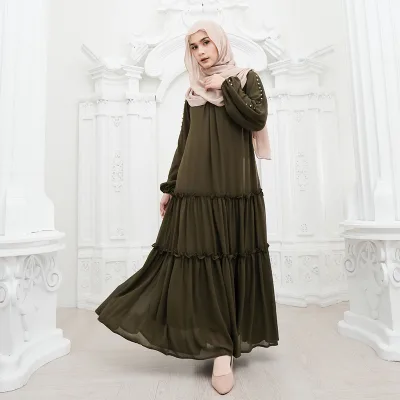
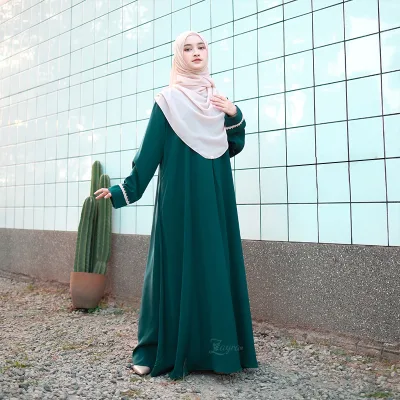
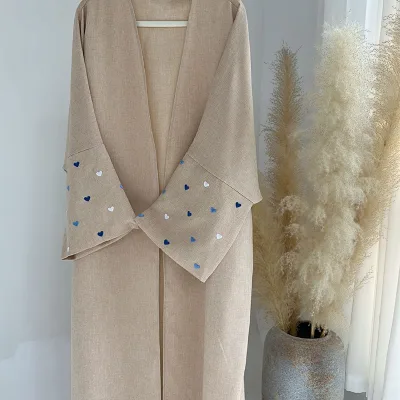


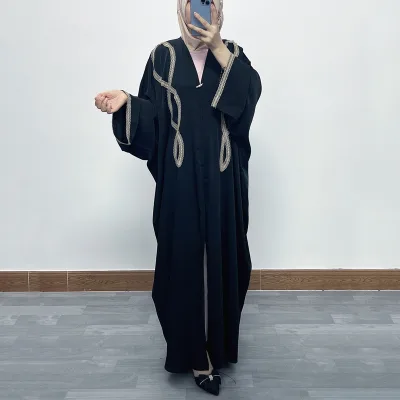


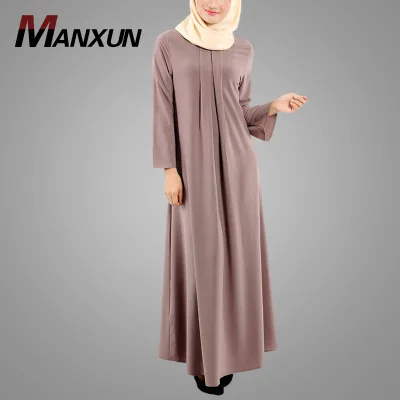
Newest Abaya Muslim Custom Clothing Stylish Large Moderate Embroidery Abaya
$13.30 - $14.00
MOQ: 10 Pieces

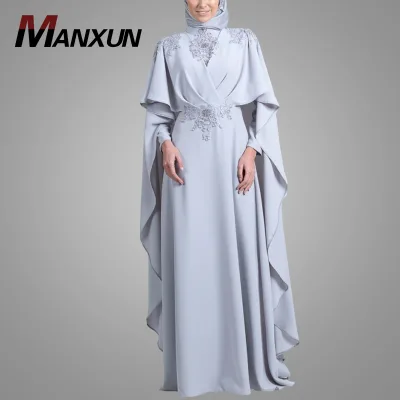
New Arrival High Quality Fabric Embroidery Abaya Elegant Muslim Dress Modest Abaya
$13.50 - $16.00
MOQ: 10 Pieces


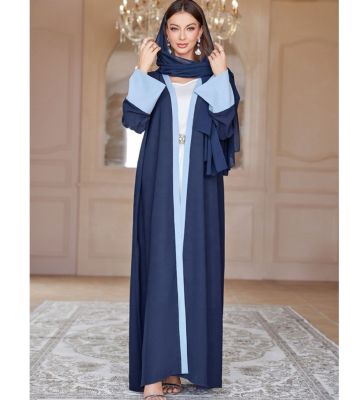
Custom Plus Size Abaya Dress with Loose Sleeve for Comfortable Islamic Women Clothing
$9.50 - $16.50
MOQ: 100 Pieces


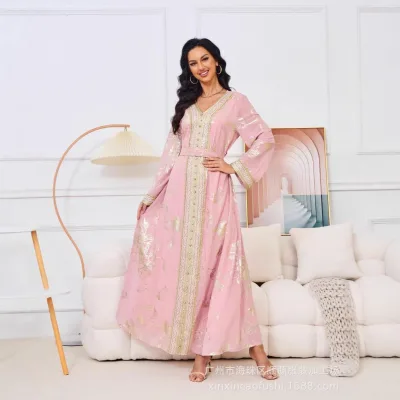
Private Label Loose Fit Kaftan Abaya Dress with Embroidery for Plus Size Muslim Women
$9.50 - $16.50
MOQ: 100 Pieces

Custom Party Abaya Muslim Dress Fashion Style Islamic Clothing Custom Design
$9.50 - $16.50
MOQ: 100 Pieces

OEM Front Zipper Abaya Dress with Practical Design for Daily Muslim Women Clothing
$9.50 - $16.50
MOQ: 100 Pieces

Custom Silk Abaya Muslim Dress Luxury Fabric Islamic Clothing Custom Size
$9.50 - $16.50
MOQ: 100 Pieces


Comprehensive Sourcing Guide
Plus Size Modern Design Abaya Sourcing Guide
Sourcing plus size modern design abayas requires a nuanced understanding of both aesthetic trends and functional garment construction. The modern abaya market has evolved from traditional loose-fitting garments to structured, fashion-forward pieces that cater to contemporary style preferences while maintaining modesty standards. Buyers must recognize that "modern design" often implies specific tailoring techniques, such as tailored sleeves, defined waistlines, or unique hemlines, which differ significantly from standard loose-cut abayas. This distinction is critical when evaluating supplier capabilities, as not all manufacturers possess the technical expertise to execute complex modern silhouettes without compromising fit or comfort.
The plus size segment adds another layer of complexity, requiring suppliers to have robust grading systems and pattern-making skills that accommodate a wide range of body types. Sizing consistency is a common pain point in the apparel industry, and plus size garments are particularly susceptible to fit issues if the base patterns are not properly scaled. Buyers should prioritize suppliers who demonstrate experience in inclusive sizing, ensuring that their size charts reflect accurate measurements for XS through XXXL ranges. This focus on inclusive sizing not only expands the potential customer base but also reduces return rates associated with poor fit, which is a significant cost driver in e-commerce and retail distribution.
Product Scope and Observed Listing Signals
The current market landscape for plus size modern abayas shows a diverse range of product offerings, with observed listings indicating a price range of $3.80 to $37.58 USD. This wide variance suggests that buyers will encounter products at various quality tiers, from basic polyester blends to more premium fabrics with intricate detailing. The minimum order quantity (MOQ) ranges from 1 to 500 pieces, with many suppliers offering low MOQs to accommodate small businesses and startups. This flexibility allows buyers to test market demand with minimal upfront investment, although lower MOQs may come with higher per-unit costs. Understanding this pricing and volume structure is essential for developing a realistic procurement budget and inventory strategy.
Observed product attributes highlight a strong emphasis on customization and branding opportunities. Many suppliers offer OEM services, allowing buyers to customize logos, packaging, and even design elements to align with their brand identity. The use of materials such as polyester and polyester/spandex blends is prevalent, offering durability, ease of care, and cost-effectiveness. Additionally, print methods like digital printing, silk screen printing, and embossing are commonly available, enabling buyers to add unique visual elements to their abaya designs. These customization options are particularly valuable for brands looking to differentiate themselves in a competitive market, but they also require careful coordination with suppliers to ensure quality consistency across production runs.
Technical Specifications to Verify
When evaluating technical specifications, buyers must pay close attention to fabric composition and weight, as these factors directly impact the drape, comfort, and longevity of the abaya. Polyester and polyester/spandex blends are common, with spandex adding elasticity for a better fit, especially in plus size garments. Buyers should verify the exact percentage of spandex to ensure adequate stretch and recovery, which is crucial for maintaining the shape of the garment over time. Additionally, the weight of the fabric, often indicated by grams per square meter (GSM), should be considered to ensure it is suitable for the intended climate and season. Lighter fabrics may be preferred for warmer climates, while heavier blends offer more structure and warmth.
Sizing and fit specifications are another critical area for verification. Buyers should request detailed size charts that include measurements for bust, waist, hip, and length, rather than relying solely on standard size labels. This is particularly important for plus size abayas, where fit variations can be significant. The observed size ranges, from XS to XXXL, indicate a broad inclusivity, but buyers must confirm that the grading between sizes is consistent and proportional. Furthermore, details such as sleeve style, hemline design, and closure types should be clearly defined in the product specifications to avoid misunderstandings during production. Clear communication of these technical details ensures that the final product meets the buyer’s quality and fit expectations.
Compliance and Safety Documentation
Compliance and safety documentation are non-negotiable aspects of sourcing abayas, particularly for markets with strict regulatory requirements. Buyers must ensure that their suppliers provide relevant certifications and test reports that verify the safety and quality of the materials used. While specific certification statuses may vary by supplier, buyers should proactively request documentation for fabric safety, such as OEKO-TEX or similar standards, which confirm that the textiles are free from harmful substances. This is especially important for garments that come into direct contact with the skin, as it protects both the end consumer and the brand from potential liability issues.
In addition to material safety, buyers should verify that their suppliers adhere to labor standards and ethical manufacturing practices. This includes ensuring that the production facilities comply with local labor laws and international ethical standards, such as those set by the Fair Labor Association or similar bodies. Buyers may request social compliance audits or certifications to verify that their suppliers maintain safe working conditions, fair wages, and reasonable working hours. These efforts not only mitigate reputational risk but also align with the growing consumer demand for ethically produced fashion. Transparent supply chains and verified compliance documentation are key to building trust with consumers and stakeholders.
Cost Drivers and Commercial Terms
Several factors influence the cost of plus size modern abayas, with fabric quality, design complexity, and order volume being primary drivers. Higher-quality fabrics, such as those with a higher spandex content or premium finishes, will naturally cost more. Similarly, designs that involve intricate printing, embroidery, or custom tailoring will increase production costs. Buyers should carefully balance these factors against their target retail price to ensure profitability. Understanding the cost structure allows buyers to negotiate more effectively with suppliers and make informed decisions about which features to prioritize in their product offerings.
Commercial terms, including payment terms, shipping methods, and lead times, also play a significant role in the overall cost of procurement. Suppliers may offer various payment options, such as T/T, L/C, or PayPal, each with different implications for cash flow and risk. Lead times can vary based on order size and complexity, with sample orders typically taking around seven days, while bulk production may take longer. Buyers should negotiate clear terms regarding shipping responsibilities, such as FOB or CIF, to avoid unexpected costs. Additionally, understanding the supplier’s return and refund policies is essential for managing risks associated with defective or non-conforming goods.
Supplier Qualification and Quality Control
Supplier qualification is a critical step in ensuring the reliability and quality of plus size modern abayas. Buyers should conduct thorough due diligence on potential suppliers, verifying their business licenses, production capacity, and past performance. Requesting references or case studies from previous clients can provide valuable insights into the supplier’s reliability and quality standards. Additionally, buyers should assess the supplier’s ability to handle custom orders and their responsiveness to communication, as these factors are crucial for a smooth procurement process. A qualified supplier will demonstrate transparency, professionalism, and a commitment to meeting the buyer’s requirements.
Quality control measures should be established early in the procurement process to minimize the risk of defects and inconsistencies. Buyers should implement a robust quality control plan that includes pre-production samples, in-line inspections, and final random inspections. Pre-production samples allow buyers to verify that the supplier understands the design specifications and can produce the garment to the required standards. In-line inspections help identify and address issues during production, while final random inspections ensure that the finished goods meet the agreed-upon quality criteria. Clear quality standards and inspection protocols should be documented and communicated to the supplier to ensure alignment and accountability.
Long-Term Procurement Checks
Long-term procurement success depends on establishing strong, collaborative relationships with suppliers and continuously monitoring performance. Buyers should conduct regular performance reviews to assess the supplier’s adherence to quality, delivery, and communication standards. These reviews provide an opportunity to address any issues, provide feedback, and identify areas for improvement. Building a partnership based on mutual trust and transparency can lead to better pricing, priority production, and improved service levels over time. Buyers should also stay informed about industry trends and technological advancements to ensure that their sourcing strategies remain competitive and relevant.
Continuous improvement and innovation are key to maintaining a competitive edge in the plus size modern abaya market. Buyers should encourage their suppliers to invest in new technologies, materials, and design capabilities that can enhance product quality and efficiency. This may include adopting sustainable practices, such as using eco-friendly fabrics or reducing waste in production. Additionally, buyers should explore opportunities for product diversification, such as introducing new styles, colors, or sizes, to meet evolving consumer demands. By fostering a culture of innovation and continuous improvement, buyers can build a resilient and adaptable supply chain that supports long-term growth and success.
FAQs
What materials are used for these plus size modern design abayas?
These abayas are primarily made from polyester or a polyester/spandex blend. The fabric choice ensures durability and comfort while maintaining the modern design aesthetic required for plus size garments.
Can I order a sample with a customized logo before bulk production?
Yes, sample orders with customized logos are supported with a lead time of 7 days. This allows buyers to verify the quality of the embossed or digital print methods before committing to larger quantities.
What is the minimum order quantity for these modern design abayas?
The minimum order quantity is typically 50 pieces, though some listings accept orders as low as 10 pieces. Buyers should verify the specific MOQ with the supplier to ensure it meets their procurement needs.
Which printing methods are available for customizing these abayas?
Available printing methods include embossed, digital print, hand drawn, silk screen printing, and discharge printing. These options allow for diverse customization while adhering to the modern design style of the product.
Where are these plus size modern design abayas manufactured?
These abayas are manufactured in Guangdong, China. The production facilities are equipped to handle high supply abilities of up to 100,000 pieces per month to meet global demand.
How are these abayas packaged for international shipping?
Standard packaging is one piece per polybag, but special packaging can be arranged based on requirements. Some models may also be packed in plastic boxes or trays depending on the specific product model.