Source Plus Size Waterproof Men Jeans for Work, Travel, and Outdoor Use
Source Plus Size Waterproof Men Jeans from 30 verified suppliers. Compare features like breathable fabric, quick-dry technology, and loose fit styles. Options include straight, pencil, and short cuts with customization support for OEM branding needs; compare the available evidence and request quotations based on your requirements.
Updated
Key considerations
Products List


Custom Logo Jeans Plus Size Top Quality Multi Pocket Baggy Men's Jeans
$13.90 - $16.80
MOQ: 100 Pieces

Wholesale Men Plus Size Multi Pocket Baggy Men's Jeans Custom Logo Jeans
$13.80 - $16.50
MOQ: 100 Pieces

Topshow Wholesale Plus Size Top Quality Multi Pocket Baggy Men's Jeans
$13.90 - $16.80
MOQ: 100 Pieces

High Quality Street Style Oversized Men's Denim Jeans Straight Loose Jeans
$12.60 - $26.80
MOQ: 100 Pieces
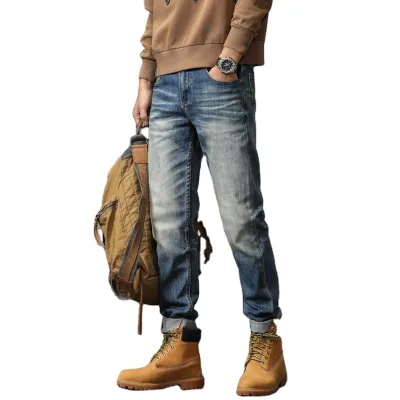
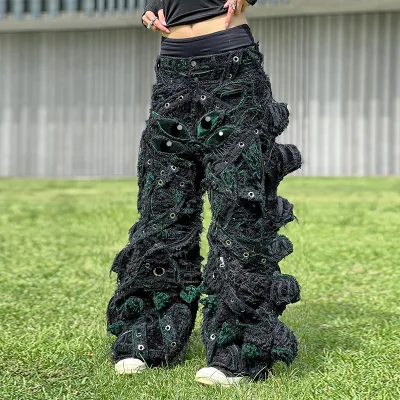
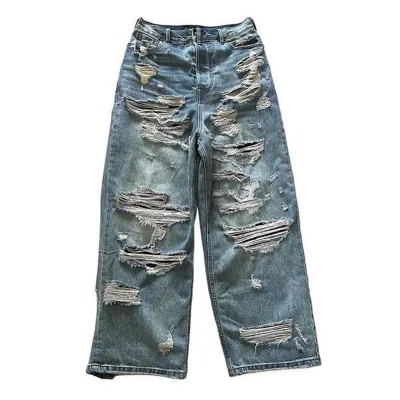
DiZNEW Factory Wholesale Customizable Distressed Faded Men Wide Leg Jeans Plus Size Men's Jeans
$14.2455 - $33.6481
MOQ: 30 pieces
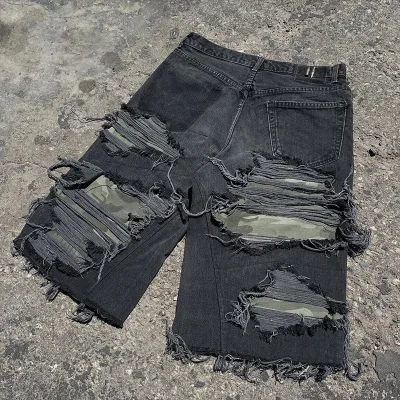
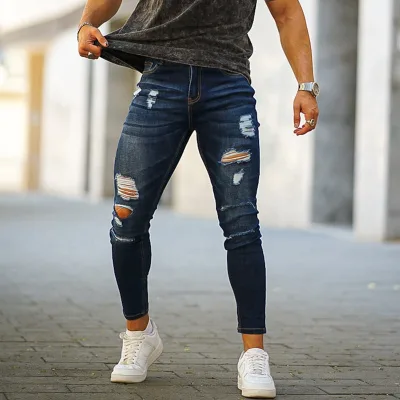
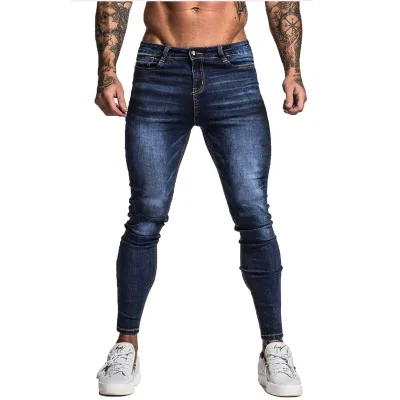
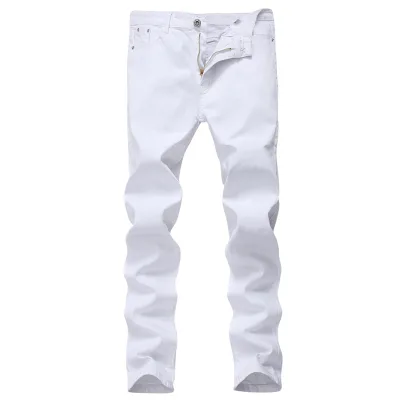
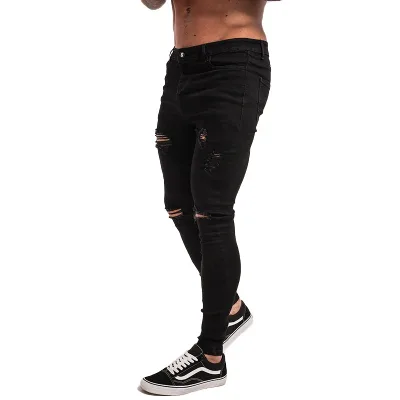
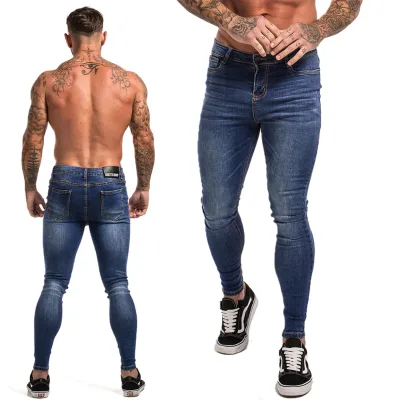
High Quality Hot Sales Skinny Stretch Ripped Plus Size Men'S Denim Jeans 2022
$9.0419 - $19.5224
MOQ: 2 pairs
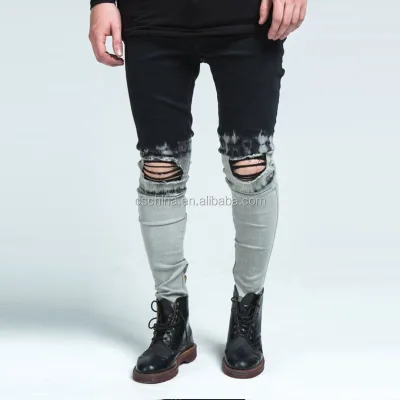


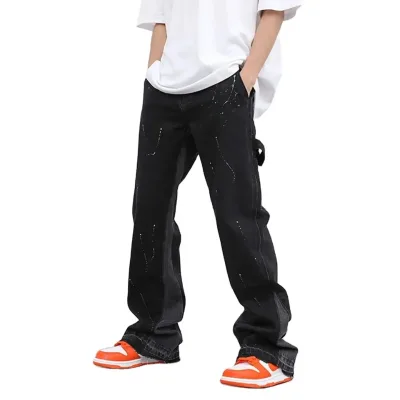
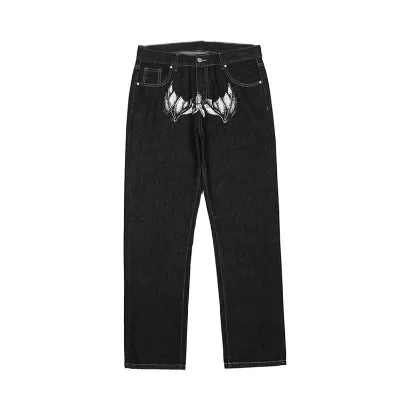
OEM Custom Streetwear Men's Jeans 100% Cotton Plus Size Straight Jeans Casual Baggy Jeans for Men
$16.6481 - $25.0343
MOQ: 50 pieces
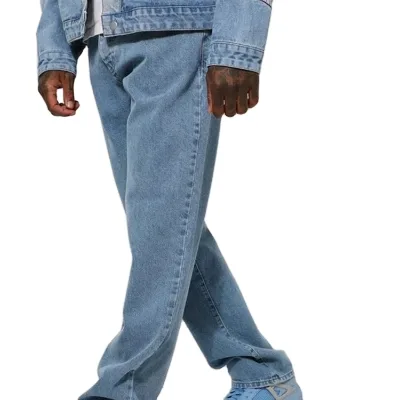
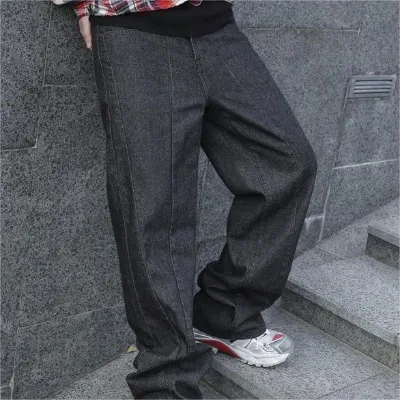
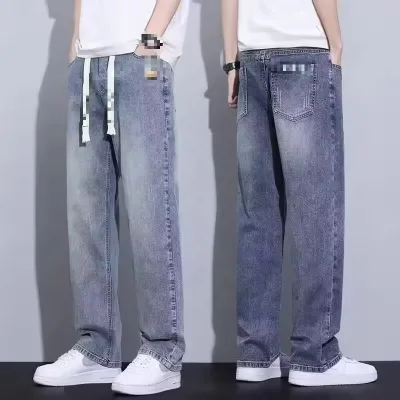
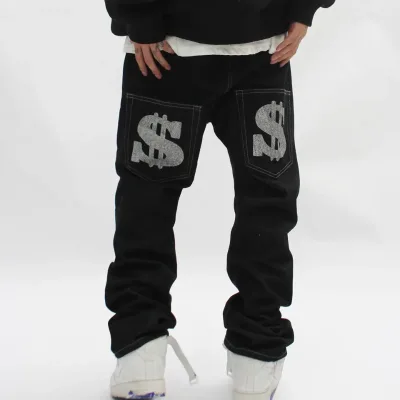


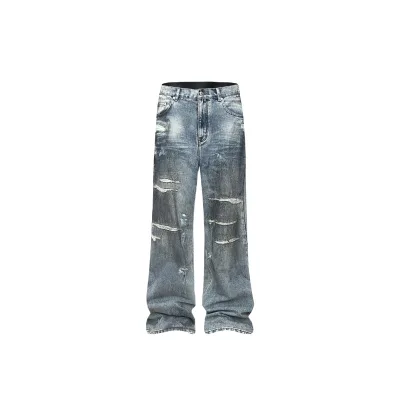
High Quality Cotton Loose Casual Denim Pants Jet Printing Mud Dyeing Men's Plus Size Jeans
$18.8921 - $22.976
MOQ: 100 pieces
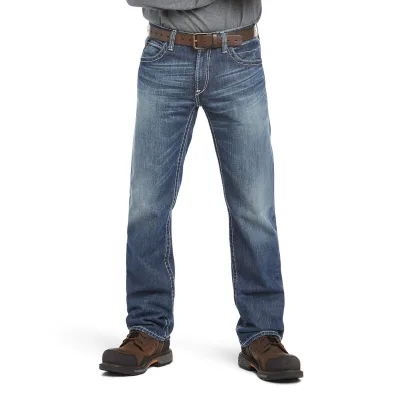

Comprehensive Sourcing Guide
Plus Size Waterproof Men Jeans Sourcing Guide
Sourcing plus size waterproof men’s jeans requires balancing functional performance with traditional denim aesthetics, a combination that demands careful supplier vetting. Buyers must recognize that "waterproof" in denim often refers to durable water repellent (DWR) finishes or specialized coatings rather than fully sealed seams, which significantly impacts comfort and breathability. The observed market signals indicate a diverse range of materials, including stretch denim and polyester-cotton blends, each offering different trade-offs in durability, fit, and cost. Procurement teams should prioritize suppliers who clearly define the extent of water resistance, as this attribute is critical for outdoor or industrial use cases where moisture management is paramount.
The current listing landscape reveals a strong emphasis on customization and OEM services, allowing brands to tailor fit and branding to specific market needs. With observed sizes extending up to US 38 and features like loose fits and mid-waist designs, there is ample opportunity to address the growing demand for inclusive sizing in functional apparel. However, the presence of varied washes, from stonewashed to chemical washes, suggests that aesthetic preferences must be aligned with technical requirements. Buyers should evaluate how different finishing processes affect the integrity of waterproof coatings, ensuring that the desired look does not compromise the garment’s primary protective function.
Product Scope and Observed Listing Signals
The product scope for plus size waterproof men’s jeans encompasses a wide array of styles, from straight-leg and pencil pants to loose-fit designs, catering to diverse consumer preferences. Observed listings highlight specific attributes such as indigo blue and black color options, with pattern types ranging from solid to leopard and dot prints, indicating a market that values both functionality and fashion. The availability of machine-embroidered details and patch decorations suggests that buyers can expect a high degree of visual customization, which is essential for brand differentiation in a competitive market. These aesthetic elements must be carefully selected to ensure they do not interfere with the garment’s structural integrity or waterproof performance.
Supply types are predominantly OEM-based, with suppliers offering support for sample orders within seven days, a critical factor for rapid prototyping and market testing. The observed fabric weights, typically between 11-13 OZ, provide a balance of durability and flexibility, suitable for both casual and light outdoor activities. Additionally, the presence of features like quick-dry and breathable properties alongside waterproof claims indicates a sophisticated approach to fabric engineering. Buyers should verify how these multiple performance attributes are integrated into the final product, as conflicting claims can lead to customer dissatisfaction and returns.
Technical Specifications to Verify
Technical verification must begin with the material composition, as observed listings include stretch denim, polyester-cotton blends, and woven fabrics, each with distinct performance characteristics. Buyers should confirm the exact percentage of synthetic fibers, as higher polyester content often enhances water resistance but may reduce breathability. The closure types, ranging from zipper flies to button flies, also play a role in the garment’s overall durability and ease of use, particularly in wet conditions where metal components may corrode or fabric may tear. Understanding these material and construction details is essential for selecting the right product for specific use cases.
Fit and sizing specifications are equally critical, with observed sizes extending from US 28 to US 38, and waist types varying from mid-rise to other configurations. The heavyweight thickness observed in some listings suggests a focus on durability, which is beneficial for rugged use but may impact comfort in warmer climates. Buyers should request detailed size charts and fit samples to ensure that the plus-size offerings provide adequate mobility and comfort. Additionally, the weaving process, whether machine-embroidered or standard woven, should be evaluated for its impact on the fabric’s ability to repel water and withstand abrasion over time.
Compliance and Safety Documentation
Compliance and safety documentation are non-negotiable for sourcing functional apparel, particularly when waterproof claims are involved. Buyers must ensure that suppliers provide evidence of needle detection processes, as observed in some listings, to guarantee that no metal fragments remain in the finished garments, which could pose a safety risk to consumers. This is especially important for products intended for industrial or outdoor use, where safety standards are stringent. Documentation should also cover the chemical treatments used in washing and coating processes, ensuring they comply with international regulations regarding hazardous substances.
Furthermore, buyers should verify that the suppliers adhere to relevant environmental and labor standards, as these are increasingly important to consumers and regulatory bodies. The observed origin in Guangdong, China, suggests a mature manufacturing ecosystem, but buyers must conduct due diligence to ensure that production practices meet their corporate social responsibility requirements. Certifications related to water resistance testing, such as those from recognized testing laboratories, should be requested to validate the supplier’s claims. Without proper documentation, buyers risk facing regulatory hurdles and reputational damage in their target markets.
Cost Drivers and Commercial Terms
Cost drivers for plus size waterproof men’s jeans include material selection, customization complexity, and order volume. The observed MOQ range of 2-300 units offers flexibility for small businesses and larger enterprises alike, but buyers should be aware that lower MOQs may come with higher per-unit costs. The inclusion of features like foil printing, PU coating, and various wash effects adds to the production complexity and cost. Buyers should negotiate clearly on what is included in the base price, such as logo placement on the waist, left leg, or right leg, to avoid unexpected charges.
Commercial terms should also address lead times and payment structures, with observed sample order lead times of seven days indicating a responsive supply chain. Buyers should clarify the timeline for bulk production, as waterproof treatments and specialized washes may require additional processing time. Payment terms should be aligned with production milestones to mitigate risk, and buyers should inquire about the supplier’s policy on defects and returns. Understanding these commercial dynamics is crucial for maintaining healthy margins and ensuring timely delivery to market.
Supplier Qualification and Quality Control
Supplier qualification for this niche requires a focus on technical capability and quality control processes. Buyers should assess the supplier’s experience with waterproof treatments and their ability to maintain consistency across batches. The observed variety of washes, from enzyme wash to bleach stone wash, indicates a sophisticated finishing capability, but buyers must verify that these processes do not degrade the waterproof coating. Requesting references from other clients in the functional apparel sector can provide insight into the supplier’s reliability and quality standards.
Quality control should include rigorous testing for water resistance, seam strength, and colorfastness. Buyers should establish clear acceptance criteria for defects, such as uneven washing or misaligned patches, and implement a sampling plan for incoming goods. The presence of features like buttons and decorative elements adds complexity to the quality control process, requiring attention to detail in assembly. Regular audits and communication with the supplier’s quality assurance team can help ensure that the final products meet the buyer’s expectations and performance requirements.
Long-Term Procurement Checks
Long-term procurement checks should focus on the supplier’s ability to innovate and adapt to changing market trends. Buyers should monitor the supplier’s development of new materials and treatments that enhance the performance and sustainability of waterproof jeans. The observed trend towards customization and OEM services suggests that suppliers are responsive to brand needs, but buyers should ensure that this flexibility does not come at the expense of quality or consistency. Building a strong partnership with the supplier can lead to better pricing, priority production, and access to new product developments.
Additionally, buyers should regularly review their supply chain for risks, including geopolitical factors and raw material availability. The observed origin in Guangzhou and Guangdong provides access to a robust manufacturing hub, but buyers should diversify their supplier base to mitigate potential disruptions. Continuous improvement initiatives, such as feedback loops from end-users and regular performance reviews, can help identify areas for enhancement. By maintaining a proactive approach to supplier management, buyers can ensure a stable and competitive supply of plus size waterproof men’s jeans.
FAQs
Can I customize Plus Size Waterproof Men Jeans with my brand logo?
Yes, customization is available for these garments. The product page confirms OEM service support, allowing buyers to add logos to the waist, left leg, or right leg. This flexibility ensures your brand identity is prominently displayed on the final product, meeting specific marketing and branding requirements for your inventory.
What is the lead time for sample orders of these jeans?
Sample orders are supported with a lead time of 7 days. This rapid turnaround allows buyers to evaluate fabric quality, fit, and waterproof features before committing to larger production runs. It is an efficient way to verify that the straight or pencil styles meet your specific quality standards.
What materials are used in these Plus Size Waterproof Men Jeans?
The jeans are constructed from stretch denim and polyester cotton blends. These materials provide durability and comfort while supporting the waterproof and breathable features. The fabric weight ranges from 11-13OZ, ensuring a heavyweight feel suitable for spring and autumn seasons, offering both style and practical performance.
What sizes are available for these men's jeans?
Available sizes include US 28, 30, 31, 32, 33, 34, 36, and 38. The mid-waist design accommodates various body types, including plus size requirements. Buyers can select from these standard measurements to ensure a proper fit for their target demographic, with options for straight or pencil fits.
What washing techniques are applied to these denim jeans?
Multiple washing techniques are applied, including distressed, stonewashed, enzyme wash, bleach stone wash, and chemical wash. These processes create unique textures and colors, such as indigo blue or black. The variety of washes allows buyers to choose styles that match current fashion trends while maintaining the garment's structural integrity.
Where are these Plus Size Waterproof Men Jeans manufactured?
These jeans are manufactured in Guangzhou, Guangdong, China. This location is a major hub for denim production, ensuring access to skilled labor and efficient supply chains. Buyers can rely on this origin for consistent quality and timely delivery, with single items packed in dimensions of 30x26x6 cm for safe shipping.