Source Pneumatic Hand Steel Strapping Tensioner and Sealer for Steel Pipe, Steel Coil, and Waste Paper
Find 30 Pneumatic Hand Steel Strapping Tensioner and Sealer options from verified suppliers. Compare models like SPR-F500 and KZS-32 with varying tension forces, strap widths, and driven types to match your packaging needs for steel coils, waste paper, and medical products.
Key considerations
Products List


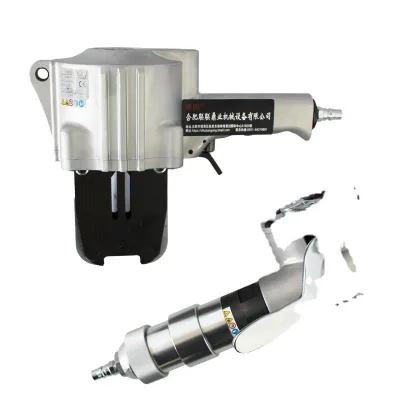
Pneumatic Bundling Tensioner and Sealer for Steel Strap Tightening Sealing
$230.00 - $250.00
MOQ: 1 Pieces


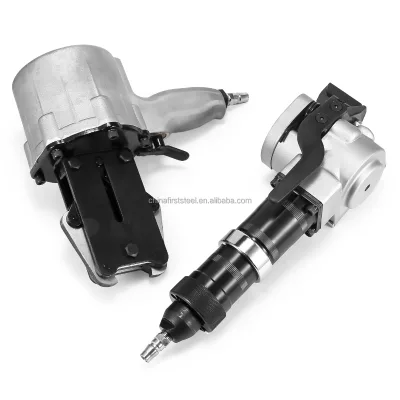
19-32mm Steel Strip Split Type Pneumatic Sealer and Tensioner Strapping Machine
$260.00 - $300.00
MOQ: 1 Pieces

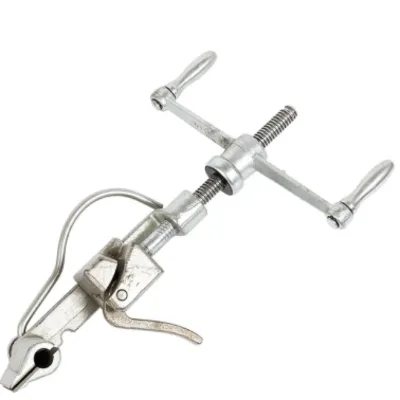
A333 Strapping Machine Manual Sealless Steel Strap Tensioner and Sealer
$235.00 - $275.00
MOQ: 1 Pieces

Tensioner and Sealer Combination Tools Pneumatic Split Type Strapping Tool
$260.00 - $300.00
MOQ: 1 Pieces

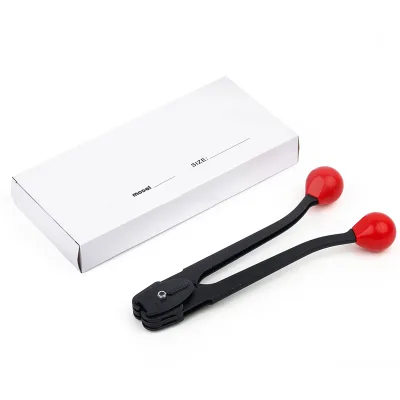
Electric Steel Band Tensioning Split Tensioner & Sealer Hand Strapping Tools
$1200.00 - $1500.00
MOQ: 1 Sets






Comprehensive Sourcing Guide
Pneumatic Hand Steel Strapping Tensioner and Sealer Sourcing Guide
Selecting the right Pneumatic Hand Steel Strapping Tensioner and Sealer requires a clear understanding of the operational environment and the specific mechanical demands of your packaging line. These tools are designed to apply precise tension to steel or metal straps and secure them through welding or buckling mechanisms, ensuring that heavy loads such as steel coils, pipes, and waste paper remain stable during transit. The choice between manual, semi-automatic, and fully pneumatic driven types significantly impacts operator ergonomics and throughput rates. Buyers must evaluate whether the tool’s driven type aligns with their current labor capabilities and production speed requirements, as mismatched equipment can lead to bottlenecks or excessive operator fatigue.
The market offers a variety of models with distinct specifications, ranging from compact hand tools to more robust semi-automatic units. Observed listings indicate a wide range of product models, including SPR-F500, SPR-500, SPR-GD035, and KZS-32, each catering to different strap widths and thicknesses. For instance, some models are optimized for narrower straps between 12.7 and 19 mm, while others handle wider bands up to 32 mm. Understanding these variations is critical because the tool must match the exact dimensions of the strapping material you intend to use. Using a tensioner with an incompatible strap width can result in poor tensioning, damaged straps, or even tool failure, making precise specification verification a non-negotiable step in the sourcing process.
Product Scope and Observed Listing Signals
The product scope for pneumatic hand steel strapping tensioners and sealers encompasses a diverse array of industrial applications, primarily focused on securing heavy or bulky items. Common applications observed in the market include waste paper bales, steel pipes, steel coils, household chemicals, medical supplies, oil containers, and various beverage products such as carbonated drinks, milk, and yogurt. These tools are also frequently used in the packaging of bricks, pallets, and cloth bundles. The versatility of these devices allows them to be deployed in multiple sectors, from heavy manufacturing and logistics to consumer goods packaging, making them a staple in warehouses and production facilities that require high-strength bundling solutions.
Listing signals reveal significant variation in product attributes, which buyers must navigate carefully. For example, some products are described with a "Manual" automatic grade, while others are labeled as "Semi-Automatic" or "Electric." Similarly, the strapping mode can be either "Buckling Type" or "Welding Type," which dictates how the strap is secured. The tensional force also varies, with some tools offering up to 16.8 kN, while others provide around 3000 N or 850 kgs. These differences are not merely cosmetic; they define the tool’s capability to handle specific load weights and strap materials. Buyers should treat these listed attributes as observations of individual product variants rather than universal features, verifying each specification against their own operational needs before making a purchase decision.
Technical Specifications to Verify
When evaluating technical specifications, the strap width and thickness compatibility are paramount. The supplied data indicates that standard strap widths range from 12.7 mm to 32 mm, with specific models supporting widths like 19-32 mm or 32 mm alone. Thickness requirements also vary, with some tools designed for thin straps between 0.38 and 0.7 mm, while others handle thicker bands from 0.8 to 1.2 mm. It is essential to confirm that the tensioner and sealer you select can accommodate the exact dimensions of your strapping material. Mismatched dimensions can lead to slippage, uneven tension, or damage to the tool’s internal mechanisms, so cross-referencing the tool’s model number with your strap inventory is a critical verification step.
Air pressure and tensioning force are other key technical parameters that influence performance. Pneumatic tools typically require an air pressure range of 0.4 to 0.6 MPa to operate effectively, and the resulting tensional force can range from 3000 N to 16.8 kN depending on the model. Buyers should verify the air supply capacity of their facility to ensure it can sustain the required pressure without fluctuations that might affect sealing quality. Additionally, the speed of operation, such as 5.3 meters per minute, and the net weight of the tool, which can range from 5 kg to 11 kg per set, impact operator efficiency and comfort. Lighter tools may reduce fatigue during extended use, but heavier tools might offer more stability and power for high-tension applications.
Compliance and Safety Documentation
Compliance with international standards is a critical factor in sourcing industrial tools, particularly those involving pneumatic systems and high-tension mechanical forces. Many listed products carry CE certification, indicating conformity with health, safety, and environmental protection standards for products sold within the European Economic Area. Some suppliers also mention ISO9001 certification, which reflects adherence to quality management systems, and SGS certification, which often relates to product testing and inspection. Buyers should request valid certificates for the specific models they intend to purchase, as certification status can vary between manufacturers and product lines. Verifying these documents ensures that the tools meet the regulatory requirements of your target markets and reduces liability risks associated with equipment failure.
Safety documentation should also include detailed user manuals and maintenance guidelines. Pneumatic tools operate under pressure and involve moving parts that can pose risks if not handled correctly. Suppliers should provide clear instructions on proper air pressure settings, safe operating procedures, and routine maintenance schedules to prevent accidents. Additionally, buyers should inquire about the availability of spare parts, such as seals, nozzles, and tensioning jaws, which are subject to wear and tear. Ensuring that the supplier offers comprehensive technical support and readily available components is essential for maintaining tool longevity and minimizing downtime in your packaging operations.
Cost Drivers and Commercial Terms
The cost of pneumatic hand steel strapping tensioners and sealers is influenced by several factors, including the tool’s complexity, material quality, and included accessories. Observed price ranges in the market span from approximately $8.6 to $1500, reflecting the diversity from simple manual hand tools to advanced semi-automatic pneumatic units. Higher-priced models typically offer greater tensioning force, wider strap compatibility, and additional features such as adjustable tension settings or ergonomic designs. Buyers should align their budget with their operational requirements, avoiding the temptation to purchase the most expensive tool if a simpler, lower-cost model meets their needs. Conversely, opting for the cheapest option may result in higher long-term costs due to frequent repairs or premature replacement.
Commercial terms such as minimum order quantity (MOQ) and packaging details also impact the total cost of ownership. MOQs can range from 1 to 120 sets, allowing for flexibility in purchasing small quantities for testing or larger volumes for operational deployment. Packaging methods vary, with some products shipped in wooden crates for heavy-duty protection, while others use cartons with EPE foam for lighter tools. Buyers should consider the transportation packing when calculating logistics costs, as improper packaging can lead to damage during shipping. Additionally, negotiating terms related to warranty, return policies, and after-sales support can provide valuable protection against defects and ensure a smoother procurement experience.
Supplier Qualification and Quality Control
Supplier qualification is a crucial step in ensuring the reliability and consistency of the purchased tools. Buyers should prioritize suppliers who demonstrate a strong track record in manufacturing and exporting industrial packaging equipment. Geographic origins such as China, specifically regions like Wenzhou and Yueqing in Zhejiang province, are common sources for these tools, indicating a concentration of manufacturing expertise in these areas. However, location alone is not a guarantee of quality; buyers must verify the supplier’s production capabilities, quality control processes, and customer service responsiveness. Requesting samples or conducting factory audits can provide valuable insights into the supplier’s ability to meet your specific requirements.
Quality control measures should be clearly defined and agreed upon before placing an order. This includes specifications for material quality, such as the use of metal alloys for durability, and performance tests to verify tensioning force and sealing integrity. Buyers should also inquire about the supplier’s defect rate and their process for handling non-conforming products. Establishing clear quality benchmarks and inspection criteria helps mitigate the risk of receiving substandard tools. Furthermore, maintaining open communication with the supplier regarding any issues or feedback can foster a collaborative relationship and lead to continuous improvement in product quality and service.
Long-Term Procurement Checks
Long-term procurement success depends on establishing a sustainable supply chain that can adapt to changing operational needs. Buyers should regularly review their tool performance and maintenance records to identify patterns of wear or failure. This data can inform future purchasing decisions, such as upgrading to more durable models or adjusting maintenance schedules. Additionally, staying informed about industry trends and technological advancements in strapping tools can help buyers remain competitive and efficient. Engaging with suppliers for periodic reviews and feedback sessions can also provide valuable insights into new products or improvements that may benefit your operations.
Building a diversified supplier base can reduce risk and enhance bargaining power. Relying on a single supplier may expose your business to supply chain disruptions or price volatility. By cultivating relationships with multiple qualified suppliers, buyers can ensure continuity of supply and access to a wider range of products. Regularly evaluating supplier performance based on criteria such as delivery times, product quality, and customer service helps maintain high standards and encourages suppliers to continuously improve. Ultimately, a proactive and strategic approach to procurement ensures that your business remains equipped with reliable, high-performance tools to support its packaging and logistics needs.
FAQs
What strapping modes are available for this equipment?
The equipment supports both buckling type and welding type strapping modes. Users can select the appropriate mode based on their specific packaging requirements and the type of material being secured, ensuring versatile application across various industries.
Which certifications do these strapping machines hold?
These machines hold ISO9001 and CE certifications. Some models also meet SGS standards, ensuring compliance with international safety and quality requirements for industrial packaging equipment used in diverse sectors like medical and beverage production.
Can the machine handle different strap widths?
Yes, the machine accommodates strap widths ranging from 12.7 mm to 32 mm. Specific models support widths like 19-32 mm or 19-32 mm, allowing flexibility for various packaging needs including steel coils and waste paper.
How is the tensioning force determined for these units?
Tensioning force varies by model, with some units offering 16.8 kN or 3000 N. Specific heavy-duty models can achieve up to 850 kgs of tension, ensuring secure strapping for heavy loads like steel pipes and coils.
What is the production capacity of the semi-automatic model?
The semi-automatic model has a capacity of 100 pieces per hour. This throughput is suitable for medium-volume production lines requiring efficient strapping of items such as fruit drinks, milk, and household chemicals without full automation.
Which driven types are available for this strapping system?
Available driven types include pneumatic, manual, and electric options. The pneumatic models require an air pressure of 0.4 to 0.6 MPa, while manual versions offer portability and electric versions provide automated operation for high-volume needs.
What is the standard packaging for these machines?
Machines are typically packed in wooden cases or cartons with EPE foam for protection. Some units are shipped as two sets per carton, ensuring safe transportation and preventing damage during logistics to international destinations.