Source POE Repeater for CCTV, IoT, and Access Points
Find and compare 30 POE Repeater models from verified Chinese manufacturers. Evaluate options based on port counts, power budgets, and industrial ratings to extend network reach for surveillance and IoT deployments.
Key considerations
Products List


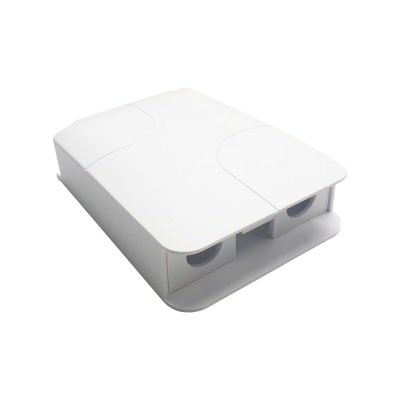

1000m 1 Poe Input 2/3/4 Poe Output 30W Extend Gigabit Poe Extender Repeater
$14.98 - $35.99
MOQ: 500 Pieces

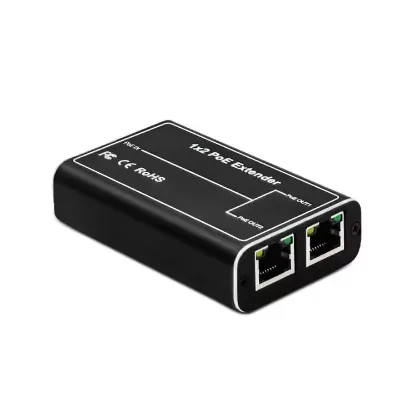
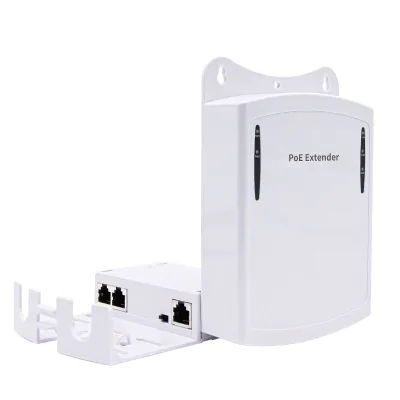
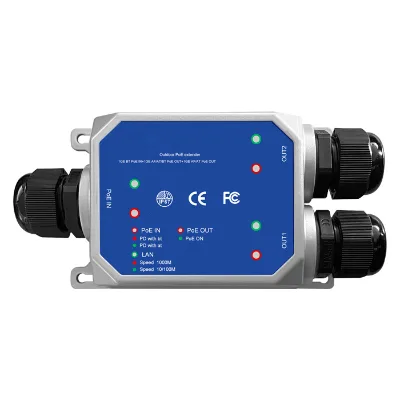


Pcbasic Repeater Fiber Reverse Power Supply 5 Port Ethernet Switch PCBA 1000 Poe
$0.90 - $3.90
MOQ: 1 Pieces


Comprehensive Sourcing Guide
POE Repeater Sourcing Guide
Product Scope and Observed Listing Signals
The market for PoE repeaters, often categorized under Ethernet switches or PoE extenders, presents a diverse array of industrial-grade networking hardware designed to extend both data and power transmission distances beyond standard Ethernet limits. Based on observed listing signals, the product count stands at thirty distinct items, indicating a specialized but active supply segment. These devices typically function as full-duplex or half-duplex communication nodes, bridging the gap between network switches and remote endpoints such as IP cameras, wireless access points, or industrial sensors. The observed price range spans from $0.58 to $100,000, a variance that reflects the spectrum from basic passive extenders to complex, multi-port industrial switches with advanced management features. Buyers must carefully distinguish between simple signal boosters and managed switches, as the latter often include VLAN support, watchdog timers, and higher total power budgets, which significantly impact the unit cost and procurement complexity.
Listing attributes reveal a strong emphasis on ruggedization and environmental resilience, with many products boasting IP67 ratings and operating temperatures ranging from -10°C to 70°C. This suggests that a significant portion of the available inventory is targeted at outdoor or harsh industrial environments where standard office-grade equipment would fail. The physical form factors vary considerably, with options including desktop units, DIN rail mounts, and wall-mount configurations, allowing for flexible installation in control cabinets or outdoor enclosures. Furthermore, the presence of customization options and integrated wiring designs indicates that suppliers are catering to specific infrastructure requirements, such as custom cable lengths or specialized mounting brackets. Procurement teams should prioritize listings that explicitly state these environmental ratings and mounting options to ensure compatibility with their site conditions, rather than assuming all listed devices are suitable for outdoor deployment.
Technical Specifications to Verify
When evaluating PoE repeaters, the transmission rate and port configuration are primary technical differentiators that directly influence network performance and scalability. Observed data indicates that devices support transmission rates of 10/100Mbps or 10/100/1000Mbps, with port counts ranging from four to fourteen PoE ports, plus additional uplink LAN ports. It is critical to verify whether the device supports Gigabit Ethernet, as this determines the maximum throughput for high-bandwidth applications like 4K video surveillance or high-density Wi-Fi backhaul. Additionally, buyers must confirm the PoE standard compliance, such as IEEE 802.3af, at, or bt, as this dictates the maximum power output per port. For instance, some listings specify a maximum output of 30W per port, while others may support higher power budgets up to 90W, which is essential for powering high-drain devices like PTZ cameras or outdoor heaters.
The power input and output specifications require meticulous review to prevent overloading the network infrastructure. Listings show variations in PoE input, with some devices accepting DC 44-57V at up to 90W, while others are limited to 30W. Similarly, the PoE output per port can range from 25W to 30W, and the total power budget for the entire unit can vary significantly, with some models offering a total of 120W. Buyers must calculate the aggregate power demand of all connected devices and ensure it does not exceed the unit’s total power supply capacity. Furthermore, the transmission distance is a key performance indicator, with observed ranges extending up to 250 meters, which is crucial for large-scale deployments where standard 100-meter Ethernet limits are insufficient. Verifying these electrical and distance parameters against the specific requirements of the end devices is essential to avoid connectivity failures or power shortages in the field.
Compliance and Safety Documentation
Compliance with international safety and electromagnetic compatibility standards is non-negotiable for industrial networking equipment, particularly when deployed in regulated environments. Observed listings frequently cite certifications such as CE/EMC, CE/LVD, FCC, ISO, and RoHS, which serve as indicators of adherence to European and global safety norms. The CE marking, in particular, confirms that the product meets EU health, safety, and environmental protection standards, while FCC certification is relevant for markets in North America. Buyers should request valid certification documents and verify their authenticity, as counterfeit or expired certificates are a risk in the electronics supply chain. Additionally, the presence of RoHS certification indicates that the device is manufactured without certain hazardous substances, which is increasingly important for corporate sustainability goals and regulatory compliance in many jurisdictions.
Beyond basic safety certifications, buyers should inquire about specific environmental and operational standards that may apply to their industry. For example, in industrial settings, compliance with IEC standards for electromagnetic immunity may be required to ensure reliable operation in the presence of electrical noise. While some listings mention IP67 ratings, which denote dust tightness and protection against immersion in water, buyers should verify the specific test conditions and duration associated with these ratings. It is also advisable to confirm the warranty terms, with observed listings offering a one-year warranty, and to understand the scope of coverage, including whether it covers parts, labor, and return shipping. Clear documentation of these compliance and warranty details provides a legal and operational safety net, ensuring that the procurement team can hold suppliers accountable for product failures or non-compliance issues.
Cost Drivers and Commercial Terms
The cost of PoE repeaters is influenced by several key factors, including the number of ports, power budget, transmission speed, and environmental ruggedization. Devices with higher port counts, such as 14-port models, or those supporting Gigabit speeds and higher power outputs like 90W per port, naturally command higher prices. The inclusion of advanced features such as VLAN tagging, watchdog timers, and remote management capabilities also adds to the cost, as these require more sophisticated hardware and firmware development. Buyers should analyze the total cost of ownership, considering not just the unit price but also the potential savings from reduced cabling costs and extended transmission distances. In some cases, investing in a higher-quality, more expensive repeater may be more cost-effective in the long run due to lower maintenance and replacement frequencies.
Commercial terms, including minimum order quantities (MOQ) and packaging details, vary widely across suppliers and can impact the overall procurement strategy. Observed MOQs range from 1 to 500 units, offering flexibility for both small-scale pilots and large-scale deployments. Packaging information, such as unit package sizes and carton quantities, is crucial for logistics planning, as it affects shipping costs and storage requirements. For instance, some listings specify carton weights and dimensions, which can help buyers estimate freight charges and warehouse space needs. Buyers should negotiate terms that align with their inventory management strategies, considering whether bulk purchasing offers significant discounts or if smaller, more frequent orders are preferable to reduce holding costs. Clear communication regarding lead times and payment terms is also essential to ensure timely delivery and smooth financial transactions.
Supplier Qualification and Quality Control
Selecting a reliable supplier for PoE repeaters requires a thorough assessment of their manufacturing capabilities, quality control processes, and track record. Buyers should prioritize suppliers who provide detailed product specifications, including model numbers, dimensions, and weights, as these indicate a level of professionalism and transparency. The origin of the products, often listed as Dongguan or Shenzhen in China, can provide insights into the supplier’s supply chain and manufacturing ecosystem. However, buyers should not rely solely on location but should verify the supplier’s ability to meet specific quality standards and delivery schedules. Requesting samples before placing bulk orders is a prudent step to evaluate the physical build quality, port functionality, and power output of the devices.
Quality control measures should be a key criterion in supplier evaluation, with buyers inquiring about the testing procedures employed by the manufacturer. This includes checks for electrical safety, data transmission integrity, and environmental resilience. Suppliers who offer customization options, such as specific packaging or branding, may also demonstrate greater flexibility and customer focus. Buyers should also assess the supplier’s after-sales support, including technical assistance and warranty claim processes. A responsive and knowledgeable support team can be invaluable in resolving issues quickly and minimizing downtime. Additionally, verifying the supplier’s business license and export credentials can help mitigate risks associated with fraudulent or unreliable vendors. Building a relationship with a qualified supplier ensures a steady supply of high-quality PoE repeaters and fosters long-term partnership benefits.
Long-Term Procurement Checks
Long-term procurement success depends on establishing robust mechanisms for monitoring supplier performance and product reliability over time. Buyers should implement a system for tracking key performance indicators (KPIs) such as defect rates, delivery timeliness, and response to technical inquiries. Regular audits of supplier quality control processes can help identify potential issues before they escalate into major problems. Furthermore, staying informed about industry trends and technological advancements in PoE technology is essential for ensuring that the procured devices remain relevant and compatible with future network upgrades. This includes monitoring developments in PoE standards, such as the transition to higher power outputs or new data transmission protocols.
Buyers should also consider the lifecycle management of the PoE repeaters, including end-of-life disposal and recycling options. Compliance with environmental regulations regarding electronic waste is increasingly important, and suppliers who offer take-back programs or eco-friendly disposal solutions can add value to the procurement process. Additionally, maintaining a diverse supplier base can mitigate risks associated with supply chain disruptions, such as geopolitical tensions or natural disasters. Regularly reviewing and updating the supplier qualification criteria ensures that the procurement team remains aligned with the organization’s evolving needs and risk tolerance. By proactively managing these long-term factors, buyers can secure a stable and cost-effective supply of PoE repeaters that support their operational goals and sustainability objectives.
FAQs
What is the transmission rate of the POE Repeater?
The device supports transmission rates of 10/100/1000Mbps depending on the specific model selected. Some units operate at 10/100Mbps while others handle full gigabit speeds for enhanced network performance.
Can the POE Repeater be customized for specific needs?
Yes, customization is available for this product line to meet unique requirements. Buyers can request tailored solutions while maintaining standard features like IP67 protection and IEEE 802.3 compliance.
Which certifications does the POE Repeater hold?
The product holds CE, EMC, LVD, FCC, ISO, and RoHS certifications for global compliance. These standards ensure safety and electromagnetic compatibility for industrial and commercial deployment environments.
How far can the POE Repeater extend the network distance?
The device can extend network distance up to 100 meters or 250 meters based on the model. Specific units like the 14-port version support extended reach for large-scale installations.
What is the power output capacity of the poe ports?
Power output varies by port, with some supporting up to 90W on the input and 30W on output ports. Other models provide 25W per port for standard PoE devices within the network.
Where is the POE Repeater manufactured and shipped from?
Manufacturing takes place in Dongguan, Guangdong, and Shenzhen, China. Products are packed in cartons with specific unit sizes and shipped as new condition items ready for immediate deployment.