Source Polaris Motorcycle Speed Sensor for Fleet and Repair
Find reliable Polaris Motorcycle Speed Sensor options from verified manufacturers. Compare 30 listings featuring digital output, IP67 waterproofing, and 12V compatibility for accurate vehicle speed monitoring in diverse operating conditions; compare the available evidence and request quotations based on your requirements.
Key considerations
Products List


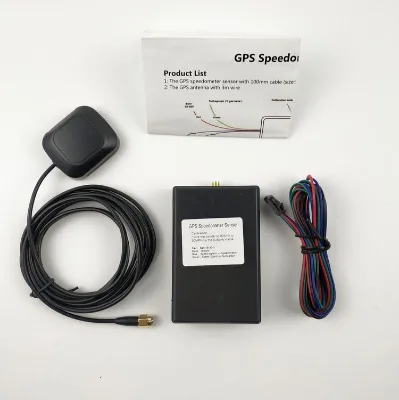


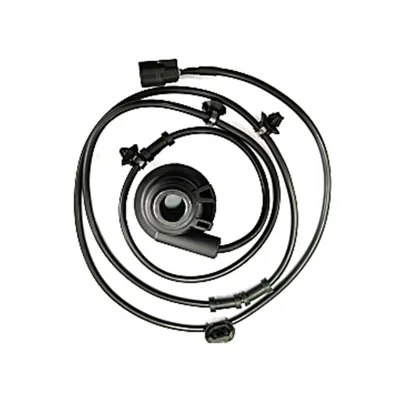
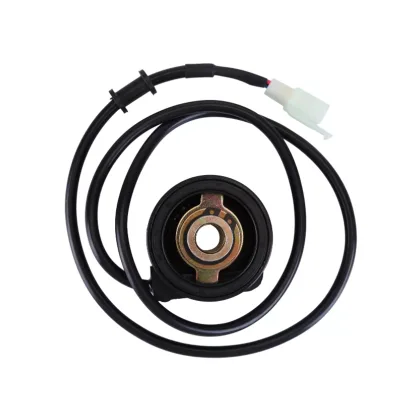


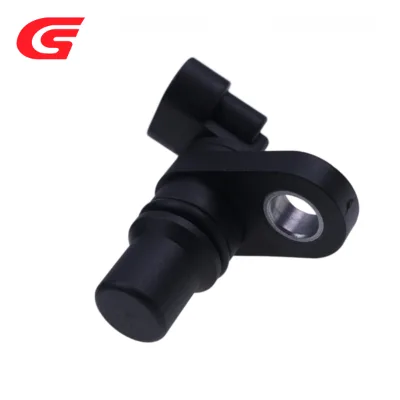


Comprehensive Sourcing Guide
Polaris Motorcycle Speed Sensor Sourcing Guide
Sourcing a speed sensor for Polaris motorcycles requires distinguishing between universal components and model-specific units, as the market often lists "All" or "Universal" models alongside specific part numbers. Buyers must verify that the sensor's electrical interface, such as the four-wire connector observed in listings, matches the vehicle's ECU requirements to prevent signal incompatibility. The presence of "Universal" specifications in product data suggests broad applicability, yet the physical mounting and signal output must align with the specific Polaris chassis architecture to ensure accurate speedometer readings.
Procurement decisions should prioritize sensors that explicitly state compatibility with the vehicle's voltage system, as observed ranges vary from 12V to 9-30V DC. A mismatch in voltage tolerance can lead to immediate sensor failure or erratic dashboard behavior, making it critical to confirm the operating voltage before placing an order. Additionally, the working environment rating, such as the -30°C to +50°C range noted in some listings, must be sufficient for the intended riding conditions to avoid performance degradation in extreme temperatures.
Product Scope and Observed Listing Signals
The current market for motorcycle speed sensors includes a diverse range of product types, from float-based mechanisms to digital output sensors, which complicates the selection process for specific Polaris applications. Listings frequently describe items as "Speedometer Sensors" or "Vehicle Speed Sensors" with features like corrosion resistance and brushless commutation, indicating a focus on durability in harsh riding environments. Buyers should carefully review the "Key Words" and "Product Name" fields to ensure the item is not a generic throttle or pressure sensor mislabeled as a speed sensor.
Observations of packaging and origin data reveal that many suppliers offer customizable options with standard box or blister packing, often originating from manufacturing hubs in Hebei and Zhejiang, China. The availability of trial orders and customizable branding suggests a flexible supply chain, yet the "Model" field often defaults to "All" or "Universal," requiring manual verification against the specific Polaris model year. This variability necessitates a rigorous review of the product description to confirm that the sensor is not merely a generic replacement but a verified fit for the target vehicle.
Technical Specifications to Verify
Technical verification must begin with the output signal type, as listings distinguish between digital and analog signals, with digital types being increasingly common for modern vehicle integration. The sensor's ability to generate a precise speed signal is paramount, and buyers should confirm that the output matches the Polaris system's expected frequency and waveform characteristics. The presence of specifications like "OEM Quality" and "Integration" in production processes indicates a manufacturing standard that should be cross-referenced with the vehicle's original equipment requirements.
Electrical and environmental specifications are equally critical, with observed data showing voltage ranges from 12V to 9-30V and temperature tolerances extending from -40°C to +125°C. Buyers must ensure the selected sensor can withstand the specific thermal and electrical stresses of the Polaris powertrain without signal drift or failure. The waterproofness rating, such as the IP67 standard observed in some listings, is essential for sensors exposed to road spray and moisture, ensuring long-term reliability in wet conditions.
Compliance and Safety Documentation
Compliance verification should focus on the presence of recognized quality standards, such as the SGS certification noted in product attributes, which serves as a baseline for manufacturing consistency. While specific safety certifications for Polaris vehicles are not explicitly detailed in the provided data, the existence of SGS standards suggests a commitment to material and process quality that aligns with general automotive safety expectations. Buyers should request detailed test reports to confirm that the sensor meets the specific electromagnetic compatibility and safety requirements of the target vehicle market.
Documentation regarding the product's origin and manufacturing process is vital for establishing traceability and accountability in the supply chain. Listings indicate origins in China with production processes involving integration, yet buyers must ensure that the supplier can provide proof of origin and adherence to international safety norms. The warranty period, often cited as 12 months in observed data, serves as a key indicator of supplier confidence, but this should be backed by clear terms regarding defect coverage and replacement protocols.
Cost Drivers and Commercial Terms
Cost structures for speed sensors are influenced by the complexity of the internal electronics, the quality of materials like ABS plastic, and the level of customization required for specific Polaris models. The observed price range of 1 to 1000 USD reflects significant variation based on whether the unit is a basic universal sensor or a specialized OEM-quality component with advanced signal processing. Buyers should analyze the cost per unit against the observed MOQ ranges, which span from 1 to 1000 units, to determine the most economical order quantity for their specific procurement needs.
Commercial terms such as trial order acceptance and customized packaging options can significantly impact the total cost of ownership and the flexibility of the procurement process. The availability of single-item selling units allows for low-risk testing, while bulk orders may offer better pricing but require higher upfront capital. Buyers must negotiate clear terms regarding lead times and shipping, as the observed production locations in Hebei and Zhejiang may introduce logistical variables that affect delivery schedules and overall project timelines.
Supplier Qualification and Quality Control
Supplier qualification should prioritize manufacturers with a proven track record in producing automotive sensors, as evidenced by the "OEM Quality" and "Integration" process attributes found in product listings. The presence of specific brand names like "hanfly" and "Runtong" indicates established entities, yet buyers must verify their capacity to maintain consistent quality across large production runs. Quality control measures should include rigorous testing of the sensor's output signal and durability under the specified temperature and voltage ranges to ensure reliability.
Quality assurance protocols must extend to the packaging and shipping stages, where the use of sturdy boxes and cartons helps prevent damage during transit. The observed single gross weight of 0.100 kg and specific package dimensions suggest standardized packaging, but buyers should confirm that the supplier employs protective measures suitable for international shipping. Regular audits of the supplier's production line and adherence to the stated SGS standards are essential to maintain the high quality expected for critical vehicle components like speed sensors.
Long-Term Procurement Checks
Long-term procurement strategies should include periodic re-verification of the sensor's performance and compatibility, especially as vehicle models evolve and electronic systems become more complex. Buyers must establish a feedback loop with the supplier to monitor any changes in the product specifications, such as voltage ranges or connector types, that could affect future compatibility with Polaris motorcycles. Maintaining a relationship with a supplier who offers customization and trial orders allows for agile responses to changing market demands and vehicle requirements.
Sustainability and supply chain resilience are also critical factors for long-term success, requiring buyers to assess the supplier's ability to maintain consistent production and delivery schedules. The observed main markets in the Middle East and Africa suggest a global reach, but buyers should ensure the supplier has the logistical capacity to support their specific regional needs. Regular reviews of the warranty terms and the supplier's response to quality issues will help mitigate risks and ensure a stable supply of high-performance speed sensors for the Polaris fleet.
FAQs
What is the voltage range for these sensors?
The voltage range is 9-30V, ensuring compatibility with various vehicle electrical systems. This wide input range supports stable operation across different motorcycle models. The design accommodates standard 12V systems while handling higher voltage fluctuations. This flexibility reduces the need for additional voltage regulators during installation.
Can these sensors be customized for specific models?
Yes, customization is available for specific motorcycle models. Buyers can request tailored specifications to fit unique requirements. The product supports OEM quality standards for precise integration. This service allows for better alignment with existing vehicle systems and enhances overall performance reliability.
What is the operating temperature range?
The operating temperature range is -40°C to +125°C. This wide span ensures reliable performance in extreme weather conditions. The sensor maintains accuracy in both freezing and high-heat environments. This durability makes it suitable for diverse global climates and demanding riding conditions.
What warranty is provided with the product?
A 12-month warranty is provided with the product. This coverage protects against manufacturing defects and ensures quality assurance. Buyers receive support for any issues arising within the first year. This warranty period reflects confidence in the product's durability and long-term reliability.
What is the waterproof rating of the sensor?
The sensor has an IP67 waterproof rating. This rating ensures protection against dust and temporary water immersion. It is suitable for wet riding conditions and heavy rain exposure. The robust sealing prevents moisture damage, maintaining signal integrity and operational safety.
Where is the product manufactured?
The product is manufactured in China, with origins in Hebei and Zhejiang. These regions are known for automotive component production. The manufacturing process follows integration standards for quality control. Buyers can expect consistent production quality from these established industrial hubs.