Source PoE IP Camera Network Switch for Ap, Cctv, And Access
Source a PoE IP Camera Network Switch from 30 available models. Compare IEEE 802.3af/at compliant switches with 1-8 ports, 10/100Mbps rates, and 250m power distance for wireless access points, IP cameras, and industrial applications; compare the available evidence and request quotations based on your requirements.
Key considerations
Products List
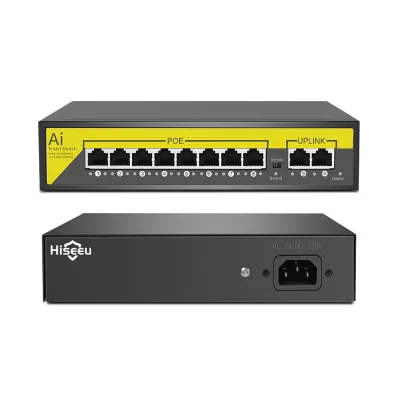
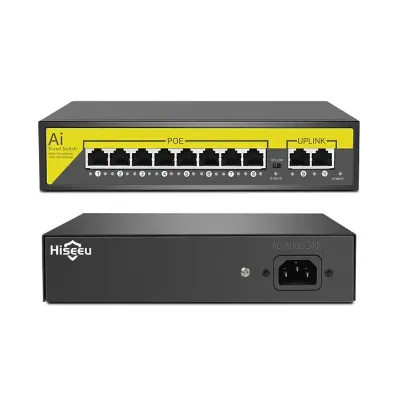
Wholesale 8 Port POE Switch Network POE Switch for IP Camera CCTV Camera System
$23.51 - $56.21
MOQ: 2 Minimum


8 Port 10/100m Poe Camera Network Switch with 2 Uplink Interface (TS1008F)
$45.00 - $55.00
MOQ: 1 Pieces


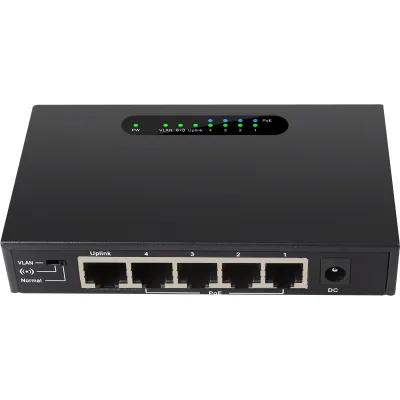


155m 4 Port Unmanaged Poe Switch for Video Surveillance & Network Project System
$10.00 - $27.00
MOQ: 100 Pieces



Comprehensive Sourcing Guide
PoE IP Camera Network Switch Sourcing Guide
Selecting the right Power over Ethernet (PoE) switch is a critical decision for any procurement team managing surveillance infrastructure. These devices simplify cabling by delivering both data and electrical power through a single Ethernet cable, reducing installation complexity and costs. Buyers must carefully evaluate the specific power requirements of their IP cameras to ensure the switch can support the total load without overloading the network. This guide provides a structured approach to sourcing these essential networking components, focusing on technical alignment, compliance, and supplier reliability.
The market offers a wide variety of PoE switches, ranging from compact 4-port units to larger 8-port or 16-channel models. Each configuration serves different deployment scales, from small office setups to extensive industrial surveillance networks. Procurement specialists should prioritize switches that offer flexible port configurations and robust switching capabilities to accommodate future expansion. Understanding the distinction between standard PoE and advanced PoE+ or PoE++ standards is vital, as it directly impacts the power budget available for each connected device.
Product Scope and Observed Listing Signals
Current market listings indicate a diverse range of PoE switch models, with observed prices spanning from $0.10 to $9,999 USD. This wide variance reflects differences in port counts, switching capacity, and additional features such as VLAN support or industrial-grade durability. Minimum Order Quantities (MOQs) typically range from 1 to 100 units, offering flexibility for both small-scale pilots and large-volume deployments. Buyers should note that many suppliers maintain stock for immediate shipment, which can significantly reduce lead times for urgent projects.
Specific product attributes observed in listings include transmission ranges of up to 250 meters and support for both full-duplex and half-duplex communication modes. Common port configurations include 1 to 8 PoE ports, with some models featuring uplink ports for cascading. Materials are predominantly metal, ensuring durability in various environmental conditions. Some listings highlight optional waterproofing features, which are essential for outdoor camera installations. These signals help buyers narrow down options based on their specific environmental and technical requirements.
Technical Specifications to Verify
Procurement teams must verify the switching capacity and transmission rates to ensure network performance meets operational demands. Observed specifications include switching capacities of 1.6G to 2.0G and transmission rates of 10/100/1000Mbps. It is crucial to confirm whether the switch supports Gigabit uplinks, as this affects the overall bandwidth available for video streaming. Buyers should also check the MAC address table size, with 8K entries being a common standard, to ensure the switch can handle the number of connected devices without performance degradation.
Power delivery specifications are equally important, with IEEE 802.3af and IEEE 802.3at standards being widely supported. These standards define the maximum power output per port, which must align with the power requirements of the connected IP cameras. Buyers should verify the power distance, which is often cited as 250 meters or less, to ensure compatibility with the physical layout of the installation. Additionally, features like VLAN support and private mold availability may be relevant for specific security or branding needs.
Compliance and Safety Documentation
Ensuring that PoE switches meet international safety and electromagnetic compatibility standards is a non-negotiable aspect of procurement. Common certifications observed in the market include CE, FCC, and RoHS, which indicate compliance with European and North American regulatory requirements. Buyers should request valid certification documents from suppliers to verify that the products have undergone rigorous testing for safety and environmental impact. These certifications are essential for avoiding legal liabilities and ensuring the equipment can be legally deployed in target markets.
Beyond certifications, buyers should inquire about the testing procedures used by the manufacturer to validate product performance. While specific test results may not always be publicly listed, reputable suppliers should be able to provide documentation confirming that their switches meet the stated IEEE standards. This includes verifying that the power delivery is stable and that the switch can handle continuous operation without overheating or failure. Proper documentation also aids in future audits and maintenance planning.
Cost Drivers and Commercial Terms
Several factors influence the final cost of PoE switches, including the number of ports, switching capacity, and additional features like VLAN support. Metal construction and industrial-grade components typically command higher prices compared to plastic alternatives. Buyers should also consider the cost of accessories, such as mounting brackets or power supplies, which may be sold separately. Understanding these cost drivers helps in creating accurate budget forecasts and comparing quotes from different suppliers on an apples-to-apples basis.
Commercial terms such as MOQs, payment terms, and shipping costs also play a significant role in the total cost of ownership. Suppliers offering lower MOQs may charge higher unit prices, while bulk purchases often come with discounts. Buyers should negotiate clear terms regarding warranty periods and return policies to mitigate risks associated with defective units. Additionally, understanding the lead times for production and shipping is crucial for project planning, especially for large-scale deployments with tight deadlines.
Supplier Qualification and Quality Control
Evaluating supplier qualifications is essential to ensure a reliable supply chain for PoE switches. Buyers should verify the supplier’s manufacturing capabilities, including their production capacity and quality control processes. Suppliers located in established manufacturing hubs, such as Guangdong, China, often have access to a robust supply chain and skilled labor. However, buyers should conduct due diligence to confirm that the supplier has a proven track record of delivering high-quality products on time.
Quality control measures should include incoming material inspections, in-process checks, and final product testing. Buyers should request information about the supplier’s defect rate and their process for handling non-conforming products. Establishing a clear communication channel with the supplier’s quality assurance team can help resolve issues quickly. Additionally, considering third-party inspection services for large orders can provide an extra layer of assurance regarding product quality and compliance.
Long-Term Procurement Checks
Long-term procurement success depends on the ability to maintain consistent supply and support for PoE switches. Buyers should establish a relationship with suppliers who offer ongoing technical support and firmware updates, if applicable. This ensures that the network infrastructure remains secure and efficient over time. Regularly reviewing supplier performance metrics, such as on-time delivery rates and product quality, helps identify potential issues before they impact operations.
As technology evolves, buyers should stay informed about emerging standards and features in PoE switching technology. This includes advancements in power delivery efficiency and network management capabilities. Periodically reassessing the network’s power and bandwidth requirements can help determine if upgrades or additional switches are needed. By maintaining a proactive approach to procurement, buyers can ensure their surveillance infrastructure remains robust, scalable, and cost-effective in the long run.
FAQs
What is the maximum transmission range for this PoE switch?
The maximum transmission range is up to 250 meters. This distance supports reliable connectivity for IP cameras and wireless access points. The device operates in full-duplex and half-duplex modes. It ensures stable data transfer over standard network medium. This range is suitable for most outdoor and indoor surveillance installations.
Which PoE standards does the switch support?
The switch supports IEEE 802.3af and IEEE 802.3at standards. These protocols provide power to connected devices like IP cameras. The ports are end-span type for direct power delivery. This compatibility ensures broad device support. It allows for flexible deployment in various network environments without extra power supplies.
Can the switch handle 1000Mbps transmission rates?
Yes, the switch supports 10/100/1000Mbps transmission rates. This capability ensures fast data transfer for high-definition video streams. The uplink ports provide 10/100Mbps connectivity. The PoE ports are adaptive for 10m or 100m connections. This mix balances speed and power delivery for surveillance systems.
What certifications are available for this network switch?
The switch holds CE, FCC, and RoHS certifications. These marks confirm compliance with international safety and environmental standards. The product is made in Guangdong, China. It uses metal material for durability. These certifications help in global sourcing and regulatory approval for various markets.
Is customization available for this PoE switch model?
Customization is available for this product. Buyers can request specific configurations or branding. The model number is SW-POE-8 or similar variants. The switch supports VLAN functions for network segmentation. This flexibility allows businesses to tailor the device to their specific infrastructure needs.
What is the switch capacity and port configuration?
The switch capacity is 2.0G with up to 8 ports. It features 1 to 8 PoE ports depending on the variant. The MAC address table holds 8K entries. This configuration supports multiple connected devices efficiently. It is ideal for small to medium-sized surveillance networks requiring reliable connectivity.