Source POE Ceiling Access Point for Offices, Schools, and Hotels
Explore 30 available options for POE Ceiling Access Point devices designed for enterprise environments. Buyers can compare models like AX820 and BE830-P2v3, noting features such as seamless roaming, 10G SFP ports, and PoE support for efficient network deployment.
Key considerations
Products List


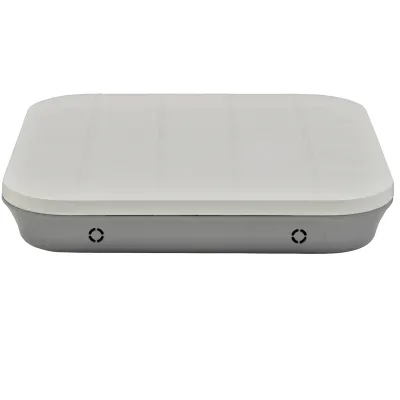
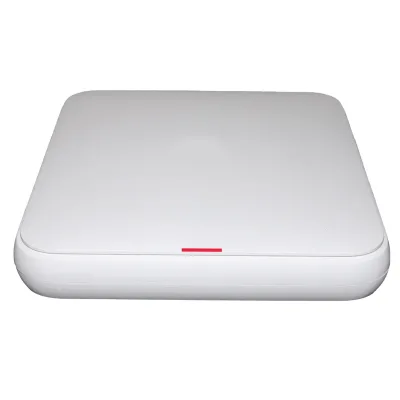
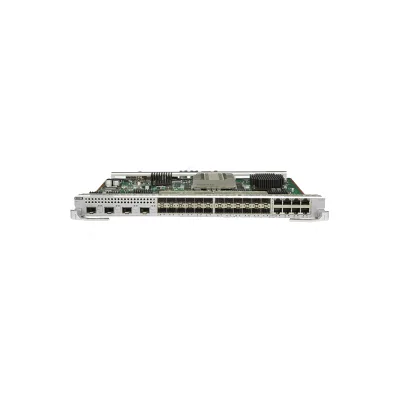


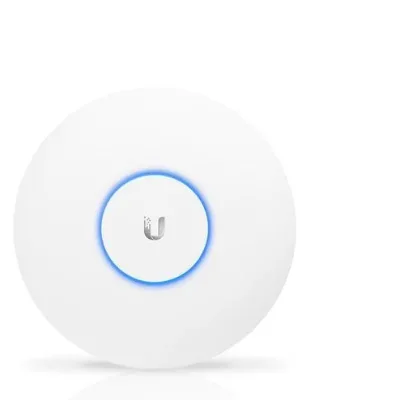

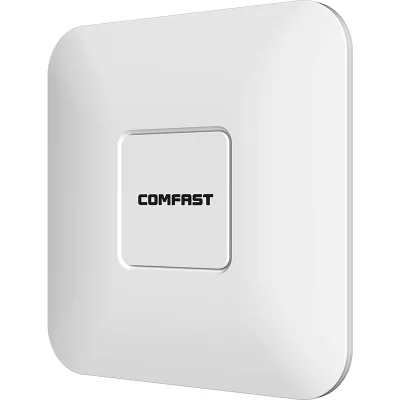
1200Mbps Poe Access Point Wave 2 Dual Band 2.4G 5g Wireless Ceiling Ap Mountable
$26.00 - $36.00
MOQ: 1 Pieces


Comprehensive Sourcing Guide
Strategic Sourcing Guide for PoE Ceiling Access Points
Selecting the right Power over Ethernet (PoE) ceiling access point requires a rigorous evaluation of technical capabilities, compliance standards, and supply chain reliability. For procurement professionals, the market presents a diverse array of devices ranging from compact indoor units to high-performance enterprise gateways. This guide synthesizes available product data and industry standards to provide a structured approach for sourcing these critical network components. The focus remains on evidence-based criteria, ensuring that buyers can verify specifications against actual product attributes without relying on unverified marketing claims.
Technical Architecture and Interface Specifications
The core functionality of a POE Ceiling Access Point lies in its ability to deliver both data and electrical power over a single Ethernet cable, simplifying installation in hard-to-reach ceiling locations. When evaluating potential units, buyers must scrutinize the interface specifications to ensure compatibility with existing network infrastructure. Observed product data indicates a variety of port configurations, ranging from standard Gigabit interfaces to high-speed 10G SFP+ uplinks.
A critical specification to verify is the WAN and LAN port configuration. Some high-end models feature a WAN port supporting speeds up to 10,000Mbps (10Gbps) and are compatible with 802.3bt PoE standards, which deliver higher power levels for advanced features. Conversely, other units may offer a single 100/1000/2500Mbps LAN port, suitable for specific throughput requirements. The presence of an SFP+ slot, such as a 10G SFP+ interface, is a significant differentiator for enterprise-grade devices requiring high-bandwidth backhaul connections.
Power consumption is another vital technical parameter. Devices with power consumption under 40W are generally efficient for standard PoE+ (802.3at) deployments, while units drawing significantly less, such as 11W, are optimized for low-power environments. Buyers should also check the power supply mode; while many units support pluggable power supplies or DC adapters, the primary advantage of ceiling-mounted access points is PoE support. The ability to accept both DC Adapter and PoE inputs offers flexibility during initial deployment or maintenance. Additionally, the working mode is essential; units may operate as Access Points (AP), Gateways, Repeaters, or Wireless ISPs (WISP). Seamless roaming capabilities and band steering support are standard features in modern controllers, ensuring that mobile devices switch between access points without latency.
Compliance and Certification Verification
In the B2B sector, regulatory compliance is non-negotiable. Products intended for enterprise deployment must meet strict international standards to ensure safety and electromagnetic compatibility. The observed product data highlights several key certifications that buyers should verify on supplier documentation. CE (Conformité Européenne) and FCC (Federal Communications Commission) certifications are fundamental for devices sold in Europe and North America, respectively. These certifications confirm that the device does not emit harmful levels of electromagnetic interference and meets safety requirements.
Furthermore, RoHS (Restriction of Hazardous Substances) compliance is a standard requirement for electronic equipment, ensuring that the device is free from specific hazardous materials like lead and mercury. ISO certifications, often cited alongside product types like WiFi Antennas or Modules, indicate adherence to quality management systems. Buyers must distinguish between certifications specific to the antenna component and those covering the entire unit. For instance, some listings reference certifications for "WiFi Antenna Type: Built-in," while others list them for the "WiFi Module." It is imperative to confirm that the final assembled product holds the necessary certifications for the target market.
The physical standards of the product, such as the use of ABS (Acrylonitrile Butadiene Styrene) materials, also contribute to durability and fire safety. When reviewing product specifications, look for explicit mentions of these standards rather than assuming compliance based on the product category. The absence of a specific certification claim in a listing does not necessarily mean the product is non-compliant, but it requires the buyer to request official test reports before proceeding with a purchase.
Cost Drivers and Pricing Dynamics
The pricing of PoE ceiling access points is influenced by a complex interplay of hardware specifications, performance capabilities, and order volume. The observed market data reveals a wide price range, spanning from approximately $10 to nearly $10,000 USD. This variance reflects the difference between basic indoor units and high-performance enterprise gateways with advanced routing capabilities.
Several factors drive these costs. First, the transfer rate and throughput capabilities significantly impact price. Devices supporting Line-Rate Router performance or 10Gbps interfaces command a premium over those limited to 10/100/1000Mbps. Second, the complexity of the controller management system plays a role. Controller-managed units that support seamless roaming and band steering often require more sophisticated firmware and hardware, increasing the unit cost. Third, the physical dimensions and build quality affect pricing. Units with specific dimensions, such as 220x220x42mm or 198x198x41.02mm, may utilize specialized molding or materials that influence the final price.
Minimum Order Quantity (MOQ) is another critical cost driver. The observed MOQ range spans from 1 to 100 units. For small-scale deployments, buyers may find single-item selling units, though the per-unit cost might be higher. Larger enterprises often negotiate better pricing by meeting higher MOQ thresholds. Additionally, packaging requirements, such as carton boxes or specific dimensions like 220x220x42mm for shipping, can add to the logistical costs. Buyers should request detailed pricing tiers based on volume to accurately forecast their total cost of ownership (TCO).
Typical Applications and Deployment Scenarios
PoE ceiling access points are versatile solutions designed for a wide range of environments. The observed product attributes indicate that these devices are primarily targeted at enterprise applications, including offices, educational institutions, and hospitality venues. The "indoor access point" classification suggests that these units are optimized for controlled environments where aesthetics and air quality are important.
The working modes observed, such as AP, Gateway, Repeater, and WISP, highlight the adaptability of these devices. In a standard office layout, the device functions as an Access Point, providing wireless connectivity to employees. In scenarios requiring extended coverage, the same unit can be configured as a Repeater or Wireless ISP to bridge gaps in the network. The "Controller Managed" attribute is particularly relevant for large-scale deployments where centralized management of multiple access points is required to ensure consistent performance and security.
Specific applications also depend on the physical form factor. Units with dimensions like 43.6mm x 442mm x 420mm or 198mm x 198mm x 41.02mm are designed to blend seamlessly into ceiling tiles or recessed fixtures. The "Portability" attribute suggests that some units may be designed for temporary deployments or flexible reconfiguration, although ceiling-mounted units are typically fixed installations. The storage method, utilizing Flash Memory, ensures that configurations are retained even during power cycles, which is crucial for maintaining network stability in commercial settings.
Supplier Evaluation and Origin Verification
When sourcing PoE ceiling access points, verifying the supplier's origin and capabilities is essential for ensuring product authenticity and supply chain stability. The observed data indicates that the majority of these products originate from China, specifically from regions like Guangdong. This region is a global hub for electronics manufacturing, offering a wide range of suppliers with varying levels of expertise.
Buyers should evaluate suppliers based on their ability to provide detailed product specifications and certifications. The presence of a "Brand Name" such as "HW" or specific model numbers like "AX820," "BE830-P2v3," and "FAP780S-P2" allows for traceability. However, buyers must be cautious of generic listings that may not correspond to specific, high-quality brands. The "Customization: Available" attribute suggests that some suppliers offer OEM or ODM services, allowing buyers to tailor the device to their specific branding or functional needs.
It is crucial to verify the "Place of Origin" and ensure that the supplier has the capacity to meet the required production standards. While the data confirms that products are manufactured in China, the specific factory capabilities, quality control processes, and lead times should be confirmed directly with the supplier. The "Selling Units" being listed as "Single item" or "Cartons" indicates the packaging format, which can impact shipping costs and handling. Buyers should request samples to verify the build quality, including the weight (e.g., 6.25 Kg) and the materials used, before committing to a large order.
Quality Control and Long-Term Procurement Considerations
Ensuring the long-term reliability of PoE ceiling access points requires a robust quality control strategy. The observed specifications, such as "Maximum power consumption [W]: 11" or "<40W," provide a baseline for thermal management. Buyers should verify that the devices are designed to operate within safe temperature ranges, especially when installed in enclosed ceiling spaces where heat dissipation can be challenging.
The "Storage Method" using Flash Memory is a standard feature, but buyers should inquire about the durability of this storage and the device's ability to withstand power fluctuations. The "USB Memory Port" feature, if present, offers additional flexibility for firmware updates or data logging, which can be valuable for troubleshooting and maintenance.
For long-term procurement, buyers should consider the lifecycle of the device. The "Type" classification, such as "native AC cards" or "Wireless," indicates the generation of the technology. Older standards may become obsolete faster, leading to higher replacement costs. The "Applications" field, noting "Enterprise Wireless Access Point," suggests that these devices are built for high-uptime environments. Buyers should ensure that the supplier provides a clear warranty policy and access to firmware updates.
Furthermore, the "Standard" attributes, such as ABS material or specific dimensions, should be verified against the buyer's physical installation requirements. The "Packing" details, including "Carton" or specific dimensions, are important for logistics planning. A comprehensive quality control plan should include pre-shipment inspections to verify that the received units match the ordered specifications, including certifications, power ratings, and physical dimensions.
Summary of Key Product Attributes
To facilitate quick reference, the following table summarizes the key attributes observed in the product data, categorized for easier comparison during the sourcing process.
| Attribute Category | Observed Values / Specifications |
|---|---|
| Models | AX820, BE830-P2v3, BE19000, FAP780S-P2, AP4050DE-M, AX835H-P4 |
| Certifications | CE, FCC, RoHS, ISO (varies by component type) |
| Working Modes | AP, Gateway, Repeater, WISP |
| Power Specs | <40W, 11W Max; 802.3bt PoE support; DC Adapter/PoE |
| Interfaces | 10/100/1000Mbps, 2500Mbps LAN, 10G SFP+, 100/1000/10000Mbps WAN |
| Dimensions | 220x220x42mm, 198x198x41.02mm, 43.6x442x420mm |
| Materials | ABS |
| Origin | China (Guangdong) |
| Features | Seamless Roaming, Band Steering, Controller Managed, Customization |
By systematically evaluating these attributes against specific project requirements, buyers can make informed decisions that balance performance, compliance, and cost. The diversity of options available in the market underscores the importance of detailed specification verification to ensure that the selected PoE ceiling access points meet the rigorous demands of modern enterprise networks.
FAQs
What certifications are required for poe ceiling access points?
Products must hold CE, FCC, RoHS, and ISO certifications for global compliance. Some listings specify certifications for the WiFi antenna or module separately, so verify the final assembled unit meets target market safety standards before purchasing.
Which working modes do these access points support?
Devices typically operate as Access Points, Gateways, Repeaters, or Wireless ISPs. This flexibility allows the same hardware to function in standard office layouts or extend coverage in complex environments requiring seamless roaming capabilities.
How is power delivered to these ceiling units?
Power is delivered via Power over Ethernet or DC adapters depending on the model. High-end units support 802.3bt PoE standards, while others may draw less than 40W or as low as 11W for efficient operation.
Can I customize the branding on these devices?
Customization is available for many models to suit specific enterprise needs. Buyers should confirm OEM or ODM capabilities with the supplier to ensure the device can be tailored to their specific branding or functional requirements.
What are the typical port specifications for high-performance units?
Advanced models feature 10G SFP+ uplinks and WAN ports supporting up to 10,000Mbps. Lower tier units may offer single 100/1000/2500Mbps LAN ports, so select based on your required throughput and backhaul bandwidth.
Where are these access points manufactured?
The majority of these products originate from China, specifically Guangdong. Buyers should verify the specific factory capabilities and quality control processes to ensure the supply chain meets their reliability and production standards.